


Understanding heart health is crucial for anyone navigating the complexities of cardiovascular care, especially for older adults facing multiple health challenges. This article explores ten essential heart medications that every patient should be familiar with, highlighting their roles, benefits, and the significant impact they can have on overall well-being.
Yet, with so many options available, how can patients ensure they are making informed choices about their treatment? By exploring the nuances of these medications, individuals are empowered to take charge of their health, while also raising important questions about the balance between benefits and potential risks.
Remember, you are not alone in this journey; support is available to help you make the best choices for your heart health.
At Amavita Heart and Vascular Health, we understand that managing can feel overwhelming, especially for individuals with multiple health concerns. Our comprehensive is designed with you in mind, emphasizing innovative and compassionate care tailored to your unique health profile. We prioritize , particularly for our elderly patients, ensuring that you feel supported every step of the way.
By integrating advanced treatment strategies with our commitment to enhancing your quality of life, we ensure that you receive the most . In addition to this, our allow you to return home the same day, minimizing the stress of hospital stays and readmissions. Our exemplifies this dedication, achieving an impressive 93% reduction in readmissions, which speaks to our focus on your well-being.
We invite you to reach out and learn more about how we can support you in your health journey. Your comfort and health are our top priorities, and we are here to provide the .

, like Angiotensin-Converting Enzyme (ACE) inhibitors such as lisinopril and enalapril, are vital in treating , particularly for our older loved ones. These medications work by relaxing blood vessels, which helps lower blood pressure and reduces the strain on the heart. Research has shown that ACE inhibitors can lead to in older adults facing hypertension and heart failure. For instance, a study involving over 6,000 individuals aged 65 to 84 found that and overall mortality, underscoring their effectiveness in this age group.
In clinical practice, like lisinopril and enalapril are commonly prescribed to older adults, often leading to noticeable improvements in symptoms like shortness of breath and fatigue. These medications not only enhance physical health but also contribute to a , allowing individuals to engage more fully in daily activities. Additionally, ACE inhibitors have proven beneficial in managing comorbid conditions, such as , which is often found in older populations.
Ongoing studies are exploring the broader effects of ACE inhibitors on . Research suggests that these medications might help delay the progression of heart issues and , especially in those with diabetes. Regular monitoring of kidney function and electrolytes is essential, as older adults may be more susceptible to side effects like low blood pressure and high potassium levels. Overall, incorporating ACE inhibitors into treatment plans for in older individuals reflects a commitment to enhancing health outcomes and quality of life.

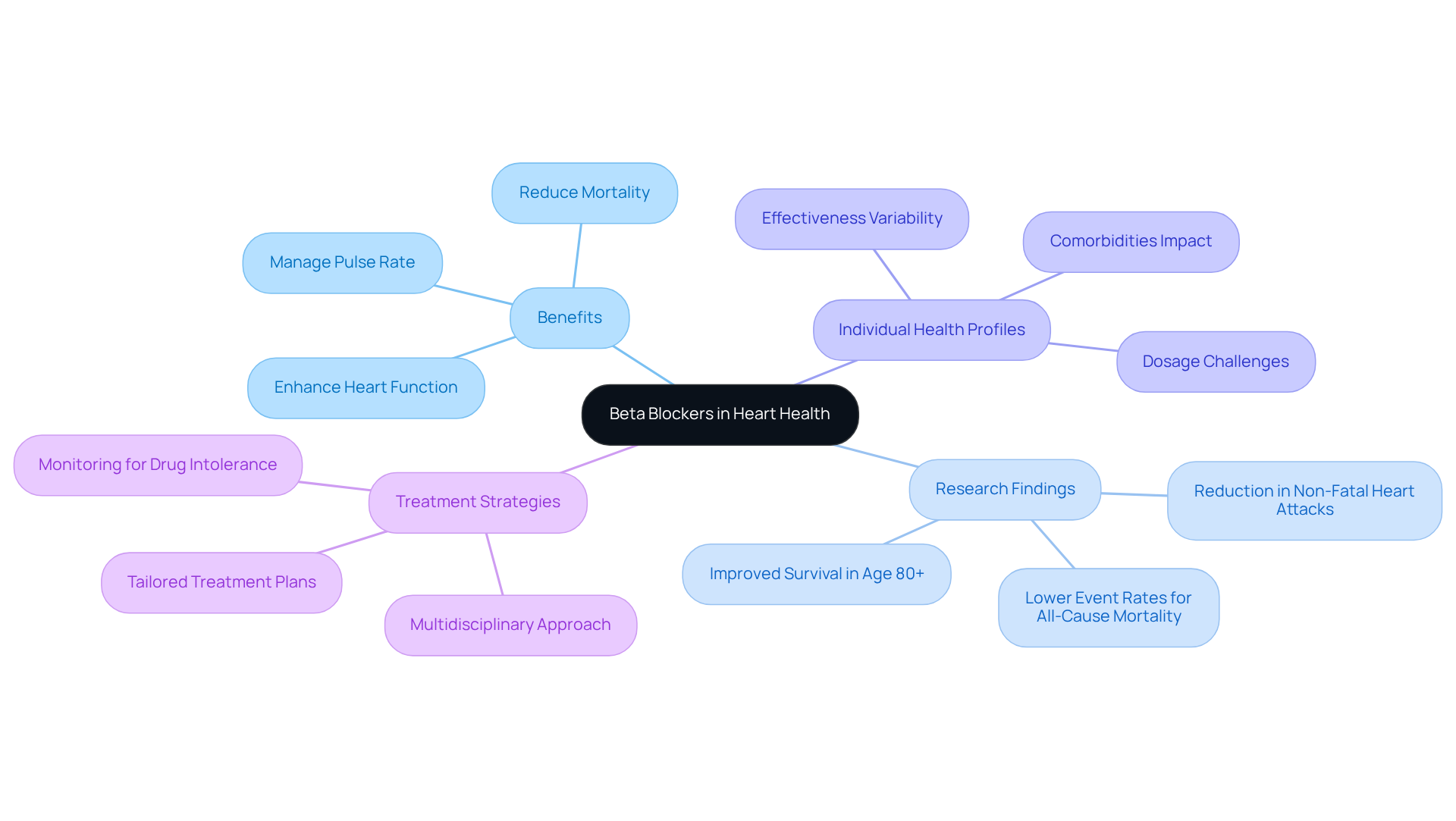
Beta blockers, such as metoprolol and carvedilol, are vital in helping to manage pulse rate and blood pressure, particularly for our older loved ones facing . These medications offer and for individuals recovering from heart attacks. By effectively easing the heart's workload, but also promote better long-term health outcomes.
Research indicates that the use of beta blockers is associated with a meaningful reduction in all-cause mortality and cardiovascular events among older adults, highlighting their importance in . that while the benefits of beta blockers are well-established, their effectiveness can vary based on individual health profiles, especially in older patients who may have multiple health conditions.
For instance, studies show that in individuals aged 80 and above, beta blockers have been linked to . However, achieving the right dosage can be challenging due to the changes in how the body processes medications with age.
Overall, incorporating , including beta blockers, into treatment strategies for older adults with cardiovascular issues is essential for enhancing recovery and effectively managing . If you or someone you care about is navigating these health challenges, reaching out for support can make a significant difference in managing these conditions with confidence and care.
, play a crucial role in for individuals facing . These medications promote the , helping to alleviate uncomfortable symptoms like swelling and shortness of breath. At Amavita Heart and Vascular Health®, we prioritize your well-being through and . We are dedicated to creating that cater to your specific conditions and lifestyle needs.
Effective management of fluid retention through can significantly enhance your comfort and mobility. Imagine returning to your daily activities with greater ease and less worry. We understand that can be daunting, but you are not alone on this journey. Our compassionate team is here to support you every step of the way, ensuring that your health is managed with the utmost care and understanding.

Sodium-glucose cotransporter 2 (SGLT2) inhibitors, such as empagliflozin and dapagliflozin, have emerged as transformative choices in managing . These medications not only help in controlling blood sugar levels for those with diabetes but also offer significant , particularly in reducing hospitalization rates for heart-related issues. Research indicates that for cardiac concerns compared to other diabetes treatments. This is especially beneficial for older adults who often face various health challenges.
The way SGLT2 inhibitors work enhances their effectiveness in treating heart conditions. By promoting diuresis and alleviating fluid overload, these medications relieve pressure on the cardiovascular system, leading to improved outcomes. Notably, studies have shown that starting SGLT2 inhibitors during hospital stays can . Inpatients who began treatment while hospitalized experienced a , compared to 44.4% for those who started after discharge.
Empagliflozin and dapagliflozin have demonstrated reliable advantages across diverse groups, including individuals both with and without a history of cardiac issues. Their inclusion in treatment protocols reflects the growing recognition of heart medication names as , particularly among older individuals. As the evidence supporting their use continues to grow, SGLT2 inhibitors are poised to play a vital role in enhancing the quality of care for those experiencing cardiac challenges.
If you or a loved one are navigating these health concerns, consider . They may offer a supportive option in your journey towards better .

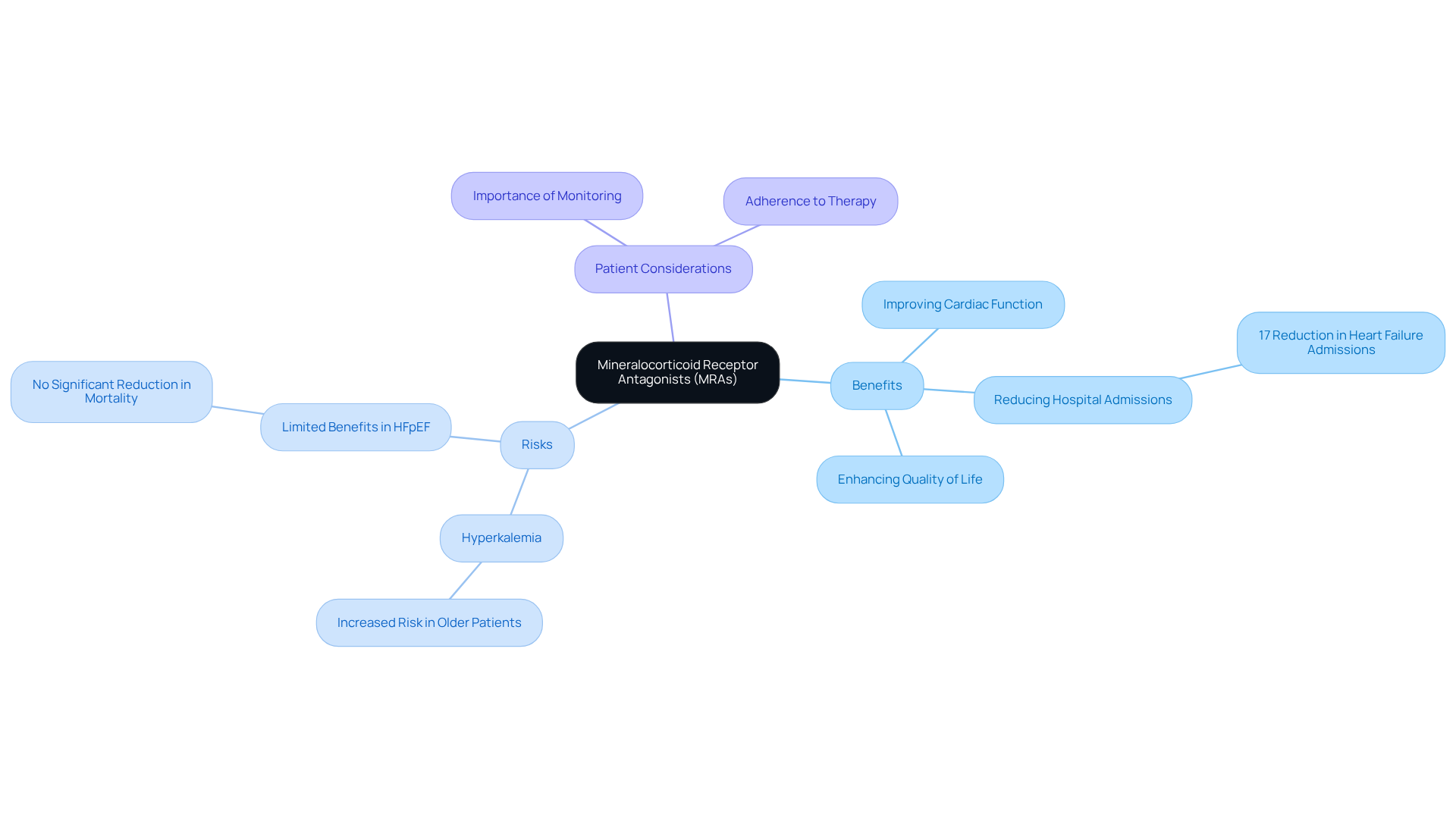
(MRAs), which are like spironolactone and eplerenone, play a vital role in for those experiencing cardiac dysfunction. These medications are particularly effective in preventing fluid retention, which is essential for lowering the risk of hospitalization. For senior patients, the benefits extend beyond mere symptom control; they significantly by alleviating the .
Have you ever wondered how a small change in medication can lead to such a positive impact? Studies reveal that can reduce by 17%, underscoring its effectiveness in this demographic. Furthermore, research has shown that MRAs can improve diastolic function and reduce myocardial fibrosis—both crucial for maintaining cardiovascular health in older adults.
However, it’s important to recognize that MRAs, particularly spironolactone, carry a higher risk of hyperkalemia, which requires careful monitoring in older individuals. Additionally, certain subgroups of patients with preserved ejection fraction (HFpEF) may not experience the same benefits from spironolactone. The TOPCAT trial highlighted that there was no significant reduction in cardiovascular mortality or hospitalizations for this group.
is one of the important that not only aids in but also contributes to better overall health outcomes, making it a cornerstone in the treatment of older adults with cardiovascular conditions.
To optimize the benefits of MRAs in this vulnerable population, to therapy are essential. Remember, you are not alone in this journey; support is available, and taking these steps can lead to a healthier, more fulfilling life.
Hydralazine and isosorbide dinitrate are often used together as a , especially for those who may not tolerate ACE inhibitors. This combination works by widening blood vessels, which helps to and improve blood circulation. At , we view this therapy as part of a holistic approach to , particularly beneficial for older adults managing symptoms and striving for .
By utilizing , including sophisticated imaging capabilities, we create that ensure high-risk individuals receive the they need to improve outcomes and reduce hospital readmissions. This method addresses the unique cardiovascular challenges faced by skilled nursing facilities, ensuring that each patient receives the most effective and tailored care possible.
If you or a loved one are navigating , know that you are not alone. Our compassionate team is here to support you every step of the way. Together, we can work towards and overall well-being.
For individuals who find ACE inhibitors challenging to tolerate, like losartan and valsartan emerge as valuable alternatives. These medications not only effectively but also alleviate pressure on the cardiovascular system, making them particularly beneficial for managing heart failure. For older adults, ARBs offer comparable benefits to ACE inhibitors, often with a more favorable side effect profile, which is crucial for this demographic.
Research shows that ARBs can significantly and enhance quality of life, especially for older adults dealing with cardiovascular issues. Additionally, studies indicate that ARBs, including losartan and valsartan, are effective in reducing morbidity and mortality rates among individuals with cardiac dysfunction. This makes them a reliable choice for those unable to tolerate traditional treatments.
As healthcare professionals continue to explore various treatment options, ARBs stand out as a safe and effective means of improving in older adults. In conjunction with comprehensive programs like , which integrates advanced diagnostic tools, AI technology, and staff training, the use of ARBs can contribute to a and improving overall outcomes in skilled nursing facilities.
If you or a loved one are navigating these health challenges, know that there are . Seeking guidance from healthcare professionals can lead to a supportive path toward better .

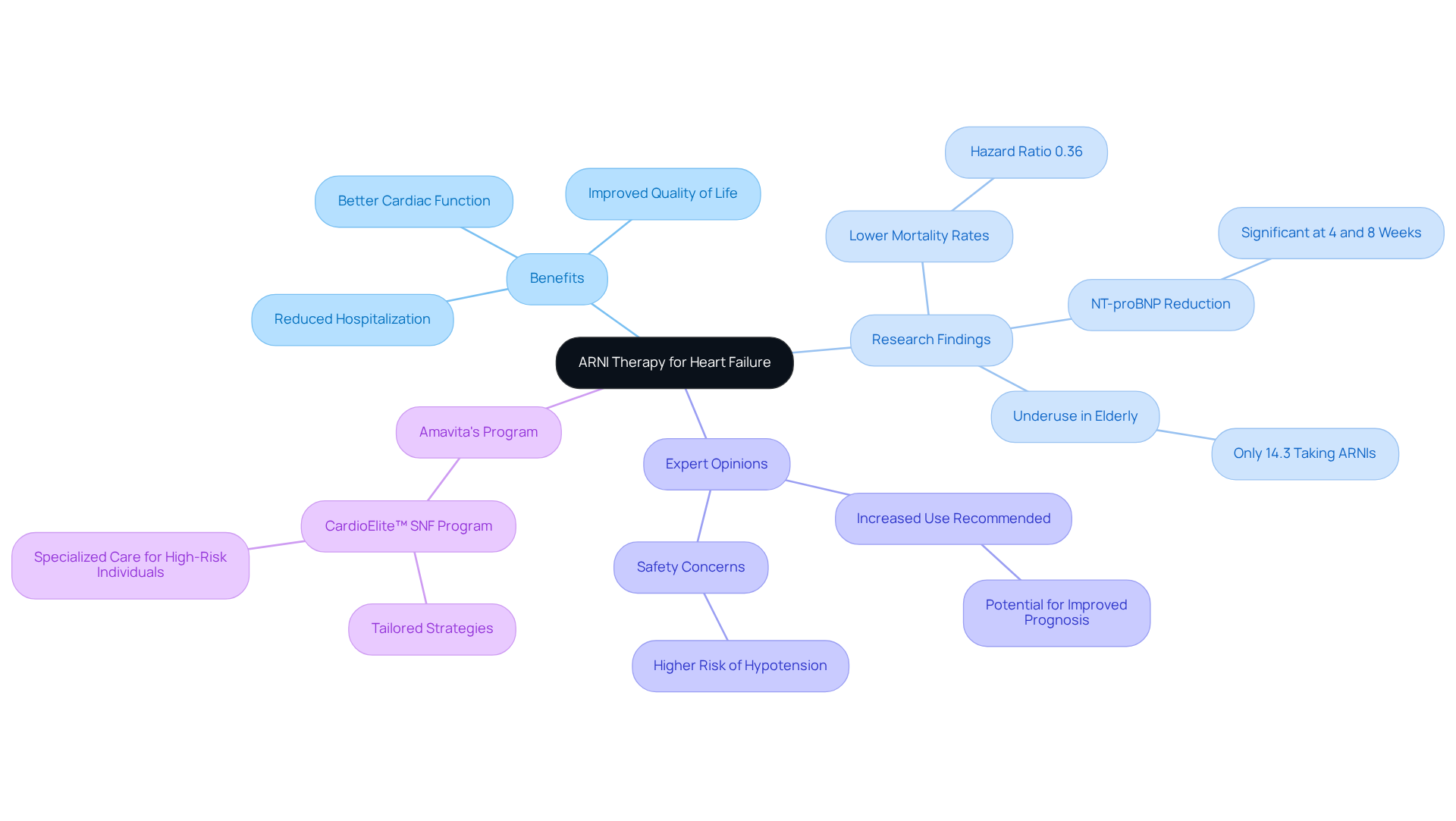
Are you or a loved one facing challenges with cardiovascular health? The combination of an , such as sacubitril/valsartan, has emerged as a new standard in treating cardiovascular failure, particularly within Amavita's . This groundbreaking treatment not only effectively reduces blood pressure but also significantly boosts cardiac function, leading to better outcomes for older individuals.
Research shows that ARNI therapy is associated with a , which is especially beneficial for older adults who often deal with multiple health concerns. Indeed, studies have demonstrated that therapy with sacubitril/valsartan can while reducing failure-related incidents. Experts in cardiology emphasize that increasing the use of ARNIs in this demographic could greatly improve overall prognosis.
The positive impacts of ARNI therapy underscore its importance in managing , making it a vital option for older individuals looking to enhance their and minimize hospital visits. At , we are dedicated to providing for high-risk individuals through advanced imaging and thorough assessments. We ensure that our clients receive tailored, for their , because your well-being is our priority. If you have questions or need support, please reach out to us—we're here to help you every step of the way.
Understanding the dangers and advantages of is crucial, especially for seniors. These can significantly improve and overall quality of life, yet they also come with potential side effects and interactions with other drugs that must be considered.
Research indicates that more than half of older individuals take more than two medications, which increases the likelihood of adverse effects. It’s essential to engage in to make informed treatment decisions. Such conversations can profoundly impact , as healthcare experts emphasize.
Dr. Jack V. Tu aptly noted, 'The decision to prescribe a medication should always be patient-focused, balancing the risks of side effects against the benefits of treatment.' Real-world experiences show that individuals who actively discuss their medication regimens with their doctors often better and adhere more closely to treatment plans.
Additionally, using multiple MACE medications is linked to a significant two-fold increase in the risk of major adverse (MACE). Therefore, nurturing a is vital for elderly patients as they navigate the complexities of management.
Remember, you are not alone in this journey; seeking support and guidance can lead to better health outcomes.

Navigating the landscape of heart medications is crucial for anyone managing cardiovascular health. This article highlights the significance of understanding various heart medication names and their roles in enhancing treatment outcomes, particularly for older adults. By emphasizing personalized care, the insights shared underscore the importance of tailored treatment plans that prioritize individual health needs and quality of life.
Key arguments presented include the effectiveness of medications such as:
in managing heart failure and other cardiovascular conditions. Each medication serves a distinct purpose, from lowering blood pressure and controlling heart rate to managing fluid retention and improving overall heart function. In addition to this, the collaborative relationship between patients and healthcare providers is vital for optimizing treatment regimens and ensuring the best possible outcomes.
In conclusion, the journey toward better heart health is not one to be undertaken alone. By staying informed about essential heart medications and engaging in open dialogues with healthcare professionals, patients can navigate their treatment options with confidence. Embracing a proactive approach to cardiovascular care can lead to improved health outcomes, allowing individuals to enjoy a better quality of life. Seeking support and understanding the intricacies of heart medications is crucial, particularly for the elderly population facing multiple health challenges.
What is the focus of Amavita Heart and Vascular Health?
Amavita Heart and Vascular Health focuses on comprehensive cardiovascular medication management, emphasizing innovative and compassionate care tailored to individual health profiles, particularly for elderly patients.
How does Amavita ensure personalized treatment plans?
Amavita prioritizes personalized treatment plans by integrating advanced treatment strategies and enhancing quality of life, ensuring that patients feel supported throughout their health journey.
What is the CardioElite™ SNF Program?
The CardioElite™ SNF Program at Amavita exemplifies their dedication to patient well-being, achieving a 93% reduction in readmissions, which highlights their focus on effective care and minimizing hospital stays.
What role do Angiotensin-Converting Enzyme (ACE) inhibitors play in heart health?
ACE inhibitors, such as lisinopril and enalapril, are vital medications for treating cardiac insufficiency, as they relax blood vessels, lower blood pressure, and reduce strain on the heart, leading to better cardiovascular outcomes.
What benefits do ACE inhibitors provide for older adults?
ACE inhibitors have been shown to significantly decrease cardiovascular events and overall mortality in older adults, improving symptoms like shortness of breath and fatigue while enhancing their quality of life.
What are some potential side effects of ACE inhibitors in older adults?
Older adults may be more susceptible to side effects such as low blood pressure and high potassium levels, necessitating regular monitoring of kidney function and electrolytes.
How do beta blockers assist in managing heart health?
Beta blockers, such as metoprolol and carvedilol, help manage pulse rate and blood pressure, easing the heart's workload and enhancing overall heart function, particularly for those with cardiac failure or recovering from heart attacks.
What are the long-term health benefits of beta blockers for older adults?
Research indicates that beta blockers are associated with a meaningful reduction in all-cause mortality and cardiovascular events among older adults, improving survival rates, especially in individuals aged 80 and above.
Why is dosage adjustment important for beta blockers in older patients?
Achieving the right dosage of beta blockers can be challenging for older patients due to changes in how the body processes medications with age, making careful monitoring essential for effective treatment.