


Understanding heart health is crucial, especially for seniors who may encounter unique challenges like bradycardia, a condition marked by a dangerously low heart rate. When the heart's rhythm slows, it can lead to insufficient blood flow and concerning symptoms, such as fatigue and fainting spells. This article offers essential insights into low heart rates in older adults, exploring symptoms, causes, and the critical treatment options and preventive strategies available.
What steps can seniors take to protect their cardiovascular health? When should they seek medical attention? These questions are vital, and the answers lie within the complexities of bradycardia and the proactive measures that can enhance quality of life. Remember, you are not alone in this journey; understanding your heart health is the first step towards a healthier future.
At Amavita Heart and Vascular Health, founded by Dr. Pedro Martinez-Clark, we understand the concerns that seniors face when dealing with , especially conditions like bradycardia. Our practice is dedicated to providing exceptional in Miami, utilizing , including and personalized treatment plans. These approaches significantly enhance outcomes for elderly patients who are experiencing a .
Dr. Martinez-Clark believes in the importance of to each individual's unique needs. This ensures that every patient receives the highest quality of attention and expertise. We know that navigating health concerns can be daunting, but our empathetic approach, combined with the latest advancements in cardiovascular treatment, positions Amavita as a trusted partner for seniors seeking .
Our commitment to blending innovative therapies with a creates a nurturing environment where seniors can feel safe and supported on their journey toward . If you or a loved one are facing these challenges, we invite you to reach out. Together, we can explore the best options for your health and ensure you receive the compassionate care you deserve.
Bradycardia, defined as a of fewer than 60 beats per minute, can be a concern, especially for seniors. This condition may result in a dangerously low heart rate, which can lead to insufficient blood flow to vital organs, and this is understandably worrying. While some people might have a dangerously low heart rate without any noticeable symptoms, others may experience . If you or a loved one are facing these symptoms, it’s important to seek .
Have you noticed any changes in your heart rate or how you feel? It’s completely normal to feel anxious about health issues, but remember, you’re not alone. Many , and there are caring professionals ready to help. Taking the first step towards understanding your health can make a significant difference.
If you’re feeling uncertain, please reach out to a healthcare provider. They can offer guidance and reassurance, helping you navigate any worries you may have. Your are important, and there are .
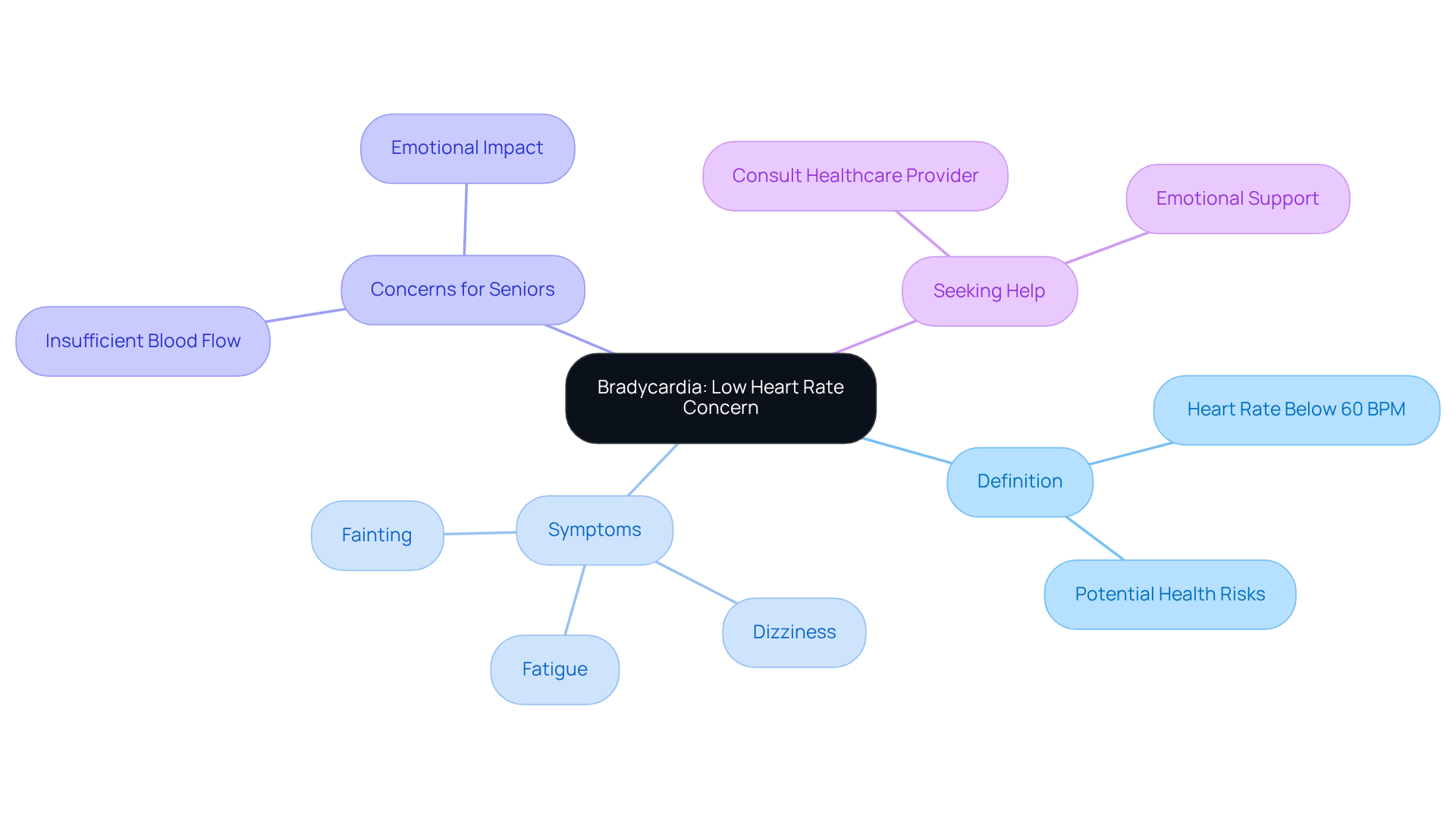
Common symptoms of a , known as bradycardia, can be particularly concerning for our elderly loved ones. It’s important to recognize these signs:
Identifying these symptoms is essential. Prompt can greatly enhance outcomes for older adults facing dangerously low heart rates. As we age, the likelihood of experiencing a slow pulse rises, making it even more significant to recognize these symptoms. Remember, you’re not alone in this journey; support is available, and taking action can lead to better .

Several factors can contribute to a , particularly in our senior loved ones.
Understanding these factors is crucial for creating effective treatment approaches and ensuring for seniors. Remember, you’re not alone in this journey; seeking support and guidance can make all the difference.

Understanding the , or a slow heartbeat, is especially crucial for older adults. As we age, our hearts undergo various changes, making it essential to pay attention to our . Did you know that older adults without cardiovascular disease have an average cardiovascular quality score of just 68 out of 100? This statistic highlights the importance of proactive wellness management.
Key risk factors to consider include:
Experts agree that making can help mitigate these risks. Engaging in at least 150 minutes of physical activity each week is recommended to maintain cardiovascular wellness. Many seniors who adopt healthier lifestyles report improvements in their cardiovascular function and overall well-being.
Identifying these risk factors is vital for effective health management. By understanding and addressing these concerns, we can work together to improve outcomes for older adults at risk of slow heart rates. Remember, you’re not alone in this journey; support is available, and taking proactive steps can lead to a healthier, happier life.

When diagnosing dangerously low heart rates, several key are essential for ensuring . Understanding these tools can help ease concerns and provide clarity for patients and their families.
Current research highlights the effectiveness of these diagnostic tools, particularly for elderly populations. Accurate monitoring is essential for timely intervention and improved outcomes. For instance, studies have shown that Holter monitors can significantly enhance the identification of patients with dangerously low heart rates who may not exhibit clear symptoms. This ensures that those at risk receive the appropriate care they need.
If you or a loved one are experiencing concerns about heart health, don’t hesitate to reach out for support. Understanding these diagnostic tools can empower you to take proactive steps towards better health.

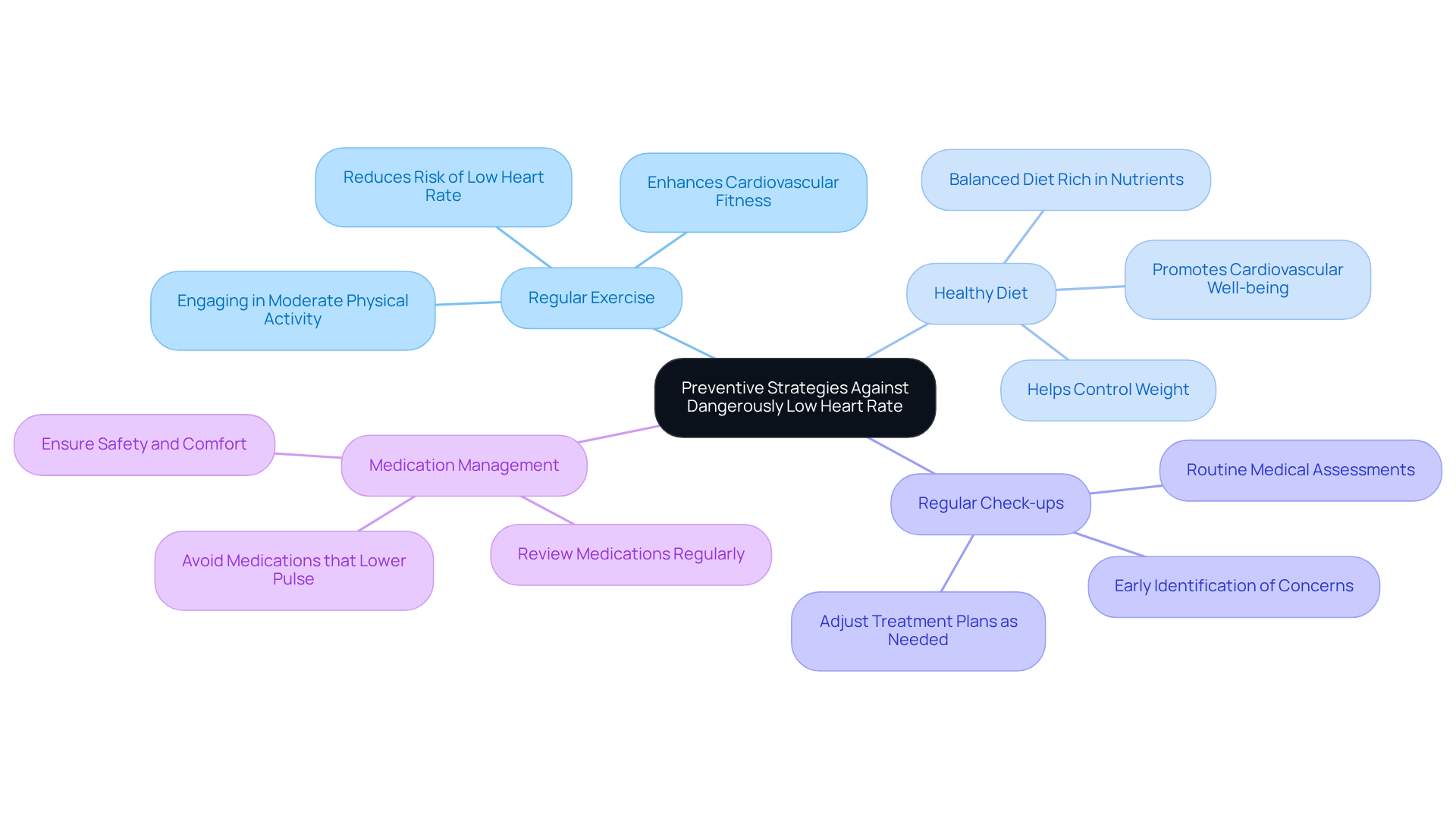
If you or a loved one is experiencing dangerously low heart rates, it's crucial to understand that there are several tailored to assist.
Each treatment option should be personalized, taking into account your unique medical circumstances and preferences. Remember, you’re not alone in this journey; support is always available.
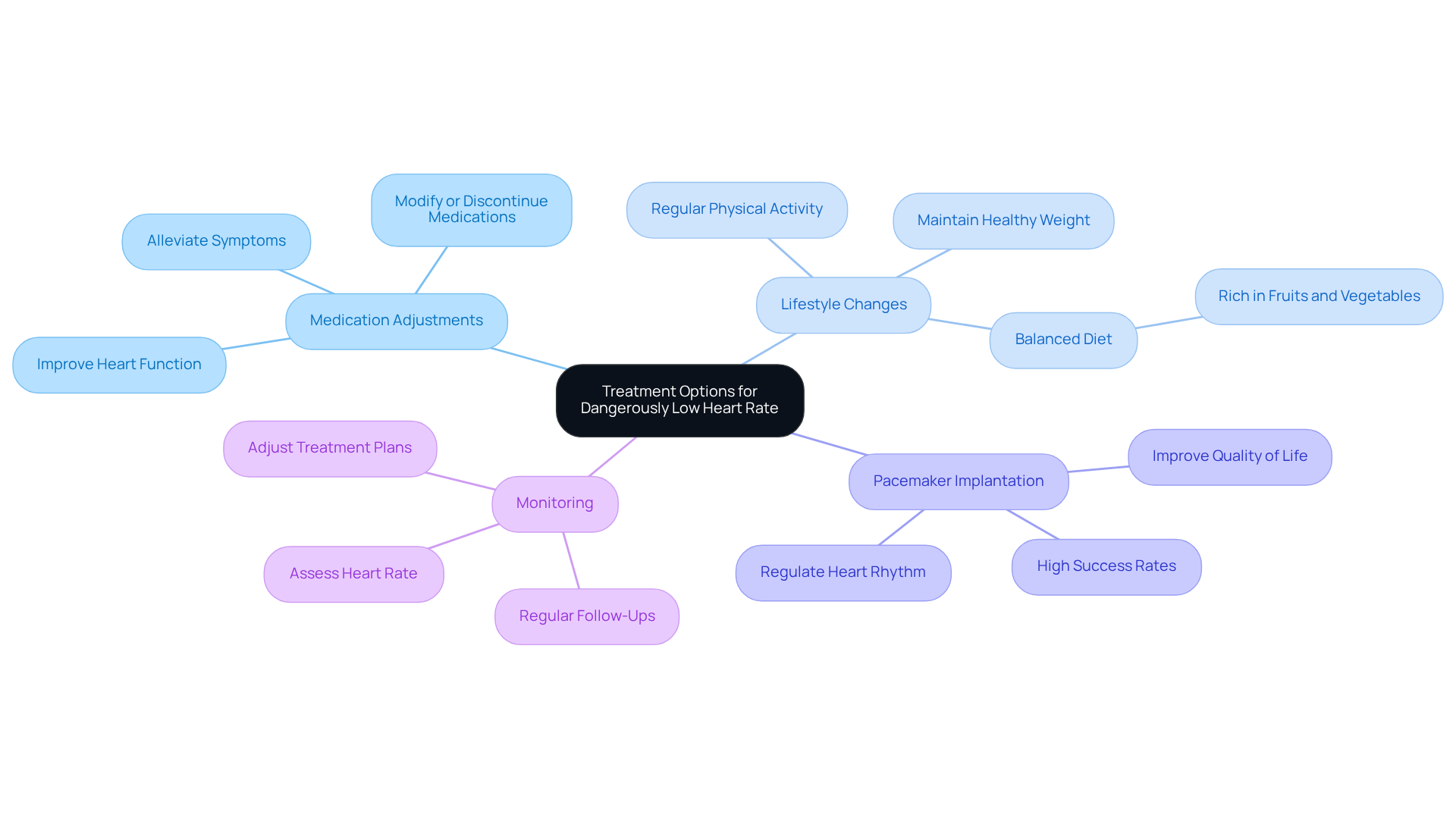
Complications arising from a can significantly affect the health of seniors. It’s essential to understand these risks, as they can lead to serious conditions such as:
Recognizing these complications highlights the importance of effectively managing slow heart rates, especially in the older population. By doing so, we can help avoid serious medical problems and enhance overall quality of life. Remember, you’re not alone in this journey-support is available, and reaching out for help is a strong step towards better health.
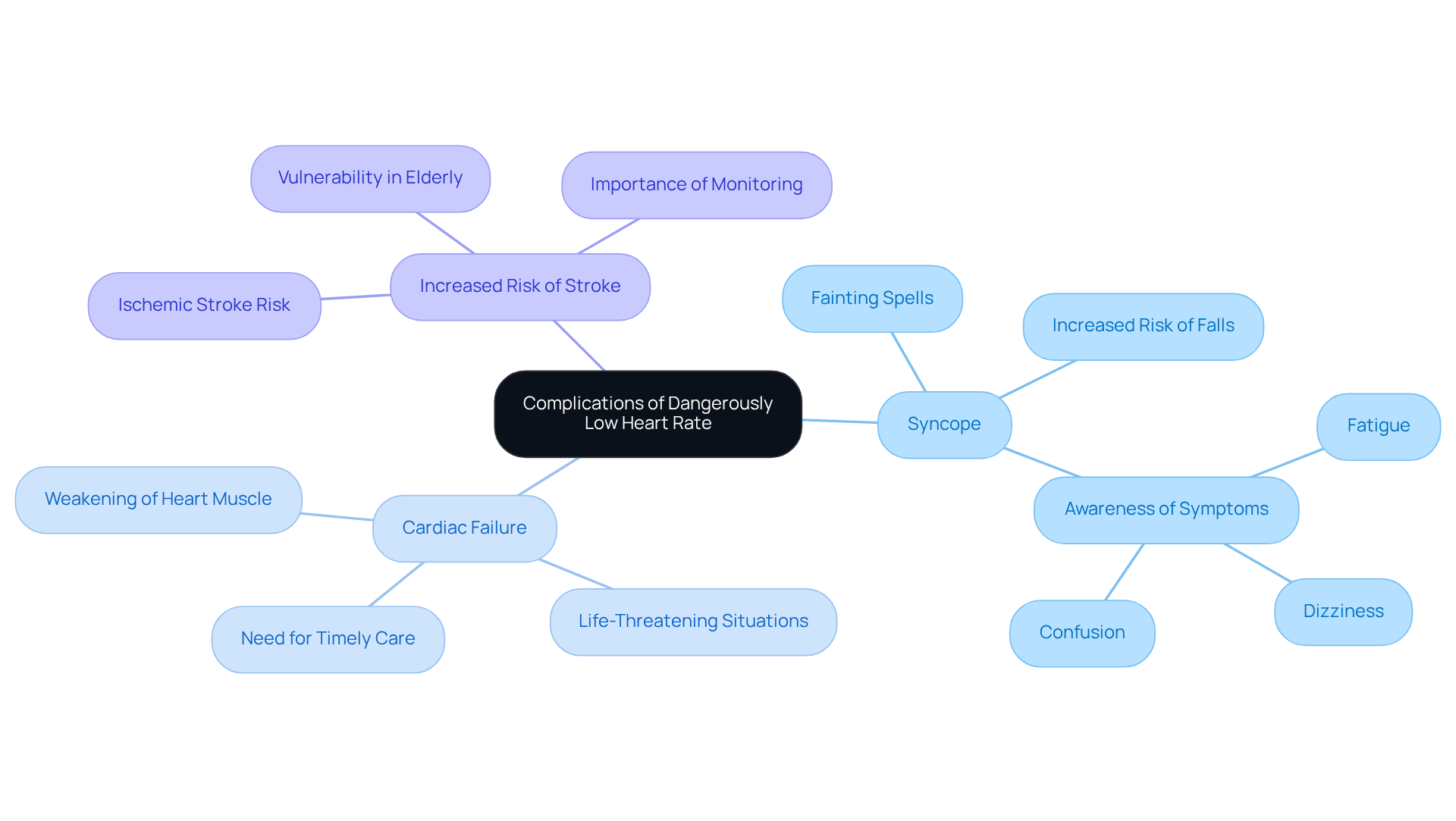
Implementing preventive strategies for managing heart health is essential for your well-being to reduce the risk of and bradycardia. Here are some caring approaches to consider:
By applying these approaches, you can help sustain a healthy pulse and encourage overall cardiovascular health, ultimately enhancing your quality of life. Remember, as cardiovascular experts emphasize, regular exercise plays a pivotal role in managing your pulse rate and preventing bradycardia. You’re not alone in this journey; support is always available.
It's crucial to seek medical help if you notice any of the following symptoms:
, and if it drops into the 30s, , potentially leading to insufficient oxygen reaching your brain. Recognizing these warning signs is vital for ensuring , which can truly be life-saving. As our at Amavita say, "If you experience these symptoms, please reach out to your doctor." Remember, you are not alone in this; we are here to support you every step of the way.

Understanding and managing dangerously low heart rates, especially in seniors, is vital for maintaining overall health and well-being. Bradycardia, which is when the heart beats fewer than 60 times per minute, can lead to serious complications if not addressed quickly. Recognizing symptoms, understanding the causes, and knowing when to seek medical help are crucial steps that can significantly improve outcomes for elderly individuals.
This article sheds light on various aspects of low heart rates, including common symptoms like:
It also explores underlying causes such as:
Along with risk factors that contribute to bradycardia. Furthermore, it discusses effective diagnostic tools and treatment options, emphasizing the importance of personalized care and proactive health management strategies. Remember, lifestyle changes, regular check-ups, and medication management can empower seniors to positively influence their cardiovascular health.
In light of these insights, it’s essential for seniors and their caregivers to stay vigilant about heart health. By understanding the risks associated with dangerously low heart rates and taking preventive measures, individuals can enhance their quality of life and reduce the likelihood of severe complications. Seeking timely medical advice and support is crucial, as expert care can make a significant difference in managing conditions like bradycardia.
Awareness and action are key to safeguarding heart health. The journey toward better cardiovascular wellness is one that should not be faced alone. So, let’s take those steps together, ensuring that every senior feels supported and valued in their health journey.
What is Amavita Heart and Vascular Health?
Amavita Heart and Vascular Health is a practice founded by Dr. Pedro Martinez-Clark, dedicated to providing exceptional cardiovascular care for seniors in Miami, particularly focusing on conditions like bradycardia.
What is bradycardia?
Bradycardia is defined as a dangerously low heart rate of fewer than 60 beats per minute, which can lead to insufficient blood flow to vital organs and may cause symptoms such as fatigue, dizziness, or fainting.
What are the common symptoms of dangerously low heart rate?
Common symptoms include fatigue, dizziness or lightheadedness, fainting, shortness of breath, and chest pain. Recognizing these symptoms is crucial for seeking timely medical intervention.
How does Amavita approach patient care for low heart rate conditions?
Amavita emphasizes personalized treatment plans and utilizes advanced methods, including minimally invasive procedures, to ensure each patient receives tailored care that meets their unique needs.
Why is it important to seek medical evaluation for low heart rate symptoms?
Seeking medical evaluation is important because symptoms of bradycardia can indicate inadequate blood flow to vital organs, and prompt intervention can significantly improve outcomes for older adults.
What should seniors do if they experience symptoms of a low heart rate?
Seniors experiencing symptoms such as fatigue, dizziness, or fainting should reach out to a healthcare provider for guidance and support to address their health concerns.
How does Amavita create a supportive environment for seniors?
Amavita combines innovative therapies with a patient-focused approach, creating a nurturing environment where seniors can feel safe and supported on their journey toward improved cardiovascular health.