


Understanding heart health is crucial, and it’s completely normal for many patients to feel overwhelmed by the complexities of cardiovascular care. Engaging with a cardiologist can provide invaluable insights, but knowing the right questions to ask is essential for effective communication and treatment. This article outlines ten essential questions that empower you to take charge of your heart health and foster a deeper understanding of your individual condition and treatment options.
How can you ensure you’re getting the most out of your consultations? What critical information might you be missing? Exploring these questions can lead to proactive management and improved outcomes for your heart health. Remember, you’re not alone in this journey, and seeking clarity is a vital step towards better health.
Recent test outcomes offer important insights into your cardiovascular health, especially regarding and . It’s crucial to discuss these results with your cardiologist and consider the to understand what they mean for your overall well-being. For instance, if your are elevated, it might be time to consider dietary changes or medication adjustments. is vital, as it significantly impacts your heart health. Cardiologists recommend that a is desirable, while levels above 240 mg/dL may require intervention.
is another key factor to monitor. For older adults, the average range is typically around 120/80 mmHg. However, many may find their readings are higher due to various factors, including medications and lifestyle choices. Regular monitoring is essential, as consistently high can lead to serious complications.
Real-life examples highlight the importance of understanding these results. For example:
Even a modest 10-15% reduction in weight can lead to , underscoring the importance of .
Moreover, . It’s essential to consider how negative emotions can affect your heart. By discussing these outcomes with your cardiologist and addressing the , you can take proactive steps toward better cardiovascular health, ensuring you understand the significance of your cholesterol and levels in relation to your overall well-being. At Amavita Heart and Vascular Health®, we believe that should be tailored to your life, not just your condition.

Are you concerned about your ? It’s important to consider factors that can influence your , such as:
At Amavita Heart and Vascular Health®, we understand that these factors are crucial for developing a tailored just for you.
Our thorough combine advanced evaluation tools with customized interventions. This may involve lifestyle changes or regular screenings that fit your unique needs. By taking a , we not only help identify but also significantly reduce the chances of cardiac events. We believe that care should be tailored to your life, not just your condition.
Remember, you’re not alone in this journey. We’re here to support you every step of the way. If you have any questions to ask a cardiologist or concerns, please don’t hesitate to reach out. Your matters, and together, we can work towards a .

It's crucial for patients to openly discuss any , like , shortness of breath, or fatigue, and to consider . Understanding what these symptoms could mean is vital for managing effectively. For example, can vary from mild discomfort to a sign of a serious emergency, so recognizing the severity of these symptoms is essential. Cardiologists stress that if symptoms are severe or come with other alarming signs - like pain radiating to the arm or jaw - .
As we look ahead to 2026, it's important for individuals to know when to seek for heart-related symptoms. centers are there to provide for non-life-threatening conditions, which can be especially helpful for those dealing with mild to moderate symptoms. Many people hesitate to seek care, which can lead to complications. Did you know that nearly one-third of the adult U.S. population is at risk for cardiovascular issues? This highlights the importance of prompt intervention.
Real-life examples show just how crucial symptom management is for those with . A thoughtful approach to evaluating - like taking a detailed medical history and conducting diagnostic tests - can lead to timely and accurate care. Patients are encouraged to maintain a lifestyle that supports and to participate in regular check-ups, especially if they have . By understanding their symptoms and knowing when to seek , patients can take proactive steps in managing their , including preparing questions to ask a cardiologist.

If you're seeing a cardiologist, it's important to ask about the specific they recommend, like . These tests are vital for , spotting any blockages, and assessing your risk factors. For example, echocardiograms use ultrasound waves to create images of your heart, helping doctors identify structural issues and monitor its function over time. Stress tests, on the other hand, show how your , revealing potential problems like blocked arteries or irregular rhythms that might not show up when you're at rest.
Understanding the purpose of each test can really help you feel more comfortable and engaged in your care. This is especially true for older adults, as these assessments can help catch early, which tend to become more common with age. Research indicates that are generally safe for seniors when conducted by experienced medical teams, providing crucial insights into and assisting in treatment planning.
Moreover, cardiologists stress the importance of , including about these tests. You should feel empowered to to ask cardiologist about what to expect and how to prepare. This proactive approach not only eases anxiety but also fosters a collaborative relationship between you and your healthcare providers, ultimately leading to better health outcomes. Remember, your concerns matter, and seeking clarity is a step towards taking charge of your health.

It's essential for patients to actively about all the for their . This includes , medications, and even surgical interventions. For instance, embracing a can greatly reduce the risk of heart disease. Did you know that studies show a 10-15% weight loss in obese individuals can lead to a 21% drop in cardiovascular events? Additionally, are often recommended for those with , as they effectively lower LDL cholesterol and help stabilize arterial plaques.
Understanding the benefits and risks of each option is vital. Patients should feel comfortable discussing how these treatments align with their personal wellness goals and preferences. By engaging in a collaborative conversation with their cardiologist, patients can feel empowered to ask relevant questions to ask cardiologist and make informed decisions about their care. While medications may provide quick benefits, often lead to lasting improvements in overall well-being and . Furthermore, it's important to grasp the success rates of various treatments, including the potential need for if symptoms persist.
At Amavita Heart and Vascular Health®, we believe that heart care should help you live better, not just longer. Our advanced outpatient procedures allow individuals to return home the same day, ensuring that your treatment is both effective and convenient. As an independent provider, we prioritize your needs and preferences, making it crucial to discuss how each treatment option can enhance your . Remember, you’re not alone on this journey; we’re here to support you every step of the way.

It's important for patients to consider about any of their prescribed medications. Have you ever wondered how understanding these side effects can make a difference? By recognizing adverse reactions early, you can , ensuring you receive the .
In addition to discussing side effects, don’t hesitate to bring up the regarding any that might help reduce risks. Your health and safety are paramount, and knowing what to look out for can .
Remember, you’re not alone in this. Your healthcare team is here to support you every step of the way. By taking these proactive steps, you can feel more confident and secure in managing your health.

It's important for patients to ask their cardiologist questions about lifestyle changes that can greatly enhance . Making ; for instance, adopting a has been shown to reduce the risk of cardiovascular events by 30%, according to the PREDIMED study. This diet not only helps but also supports overall .
Real-life examples illustrate how effective dietary changes can be. People who switch to a high-fiber diet often see significant drops in LDL cholesterol, a key contributor to heart disease. Additionally, research indicates that vegetarians have a 13% lower risk of developing ischemic heart disease compared to those who consume meat, as highlighted by the EPIC-Oxford study. This underscores how our food choices can impact .
Exercise plays a vital role as well. The American Heart Association recommends at least 150 minutes of moderate-intensity aerobic activity each week. not only helps lower blood pressure but also improves lipid profiles, contributing to better cardiovascular health. Cardiologists stress that even moderate exercise can provide substantial benefits, making it accessible for individuals of all fitness levels.
Incorporating these lifestyle changes can lead to meaningful improvements in . As one cardiologist noted, 'A heart-healthy diet and are essential for preventing heart disease.' It's also important for individuals to consider regarding quitting smoking, as this is a crucial step in enhancing heart wellness. By having these conversations and considering the , patients can receive personalized guidance tailored to their unique health needs, empowering them to take charge of their cardiovascular well-being.

When it comes to managing your at Amavita Heart and Vascular Health®, it’s important to ask about how often you should have follow-up visits and whether are necessary. Regular give your cardiologist the chance to , check how well your treatment is working, and make any needed adjustments to your care plan. For instance, if you've experienced , it's recommended that you have at least two in the first year. This helps ensure that you're being properly managed and evaluated, as highlighted by the 2019 ESC guidelines.
Did you know that individuals who stabilize after ACS are at a higher risk for complications? This makes vigilant monitoring essential. By discussing the reasons behind these recommendations, you can become more involved in your care, which is linked to . Research shows that sticking to prescribed medical treatments can significantly improve your , reducing anxiety and even hospital stays.
Real-life examples highlight the importance of . For patients who undergo non-invasive assessments of myocardial ischemia after revascularization, these tests can help identify any lingering issues, ensuring that your treatment remains effective. that regular testing not only helps catch potential complications early but also empowers you to take an active role in your wellness journey. Plus, the innovative AI-powered diagnostic technology we use enhances early detection and informs treatment decisions, further improving your health outcomes.
To enhance your cardiovascular health, consider discussing questions to ask your cardiologist regarding and less invasive therapies during . By understanding the importance of these follow-ups, you can navigate your cardiovascular care more effectively and contribute to your overall well-being.
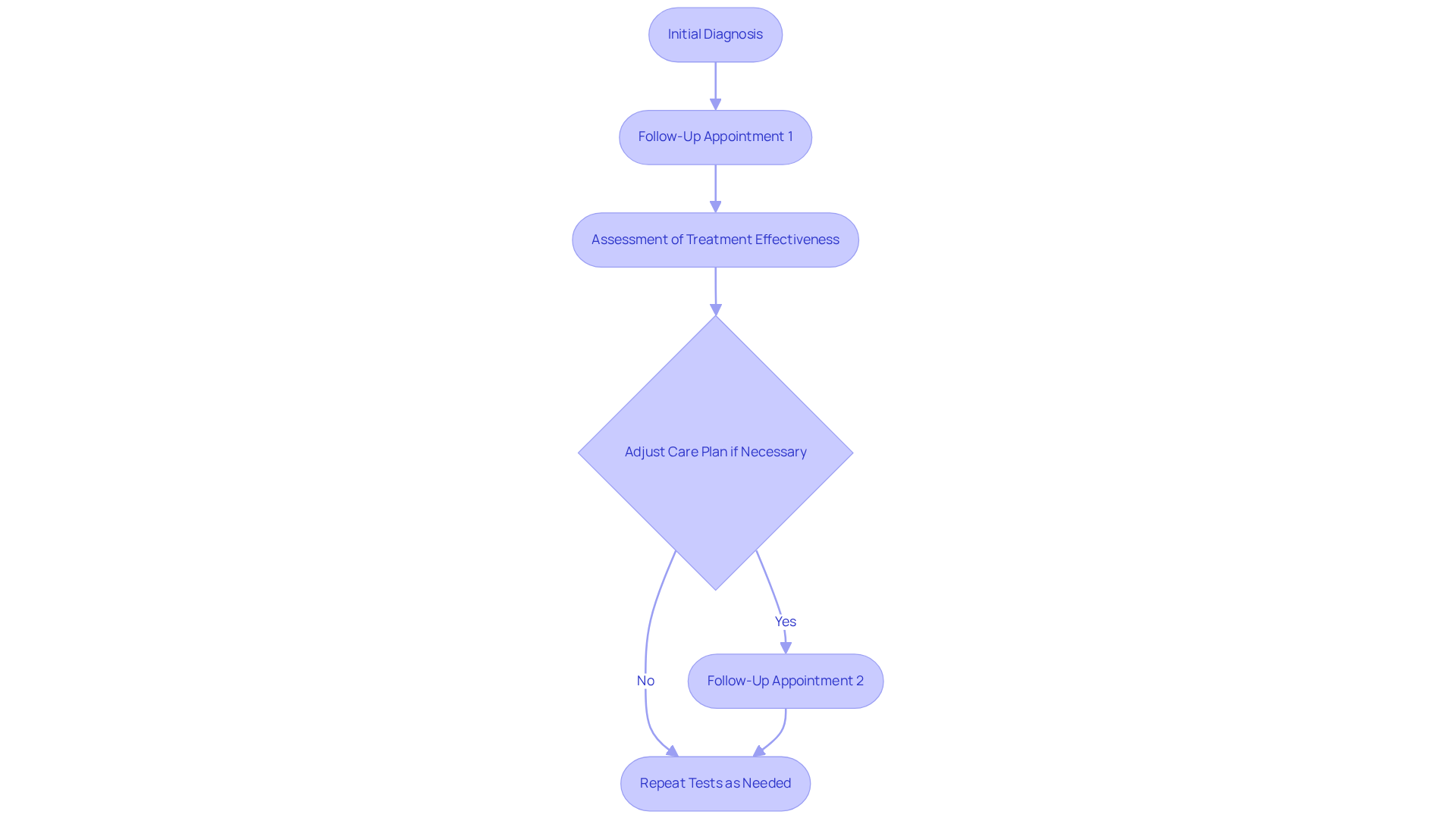
If you're concerned about your heart health, it's important to bring up regarding effective ways to at home. Tools like , pulse apps, and symptom journals can empower you to take an active role in managing your health. For example, provide essential data, especially since is the leading cause of hospital admissions for those over 65, with a staggering 70% of its annual costs tied to hospital stays. Heart rate applications can also help you keep an eye on fluctuations that might require medical attention.
Real-world examples show just how beneficial these technologies can be. In a recent pilot program, individuals using reported significant improvements in their well-being, with wellness scores rising from 65 to 72 out of 100. This proactive approach not only boosts your awareness but also encourages meaningful discussions, including key during follow-up appointments, leading to better health outcomes.
The best devices for tracking your cardiovascular health at home include:
Additionally, consider the , which are crucial for identifying risk factors and developing personalized strategies to reduce the chances of a cardiac event. By embracing these technologies and services, you can take charge of your cardiovascular wellness, ensuring timely interventions and a better quality of life.

It's essential for patients to have open discussions with their cardiologist, focusing on the about the . By focusing on potential complications and the effectiveness of various , patients can gain a clearer understanding of their prognosis. This knowledge empowers them to make informed decisions about their lifestyle and treatment plans, ultimately leading to .
Consider this: untreated , particularly in older adults. The risk of hospitalization and mortality increases significantly in this population. In fact, in 2021, cardiac failure was linked to over 425,000 deaths, accounting for 45% of cardiovascular-related fatalities. This statistic underscores the urgent need for prompt intervention.
Real-world examples show just how effective can be. For instance, individuals receiving guideline-directed medical treatment for cardiovascular failure with reduced ejection fraction often experience improved survival rates. Yet, it's concerning that only about 15% of newly diagnosed cases received from 2021 to 2023. This gap highlights the importance of proactive management and sticking to treatment plans.
Cardiologists emphasize that with cardiovascular conditions. As one specialist noted, "Enhancing your cardiovascular condition is achievable, but it demands a united effort." This sentiment is backed by statistics indicating that lifestyle changes can prevent up to 80% of cardiovascular disease and stroke cases.
In summary, discussing and understanding the prognosis with a cardiologist includes exploring the , which is vital for effectively managing heart health. Patients who are informed and actively engaged in their care are more likely to achieve better outcomes and enhance their quality of life. So, why not take that step today? Reach out to your cardiologist and start the conversation by asking important about your heart health.

Understanding heart health is a journey that requires open communication with your healthcare provider. Have you ever thought about how engaging with a cardiologist can lead to personalized insights that truly impact your well-being? By addressing your concerns about test results, risk factors, treatment options, and lifestyle changes, you can take meaningful steps toward better heart health.
Key discussions might include:
Ultimately, taking charge of your heart health requires both knowledge and action. By fostering a collaborative relationship with your cardiologist and asking the right questions, you can navigate your cardiovascular journey with confidence. Embracing this proactive approach not only empowers you but also significantly improves your long-term health outlook. So, why not start these important conversations today? It could pave the way for a healthier tomorrow.
What do recent test results reveal about my heart health?
Recent test results provide insights into your cardiovascular health, particularly regarding cholesterol levels and blood pressure. It's important to discuss these results with your cardiologist to understand their implications for your overall well-being.
What cholesterol levels are considered healthy?
A total cholesterol level below 200 mg/dL is considered desirable, while levels above 240 mg/dL may require intervention.
How important is blood pressure monitoring?
Blood pressure is crucial to monitor, especially for older adults, with an average range typically around 120/80 mmHg. Consistently high blood pressure can lead to serious complications, making regular monitoring essential.
How can lifestyle changes impact heart health?
Lifestyle changes, such as adopting a plant-based diet or increasing physical activity, can significantly lower the risk of heart disease and improve cardiovascular health.
What role do emotions play in cardiovascular health?
Emotional well-being is important for heart health, as negative emotions can affect cardiovascular conditions. Discussing outcomes with your cardiologist can help address these concerns.
What risk factors should I consider for heart disease?
Key risk factors include family history, lifestyle choices, and current health issues such as diabetes or hypertension.
How does Amavita Heart and Vascular Health® approach heart disease prevention?
Amavita offers personalized prevention strategies through thorough cardiac assessments, advanced evaluation tools, and customized interventions, focusing on lifestyle changes and regular screenings.
When should I seek urgent care for heart-related symptoms?
You should seek urgent care if you experience severe symptoms like chest pain, shortness of breath, or fatigue, especially if accompanied by alarming signs such as pain radiating to the arm or jaw.
Why is it important to understand my symptoms and seek care?
Understanding your symptoms and knowing when to seek care can help manage cardiovascular health effectively and prevent complications, especially for those with risk factors like high blood pressure or diabetes.