


In a time when our dietary choices can greatly influence cardiovascular health, understanding the essentials of a heart-healthy diet is more important than ever. This article shares ten vital tips designed to simplify meal planning and empower you to make informed choices for your well-being. But with so much conflicting information out there, how can you find the most effective strategies to adopt? Exploring these actionable insights can help clarify your path toward better heart health, providing the support you need on this journey.
Managing portion sizes can feel overwhelming, but there are simple steps you can take to make it easier. One effective strategy is to use smaller plates and bowls. This can create the perception of a fuller meal, helping you feel satisfied while controlling portions. Try to fill half your plate with a colorful variety of vegetables and fruits - aim for about 2 to 3 cups. Then, dedicate one quarter to lean proteins and the last quarter to whole grains, which should be around 5 to 8 ounces. This balanced approach not only helps regulate calorie intake but also ensures you're getting essential nutrients.
It's also important to be mindful of serving sizes, especially when dining out. Did you know that you can use your hand as a guide? A clenched fist can represent one cup of pasta or rice, while your palm can help estimate meat portions. These little tricks can make a big difference in managing how much you eat.
Practicing mindful eating is another wonderful way to enhance portion control. Take your time to savor each bite and try to avoid distractions during meals. This not only supports your portion management but also contributes to your overall cardiovascular health, which you can learn more about in a heart healthy diet pdf. By adopting these strategies, you can significantly lower your risk of cardiovascular disease while enjoying the nutritious options outlined in a heart healthy diet pdf.
Furthermore, the 2026 Dietary Guidelines for Americans highlight the importance of whole foods and reducing reliance on highly processed products. This reinforces the value of the portion management techniques we've discussed. Remember, you're not alone in this journey; taking small steps can lead to big changes in your health.

Are you striving to take care of your heart? Aiming for at least five portions of fruits and vegetables each day can truly make a difference in promoting cardiovascular well-being. By including a colorful variety, you not only enhance nutrient absorption but also enjoy the unique wellness benefits that different fruits and vegetables offer. Whether fresh, frozen, or canned (just watch out for added sugars or sodium), all options can be beneficial.
Leafy greens like spinach and kale are particularly valuable. They’re packed with vitamins and minerals that support heart health. And if you’re looking for a delicious and convenient way to boost your intake, smoothies can be a fantastic option! Blending various fruits and vegetables into a nutrient-rich drink is not only tasty but also an easy way to meet your daily goals.
Recent research shows that consuming up to ten portions daily can significantly lower the risk of cardiovascular issues by 24%, stroke by 33%, and other heart-related diseases by 28%. Isn’t that encouraging? Successful programs aimed at increasing fruit and vegetable consumption among older adults have shown promising results, highlighting how community initiatives can play a vital role in promoting healthier dietary habits.
Remember, taking small steps towards a healthier diet can lead to big changes in your overall well-being. You’re not alone in this journey; support is available, and every effort counts!

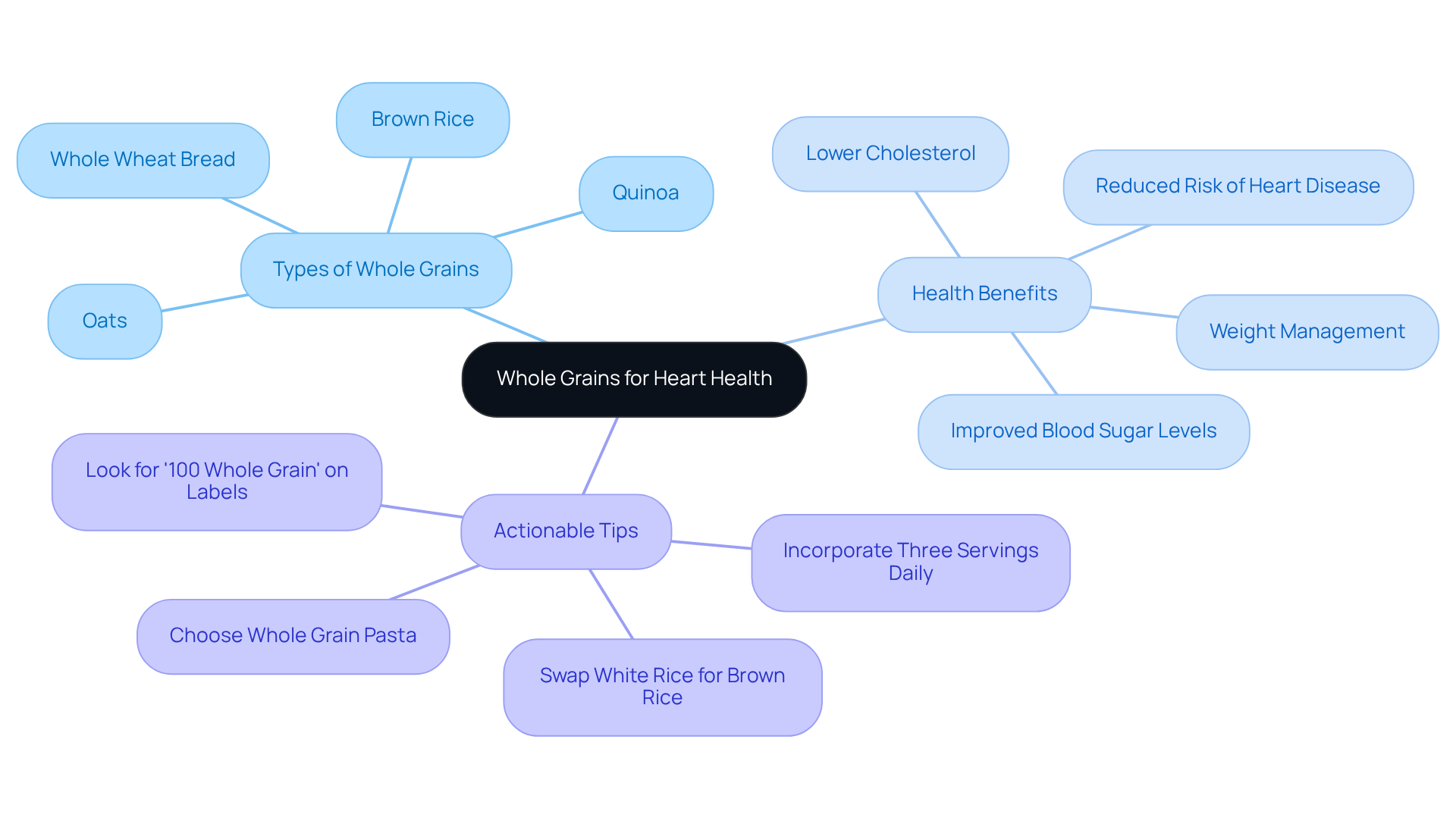
Choosing whole grain alternatives like brown rice, quinoa, whole wheat bread, and oats can truly enhance your heart health. These grains are packed with fiber, which is essential for lowering cholesterol and keeping your blood pressure in check. Research shows that a diet rich in whole grains can significantly lower the risk of heart disease, especially for older adults. In fact, enjoying more whole grains is linked to a reduced risk of Type 2 diabetes, heart disease, and even weight gain.
When you’re out shopping, look for products that list whole grains as the first ingredient. This simple step ensures you’re making nutritious choices for yourself. You might consider:
These small changes can easily bring these beneficial grains into your meals.
Such dietary adjustments, as detailed in the heart healthy diet pdf, have proven effective in managing cholesterol and boosting overall heart health, making them essential for a lifestyle that supports cardiovascular wellness. As nutritionists often remind us, "A diet rich in whole grains helps prevent type 2 diabetes by improving blood sugar levels and insulin sensitivity." By incorporating at least three servings of whole grains into your daily routine, you can help keep your waist size, blood pressure, and blood sugar levels in check over time.
To enhance your heart health, it’s important to cut back on saturated fats often found in red meat, whole dairy products, and processed foods. The American Heart Association suggests keeping saturated fat to less than 10% of your total daily calories - about 120 calories or less in a 2,000-calorie diet. Trans fats, commonly found in fried foods and baked goods, should be avoided entirely, as they can significantly raise LDL cholesterol levels, increasing the risk of heart disease.
Instead, focus on healthier oils from sources like avocados, nuts, seeds, and olive oil. These unsaturated fats not only help lower harmful cholesterol levels but also provide essential fatty acids that support overall heart health. Research shows that incorporating these oils can lead to better cardiovascular outcomes, making them a vital part of a heart healthy diet.
For older adults, effective ways to reduce saturated and trans fats include:
A study by Yutang Wang and colleagues with 65 older adults found that those who adopted these strategies reduced their fat intake from an average of 44.3% to 25.9% of their total energy intake over five years. This demonstrates how tailored nutrition education can guide individuals toward sustainable dietary changes.
Making these dietary adjustments can have a profound impact on heart health. As Anna Debenham, a certified dietitian, points out, "These substances help lessen the risk of heart disease and decrease cholesterol levels when they replace trans and saturated fats in the diet." By focusing on healthier fat sources and minimizing harmful ones, you can take meaningful steps toward improving your cardiovascular health.

Incorporating lean proteins into your meals can be a wonderful step towards better health. Think about options like skinless poultry, fish, legumes, and low-fat dairy. These choices not only provide essential nutrients but also help you avoid the saturated fats often found in higher-fat meats. For example, fatty fish like salmon and mackerel are not just low in fat; they’re also rich in omega-3 fatty acids, which are great for your heart. They can help reduce blood triglyceride levels and lower the risk of cardiovascular disease. Did you know that the American Heart Association suggests enjoying fish at least twice a week? This can really help you reap the benefits of those heart-healthy omega-3s.
Furthermore, mixing in a variety of protein sources, such as roast chicken or canned tuna instead of processed meats, ensures you’re getting a balanced intake of nutrients. This is especially important for maintaining overall well-being, particularly for older adults. Lean proteins play a crucial role in muscle maintenance and repair, which is vital for staying active. By prioritizing these heart-friendly choices, as suggested in the heart healthy diet pdf, you can enhance your dietary plan and support your cardiovascular health effectively. Remember, taking these small steps can lead to significant improvements in your overall health and well-being.

To promote your heart health, it’s important to keep sodium intake below 2,300 mg each day-less if you have high blood pressure. High sodium diets can raise blood pressure, increasing the risk of heart disease and stroke. Studies show that cutting back on sodium can lead to significant improvements in blood pressure, making it essential to manage your diet if you’re dealing with hypertension.
So, how can you lower your sodium intake? Start by focusing on fresh ingredients and cutting down on processed foods, which often contain a lot of salt. You can enhance the flavor of your meals with herbs and spices instead. For example:
These can make your dishes delicious while keeping sodium levels in check.
Another helpful strategy is to read nutrition labels. By checking the sodium content in packaged foods, you can make informed choices and opt for items labeled as 'low sodium,' 'reduced sodium,' or 'no salt added.' This is especially beneficial for older adults who may find it challenging to manage their dietary intake.
Successful programs aimed at helping older adults manage sodium intake have shown that education and support from registered dietitians can make a real difference. These professionals can assist you in finding low-sodium products and developing healthier eating habits. As the FDA continues to promote sodium reduction, staying updated on the latest research and recommendations is crucial for maintaining your heart health.

Creating a weekly meal schedule that includes a variety of items from all categories is essential for maintaining your heart health. This structured approach not only helps you organize your meals but also encourages healthier choices. Have you thought about how a colorful mix of fruits, vegetables, whole grains, and lean proteins can make each meal more enjoyable and balanced? Studies show that those who plan their meals tend to stick to dietary guidelines better and enjoy a wider variety of foods, which can significantly boost your overall well-being.
Preparing meals ahead of time can save you precious moments during your busy week and reduce the temptation to reach for unhealthy convenience options. For added ease, consider using meal prep services or apps that can assist you with planning and grocery shopping. These tools can simplify the process, making it easier for you to stick to a heart healthy diet pdf while ensuring your nutritional needs are met effectively.
As a registered dietitian nutritionist emphasizes, focusing on whole, nutrient-rich foods while limiting processed options is vital for your heart health. Remember, you’re not alone in this journey; there are resources and support available to help you make these positive changes.

Indulging in occasional treats can truly be a delightful part of a heart healthy diet, especially when approached mindfully. The key here is moderation. Instead of cutting out your favorite items entirely, think about managing portion sizes. For example, if chocolate is your weakness, why not opt for a small piece of dark chocolate instead of a larger bar? This way, you can savor the flavors you love while nurturing a positive relationship with food.
Nutritionists often highlight that enjoying treats in moderation can actually enhance your ability to stick to the guidelines outlined in a heart healthy diet. As Evelyn Tribole wisely puts it, "If you don’t love it, don’t eat it, and if you love it, savor it." It’s all about finding that balance that satisfies your cravings while also promoting your cardiovascular well-being, as outlined in the heart healthy diet.
Furthermore, adding more vegetables to your diet can significantly lower the risk of ischemic cardiovascular disease. So, while you indulge in treats, remember to focus on nutrient-dense foods as well. This balanced approach not only supports your heart but also is outlined in the heart healthy diet, allowing you to enjoy life’s little pleasures.

Consulting with a healthcare provider or a registered dietitian is a crucial step in creating a dietary plan that truly fits your unique wellness needs. At Amavita, we understand that each individual has their own medical history, lifestyle, and personal preferences, which is why we prioritize tailored nutritional guidance. This personalized approach empowers you to make informed dietary choices that not only support your cardiovascular health but also enhance your overall well-being.
Have you ever felt overwhelmed by dietary recommendations? You’re not alone. Studies show that customized dietary plans significantly improve adherence to nutritional advice, especially among older patients, leading to better health outcomes. For example, participants in our Personalized Dietary Program (PDP) experienced a mean change in triglycerides of -0.21 mmol/l, highlighting the effectiveness of our tailored plans.
By focusing on personalized nutrition, along with our advanced imaging and minimally invasive techniques, Amavita is dedicated to reducing the risks associated with cardiovascular diseases. Each meal you enjoy can play a positive role in your wellness journey. We’re here to support you every step of the way.
Our commitment to innovative cardiovascular care makes Amavita a leader in providing compassionate and effective solutions for your heart health. Remember, you’re not just a patient; you’re a valued individual, and we’re here to help you thrive.
Striving for a balanced lifestyle is essential for your heart health. This means embracing a heart-healthy diet, engaging in regular physical activity, and practicing effective stress management techniques. Did you know that the American Heart Association suggests at least 150 minutes of moderate-intensity aerobic activity each week? Activities like brisk walking, swimming, or cycling can make a big difference.
In addition to this, integrating relaxation methods such as yoga or meditation can be incredibly beneficial for managing stress, which is a known risk factor for cardiovascular issues. At Amavita Heart and Vascular Health®, we truly understand the importance of routine preventive care. This proactive approach can help identify concerns like high blood pressure, elevated cholesterol, and early signs of chronic disease.
Our comprehensive cardiac evaluations and personalized care strategies are designed with your well-being in mind. They can significantly reduce the risk of heart attacks, especially for those who may be at higher risk. Remember, even small, consistent changes can lead to meaningful improvements in your overall cardiovascular health. We’re here to support you every step of the way.

Embracing a heart-healthy diet is a vital step toward nurturing your cardiovascular wellness. By focusing on essential practices like:
you can significantly lower your risk of heart disease. This comprehensive approach not only boosts your nutrient intake but also fosters a balanced lifestyle that supports heart health.
Key strategies to consider include:
Each of these elements plays a crucial role in maintaining cardiovascular health. Remember, small, consistent changes can lead to meaningful improvements in your well-being. Seeking personalized dietary guidance can further enhance the effectiveness of these strategies, ensuring your choices align with your unique health needs.
Ultimately, the journey to heart health is a collective effort. It involves not just dietary changes but also regular physical activity and stress management. By prioritizing these practices and utilizing available resources, you can make significant strides toward a healthier heart. Engaging in this proactive approach can pave the way for a vibrant life, highlighting the importance of nurturing your health through informed dietary choices and lifestyle habits.
So, why not take that first step today? Your heart deserves the best care, and you’re not alone on this journey.
Why is controlling portion sizes important for heart health?
Controlling portion sizes is important for heart health as it helps regulate calorie intake and ensures you get essential nutrients, which can lower the risk of cardiovascular disease.
What strategies can help manage portion sizes?
Effective strategies include using smaller plates and bowls, filling half your plate with vegetables and fruits, dedicating one quarter to lean proteins, and the last quarter to whole grains.
How can I estimate serving sizes when dining out?
You can use your hand as a guide: a clenched fist represents one cup of pasta or rice, while your palm can estimate meat portions.
What is mindful eating and how does it help with portion control?
Mindful eating involves savoring each bite and avoiding distractions during meals, which supports portion management and contributes to overall cardiovascular health.
How many portions of fruits and vegetables should I aim for daily?
You should aim for at least five portions of fruits and vegetables each day to promote cardiovascular well-being.
What types of fruits and vegetables should I include in my diet?
Include a colorful variety of fruits and vegetables, such as leafy greens like spinach and kale, to enhance nutrient absorption and enjoy their unique health benefits.
Can smoothies help increase my fruit and vegetable intake?
Yes, smoothies are a convenient and tasty way to boost your intake of fruits and vegetables, helping you meet your daily goals.
What are the benefits of consuming whole grains for heart health?
Whole grains are rich in fiber, which helps lower cholesterol and blood pressure, and reduces the risk of heart disease and Type 2 diabetes.
How can I identify whole grain products when shopping?
Look for products that list whole grains as the first ingredient to ensure you are making nutritious choices.
How many servings of whole grains should I aim to include in my daily diet?
Aim for at least three servings of whole grains daily to help manage cholesterol, blood pressure, and blood sugar levels.