


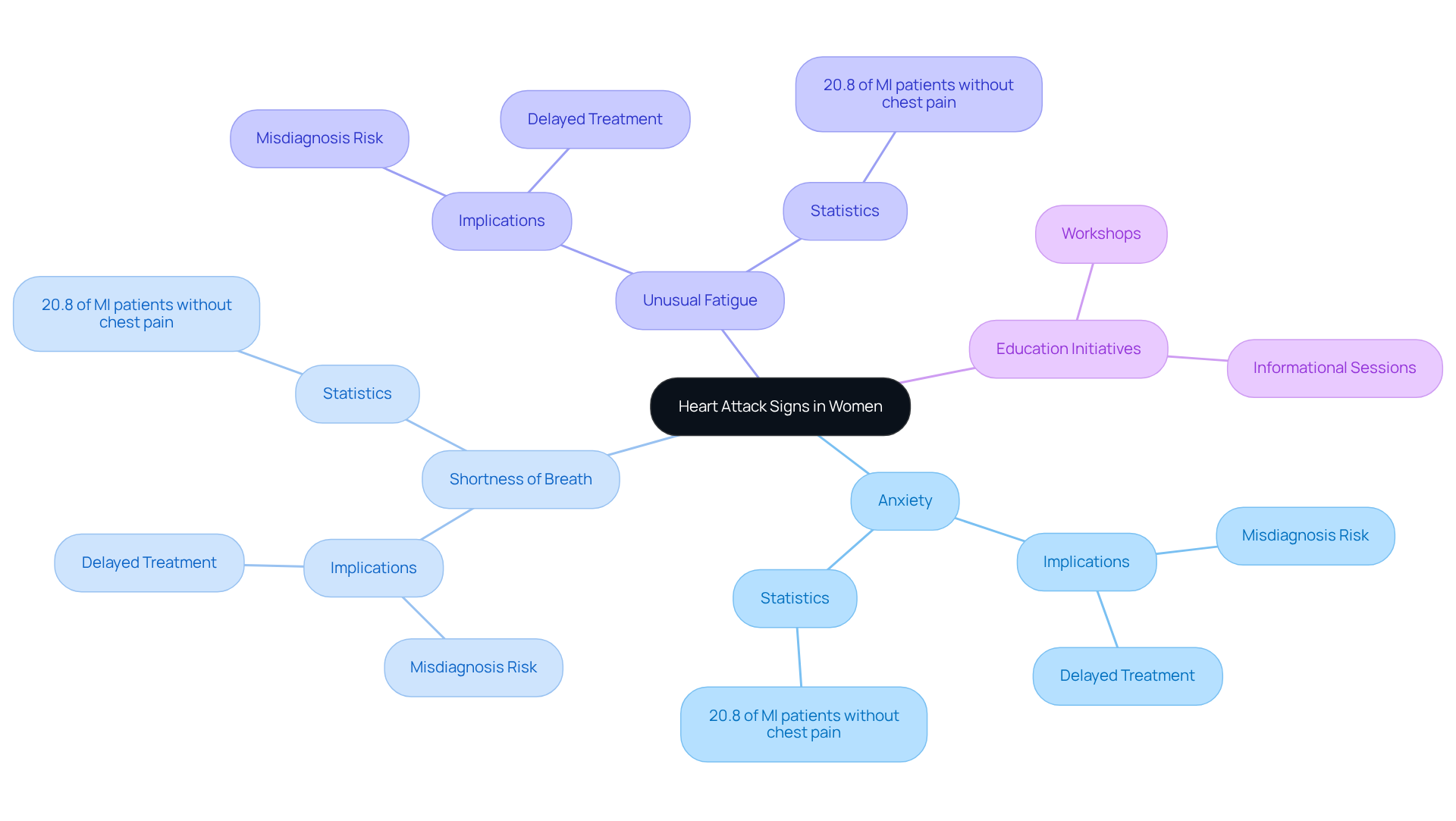
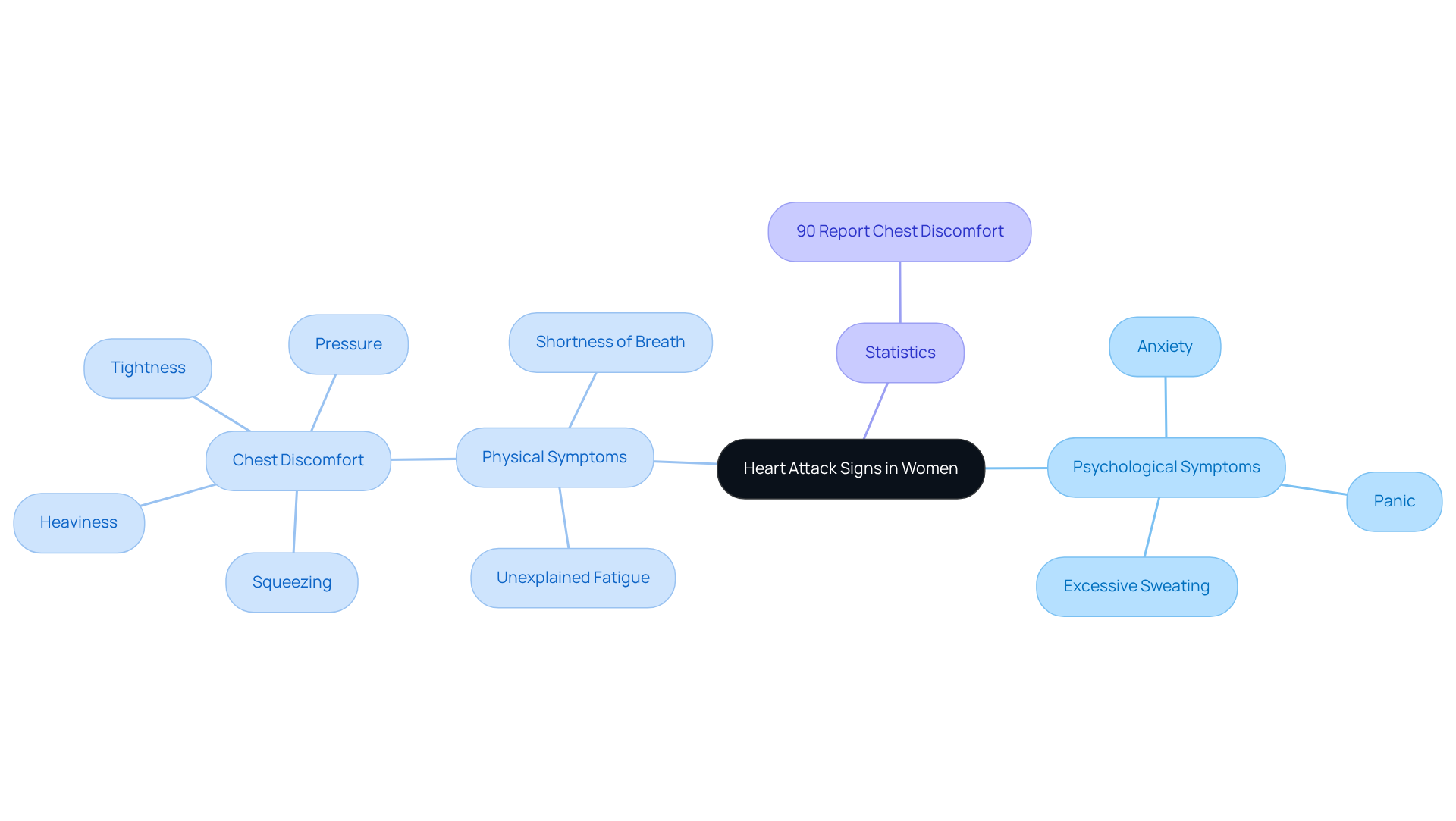
Recognizing the signs of a heart attack can be a lifesaving skill, especially for women. It's important to understand that their symptoms often diverge from the classic indicators typically associated with men. Research highlights that many women may experience subtle yet significant signs such as:
These symptoms can easily be overlooked or misattributed to other causes.
This article delves into the unique heart attack signs for women, particularly focusing on the elderly. By raising awareness of these atypical symptoms, we can empower women to take charge of their heart health. How can understanding these signs ensure they receive the care they need? With timely intervention, we can make a difference in their health journey.
At Amavita Heart and Vascular Health®, we understand the importance of being aware of the unique for women, particularly among our elderly population. It’s crucial to recognize that women often display , including:
These symptoms can lead to misdiagnosis and delayed treatment, which is concerning. A recent study revealed that 20.8% of myocardial infarction patients did not present with chest pain, highlighting the prevalence of atypical manifestations in this group.
Cardiologists emphasize the necessity of , as . To support this, we have established effective through Amavita's . Our goal is to improve awareness of among older women, ensuring they feel empowered to seek help promptly.
These programs include:
We integrate advanced risk assessment tools and personalized preventive strategies to provide comprehensive support. By fostering this understanding and offering thorough , we aim to empower our patients and reduce the risks associated with heart disease.
If you or someone you know experiences these signs, please remember that seeking medical assistance promptly is essential. Your health and well-being are our top priorities, and we are here to every step of the way.
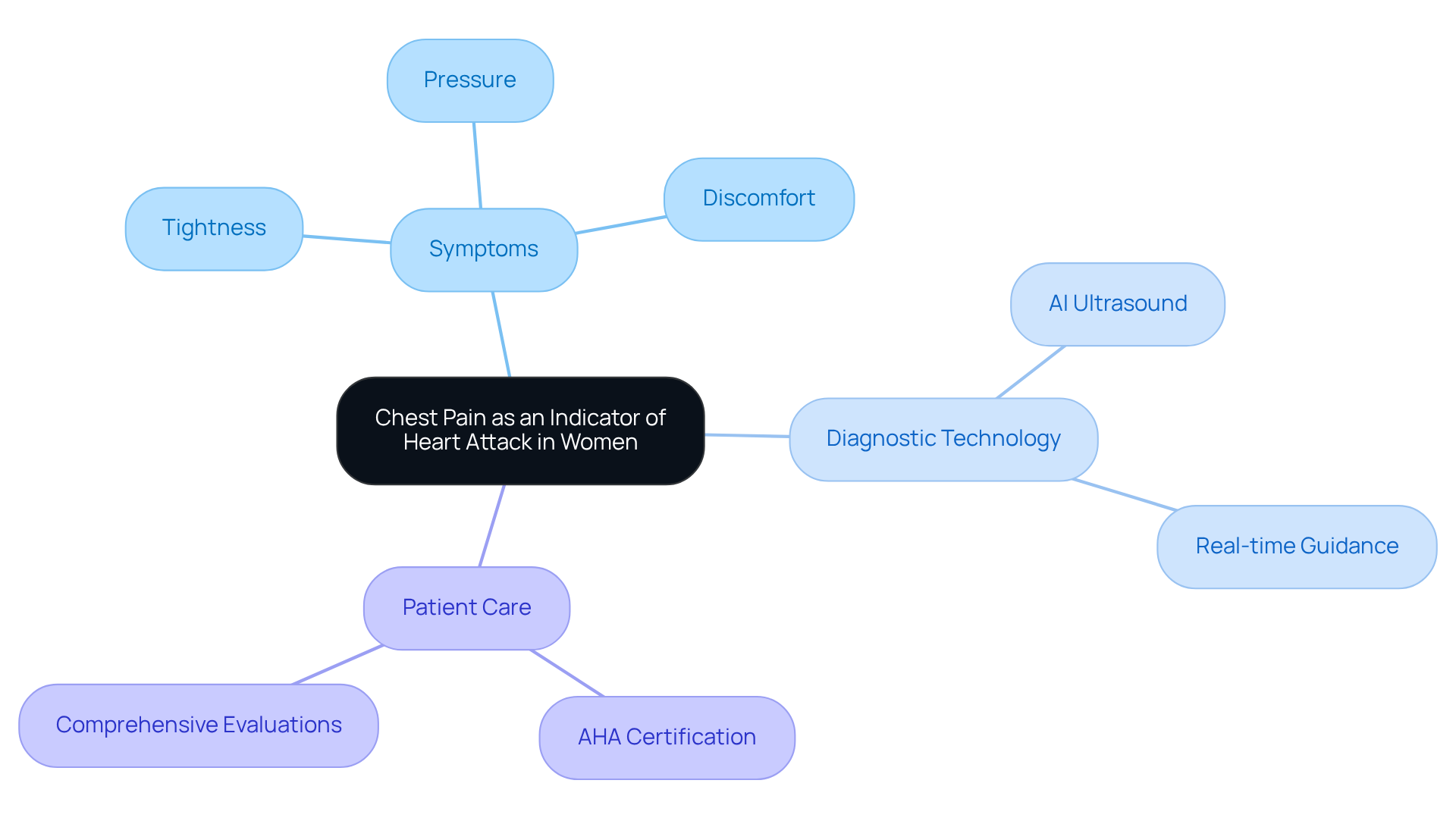
For many women, chest pain may not feel like the classic 'crushing' sensation often depicted in media, making it important to recognize the . Instead, it can present as a tightness, pressure, or discomfort in the center of the chest. This indication may persist for several minutes or fluctuate. Recognizing this as a possible sign of is crucial for obtaining prompt medical assistance.
At Amavita Heart and Vascular Health®, we understand how concerning these symptoms can be. Our innovative plays a vital role in enhancing . Using a portable, FDA-cleared AI ultrasound, we provide real-time guidance for accurate imaging. This allows for a rapid assessment of heart structure and function, ensuring you receive the care you need without delay.
Furthermore, our AHA certification guarantees adherence to , significantly improving patient outcomes and reducing hospital readmissions. We also offer to help identify risk factors, especially for elderly patients who may have conditions such as high blood pressure or diabetes.
Identifying the and pursuing prompt assessment can lead to that ultimately preserve lives. Remember, you are not alone in this journey; we are here to support you every step of the way. Your health is our priority, and together, we can ensure a .
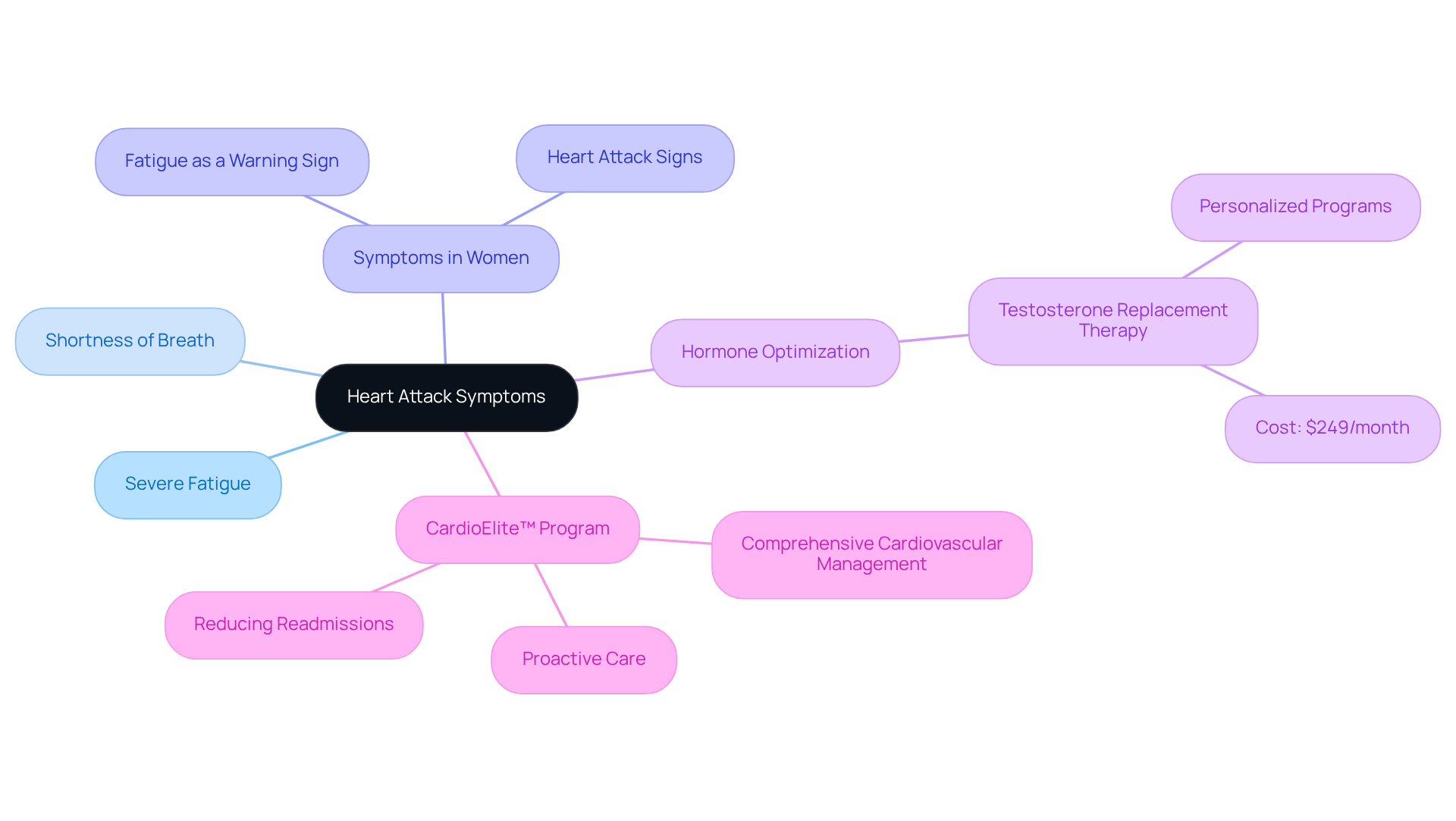
Many individuals experience severe fatigue or shortness of breath, even during simple daily activities. These symptoms, often dismissed as signs of aging or stress, can appear days or weeks before a cardiac event and may include . It is crucial for elderly women to recognize that such fatigue can be one of the and should not be overlooked.
At Amavita, we understand the vital link between . Our , starting at just $249/month, aim to address these concerns, offering flexible options that can enhance your overall well-being.
Furthermore, our provides , ensuring that you receive proactive care that can help . Recognizing is the first step towards taking charge of your cardiovascular health. We’re here to support you every step of the way.
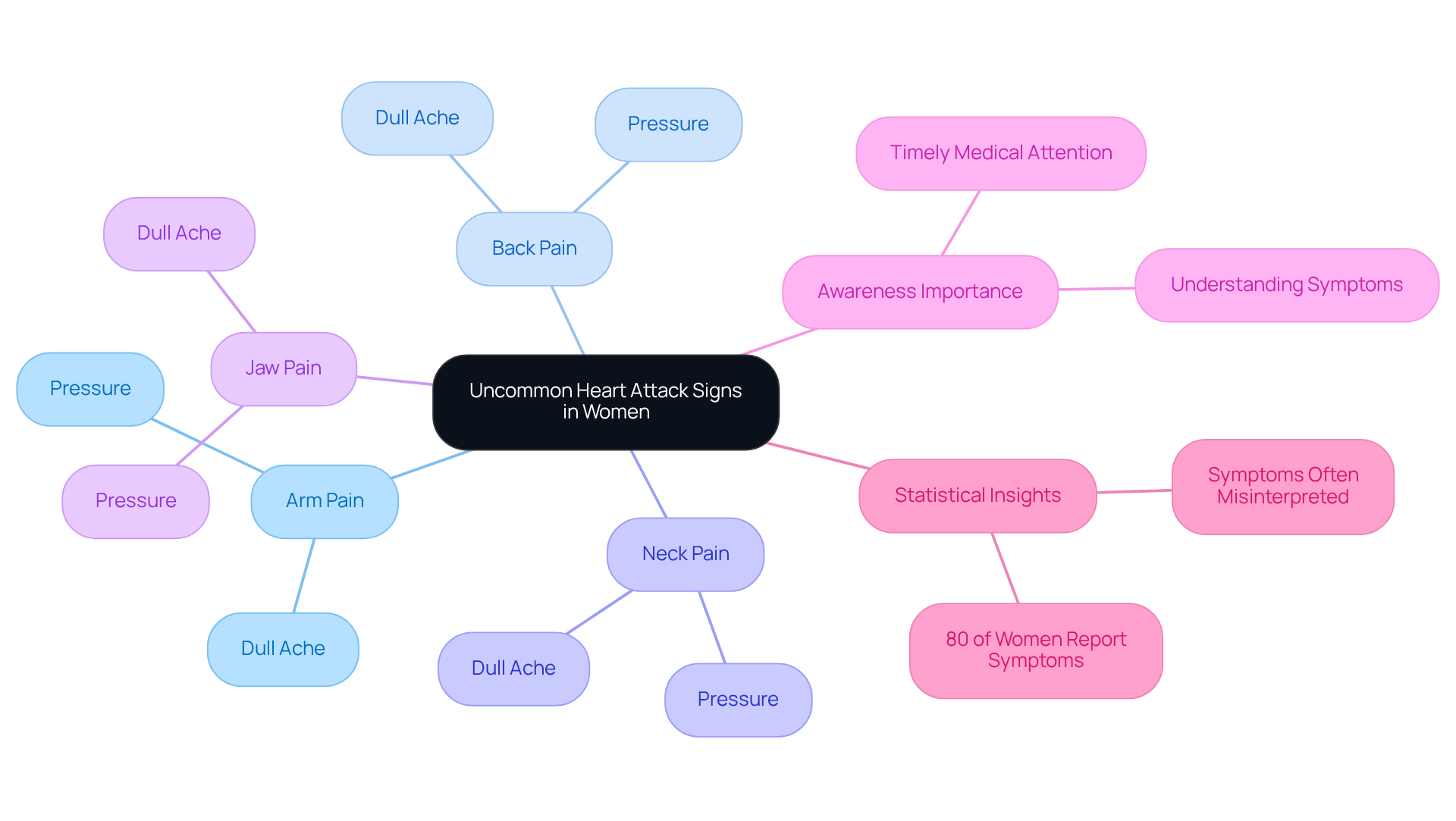
During a , many women may experience , including discomfort not only in their chest but also in their arms, back, neck, or jaw. This pain often presents itself as a rather than a sharp pain, which can lead to confusion and delay in seeking medical assistance.
Have you ever felt something unusual and wondered if it could be serious? Studies indicate that numerous women describe these , sometimes weeks before a cardiac event occurs. For instance, research found that nearly 80% of women reported experiencing , four weeks prior to their cardiac event.
Recognizing these indicators is crucial, especially for older individuals who may not immediately associate them with heart issues. It’s important to understand that can manifest differently compared to men, and this awareness can lead to prompt intervention and .
Case studies highlight that women often misinterpret as unrelated issues, like muscle strain or stress, which can result in .
Therefore, being aware of these can empower individuals to seek , potentially saving lives. Remember, your health matters, and reaching out for support is a brave and vital step.
During a cardiovascular event, many women may experience significant feelings of anxiety or panic, often accompanied by excessive sweating. It's important to understand that these can be mistaken for anxiety disorders or panic attacks, which can lead to misdiagnosis. Research indicates that psychological issues frequently arise during in women, highlighting the need to recognize these symptoms. For older women, recognizing that feelings of anxiety and sweating can be is crucial and should prompt immediate medical attention.
Did you know that approximately 90% of both women and men report ? This often occurs alongside these psychological symptoms. Case studies reveal that sudden sweating, particularly when paired with chest discomfort, is one of the that indicate a cardiac event. Recognizing this combination can be vital for . Additionally, experiencing , especially when it interferes with daily activities, can serve as a warning sign. For instance, if you find yourself struggling to catch your breath while grocery shopping, this should not be ignored.
At Amavita Heart and Vascular Health®, we emphasize the importance of . We utilize advanced risk evaluation tools and personalized interventions to examine and develop strategies aimed at reducing the risk of cardiovascular events. It is essential for women to be aware of , as well as other psychological and physical signs, since they can play a critical role in distinguishing between a panic episode and a cardiac event, ultimately leading to better health outcomes.
To enhance your cardiac health, we invite you to schedule a thorough evaluation with us. Together, we can identify your and create a that supports your well-being.
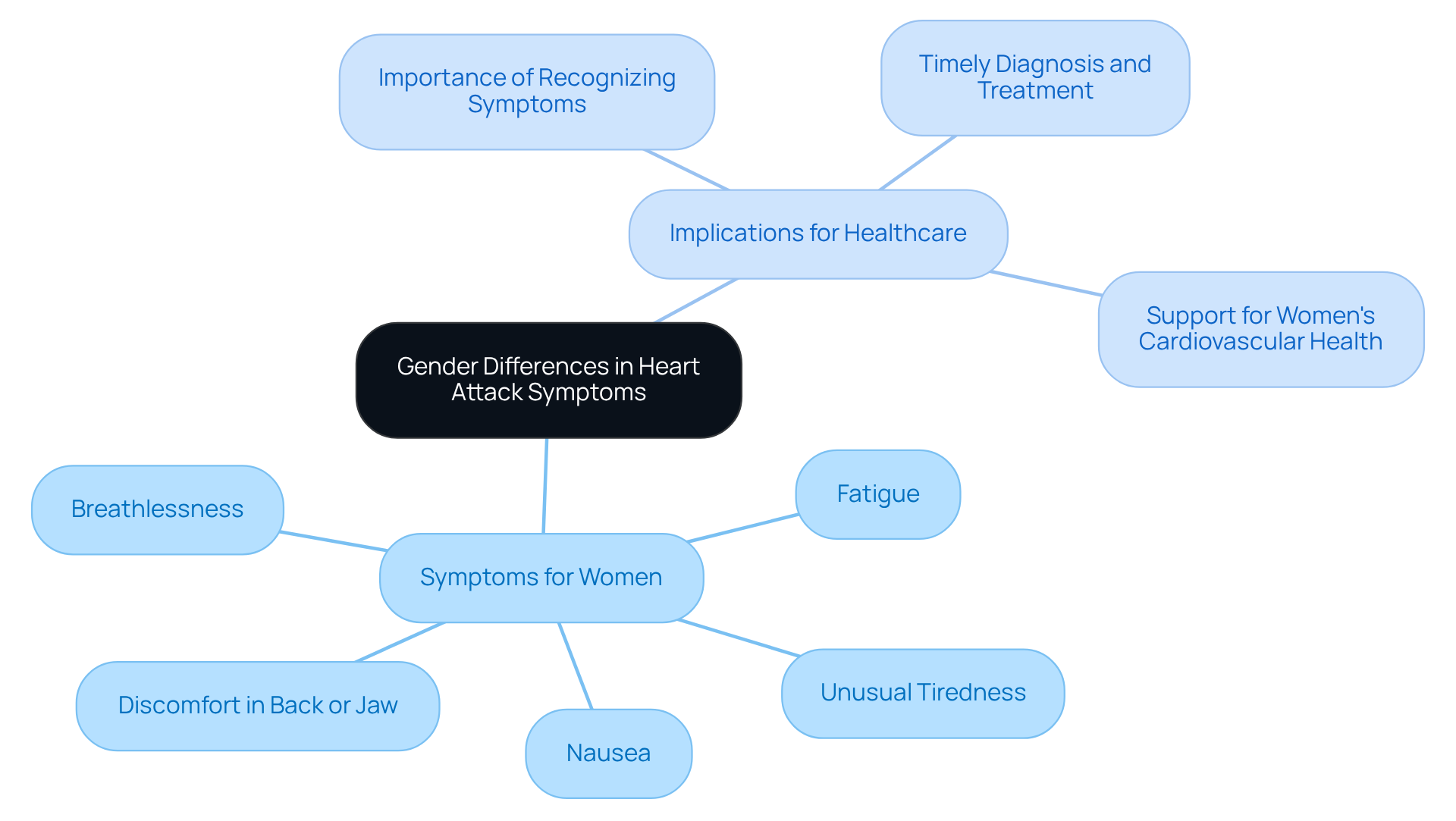
Studies indicate that females often display unique , which can differ significantly from those seen in males. While males typically present with the classic indication of chest pain, females are more likely to experience , which include , nausea, and discomfort in the back or jaw. This variation in symptoms is essential for both healthcare professionals and patients to recognize, particularly the , especially for older females who may not exhibit the usual indicators of a .
In addition to this, research has shown that many females report , including breathlessness and unusual tiredness, which can easily be overlooked or misattributed to other health concerns. It's important to understand these distinctions in heart attack signs for women, as recognizing them can lead to . By being aware of heart attack signs for women, we can better support their and .
If you or someone you know is experiencing these symptoms, please reach out for support. You are not alone, and there are you navigate these concerns. Your health matters, and is a vital step towards ensuring your well-being.
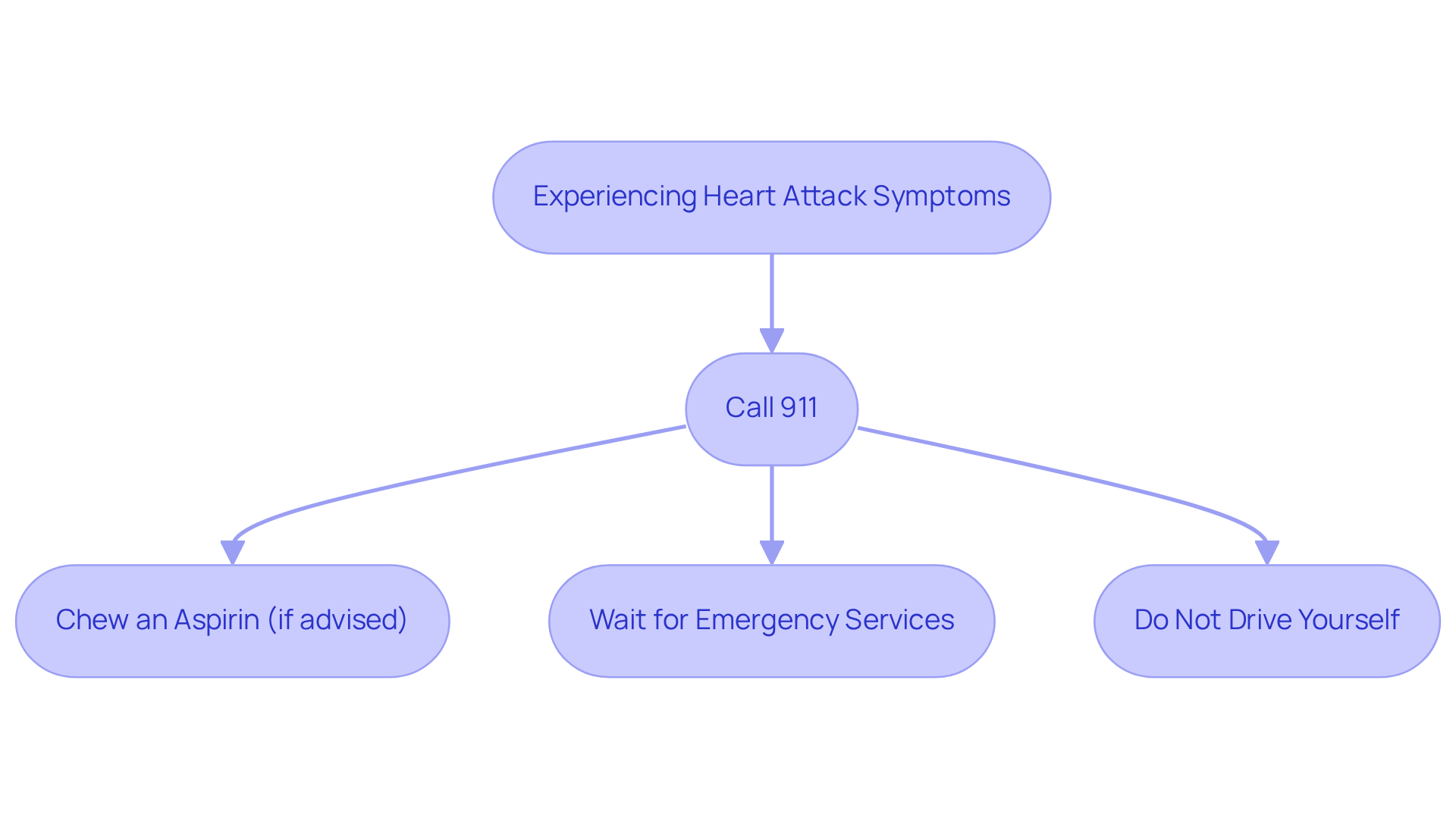
If you or someone you know is showing signs of a , it’s crucial to respond quickly. Please call 911 right away and chew an aspirin if advised. Remember, do not drive yourself to the hospital; waiting for emergency services can significantly improve outcomes. It’s alarming to note that every 40 seconds, someone in the United States suffers a , which underscores the . Recognizing the —such as chest pain, shortness of breath, unusual fatigue, and nausea—is vital, especially for those who may experience atypical symptoms.
At , we emphasize the importance of thorough and preventive measures to reduce the risk of . Under the compassionate leadership of Dr. Pedro Martinez-Clark, we ensure that and are part of your health journey. Your can be lifesaving in a cardiac emergency. Always keep emergency numbers close at hand, and don’t hesitate to discuss your cardiovascular health with your healthcare provider. We are here to support you every step of the way.
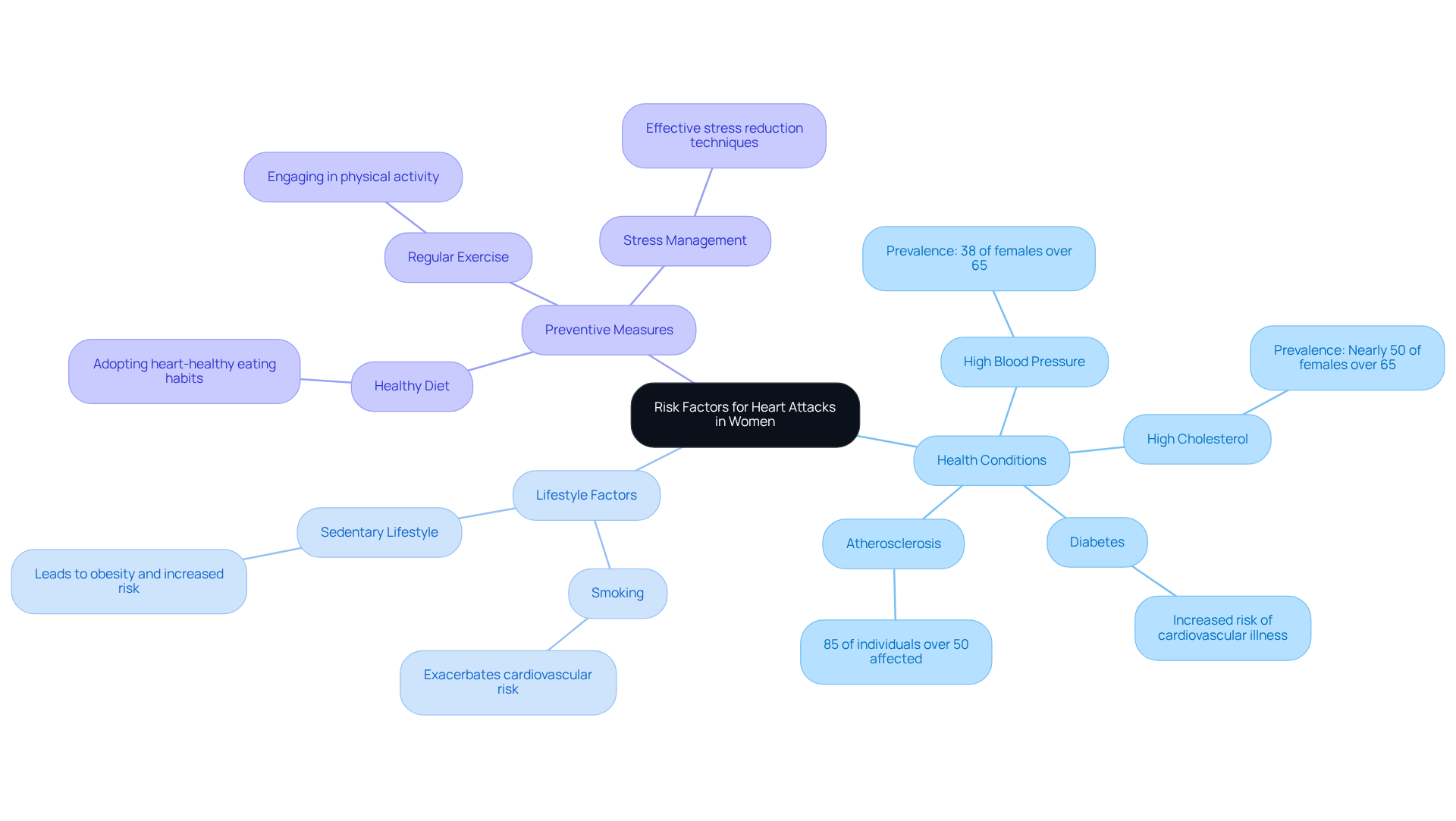
As older females navigate their health, they may encounter various significant risk factors associated with , which can increase their likelihood of experiencing a cardiac event. are notably common in this demographic, with around 38% of females over 65 living with hypertension and nearly 50% facing elevated cholesterol levels. These conditions can lead to , a process where plaque builds up in the arteries, narrowing them and restricting blood flow.
Age plays a crucial role as well; as females grow older, their chances of developing rise significantly. In fact, is the leading cause of death among females, accounting for 1 in 5 fatalities in the U.S. Additionally, approximately 85% of individuals over 50 have some form of atherosclerotic coronary disease, many of whom may not show any symptoms.
Other contributing factors include:
Research indicates that women with diabetes face a heightened risk of , and smoking exacerbates this danger. Moreover, physical inactivity can lead to obesity, which is another significant risk factor for cardiovascular incidents.
Cardiologists stress the importance of being aware of . As one specialist noted, " is vital; timely actions can save lives." This sentiment is echoed in numerous studies that highlight the necessity for proactive measures, such as and lifestyle changes, to alleviate these risks.
Amavita's provides a comprehensive approach to cardiovascular management, equipping patients with advanced, real-time diagnostic data and 24/7 cardiology consultation. This proactive strategy not only enhances patient management but also addresses the often seen in skilled nursing facilities. By integrating AI and providing thorough staff training, CardioElite™ enables older females to monitor their vascular health effectively, ultimately reducing the likelihood of cardiac events and improving overall outcomes. Insights from internal medicine doctors regard CardioElite™ as a "clinical force multiplier," enhancing the capacity to manage cardiac patients and lower readmissions. By recognizing these risk factors and understanding , older females can take essential steps towards improving their cardiovascular health, including:
Understanding cardiovascular well-being is essential for women, especially those at higher risk due to factors like diabetes, hypertension, or a family history of heart conditions. At Amavita Heart and Vascular Health, we are here to support you in:
With our advanced imaging capabilities, including and diagnostic testing, alongside comprehensive evaluations led by Dr. Pedro Martinez-Clark, we ensure that you receive tailored to your unique needs.
Furthermore, our outpatient facilities offer the convenience of receiving care without the stress of hospital stays. Have you considered how regular health education sessions can empower you to take charge of your cardiovascular health? These sessions not only lead to better outcomes but also facilitate . Through our and innovative research, we aim to enhance awareness of and improve their cardiovascular health. Remember, you are not alone on this journey; we are here to support you every step of the way.
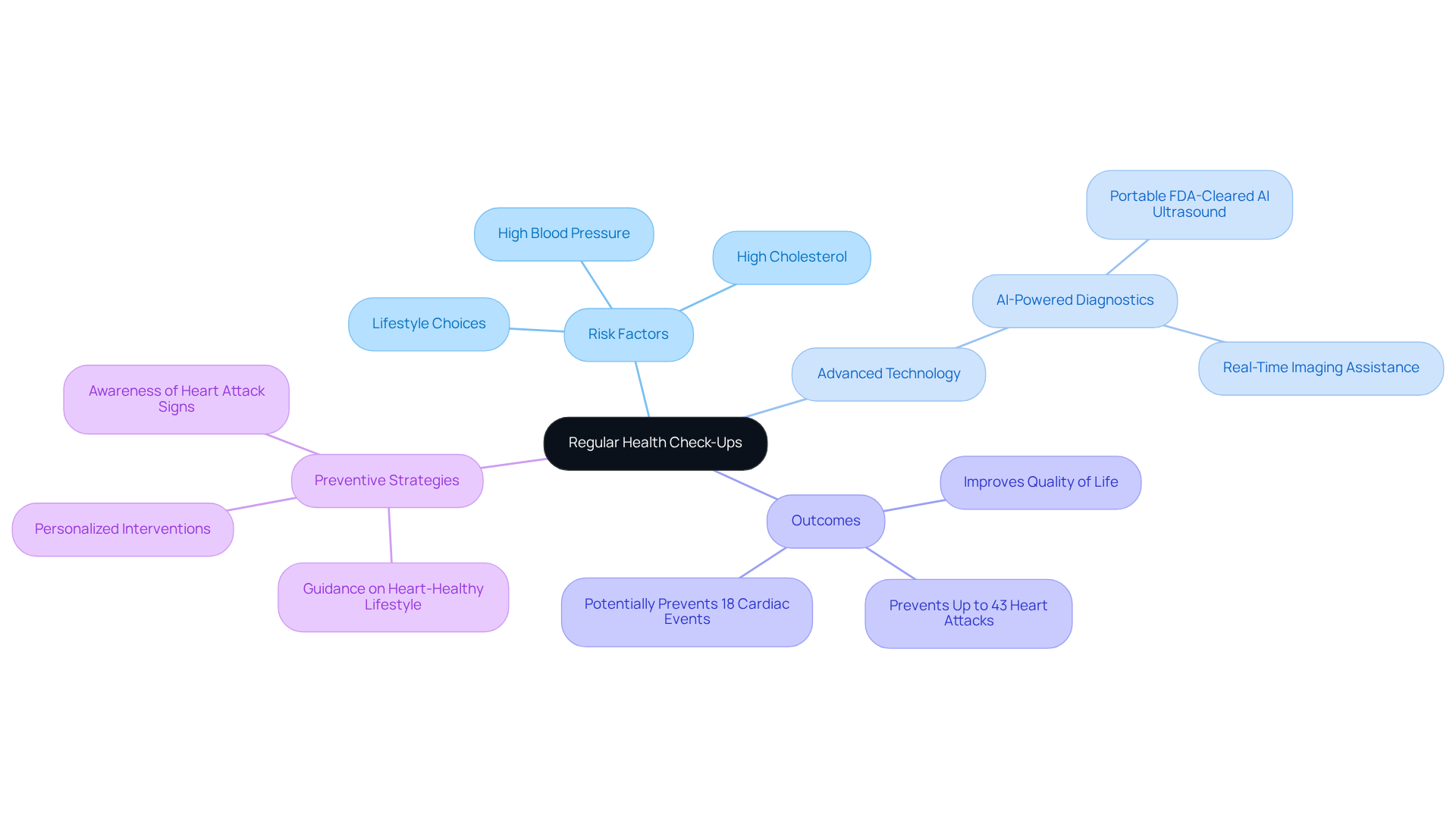
Routine health examinations are essential for older women to effectively and identify , helping to prevent cardiac incidents. These visits allow healthcare providers to assess risk factors such as high blood pressure, high cholesterol, and lifestyle choices, which play a vital role in managing cardiovascular well-being.
At , our innovative AI-powered diagnostic technology enhances early detection through a portable, FDA-cleared AI ultrasound for bedside . This technology provides real-time assistance for accurate imaging and generates reports on cardiac structure and function within minutes, enabling that significantly improve outcomes. Research indicates that early identification during can prevent up to 43 heart attacks and strokes over five years for individuals started on lipid-lowering therapy, as shown in a study involving 426 patients with pre-existing cardiovascular conditions.
Healthcare providers emphasize the importance of these check-ups in identifying . As one specialist highlighted, 'The issue with cardiovascular illness is that the initial symptom is frequently deadly,' which underscores the need for proactive monitoring and awareness of . not only facilitate the early detection of potential issues but also empower patients with guidance on maintaining a and recognizing .
Our combines advanced risk assessment tools with personalized interventions, ensuring that treatment plans are tailored to each patient's unique condition, lifestyle, and goals. Furthermore, the identification of heart attack signs for women during routine examinations illustrates the effectiveness of these preventive strategies.
In a recent initiative, 1,785 patients with hypertension were treated to reach target levels within six months, potentially preventing 18 cardiac events and 26 strokes over five years. This showcases how organized health assessments, alongside thorough cardiac evaluations and preventive measures at Amavita, can lead to among older women by identifying heart attack signs for women, ultimately preserving lives and enhancing quality of life.
Therefore, it is crucial for elderly women to prioritize regular as a vital step in recognizing heart attack signs for women and safeguarding their heart health.
Recognizing the signs of heart attacks in women, particularly for elderly patients, is crucial for timely intervention and improved health outcomes. This article highlights the unique symptoms women may experience, such as anxiety, unusual fatigue, and discomfort in various areas of the body. These can differ significantly from the classic indicators commonly associated with heart attacks. Understanding these signs empowers women to seek immediate medical assistance and potentially save lives.
Key insights discussed include:
Programs like Amavita's CardioElite™ demonstrate how comprehensive education and personalized care can enhance recognition of heart attack signs and reduce risks associated with heart disease.
Ultimately, fostering a proactive approach to heart health through education, awareness, and routine evaluations is essential. This not only aids in identifying heart attack signs but also encourages women to adopt healthier lifestyles and manage risk factors effectively. By prioritizing cardiovascular health and seeking help when experiencing concerning symptoms, women can take significant steps towards a healthier future.
What are the unique heart attack signs in women?
Unique heart attack signs in women include anxiety, shortness of breath, and unusual fatigue. These symptoms can often lead to misdiagnosis and delayed treatment.
How common is it for women to experience heart attacks without chest pain?
A recent study revealed that 20.8% of myocardial infarction patients did not present with chest pain, highlighting the prevalence of atypical manifestations in women.
Why is it important to recognize heart attack signs in women?
Recognizing heart attack signs is crucial because timely intervention can significantly enhance outcomes. Women often display uncommon symptoms, so awareness can lead to prompt medical assistance.
What initiatives does Amavita Heart and Vascular Health® have to educate women about heart attack signs?
Amavita Heart and Vascular Health® has established patient education initiatives through the CardioElite™ program, which includes workshops and informational sessions focused on recognizing symptoms and responding in emergencies.
What role does advanced technology play in heart attack detection at Amavita?
Amavita utilizes innovative AI-powered diagnostic technology, including a portable, FDA-cleared AI ultrasound, to provide real-time guidance for accurate imaging and rapid assessment of heart structure and function.
How can fatigue and shortness of breath be related to heart attacks in women?
Severe fatigue and shortness of breath can occur even during simple daily activities and may appear days or weeks before a cardiac event. These symptoms should not be dismissed as signs of aging or stress.
What programs does Amavita offer to support cardiovascular health?
Amavita offers personalized testosterone replacement therapy programs and the CardioElite™ program, which provides comprehensive cardiovascular management to reduce readmissions and improve patient outcomes.
What should someone do if they experience heart attack signs?
If you or someone you know experiences signs of a heart attack, it is essential to seek medical assistance promptly, as early intervention can be critical for health and well-being.