


Understanding the complexities of open heart surgery can feel overwhelming, especially when considering how age impacts survival rates. It's important to recognize that statistics show a significant decline in survival outcomes as patients grow older, particularly for those over 75, who face notably lower rates.
This article explores ten crucial factors that influence these survival rates. We’ll offer insights into how personalized care, innovative surgical techniques, and comprehensive post-operative support can enhance recovery for patients of all ages.
What strategies can we implement to improve outcomes for older patients navigating the challenges of open heart surgery? Together, we can find ways to ensure that every patient feels supported and valued throughout their journey.
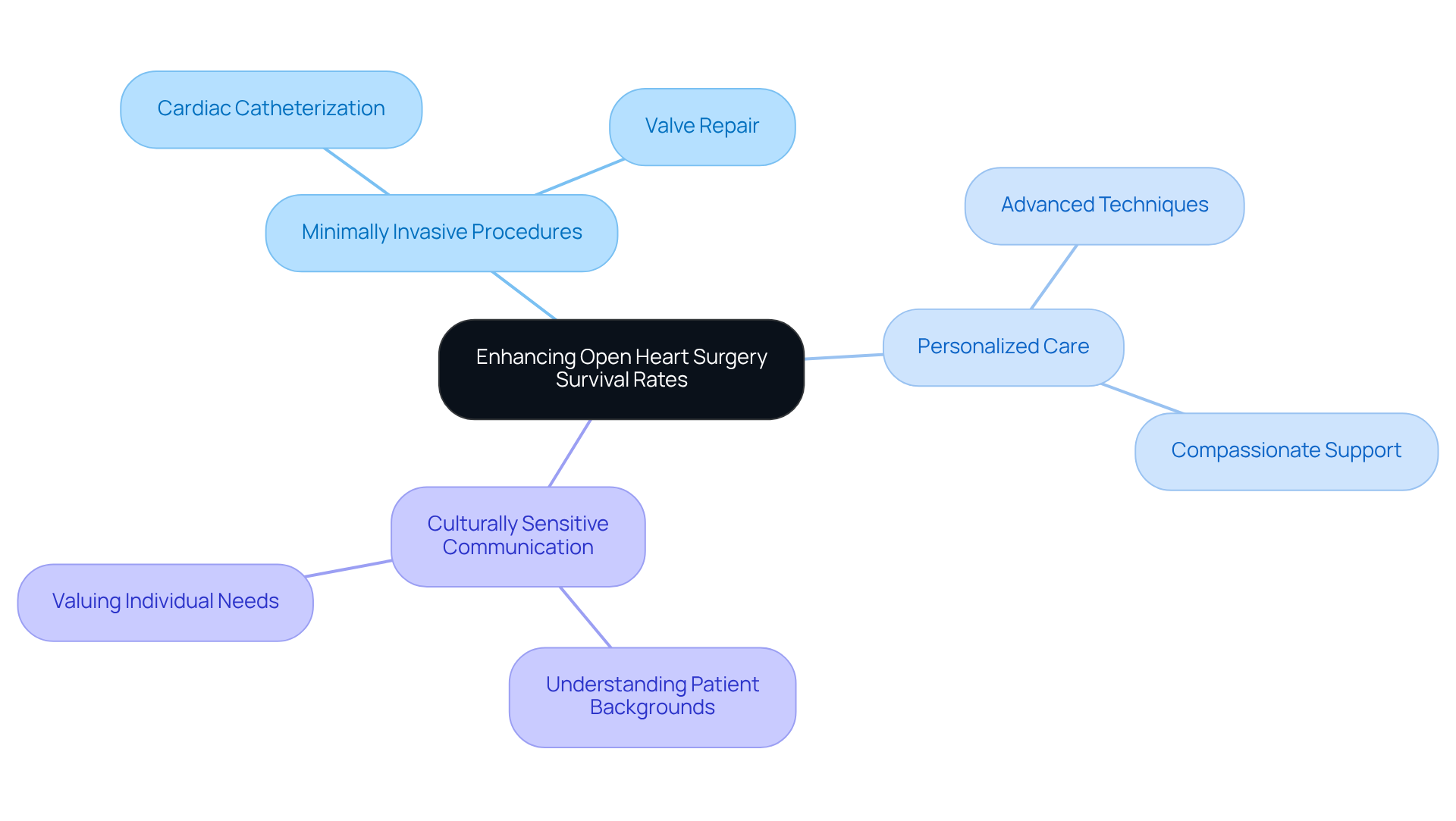
At Amavita Heart and Vascular Health, we understand that the thought of can be daunting. Your concerns are valid, and we’re here to help you navigate this journey with . Our commitment to improving the through advanced techniques and personalized care means you’re in good hands.
We focus on , like and , which not only enhance your recovery but also reduce postoperative discomfort. Imagine being able to return to your daily activities sooner, with less pain. This is our goal for you.
Moreover, we believe that everyone deserves the best possible care, regardless of their background. Our dedication to ensures that all individuals feel understood and valued. This approach is crucial for enhancing overall outcomes in surgical procedures.
If you have questions or concerns, please don’t hesitate to reach out. We’re here to support you every step of the way, ensuring that you feel comfortable and cared for throughout your treatment.
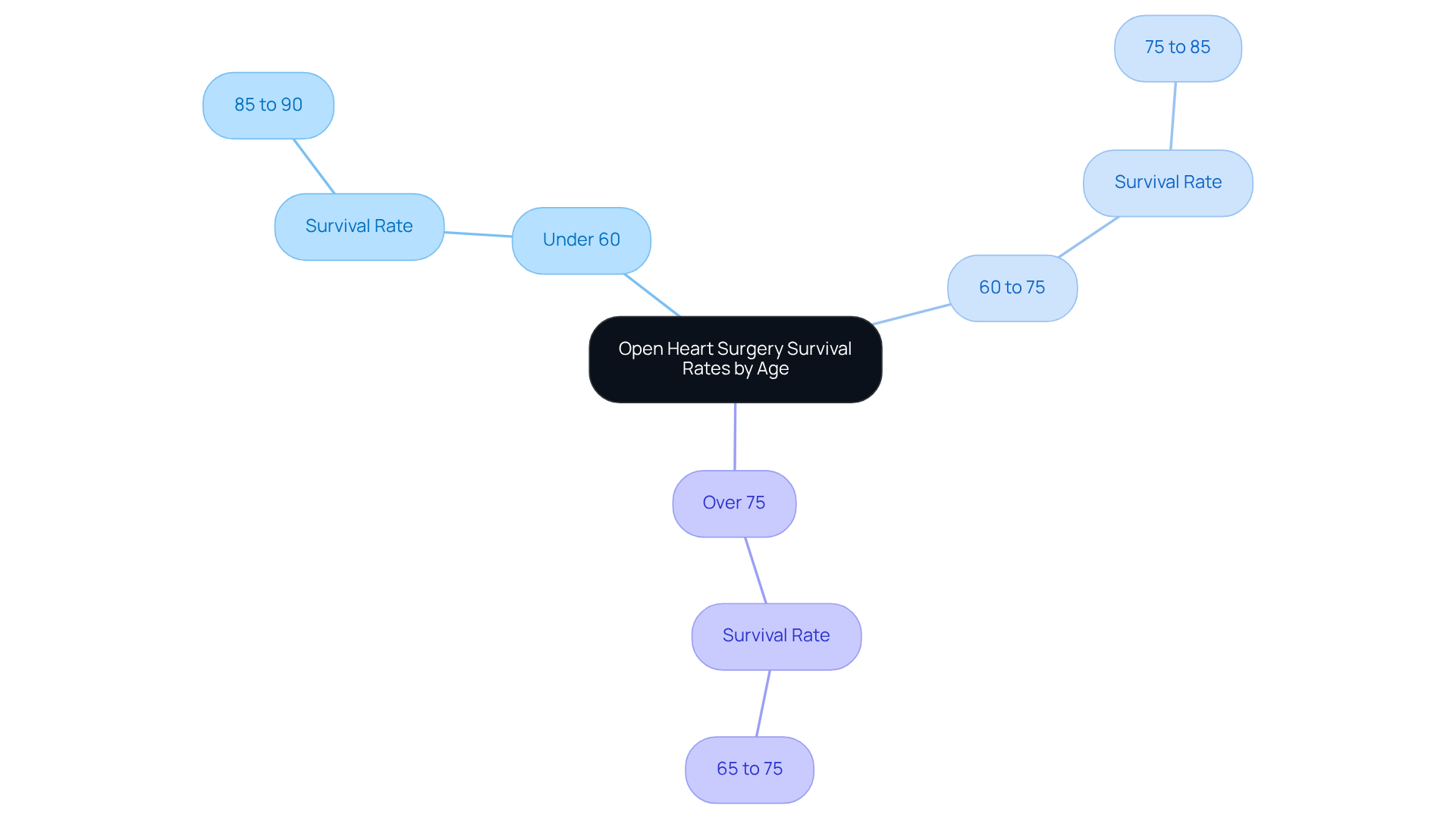
When discussing open heart surgery, it is important to understand the , as in . For individuals under 60, the shows a promising five-year rate ranging from 85% to 90%. However, as we age, the changes. The indicates that for individuals aged 60 to 75, the . Statistics show a further decline in the open heart surgery survival rate by age for those over 75, with survival rates between 65% and 75%.
These figures highlight just how essential age is in determining the open heart surgery survival rate by age. It’s vital to recognize that older individuals may face , which is why are so important. By focusing on , we can enhance the chances of successful healing and long-term well-being.
If you or someone you care about is facing surgery, remember that you’re not alone. There are ready to support you every step of the way. Together, we can navigate these challenges and work towards a healthier future.
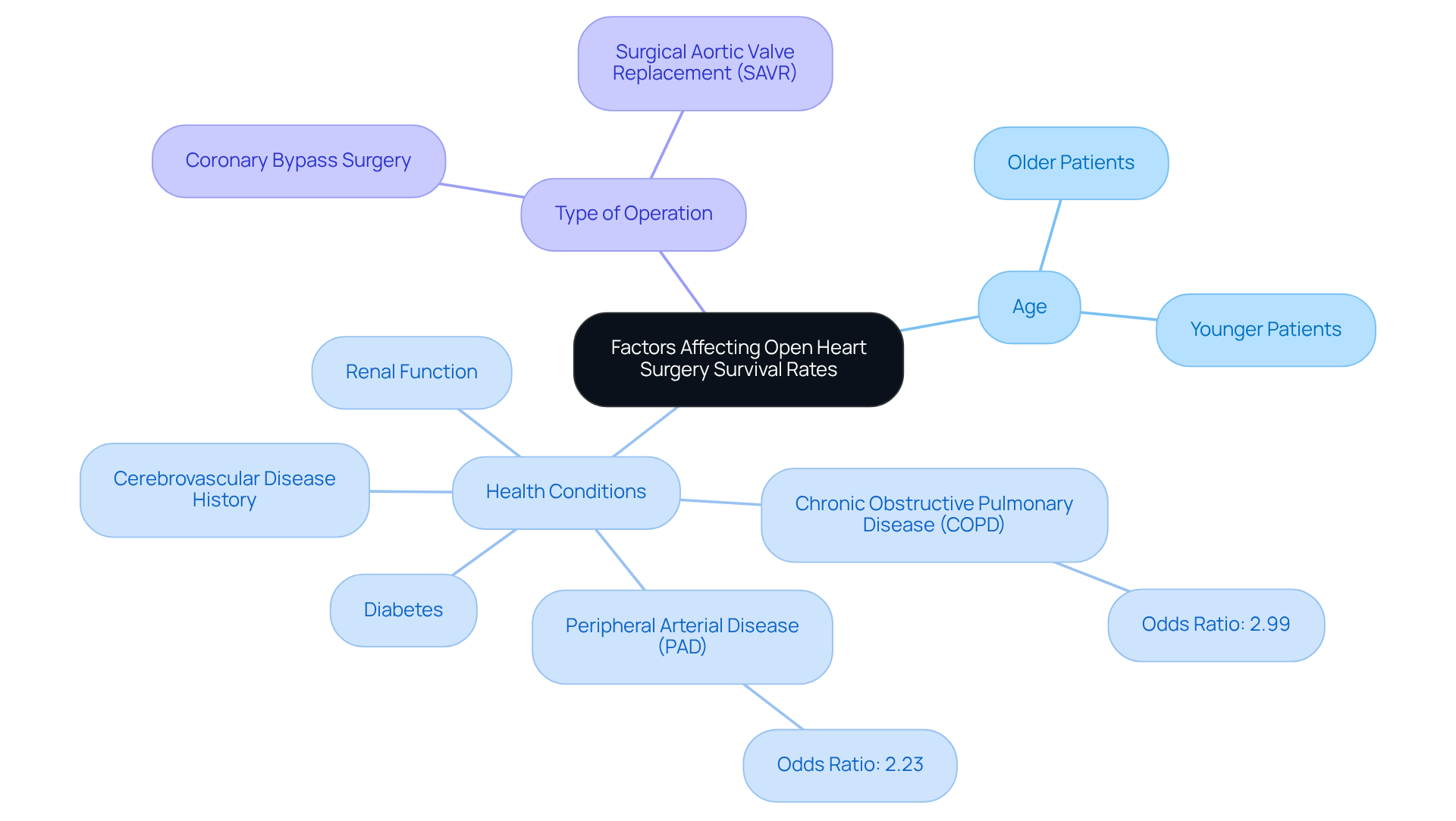
The can be significantly influenced by various factors, such as pre-existing health conditions and the specific type of operation performed. Key health indicators like ejection fraction, diabetes, renal function, and a history of cerebrovascular disease play crucial roles in determining outcomes. It's important to note that older individuals often face multiple comorbidities, which can complicate surgical outcomes and recovery. For instance, studies show that and (PAD) are linked to increased risks, with odds ratios of 2.99 and 2.23, respectively. This highlights the importance of .
At Amavita Heart and Vascular Health, we understand the need for focused cardiovascular care, especially for those at high risk. Our advanced imaging capabilities and thorough evaluations ensure that each individual's unique health profile is taken into account. This allows us to create . The impact of comorbidities on surgical results is underscored by findings from the Veterans Administration randomized trial, which reported an eleven-year survival statistic for coronary bypass procedures in individuals with stable angina. Additionally, a study focusing on older individuals undergoing revealed the , which indicated an in-hospital death rate of 6.3% and highlighted including redo interventions and pre-existing health issues.
Health professionals emphasize the importance of a tailored approach to managing comorbidities in elderly individuals. , such as those offered through - which integrates AI, AHA certification, and 24/7 cardiology consultation - can enhance surgical outcomes and overall survival rates. This program transforms the management of individuals with heart conditions, significantly . As one specialist noted, addressing these health factors is vital for improving care and boosting long-term outcomes after open heart procedures. By understanding and managing the complexities associated with comorbidities, healthcare providers can greatly enhance the for older patients undergoing these critical procedures.
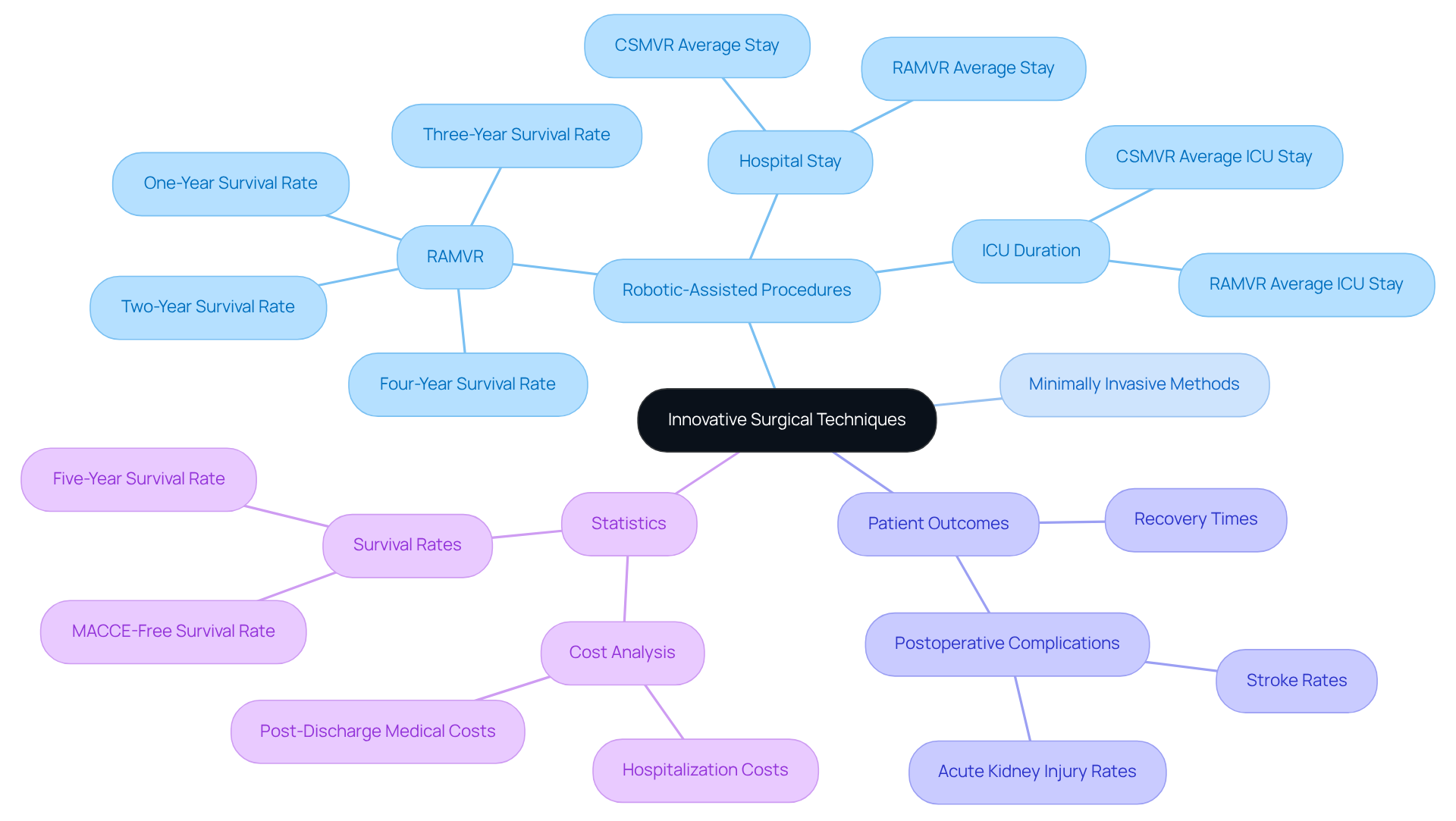
Innovative surgical techniques, such as robotic-assisted procedures and , have truly transformed the landscape of open heart operations, bringing hope and . These advanced methods not only minimize bodily trauma but also lead to and fewer complications, which is especially important for those who may feel anxious about surgery.
For instance, individuals undergoing (RAMVR) enjoy significantly shorter hospital stays-averaging just 16.5 days compared to 22.7 days for traditional procedures. Additionally, the mean ICU duration is reduced to 4.39 days, versus 9.11 days for conventional methods. These numbers reflect a commitment to enhancing patient experiences and outcomes.
Moreover, RAMVR boasts impressive long-term survival statistics:
This is particularly reassuring for older individuals, especially when evaluating the by age, as they often face greater surgical risks. Surgeons have observed that these techniques not only improve precision but also lead to . For example, stroke rates are at 8.40% for RAMVR, compared to 10.32% for traditional surgeries, along with fewer occurrences of acute kidney injury.
At Amavita Heart and Vascular Health, Dr. Martinez-Clark ensures that these are integrated into a tailored for individuals at high risk, including those with diabetes, hypertension, or a family history of heart disease. In addition to this, the at Amavita enhance the evaluation and monitoring of these individuals, further improving outcomes.
Consequently, robotic-assisted procedures are increasingly recognized as a safer option, offering elderly individuals not just improved results but also a quicker return to their everyday lives, potentially influencing the by age. If you or a loved one are considering heart surgery, know that support is available, and reaching out can be the first step towards a healthier future.
is an essential step in preparing for an open heart procedure. It’s important to evaluate your cardiovascular health thoroughly to identify any potential risks that could affect your surgical outcomes. At Amavita Heart and Vascular Health®, we understand how daunting this process can feel, which is why we utilize innovative AI-powered diagnostic technology. Our portable, FDA-cleared AI ultrasound provides real-time guidance for accurate imaging, helping us create quick reports on heart structure and function. This allows us to identify any issues early on that could complicate your operation.
Our comprehensive approach includes:
We also focus on to significantly reduce your risk of a . Furthermore, our AHA certification ensures that we adhere to high evidence-based care standards, enhancing the quality of and reducing the likelihood of hospital readmissions.
We believe that ensuring you are in can greatly improve the and minimize complications. If you have any concerns or questions, please don’t hesitate to reach out. We’re here to support you every step of the way.
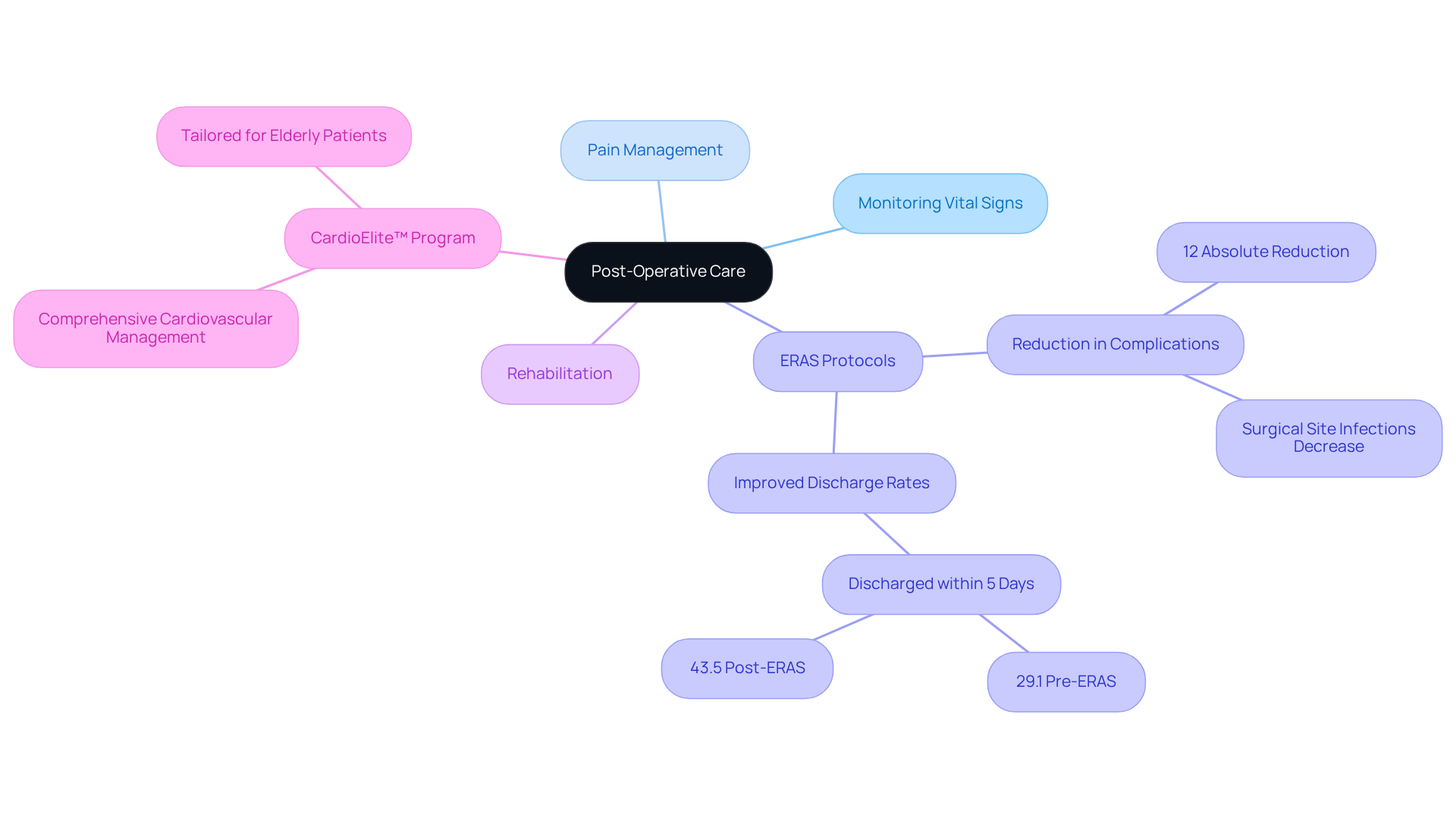
is crucial for ensuring a smooth healing journey after open heart surgery, especially for older adults, as the indicates they may face unique challenges. This phase requires careful monitoring of vital signs, effective pain management, and proactive steps to prevent complications like infections and blood clots.
Have you heard about ? They have been shown to significantly enhance recovery, leading to a for patients who followed these guidelines. This not only but also boosts satisfaction among individuals.
For instance, the increased from 29.1% before ERAS to 43.5% after its implementation. This clearly illustrates how these protocols can positively impact recovery times. A strong focus on are vital components of ERAS, contributing to long-term survival and a better quality of life.
Additionally, takes a step further by offering . This personalized approach is essential for reducing readmissions and enhancing overall outcomes.
As Emily Pearsall, MSc, wisely points out, "The introduction of an ERAS program for monitoring standardized perioperative care facilitates a and establish the sustainability of ERAS protocols and data collection processes."
By combining evidence-based strategies like ERAS with supportive programs such as CardioElite™, we can not only improve recovery times but also elevate the overall value of surgical care. Remember, you’re not alone in this journey; there are dedicated professionals ready to support you every step of the way.
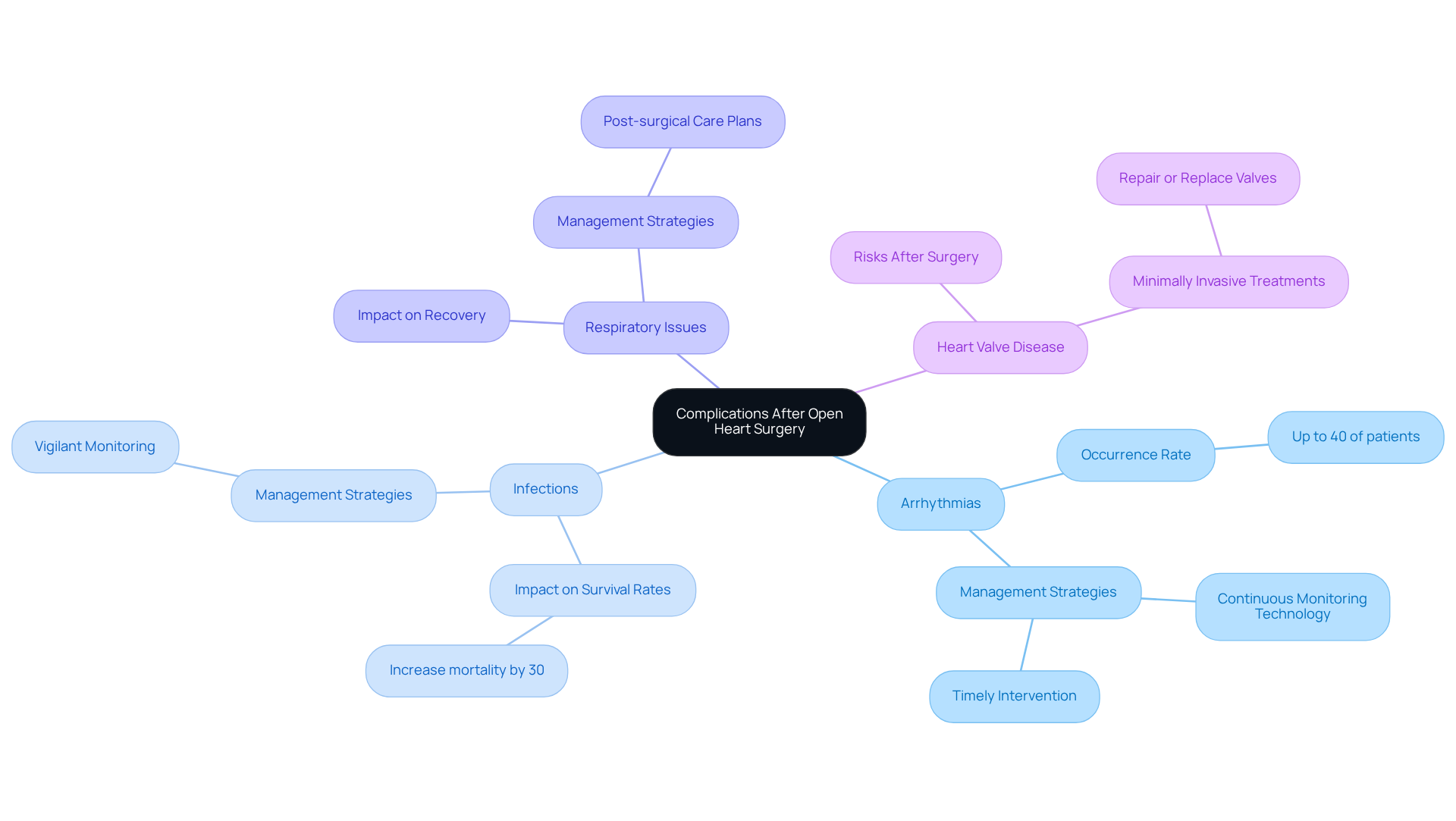
After open heart surgery, many patients may worry about potential complications like arrhythmias, infections, and respiratory issues. These concerns are valid, particularly for older individuals, as the may be affected by their existing health challenges. Did you know that infections can increase ? This highlights the importance of .
after surgery, complicating the healing process and increasing the risk of negative outcomes. At Amavita Heart and Vascular Health, we understand these worries and focus on . Our advanced treatments aim to restore your heart's natural rhythm, which can significantly enhance your healing journey. We utilize to catch any arrhythmias early, ensuring that you receive timely intervention when needed.
In addition to this, can pose significant risks after surgery. Dr. Martinez-Clark leads our , which can repair or replace damaged valves without the need for open-heart surgery. This approach can dramatically improve your breathing and energy levels, allowing you to enjoy life more fully.
It's essential to identify and manage these complications early to improve outcomes. Cardiologists emphasize that a thorough post-surgical care plan, like our , is crucial for reducing risks and ensuring a smoother healing process, especially for elderly patients, as it can significantly impact the . Regular follow-ups and oversight can make a real difference in your recovery.
Moreover, adopting lifestyle changes, such as stress management techniques and a , can further support your recovery and enhance your overall cardiovascular health. Remember, you’re not alone on this journey; we’re here to help you every step of the way.
Psychological factors, such as anxiety and depression, can deeply affect healing and the . Have you ever felt overwhelmed by stress during a challenging time? It’s completely understandable. Patients experiencing heightened stress levels often face tougher recoveries and longer healing periods.
That’s why providing is so crucial. Counseling and stress management techniques can make a significant difference in your overall recovery. Imagine feeling more at ease and supported during this journey. Addressing these emotional factors not only helps improve your healing but also encourages better adherence to and necessary lifestyle changes.
Remember, you’re not alone in this. Seeking help and support can lead to a more positive recovery experience. If you’re feeling anxious or uncertain, please reach out for assistance. Your well-being matters, and there are to help you navigate this path with care and compassion.
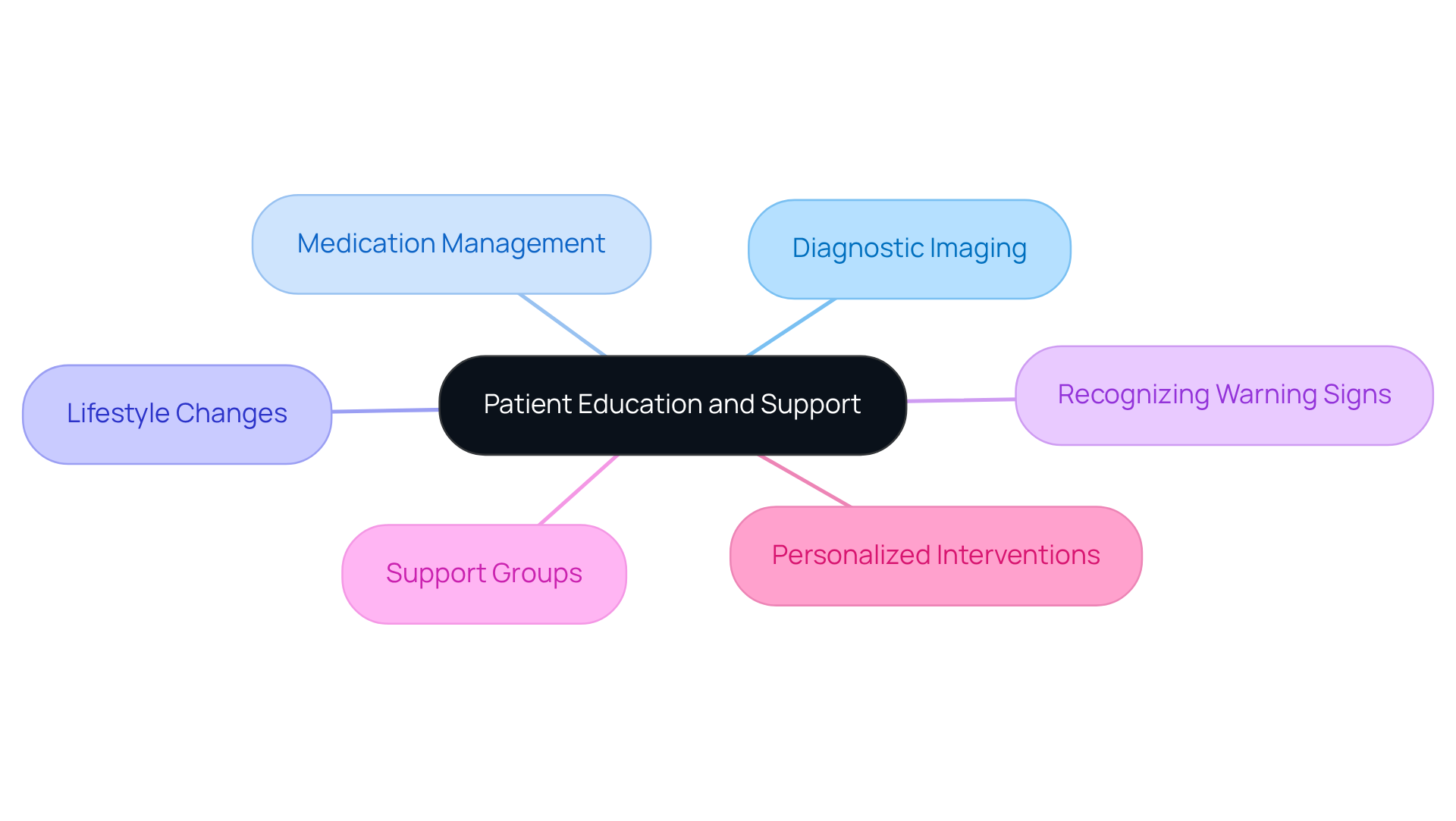
Patient education is crucial for improving the . At Amavita Heart and Vascular Health®, we understand that you may have concerns about your condition, the surgical process, and what comes next. That’s why we prioritize informing you every step of the way.
Our advanced diagnostic imaging and thorough assessments empower you to take an active role in your healing journey. By providing clear instructions on medication management, lifestyle changes, and recognizing warning signs of complications, we aim to enhance your recovery experience.
In addition to this, our innovative offers same-day convenience and personalized interventions, ensuring you receive the support you need during your healing process. We also encourage you to connect with that can help you navigate your recovery, further boosting your chances of a successful outcome.
Remember, you’re not alone in this journey. We’re here to , every step of the way.
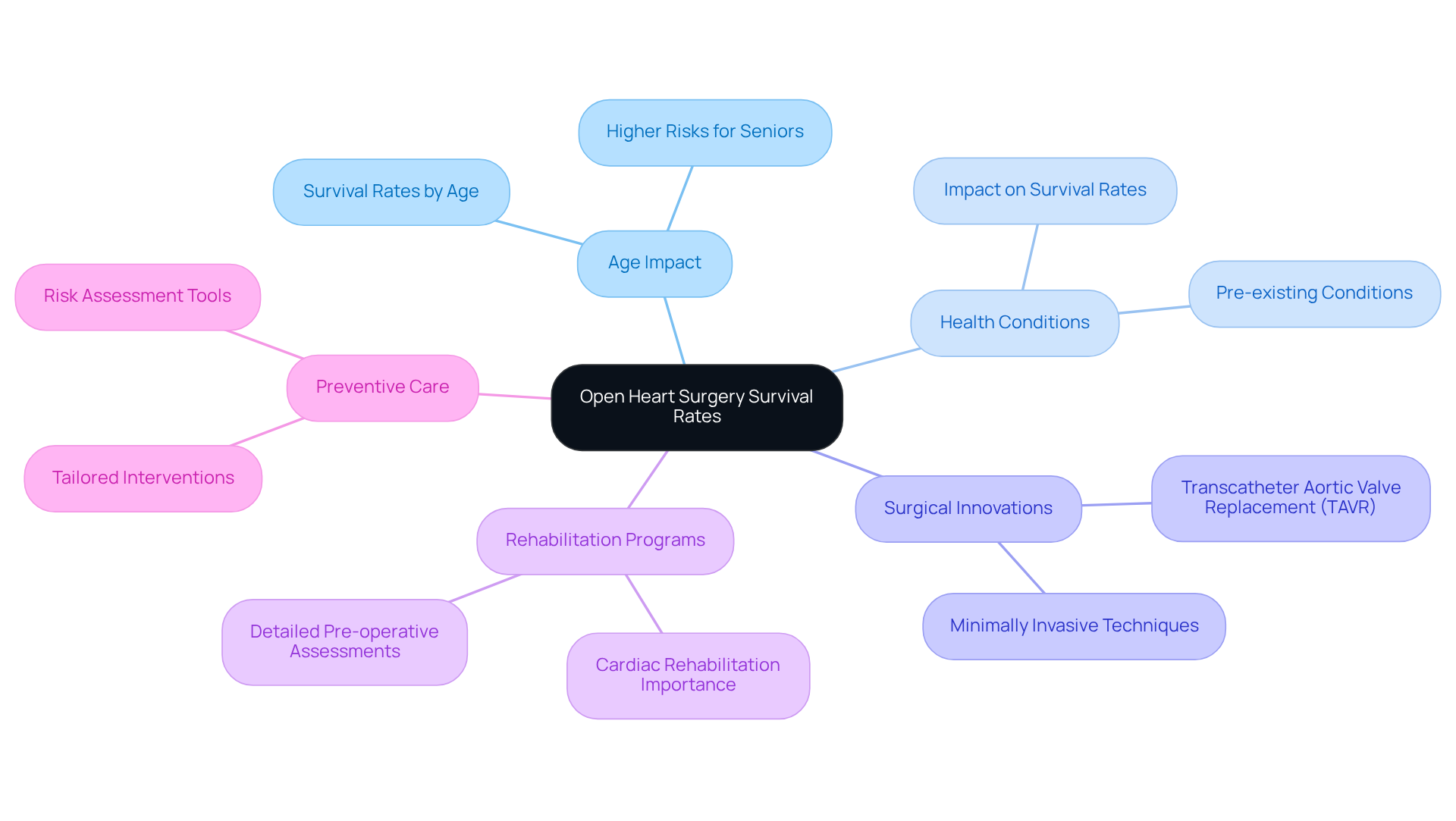
In conclusion, several essential elements influence the , especially for elderly individuals. The is significantly impacted by age and pre-existing health conditions, with survival rates generally decreasing as age increases. However, it’s heartening to note that advancements in surgical techniques, like , have greatly improved results. For instance, minimally invasive cardiac surgery not only reduces trauma but also shortens recovery times, allowing many seniors to return home the same day and resume their daily activities within weeks.
At Amavita Heart and Vascular Health®, we are deeply committed to providing focused cardiovascular care for those at high risk. Our ensure accurate diagnoses without delay. Recent research underscores the importance of comprehensive care approaches, which include:
is crucial for enhancing healing and minimizing complications after surgery. Studies show that individuals who engage in rehabilitation programs experience better long-term outcomes, such as improved heart health and quality of life.
Innovations in surgical techniques, such as , have emerged as less invasive options for high-risk individuals, leading to fewer complications and quicker recoveries. These advancements are complemented by a strong emphasis on patient education and psychological support, which are vital for managing expectations and preparing individuals for their surgical journey. Additionally, our preventive cardiology approach combines advanced risk assessment tools with tailored interventions to significantly lower the risk of heart attacks.
Overall, understanding these factors is essential for healthcare providers who aim to optimize care for older patients, particularly regarding the . By integrating innovative techniques and comprehensive care strategies, including same-day recovery and preventive measures, we can enhance the potential for successful outcomes. This offers hope and for many seniors, reassuring them that they are not alone on this journey.
Understanding the factors that influence open heart surgery survival rates by age is essential for patients and their families. It’s important to recognize that while age plays a significant role in survival outcomes, advancements in surgical techniques and personalized care are leading to better results. With survival rates differing across age groups, it’s clear that tailored approaches are vital for enhancing patient care and recovery.
Younger patients often enjoy higher survival rates, but it’s heartening to know that older individuals can also achieve positive outcomes. Innovative methods, like minimally invasive procedures and thorough pre- and post-operative care, make a real difference. We must not overlook the importance of addressing pre-existing health conditions, providing psychological support, and ensuring patient education. These elements are crucial for recovery and long-term well-being.
Ultimately, the message is reassuring: proactive management of health factors and embracing advancements in surgical techniques can significantly improve open heart surgery survival rates across all ages. It’s imperative for patients to seek healthcare providers who prioritize personalized care and support systems. This ensures they have the knowledge and resources needed for a successful surgical journey. By taking this step, individuals can approach their treatment with confidence, knowing they are not alone on their path to recovery.
What is the focus of Amavita Heart and Vascular Health regarding open heart surgery?
Amavita Heart and Vascular Health focuses on enhancing open heart surgery survival rates through advanced techniques and personalized care, particularly emphasizing minimally invasive procedures to improve recovery and reduce postoperative discomfort.
How do open heart surgery survival rates vary by age?
Survival rates for open heart surgery vary significantly by age. For individuals under 60, the five-year survival rate is approximately 85% to 90%. For those aged 60 to 75, the survival rate drops to about 75% to 85%, and for individuals over 75, the rates further decline to between 65% and 75%.
What factors influence open heart surgery survival rates?
Factors influencing open heart surgery survival rates include age, pre-existing health conditions, and the type of surgery performed. Key health indicators such as ejection fraction, diabetes, renal function, and a history of cerebrovascular disease significantly affect outcomes.
Why are comorbidities important in assessing surgical outcomes?
Comorbidities are important because older individuals often have multiple health issues that can complicate surgical outcomes and recovery. Conditions like chronic obstructive pulmonary disease (COPD) and peripheral arterial disease (PAD) are linked to increased surgical risks.
How does Amavita Heart and Vascular Health address the needs of high-risk patients?
Amavita Heart and Vascular Health addresses high-risk patients through focused cardiovascular care, advanced imaging capabilities, and thorough evaluations to create personalized treatment plans that consider each individual's unique health profile.
What is the CardioElite™ program and how does it improve outcomes?
The CardioElite™ program integrates AI, AHA certification, and 24/7 cardiology consultation to enhance preoperative assessments and interventions. This program aims to improve surgical outcomes and reduce readmissions for individuals with heart conditions.
How can patients prepare for open heart surgery?
Patients can prepare for open heart surgery by managing pre-existing health conditions, engaging in effective preoperative assessments, and discussing tailored treatment plans with their healthcare providers to enhance their chances of successful healing and long-term well-being.