


Navigating the financial landscape of healthcare can feel overwhelming, especially when it comes to crucial procedures like heart CT scans. Many factors, such as the type of facility and the technology used, can greatly affect the cost, often leaving patients facing unexpected expenses. This article delves into ten key elements that influence heart CT scan pricing, offering insights that empower you to make informed decisions about your cardiovascular health.
How can you, as a patient, navigate these complexities to ensure you receive quality care without overspending? Understanding your options is the first step towards taking control of your health. Remember, you’re not alone in this journey; many have walked this path and found their way to the care they need.
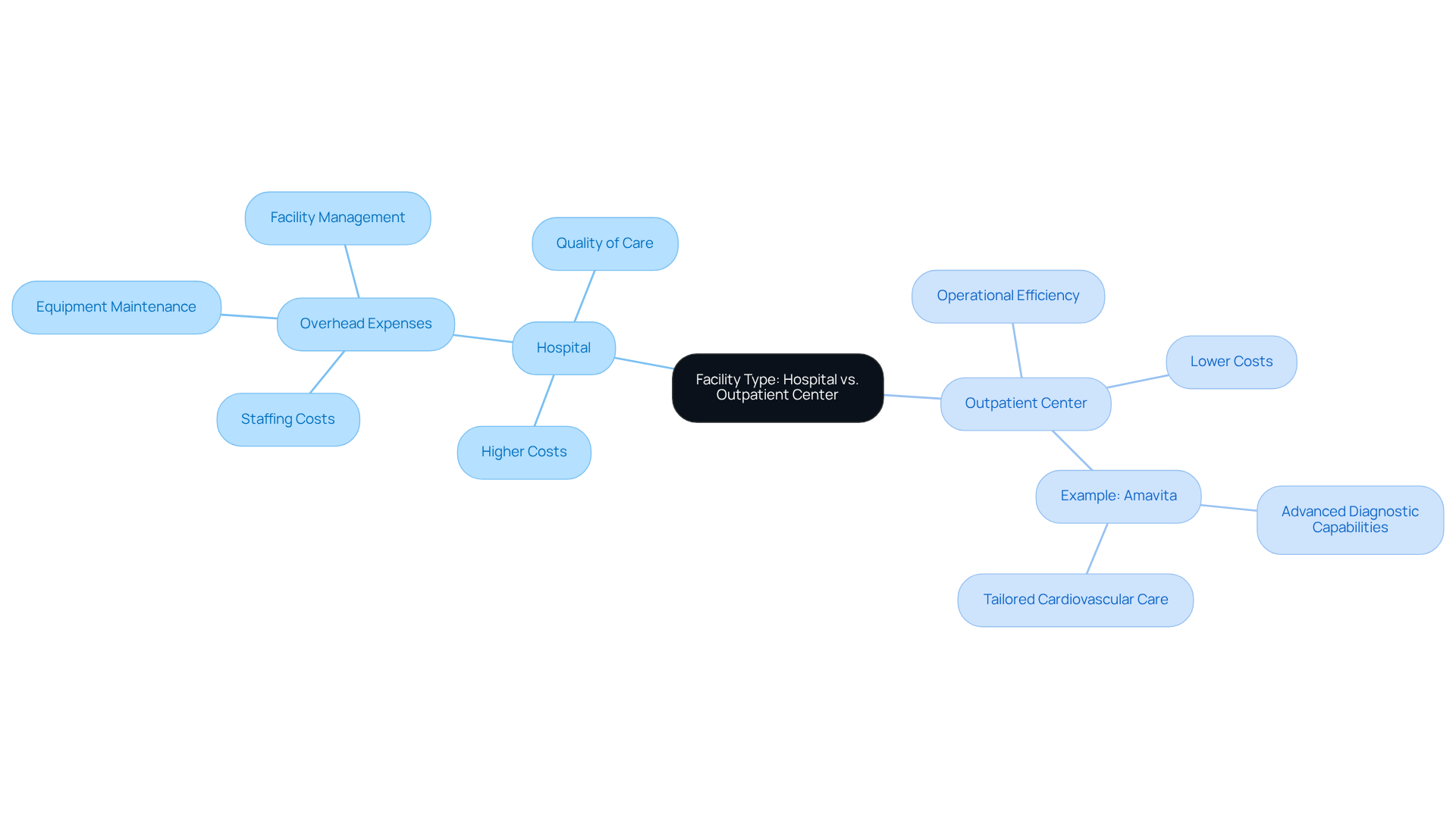
The type of facility where a heart CT scan is performed can significantly influence the cost. Have you ever wondered why hospitals often charge more? It’s mainly due to higher overhead expenses, including staffing, equipment maintenance, and facility management. On the other hand, outpatient centers typically have lower operational costs, which can result in a more affordable heart CT scan price for individuals.
For older adults, especially those at higher risk for cardiovascular issues, choosing an outpatient facility like Amavita can lead to substantial savings without compromising the quality of care. Amavita offers advanced diagnostic capabilities that ensure high-risk patients receive tailored cardiovascular care through thorough evaluations. This makes it a valuable option for anyone looking to monitor their heart health effectively.
Remember, your health is important, and finding the right care shouldn’t be a burden. If you have questions or need support, reaching out to a facility like Amavita can be a great step towards ensuring your heart health is in good hands.
Understanding the technology behind heart CT scan price is essential, especially when it comes to costs. Advanced imaging techniques, like high-resolution scanners and AI-enhanced diagnostics, often carry higher price tags. This is due to the complexity of the equipment and the specialized expertise needed to operate it. For instance, did you know that the average direct expenses for Coronary CT Angiography (CCTA) are about 3.4 times greater than those for standard Contrast-Enhanced Chest CT (CECT)? This difference largely stems from increased labor and equipment charges.
It’s important for patients to ask about the specific technologies used at their chosen facility. These can significantly impact both the accuracy of the results and the overall cost of the examination. Case studies reveal that incorporating AI in heart imaging not only enhances diagnostic accuracy by identifying details that traditional imaging might miss but also allows for personalized treatment plans. This ultimately leads to better outcomes for individuals.
Moreover, AI assessments can often eliminate the need for invasive coronary angiograms, which improves safety and cost-efficiency. Facilities like Amavita are committed to using advanced diagnostic capabilities and ensuring seamless care coordination. This approach can significantly reduce hospital readmissions and enhance overall patient outcomes.
As the healthcare landscape continues to evolve, it’s crucial to understand how these technological advancements influence the heart CT scan price. This knowledge empowers you to make informed decisions about your heart health diagnostics. Remember, you’re not alone in this journey; support is available, and asking questions is a great first step.

Navigating insurance coverage can be a source of concern for many patients, particularly when considering the heart CT scan price associated with a heart CT examination. Have you checked if your insurance plan covers this important procedure? It’s essential to understand the extent of your coverage, as some plans may require pre-authorization or have specific networks that dictate where you can receive care.
In addition to this, knowing these details can empower you to anticipate your out-of-pocket expenses, helping you avoid any unexpected bills that might add to your worries. Remember, you’re not alone in this process; many patients share similar concerns, and it’s perfectly okay to seek clarity.
If you have questions about your insurance or need assistance, don’t hesitate to reach out for support. Understanding your coverage is a crucial step in taking charge of your health, and we’re here to help you every step of the way.

The heart CT scan price can vary significantly depending on your location. In city areas, the heart CT scan price tends to be higher due to increased demand and operational costs. On the other hand, rural regions often provide more competitive heart CT scan prices.
Have you considered exploring local options? It might be worth your while to look into nearby areas, especially if it could lead to substantial savings on your imaging. Remember, you deserve the best care without breaking the bank.
If you have any questions or need assistance navigating your choices, please don’t hesitate to reach out. We're here to support you every step of the way.

The qualifications and experience of your healthcare provider can significantly influence both the quality of care you receive and the heart CT scan price. It's understandable to feel concerned about these factors, especially when it comes to your health. Providers who have advanced training and extensive experience often charge higher fees, but this reflects their expertise and the superior care they deliver. For example, recent changes in reimbursement rates show that the payment for coronary computed tomography angiography (CCTA) exams has increased from $175 to $357.13. This highlights how choosing experienced specialists can impact your financial decisions.
Research shows that individuals who select providers with a proven track record in cardiac diagnostics often experience better diagnostic accuracy and more effective treatment strategies. Investing in skilled professionals not only enhances your health outcomes but can also lead to long-term savings by reducing the likelihood of unnecessary procedures. Furthermore, the introduction of a new Category I CPT code for HeartFlow's software marks an exciting advancement in the field, making it crucial for you to carefully consider the credentials of your imaging specialists.
Support from medical associations for improved reimbursement rates for heart CT scan price further illustrates how provider qualifications can influence healthcare costs and the availability of services. Remember, you deserve the best care possible, and taking the time to choose the right provider can make all the difference in your health journey.

Pre-scan consultations play a crucial role in understanding your health status and deciding if a heart CT scan is right for you, especially if you have conditions like diabetes, hypertension, or a family history of heart disease. It’s important to be aware that these consultations might come with additional charges. Have you thought about asking your healthcare provider about any costs associated with these consultations? Knowing whether they’re covered by your insurance can significantly affect the overall expense of the procedure.
Recent studies show that having pre-scan consultations can lead to better risk assessments. This means you might avoid more invasive procedures, which can be a relief both physically and financially. With the new CMS regulation set to take effect on January 1, 2025, increasing payments for cardiac CT examinations from $175 to $357, understanding the heart CT scan price implications is more important than ever for those considering heart CT procedures.
By being informed about these aspects, especially in relation to Amavita's enhanced visual capabilities and comprehensive care plans, you can make more confident choices regarding your cardiovascular treatment. Remember, you’re not alone in this journey; we’re here to support you every step of the way.

Follow-up imaging is often a crucial part of heart CT examinations. It helps healthcare providers keep an eye on existing conditions and evaluate how well treatments are working. Did you know that about 8% of people who have a CT angiography might need additional imaging? This can significantly affect overall healthcare costs. For instance, the average medical expense for heart care that includes a heart CT scan price is around $15,000 - almost double that of patients who only had stress tests, which average about $8,000.
It’s important for patients to talk openly with their healthcare providers about the potential need for follow-up imaging. This conversation can help you prepare for any extra costs that may arise. The prices for follow-up exams can vary by state, with average cash costs ranging from $98 in Arkansas to $134 in Alaska. Understanding these expenses ahead of time can ease financial worries and ensure that you’re fully informed about your treatment plan.
Moreover, advanced imaging technologies, like those used in coronary computed tomography angiography (CCTA), are becoming increasingly important in managing coronary artery disease. This highlights the need for clear communication about the necessity and costs of follow-up exams. Remember, you’re not alone in this journey - your healthcare team is here to support you every step of the way.

The heart CT scan price is significantly influenced by the accreditation status of a facility, which also affects the quality of care you receive. Accredited facilities follow strict standards, which often means higher prices, but this is justified by enhanced safety and improved diagnostic accuracy. Have you ever wondered why some hospitals report higher patient satisfaction scores? It’s often because they are accredited, reflecting the quality of care they provide.
As you consider where to have your scan, it’s important to ask about the facility’s accreditation. This inquiry can significantly influence not just your overall experience but also the reliability of your results. You deserve to feel confident in your care. Moreover, the heart CT scan price can differ significantly between accredited and non-accredited facilities. Accredited centers typically offer advanced technologies and better-trained staff, leading to more accurate diagnoses and effective treatment plans.
Experts suggest that investing in certified facilities can lead to better long-term health outcomes. This makes accreditation an essential factor for anyone seeking heart diagnostic services. Remember, you’re not alone in this journey; seeking care from accredited facilities can provide you with the reassurance and support you need.

Understanding the heart CT scan price can be a source of concern for many patients. Factors like age, gender, and existing health conditions play a significant role in determining these expenses. For instance, older adults or those managing complex health issues, such as diabetes or hypertension, might require more comprehensive scans or additional consultations, which can lead to higher costs. Typically, facilities charge between $100 and $150 for basic scans, but the heart CT scan price can vary based on individual health needs.
It's important to note that Medicare reimbursement for coronary computed tomography angiography (CCTA) has increased from $175 to $357.13. This change reflects a growing recognition of the value these diagnostic services provide. At Amavita, we focus on supporting individuals at high risk, ensuring that those with serious health concerns receive the thorough assessments they need.
By understanding these dynamics, you can better prepare for the heart CT scan price and its financial aspects. Have you considered how your health conditions might influence your care? As healthcare analysts emphasize, the relationship between health conditions and diagnostic costs highlights the importance of proactive health management. This approach empowers you to make informed decisions about your care and associated expenses. Remember, you’re not alone in this journey; we’re here to help you navigate your health with compassion and understanding.

Market trends can greatly affect the heart CT scan price, making it important to understand how these changes might impact you. As new technologies emerge, healthcare facilities often adjust their pricing to reflect these advancements. For instance, the introduction of advanced cardiac-capable scanners has led to improved visual quality and reduced radiation exposure. While this may mean higher costs, it’s essential to recognize the enhanced diagnostic capabilities these technologies offer.
In addition to this, healthcare policies play a significant role in determining the heart CT scan price. Changes in reimbursement rates, such as Medicare's national payment rates for AI algorithms used in imaging, can directly affect how facilities set their prices. As these policies evolve, they can either make advanced diagnostics more accessible or create financial challenges that impact pricing strategies.
It’s crucial for patients to stay informed about these trends, as they can significantly influence both the availability and the heart CT scan price in your local healthcare system. By understanding the relationship between technology, policy, and market demand, you empower yourself to make informed decisions about your cardiovascular health and the imaging services you may need. Remember, you’re not alone in this journey; support is available to help you navigate these changes.

Understanding the various factors that influence heart CT scan pricing is crucial for patients navigating their healthcare options. The costs associated with these scans can vary significantly based on:
By being informed about these factors, patients can make more educated decisions regarding their heart health and potential expenses.
This article has explored key aspects such as:
Additionally, it highlighted how geographical variations, provider qualifications, and the necessity for follow-up imaging can further complicate pricing. Each of these elements plays a vital role in shaping the overall cost of heart CT scans, emphasizing the importance of thorough research and proactive health management.
As the landscape of healthcare continues to evolve, staying informed about market trends and how they influence heart CT scan pricing is essential. Patients are encouraged to ask questions, seek support, and explore various options to ensure they receive the best care possible without incurring unnecessary financial burdens. Empowerment through knowledge is key in navigating the complexities of heart health diagnostics, ultimately leading to better outcomes and more effective management of cardiovascular health.