


Understanding Hypoplastic Left Heart Syndrome (HLHS) is essential for families facing this serious congenital heart defect. As survival rates improve thanks to advancements in medical technology and surgical techniques, many families find themselves asking: what does this mean for their child's future? This article provides key insights into the life expectancy of children with HLHS, highlighting both the encouraging statistics and the ongoing challenges that require continuous care and support.
What truly influences the longevity of these children? How can families navigate the complexities of this condition to ensure the best possible outcomes? By exploring these questions, we aim to offer reassurance and guidance, helping families feel empowered in their journey.
At Amavita Heart and Vascular Health, we understand the challenges that families face when considering . Our specialized approach is designed to provide that truly meets your needs. Under the compassionate guidance of Dr. Pedro Martinez-Clark, we utilize and tailored just for you.
In addition to this, we employ , such as the . This innovative diagnostic tool allows for early detection of heart disease, significantly improving . We know how important it is to catch issues early, and we’re here to support you every step of the way.
are a cornerstone of our approach, leading to quicker recovery times and greater comfort for our patients. We believe that your comfort and well-being are paramount. Our dedication to innovative care, combined with a patient-focused philosophy, makes Amavita a trusted choice for families navigating the complexities of , including concerns related to .
We want you to feel assured that your child will receive the highest quality of treatment in a nurturing environment. If you have any questions or concerns, please don’t hesitate to reach out. We’re here to through this journey.
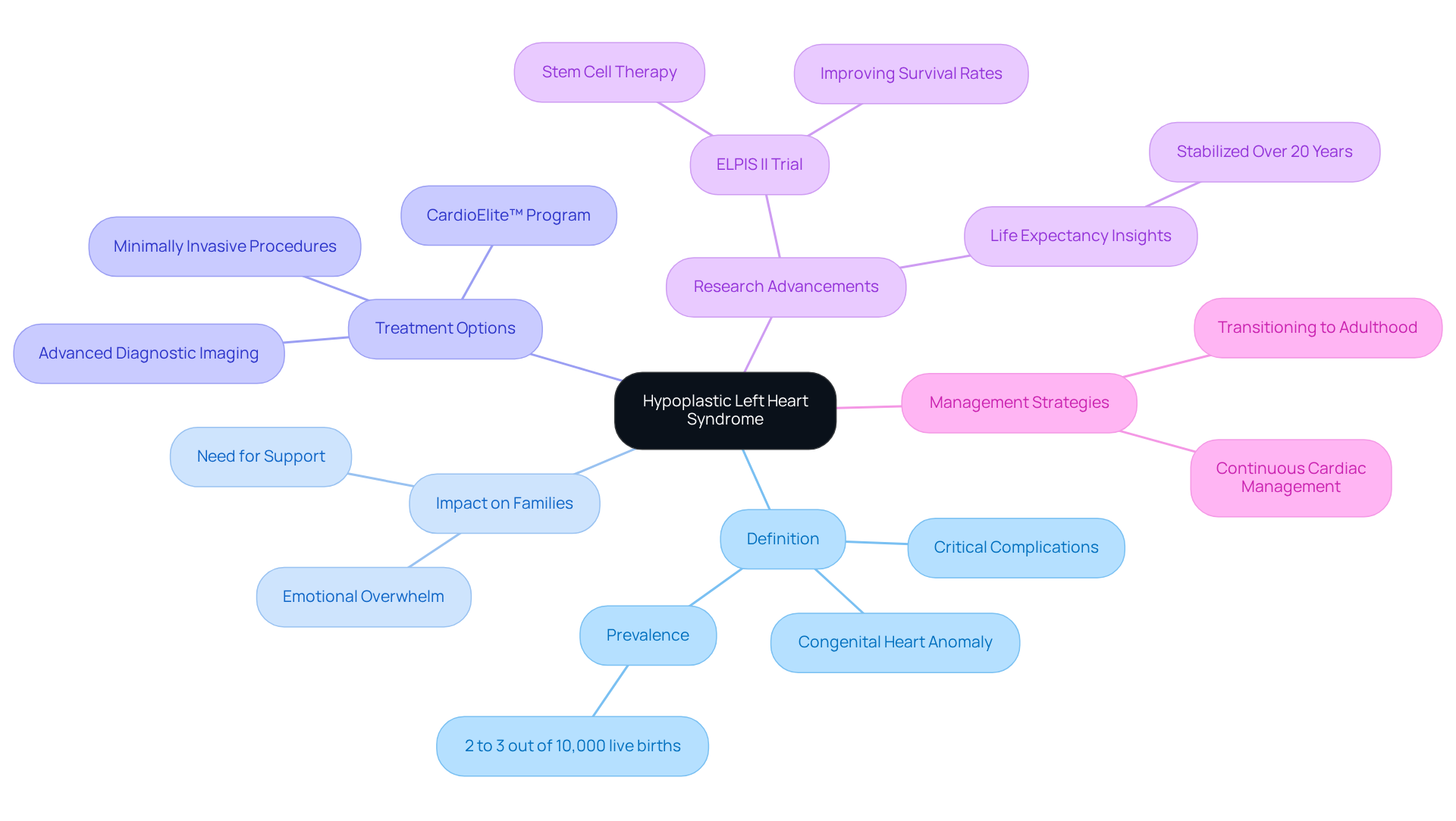
Hypoplastic Left Heart Syndrome is a serious congenital heart anomaly that affects the left side of the heart, including the left ventricle, aortic valve, and related structures. This condition disrupts normal blood flow, leading to critical complications shortly after birth. It occurs in about 2 to 3 out of every 10,000 live births, making prompt medical intervention essential for survival.
At Amavita Heart and Vascular Health®, we understand how overwhelming this diagnosis can be for families. We are dedicated to providing specialized cardiovascular services for individuals at high risk. Our team employs and minimally invasive procedures to improve treatment outcomes, ensuring same-day convenience for those we serve.
In addition to this, recent advancements like the ongoing ELPIS II trial, which tests a , aim to enhance survival rates for infants with this specific heart condition. This brings affected by HLHS. Furthermore, the publication titled 'Defining Expectations for Infants With Hypoplastic Left Heart Syndrome Who Survive Initial Surgical Palliation' offers valuable insights into the , helping families understand what to expect.
It's important to recognize that the has stabilized over the past twenty years. This emphasizes the necessity for ongoing research and support. Our innovative ensures that families comprehend the significance of , especially as transition into adulthood.
Amavita's CardioElite™ program further supports comprehensive management, acting as a clinical force multiplier for patient oversight. Our goal is to reduce readmissions and enhance the quality of treatment for individuals with complex cardiac conditions. If you have concerns or questions, please reach out to us. We’re here to help you navigate this journey with compassion and care.
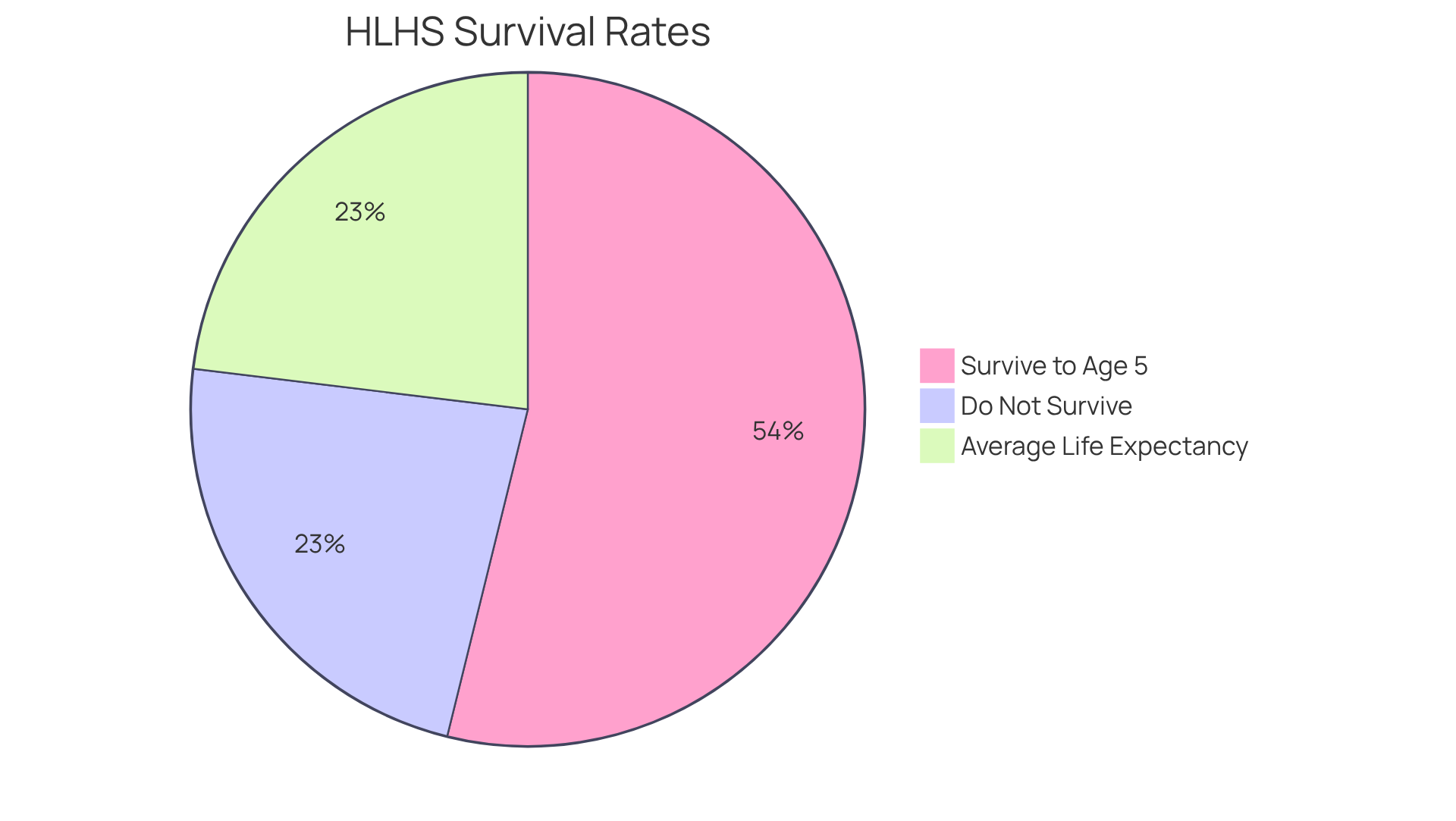
Recent advancements in and post-operative care have significantly improved the for children diagnosed with this condition. Did you know that around 70% of children with this condition now survive to age 5? Many even go on to live into their late teens and beyond. While these statistics are encouraging, it’s important to recognize that the for individuals with HLHS remains around 30 years. This highlights the ongoing need for continuous to manage as they transition into adulthood.
Surgical procedures are crucial for enhancing , but they are just one part of the equation. are essential for optimizing . Specialists in the field emphasize that the integration of innovative surgical methods has been vital in improving . They focus on creating that adapt to the evolving needs of patients throughout their lives.
If you or a loved one is navigating this journey, remember that you are not alone. There are you need. Together, we can work towards a healthier future.
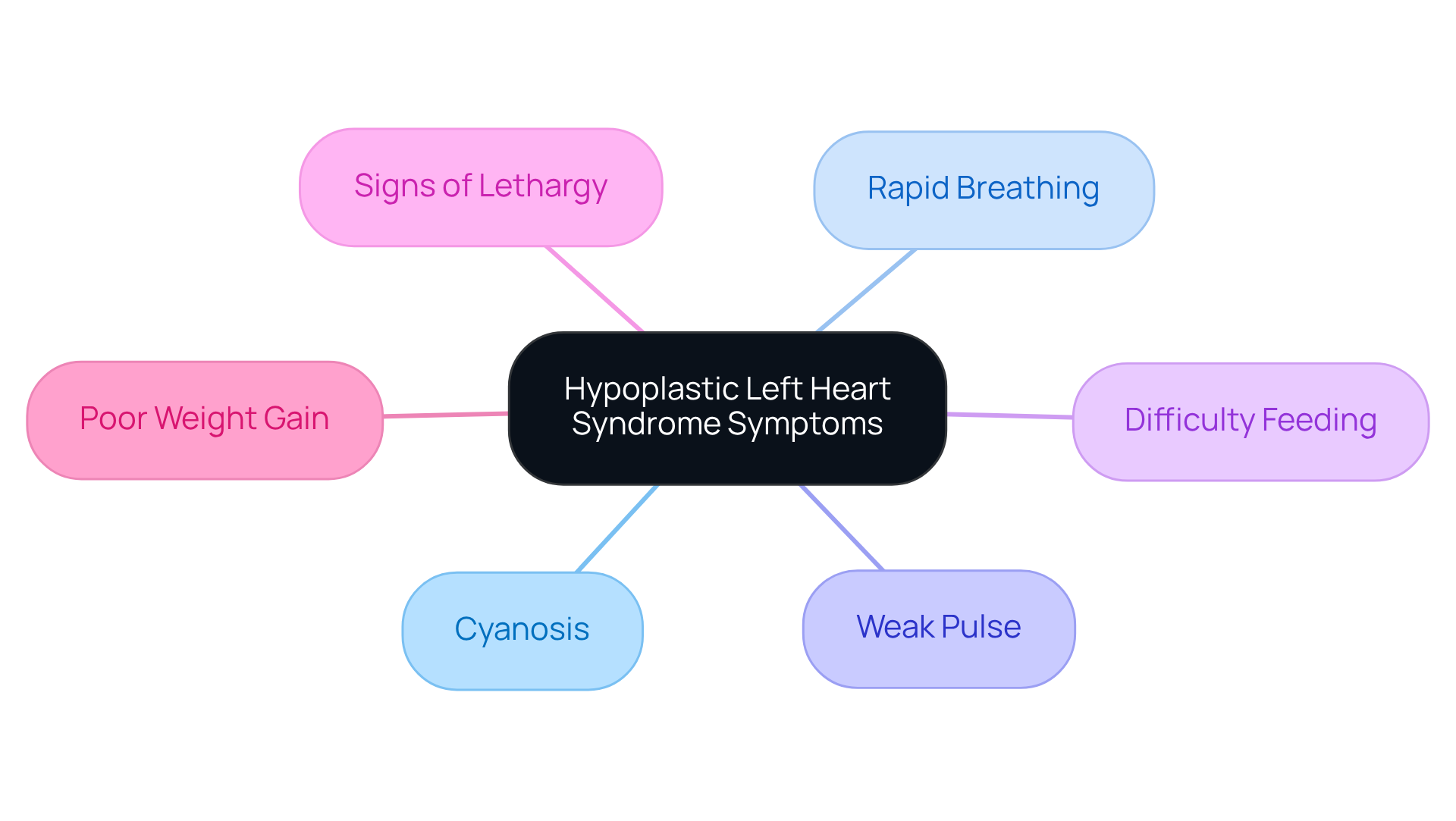
Symptoms of Hypoplastic Left Heart Syndrome often show up shortly after birth, and they can be concerning for parents. You might notice:
Recognizing these symptoms early is crucial; prompt can make a significant difference in your child's prognosis and the along with .
With Amavita's innovative AI-driven diagnostic technology, healthcare professionals are better equipped to identify this condition early. This means that can be made, ultimately enhancing . Pediatricians stress the importance of ; in fact, 1 in 4 babies born with a heart defect will need surgical intervention within their first year. This statistic underscores the urgency of recognizing these symptoms.
By staying informed and vigilant, you can play a vital role in your child's health journey. Remember, you are not alone in this; are available to support proactive care. Your awareness and action can lead to for your little one.
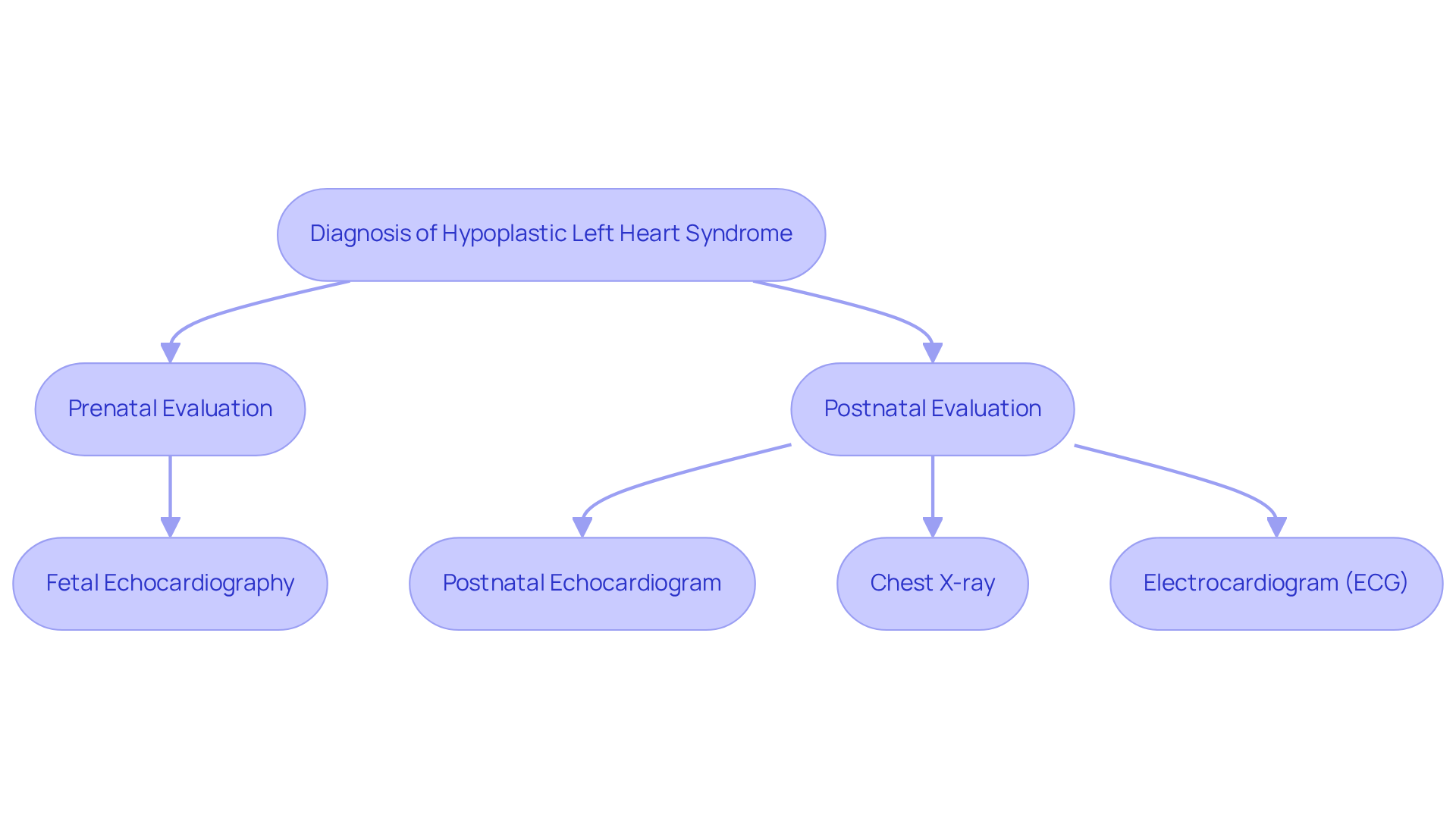
Diagnosing Hypoplastic Left Heart Syndrome requires a thoughtful approach that brings together both prenatal and postnatal evaluations. Have you ever wondered how early detection can make a difference? , as it can identify heart defects before birth, allowing families to plan for . Research indicates that of over 90% in detecting this congenital heart defect.
After birth, and understanding the severity of the condition. In addition to this, tests like chest X-rays and electrocardiograms (ECGs) help evaluate heart function and structure, giving a complete picture of the infant's cardiovascular health. ; it can significantly enhance survival rates and positively impact by empowering healthcare providers to implement the right interventions promptly.
Cardiologists emphasize that quick identification can lead to better outcomes. This highlights the importance of in addressing congenital heart conditions, especially considering . Remember, you’re not alone in this journey. Seeking help and understanding your options can lead to a brighter future for your little one.
Treatment for Hypoplastic Left Heart Syndrome can feel overwhelming, but understanding the journey ahead can bring comfort. Typically, it involves a series of critical surgeries known as staged reconstruction, including the , , and . Each surgery is designed to progressively improve blood flow and oxygenation, addressing the unique challenges posed by this congenital heart defect.
The , performed shortly after birth, establishes unobstructed systemic perfusion. While it carries a ranging from 5% to 40%, depending on various factors, many families find hope in the possibilities that follow. Following this, the is usually conducted around 4-6 months of age, further enhancing circulation by connecting the superior vena cava directly to the pulmonary artery. Finally, the , typically performed between ages 2-3, aims to reduce cyanosis and achieve nearly normal oxygen saturation.
In some cases, may be necessary, especially for patients who do not respond adequately to surgical interventions. It's important to know that statistics indicate the , with an estimated survival rate at 10 years post-Fontan procedure being between 70-85%. This highlights the significance of these staged surgeries in improving the and long-term outcomes for children with HLHS.
Families should also be aware of the importance of , which includes medications and regular follow-ups with a cardiologist to monitor heart function and overall health. Success stories from families, like that of Colton, an eight-month-old thriving after his surgeries, underscore the potential for a fulfilling life post-treatment. Colton is anticipated to live with few limitations, thanks to the extensive support offered by his medical team.
Insights from cardiothoracic surgeons emphasize the necessity of a multidisciplinary approach to ensure the best possible outcomes for children undergoing these complex procedures. Remember, you’re not alone on this journey; support is available every step of the way.

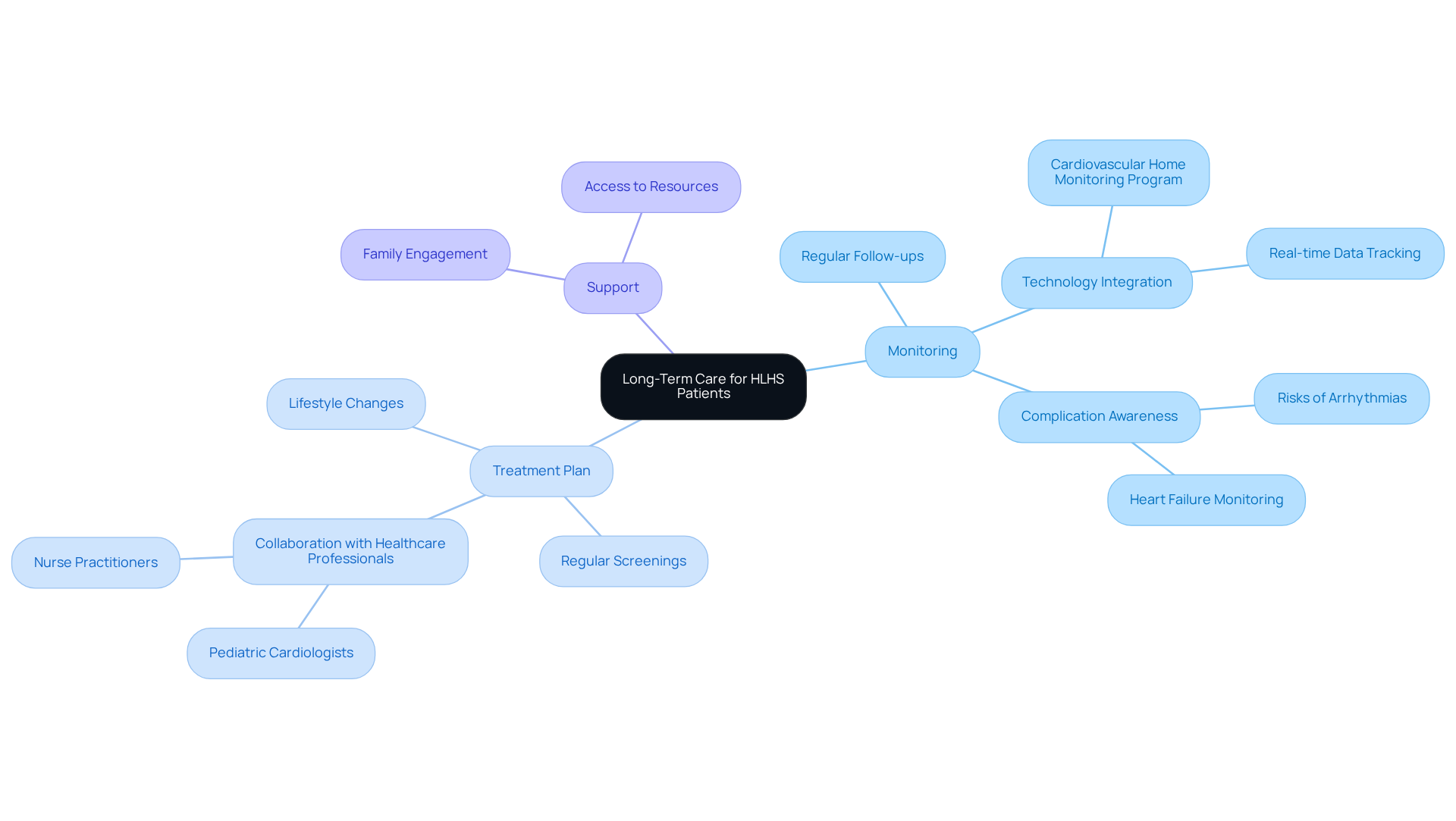
Long-term care for individuals with Hypoplastic Left Heart Syndrome (HLHS) is crucial for ensuring the best possible . Regular follow-up appointments with a are vital for . As individuals transition into adulthood, they may encounter risks like arrhythmias, , and other cardiovascular issues. Did you know that studies show less than 5% of individuals experience interstage mortality? This highlights the effectiveness of proactive monitoring and intervention strategies.
A comprehensive treatment plan should encompass:
For instance, the at Riley Children's Health illustrates the positive impact of continuous health tracking on patient outcomes. This program has achieved an impressive from birth to the first birthday, significantly reducing growth failure and enhancing support involvement.
Moreover, pediatric heart specialists emphasize the importance of watching for complications related to this condition. Prompt actions can significantly lower risks and improve quality of life. By integrating technology with personalized care, healthcare providers empower individuals and their families to manage their condition effectively, which can lead to a better prognosis and improved .
If you or a loved one is navigating this journey, remember that support is available. Reach out to your healthcare team; they are here to help you every step of the way.
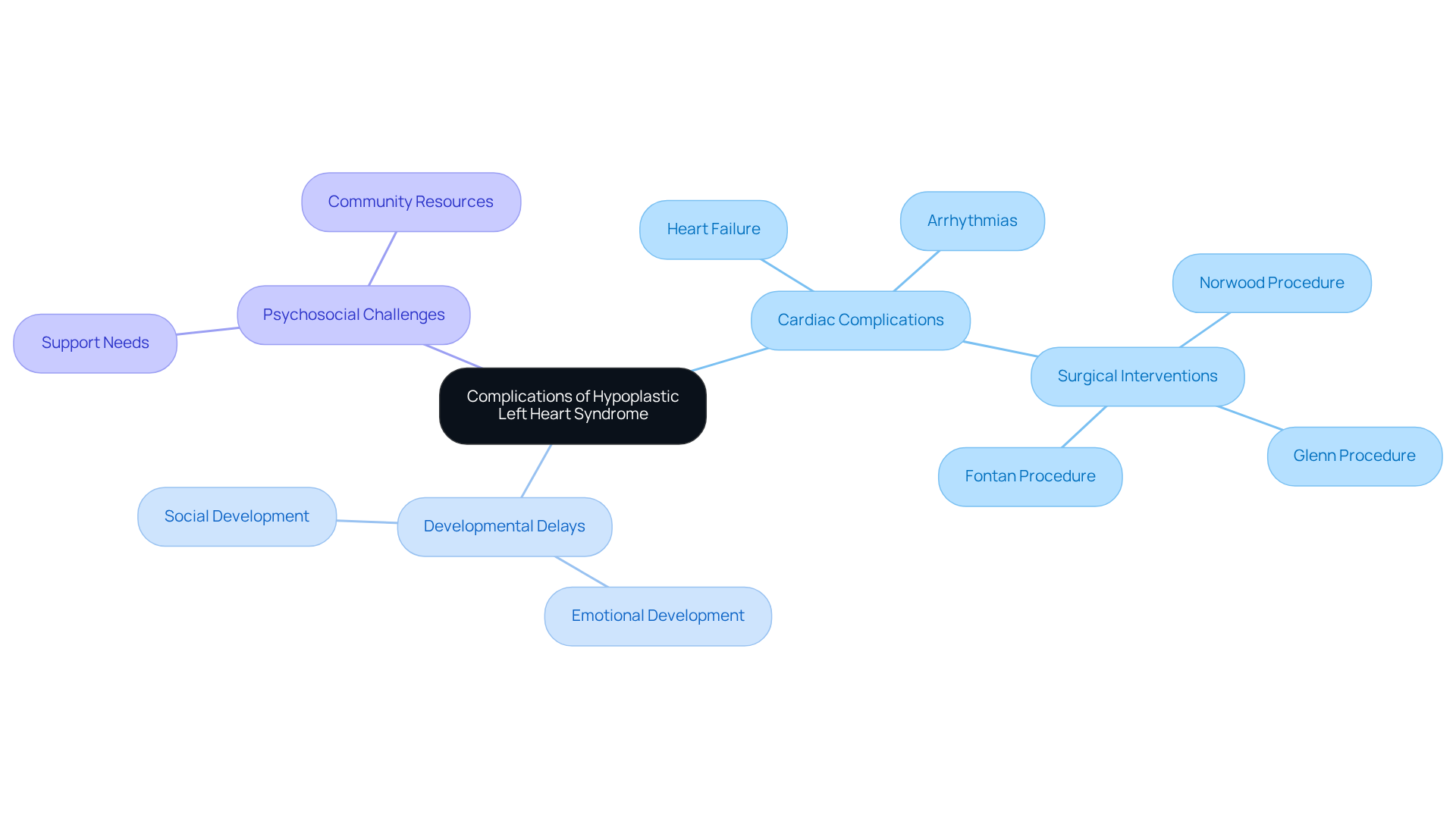
Children with Hypoplastic Left Heart Syndrome experience a range of challenges that can significantly impact their health, which in turn relates to their . One of the most pressing concerns related to is , which can stem from the heart's structural issues and the effects of surgical interventions. Did you know that research indicates normalization of right ventricular function is crucial? Those who achieve this for at least 30 days enjoy a remarkable of 78%, compared to just 14% for those who don’t.
In addition to cardiac complications, these children often experience . Many face psychosocial challenges as they grow, which can hinder their emotional and social development. Early intervention and ongoing support are vital to help them thrive and reach their full potential.
Real-life stories highlight the importance of careful management of these risks. Take JJ, for instance. He underwent several surgeries and faced significant hurdles, including a blood clot that required intensive treatment. His journey underscores the in monitoring and addressing complications as they arise.
Insights from cardiologists stress the need for tailored to each child's unique situation. To improve outcomes, it is essential to conduct regular follow-ups and and developmental milestones, particularly in relation to hypoplastic left heart syndrome life expectancy. By understanding these risks, families can better advocate for their child's health, ensuring timely interventions and support throughout their journey. Remember, you’re not alone in this - there’s a community ready to help you navigate these challenges.
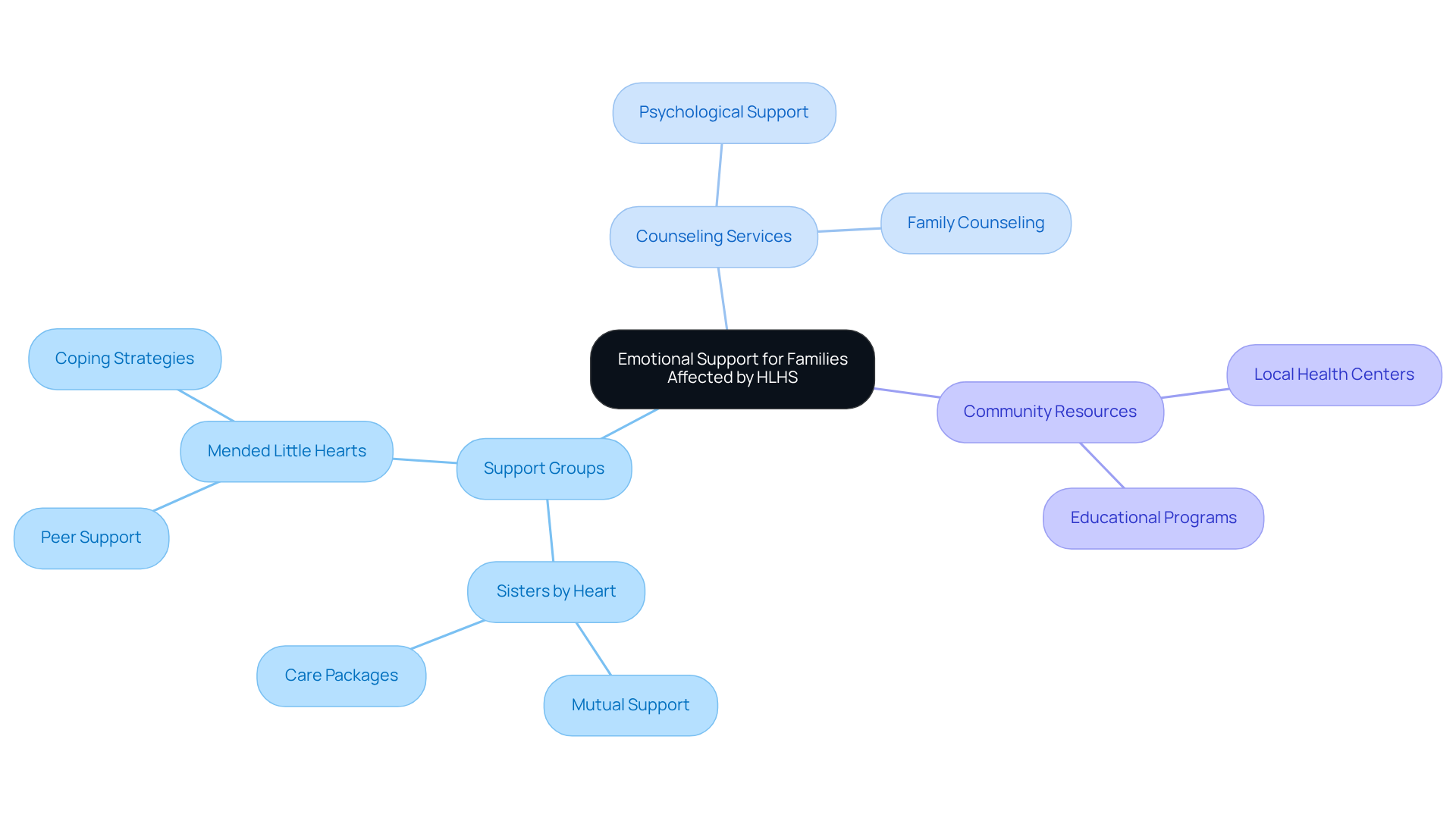
Families navigating the complexities of often face emotional hurdles that can feel overwhelming. It's completely natural to experience heightened anxiety and stress regarding your child's health. Fortunately, access to , counseling services, and can provide the you need during this challenging time. Organizations like Sisters by Heart and local health centers create essential networks that connect families facing similar challenges, fostering a sense of community and shared experience. These connections can help alleviate feelings of isolation, enabling families to manage their circumstances more effectively.
offer more than just a platform for sharing experiences; they also provide practical resources and coping strategies. For instance, aims to inspire hope and enhance the quality of life for heart patients and their loved ones. They facilitate peer-to-peer support, helping caregivers navigate the emotional landscape of caring for a child with HLHS. The impact of these groups goes beyond ; they serve as , ensuring caregivers are well-informed about their child's condition and treatment options.
Psychologists emphasize the importance of community support in alleviating the of chronic illness on families. Engaging with others who understand the unique challenges of HLHS can foster resilience and provide essential coping strategies for maintaining mental well-being. Additionally, families are encouraged to take a proactive approach by asking questions during medical appointments. This can lead to a better understanding and management of their child's care. By leveraging these resources, families can cultivate a supportive environment that addresses not only their child's medical needs but also nurtures their emotional health.
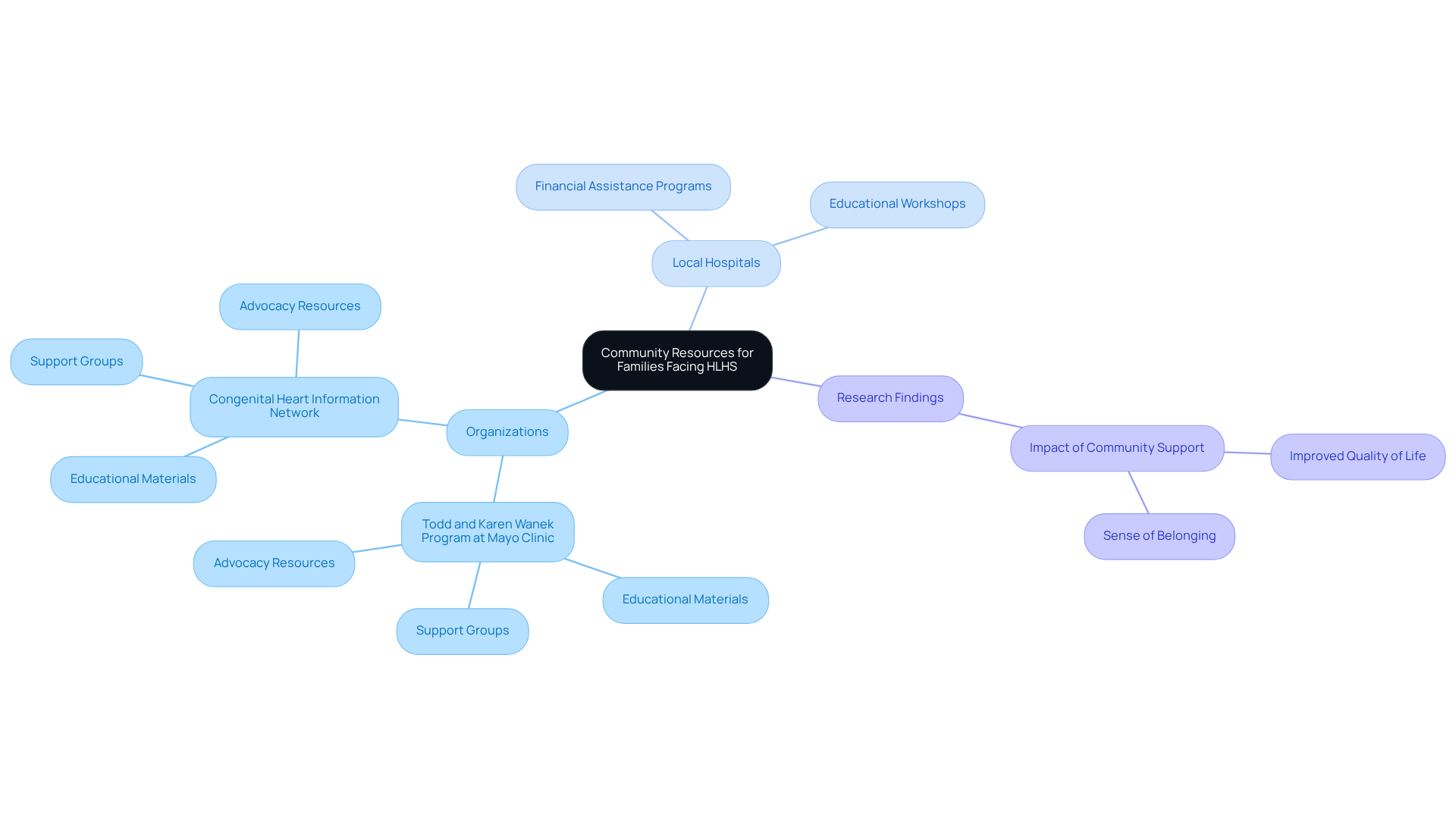
Families facing Hypoplastic Left Heart Syndrome often find themselves overwhelmed, but there’s a wealth of . Organizations like the Todd and Karen Wanek Program at Mayo Clinic and the Congenital Heart Information Network offer a variety of , , and . These programs not only foster connections among families but also empower them with vital information about and exploring care options.
In addition to these organizations, local hospitals and health systems frequently provide and educational workshops. These initiatives play a crucial role in helping families navigate the complexities of HLHS, ensuring they have the tools and knowledge necessary to advocate for their child's health.
Have you considered how community support can enhance your family's experience? Research shows that these programs significantly improve the quality of life for families, creating a sense of belonging and shared experience among those affected by congenital heart defects.
Remember, you’re not alone in this journey. There are compassionate resources ready to help you every step of the way.
The journey through Hypoplastic Left Heart Syndrome (HLHS) can be incredibly challenging, but recent advancements in medical care and community support bring hope and reassurance to families. It's heartening to know that life expectancy for children with HLHS has improved significantly, with many now thriving into their late teens and beyond. This highlights the vital role of specialized care and continuous monitoring. The message is clear: with the right treatment and support, individuals with HLHS can lead fulfilling lives.
Key insights show that:
are essential for enhancing survival rates and managing complications associated with HLHS. Families are encouraged to stay vigilant in recognizing symptoms, seeking timely medical intervention, and engaging with community resources that offer emotional and practical support. Organizations dedicated to HLHS play a crucial role in fostering a sense of belonging and empowerment among affected families.
As our understanding of Hypoplastic Left Heart Syndrome evolves, so does the potential for improved outcomes. Families facing this condition should actively seek out both medical and emotional resources to navigate their unique journey. By leveraging available support networks and staying informed about the latest advancements in care, families can advocate effectively for their children's health, ultimately leading to a brighter future filled with possibilities.
What is Hypoplastic Left Heart Syndrome (HLHS)?
Hypoplastic Left Heart Syndrome is a serious congenital heart anomaly that affects the left side of the heart, including the left ventricle and aortic valve. It disrupts normal blood flow and can lead to critical complications shortly after birth.
How common is Hypoplastic Left Heart Syndrome?
HLHS occurs in about 2 to 3 out of every 10,000 live births, making prompt medical intervention essential for survival.
What specialized care does Amavita Heart and Vascular Health provide for HLHS?
Amavita offers comprehensive care under the guidance of Dr. Pedro Martinez-Clark, utilizing advanced surgical techniques, personalized treatment plans, and cutting-edge technology like N-13 Ammonia Cardiac PET/CT imaging for early detection of heart disease.
What advancements have been made in the treatment of HLHS?
Recent advancements include innovative surgical techniques, minimally invasive procedures, and ongoing clinical trials, such as the ELPIS II trial testing new stem cell therapy to enhance survival rates for infants with HLHS.
What is the life expectancy for children with Hypoplastic Left Heart Syndrome?
Approximately 70% of children with HLHS survive to age 5, with many living into their late teens and beyond. However, the average life expectancy remains around 30 years, highlighting the need for continuous medical support.
Why is long-term monitoring important for individuals with HLHS?
Long-term monitoring and specialized support are essential for optimizing health outcomes and managing potential complications as patients transition into adulthood.
What is Amavita's CardioElite™ program?
The CardioElite™ program supports comprehensive management of patients with complex cardiac conditions, aiming to reduce readmissions and enhance the quality of treatment.
How can families get support while dealing with HLHS?
Families are encouraged to reach out to Amavita Heart and Vascular Health for support and guidance throughout their journey, ensuring they receive compassionate care and assistance.