


Recognizing the signs of a low heart rate is essential for elderly patients. These symptoms can often be subtle, yet they serve as significant indicators of underlying health issues. With many older adults facing conditions like bradycardia, understanding the key warning signs can empower both individuals and their caregivers to take proactive steps toward better cardiovascular health.
What happens when these signs go unnoticed? The potential risks, such as falls and serious complications, highlight the importance of staying informed and vigilant. This article will explore ten critical signs of low heart rate that every elderly patient should be aware of. By understanding these signs, timely medical intervention can lead to improved outcomes and a better quality of life. Remember, you’re not alone in this journey; support is available, and taking action can make a real difference.
Feeling dizzy or lightheaded can be concerning, especially when it happens unexpectedly. This sensation often occurs when the heart struggles to pump enough blood to the brain, a situation that can be worsened by bradycardia, which is one of the [signs of low heart rate](https://amavita.health/blog/10-key-steps-for-your-gae-patient-story-recovery-journey). You might notice this feeling more when you stand up quickly or engage in physical activities.
Did you know that studies show one in three older adults aged 65 and older experience dizziness? The numbers climb even higher, reaching 50% for those over 85. Such episodes can significantly increase the risk of falls, which are the leading cause of accidental death in this age group. It’s important for elderly patients to pay attention to these sensations. Frequent or severe dizziness can lead to serious injuries, and we want to help you stay safe.
Consulting a healthcare provider is essential for assessing your heart function and overall health. In fact, older adults who experience dizziness are over 60% more likely to fall in the future. Addressing these symptoms promptly can help prevent falls and enhance your quality of life. Remember, you’re not alone in this; reaching out for support is a strong and positive step towards better health.

Unexplained fatigue is a common concern among elderly individuals exhibiting signs of low heart rate, like bradycardia. This fatigue can linger and often doesn’t improve with rest, which can be quite distressing. It’s important for you to keep track of your energy levels and share any significant changes with your healthcare provider. This could indicate the presence of signs of low heart rate, suggesting that your heart isn’t functioning as well as it should be.
At Amavita Heart and Vascular Health, we truly understand the unique cardiovascular challenges faced by elderly individuals. Our advanced diagnostic tools and thorough evaluations are designed to uncover any underlying issues, helping to enhance your health outcomes. We’re committed to ensuring that you receive the targeted care you need.
If you’re feeling fatigued or have concerns about your heart health, please don’t hesitate to reach out. We’re here to support you every step of the way.

[Shortness of breath during exertion](https://interimhealthcare.com/blog/what-shortness-of-breath-says-about-your-elderly-loved-ones) is a common concern for many older adults, affecting about 20-25% of this population. This symptom often signals that there are signs of low heart rate, indicating the heart is struggling to provide enough oxygenated blood to the body. If you’re experiencing fatigue, dizziness, or confusion along with shortness of breath, it’s important to recognize these symptoms as signs of low heart rate, which may indicate a decrease in cardiac function or other serious health issues.
Cardiologists stress the importance of acknowledging shortness of breath as a critical warning sign. As one specialist wisely noted, "The main issue in cardiac failure is not that patients struggle for air; the issue is that they pass away." This underscores the need for timely medical assessment when such symptoms arise.
At Amavita, we understand that shortness of breath can be linked to heart valve disease, where faulty valve function forces the heart to work harder, leading to breathlessness and fatigue. Our CardioElite™ program serves as a clinical force multiplier, providing comprehensive cardiovascular management that includes advanced diagnostic tools and minimally invasive treatments. These procedures can repair or replace damaged valves without the need for open-heart surgery, significantly improving breathing and energy levels, often allowing for same-day discharge.
If you or a loved one is facing shortness of breath, please don’t hesitate to seek medical care, especially if the issue is new or worsening. Specific symptoms that require immediate attention include:
Early intervention through our personalized treatment plans can lead to better management of underlying conditions and greatly enhance quality of life. Understanding these signs and their implications is vital for maintaining cardiovascular health and overall well-being in older adults.

Chest pain or discomfort can be a sign that your heart is struggling to pump blood effectively, which means your muscles might not be getting enough oxygen. This can be particularly concerning for older adults. Did you know that research shows exertional chest discomfort is a significant predictor of coronary artery disease mortality? In fact, studies indicate that older individuals experiencing chest pain during exertion face a relative risk of:
It's crucial not to overlook these symptoms. If you or someone you know experiences chest pain, especially when accompanied by dizziness or shortness of breath, please seek medical evaluation promptly. Remember, timely assessment can lead to interventions that significantly improve outcomes for seniors experiencing chest discomfort. Your health matters, and reaching out for help is a strong and important step.

Fainting or near-fainting episodes can be concerning, especially when they occur as signs of low heart rate, which affects blood circulation to the brain. These situations can lead to falls and serious injuries, and it's important to recognize that syncope accounts for 1-3% of hospital admissions and emergency room visits, often linked to cardiovascular issues.
As we age, the cumulative incidence of syncope increases, reaching up to 50% in women aged 80 and above. If you or a loved one experiences fainting episodes, it's crucial to inform a healthcare provider promptly. These incidents may indicate signs of low heart rate, which can be associated with serious underlying conditions such as arrhythmias or valve disease. Symptoms of arrhythmias can include palpitations, dizziness, and fatigue, while valve disease may present with breathlessness and swelling.
Neurologists emphasize that fainting in older adults can have profound implications, often leading to functional impairment similar to other chronic diseases. Furthermore, near-fainting episodes are particularly common among seniors, highlighting the importance of awareness and proactive management of signs of low heart rate.
Consider initiatives like Amavita's CardioElite™, which enhances cardiac care and helps reduce readmissions. Remember, you are not alone in this journey. Seeking help and support can make a significant difference in your health and well-being.

Are you feeling confused or having trouble concentrating? These feelings can sometimes stem from decreased blood circulation to the brain, which may indicate signs of low heart rate, a condition known as bradycardia, where the pulse rate is slower than usual. Many people mistakenly think these symptoms are just part of aging or even dementia, but it’s important to understand the underlying causes.
Did you know that nearly 130 million adults in the United States live with some form of cardiovascular disease? Up to 81% of individuals with heart failure may experience cognitive decline. This highlights the critical need to assess cardiovascular health as a potential reason for these cognitive changes. By addressing cardiovascular issues early, we can significantly improve cognitive outcomes, as emphasized by geriatricians.
At Amavita Heart and Vascular Health, we recognize that individuals at high risk - such as those with diabetes, hypertension, or a family history of heart disease - may greatly benefit from advanced imaging and thorough evaluations. If you’re experiencing symptoms like confusion or difficulty concentrating, it’s essential to talk to your healthcare provider. They can help rule out any cardiovascular concerns and ensure you receive the appropriate management.
Our sophisticated diagnostic tools are designed to enhance outcomes and reduce hospital readmissions. By tackling these cardiovascular challenges together, we can improve your overall health and quality of life. Remember, you’re not alone in this journey; we’re here to support you every step of the way.

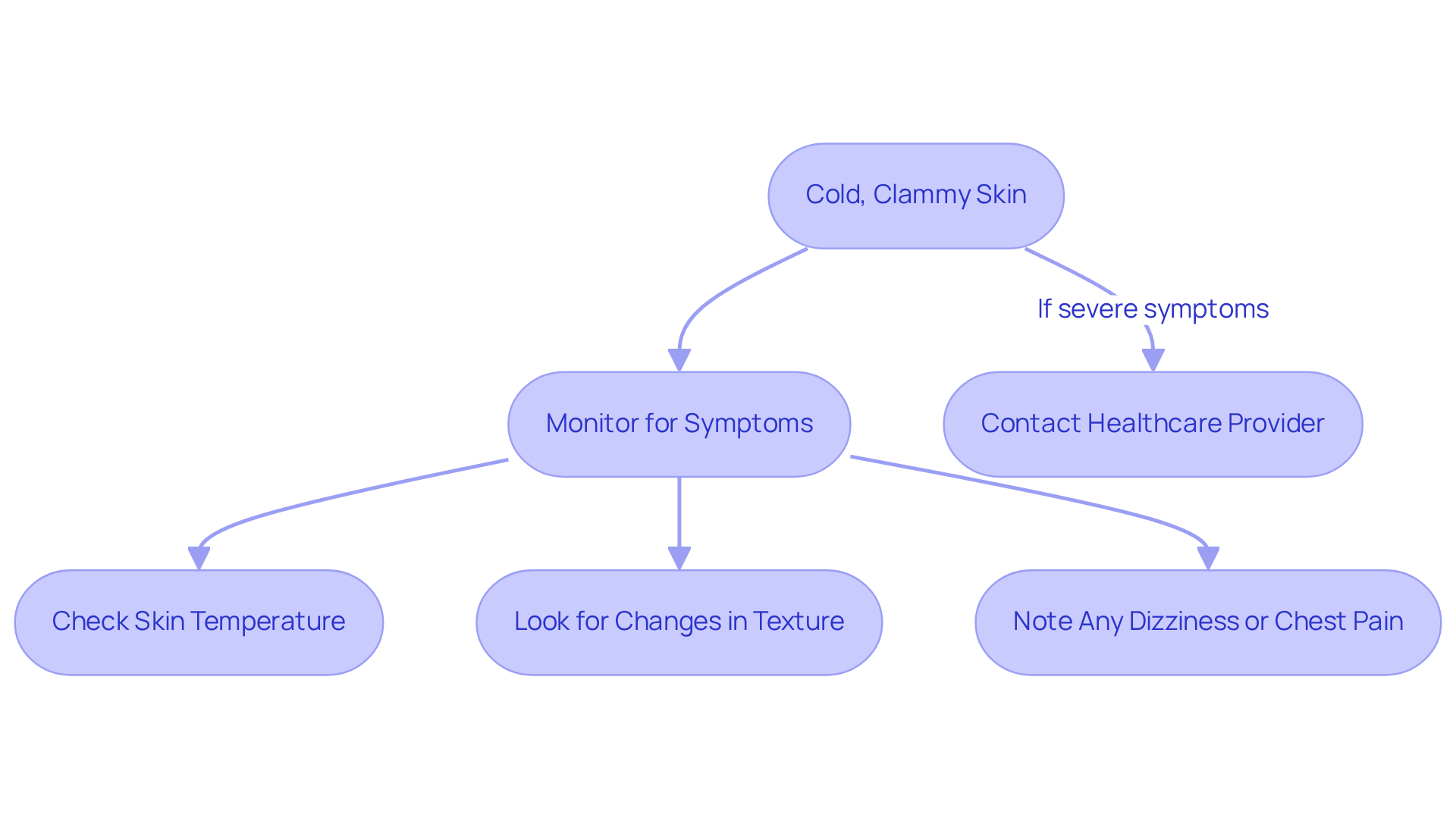
Cold, clammy skin can be a concerning sign of low heart rate, which is often associated with inadequate blood flow. This situation suggests that your body might not be getting enough oxygen-rich blood, which is especially important for older adults to be aware of. Have you noticed any changes in your skin temperature or texture? It’s crucial to monitor for signs of low heart rate and share them with your healthcare provider, particularly if you experience dizziness or chest pain.
Recognizing these indicators early can lead to timely medical assistance, which is vital for maintaining your cardiovascular health. Remember, you’re not alone in this; reaching out for help is a strong and positive step towards taking care of yourself. Your health matters, and being proactive can make all the difference.
Many older adults with bradycardia often feel irregular pulse sensations, like palpitations or a racing heart. These feelings can be quite distressing, and it’s important to talk to a healthcare provider about them. Did you know that around 9% of adults aged 80 to 89 experience atrial fibrillation? This condition can show up as those unsettling palpitations.
In addition to this, cardiology experts emphasize the need for awareness. Many individuals may notice vague signs of low heart rate, such as fatigue and dizziness, which could be linked to underlying rhythm issues. It’s vital for elderly patients to keep an eye on their pulse rhythm and understand what it means for their heart health.
Furthermore, having open conversations about these sensations with medical professionals can lead to better management of any issues and enhance overall cardiovascular health. Remember, you’re not alone in this journey, and reaching out for support can make a significant difference.

Bradycardia, characterized by a slow pulse rate of fewer than 60 beats per minute, can be a concern as it may present signs of low heart rate, especially for older adults. Did you know that about 1 in every 1000 individuals experiences this condition? As we age, particularly after 65, we may notice signs of low heart rate becoming more common. Regularly monitoring your pulse is crucial, especially if you notice signs of low heart rate like dizziness, fatigue, or confusion. These signs of low heart rate could suggest underlying issues such as arrhythmias or valve disease.
If you notice signs of low heart rate, like a pulse that is slower than normal, it’s important to reach out to a healthcare provider for further evaluation and management. Early diagnosis and treatment are vital, as untreated bradycardia can lead to serious health problems, including fainting and heart failure.
At Amavita Heart and Vascular Health®, we understand how daunting health concerns can be. That’s why our innovative AI-powered CardioElite™ program is designed to enhance early detection through advanced diagnostic technology, providing real-time guidance and accurate imaging.
We offer comprehensive arrhythmia management and heart valve disease treatments tailored to the needs of elderly individuals. Our goal is to ensure that you receive the care you deserve, significantly improving health outcomes and allowing for timely interventions that enhance your quality of life. Remember, you’re not alone in this journey; we’re here to support you every step of the way.

If you're an elderly patient feeling fatigued, dizzy, or faint, you may be experiencing signs of low heart rate, and it's really important to seek medical attention right away. Timely intervention can make all the difference in preventing complications related to signs of low heart rate, such as falls or more serious cardiovascular issues. Did you know that nearly 6.2% of seniors experience signs of low heart rate? This highlights the need for careful observation and support.
Regular check-ups and open communication with your healthcare provider are key to maintaining heart health. Remember, experts agree that early identification of signs of low heart rate can significantly improve patient outcomes. This means that timely medical interventions can help prevent serious complications down the line.
Caregivers play a crucial role in this journey. They ensure that those at higher risk receive thorough assessments and the preventive measures needed for optimal cardiovascular health. So, if you or someone you care about is experiencing these symptoms, don’t hesitate to reach out for support. You’re not alone in this, and there are people ready to help you every step of the way.

Recognizing the signs of a low heart rate is vital for elderly patients, as it can significantly affect their overall health and well-being. Are you aware of symptoms like:
Being mindful of these can lead to timely medical intervention, helping to prevent serious complications. The importance of monitoring these signs cannot be overstated; early detection and action can greatly enhance quality of life and reduce risks associated with potential cardiovascular issues.
Throughout this article, we’ve explored key indicators of low heart rate in depth. Symptoms such as:
underscore the need for vigilance among seniors and their caregivers. By understanding these signs and seeking medical attention promptly, individuals can address underlying health concerns before they escalate, ensuring better management of cardiovascular health.
In light of this information, it’s essential for elderly individuals and their families to prioritize regular health check-ups and maintain open communication with healthcare providers. Taking proactive steps to recognize and address the signs of low heart rate can lead to improved health outcomes and a more active, fulfilling life. Remember, you’re not alone in this journey-support is available, and seeking help is a vital step toward safeguarding your heart health.
What causes dizziness or lightheadedness in older adults?
Dizziness or lightheadedness often occurs when the heart struggles to pump enough blood to the brain, which can be exacerbated by bradycardia, a sign of low heart rate. This sensation may be more noticeable when standing up quickly or during physical activities.
How common is dizziness among older adults?
Studies show that one in three older adults aged 65 and older experience dizziness, and this number increases to 50% for those over 85.
Why is it important for elderly patients to address dizziness?
Frequent or severe dizziness can significantly increase the risk of falls, which are the leading cause of accidental death in older adults. Consulting a healthcare provider is essential for assessing heart function and overall health to help prevent falls.
What should older adults do if they experience unexplained fatigue?
Older adults experiencing unexplained fatigue should track their energy levels and share any significant changes with their healthcare provider, as this could indicate signs of low heart rate and potential heart function issues.
What percentage of older adults experience shortness of breath during exertion?
Shortness of breath during exertion affects about 20-25% of older adults.
What does shortness of breath indicate in older adults?
Shortness of breath often signals signs of low heart rate, indicating that the heart may be struggling to provide enough oxygenated blood to the body. It is crucial to recognize this symptom as a warning sign of possible serious health issues.
What are some specific symptoms that require immediate medical attention?
Symptoms requiring immediate attention include chest pain, nausea, and a bluish tint to the lips.
How can Amavita Heart and Vascular Health assist with cardiovascular issues?
Amavita offers advanced diagnostic tools and minimally invasive treatments for managing cardiovascular health, including procedures that can repair or replace damaged heart valves, significantly improving breathing and energy levels.