


Are you or a loved one experiencing unusual symptoms that could signal heart trouble? Recognizing the warning signs of coronary heart disease is essential for older adults, as early detection can significantly improve outcomes. Let’s explore ten key symptoms to watch for, from chest pain to unexplained fatigue, so you can stay aware and proactive about your health.
As heart disease becomes more common among seniors, you might wonder: how can you tell if what you’re feeling is just aging or something more serious? Understanding these signs can empower you to seek help and take control of your heart health.
Have you ever felt a strange pressure in your chest that left you wondering if it was something serious? Chest pain or discomfort, frequently characterized by a sensation of pressure, squeezing, or fullness, can be one of the signs of coronary heart disease. For older individuals, this feeling might not always be intense or localized, making it crucial to recognize the subtle differences. Some seniors may notice discomfort radiating to their arms, neck, jaw, or back, which can easily be mistaken for other issues.
If you ever feel chest pain, please don’t hesitate to reach out for help; it’s always better to be safe. In addition to this, if chest pain is accompanied by other symptoms like shortness of breath or sweating, it’s vital to seek immediate medical evaluation. Here at Amavita Heart and Vascular Health®, we’re dedicated to providing you with the best care possible. Our innovative AI-powered CardioElite™ program features portable, FDA-cleared AI ultrasound for bedside cardiac diagnostics. This technology offers real-time guidance and accurate imaging, ensuring prompt identification of any signs of coronary heart disease.
Furthermore, our thorough cardiac assessments and tailored preventive approaches can significantly reduce the risk of attacks in older individuals. Remember, your health is too important to ignore; reaching out for help can make all the difference.

Have you ever felt a sudden tightness in your chest or struggled to catch your breath while climbing stairs? Shortness of breath during physical activities can be concerning, especially as it may indicate that your heart isn't pumping as effectively as it should. For older individuals, this symptom can signal signs of coronary heart disease or heart failure. It's concerning to know that around 6.7 million Americans over 20 are living with heart failure, and this number is expected to grow to 8.7 million by 2030. This reality can feel daunting, but you're not alone in this journey.
If you notice that you're feeling more breathless than usual, especially during activities, it's important to reach out to your healthcare provider. They can help you understand what’s happening and guide you through it. Remember, shortness of breath can sometimes be the only one of the signs of coronary heart disease, even if you've never had lung issues before. This can be alarming, but understanding it is the first step towards getting the help you need.
Interventions such as prescribed medications, lifestyle changes, and advanced therapies like cardiac rehabilitation can effectively manage this symptom and improve your overall heart health. By addressing these symptoms early, you can take a significant step towards a healthier, more active life. Programs like Amavita's CardioElite™ offer comprehensive cardiovascular management, with advanced diagnostic tools and ongoing support to help reduce hospital readmissions and enhance your outcomes. You're not just a statistic; your health matters, and there are resources available to support you.

Have you ever felt unusually tired after simple tasks, wondering if it’s just a part of getting older? Unexplained fatigue or weakness can serve as a subtle yet critical warning sign of coronary heart disease. Many individuals may notice this unusual level of tiredness after minimal exertion or experience a pervasive lack of energy. This can be confusing, as many might think it’s just a normal part of aging or due to other health problems. In fact, studies indicate that 76% of elderly adults report persistent fatigue 6-8 months after a myocardial infarction, underscoring the need for awareness of this symptom as a potential indicator of signs of coronary heart disease.
For instance, Mary, a 61-year-old, initially dismissed her overwhelming fatigue as a consequence of aging and stress. However, a thorough cardiovascular assessment uncovered early-stage congestive cardiac failure, resulting in prompt intervention and considerable enhancement in her energy levels. This underscores the importance of discussing any persistent fatigue with healthcare providers, as it may be one of the signs of coronary heart disease, indicating that the heart is not receiving adequate blood flow or is struggling to function effectively.
Many geriatricians have shared stories of seniors who overlooked their fatigue, only to later discover signs of coronary heart disease. Efficient handling of heart-related fatigue is achievable when recognized promptly, making it vital for older individuals to communicate openly about their experiences with their healthcare team. By sharing your experiences with your healthcare team, you can take the first step towards feeling more energized and healthier.

If you've ever felt a fluttering or racing sensation in your chest, you might be wondering what it means for your heart health. Palpitations can sometimes signal signs of coronary heart disease and other underlying cardiovascular conditions. For older individuals, these irregular rhythms may come with feelings of dizziness, lightheadedness, fatigue, or labored breathing, which can be concerning. As we age, it's important to be aware that conditions like atrial fibrillation become more common, affecting nearly 9% of adults aged 80 to 89. While atrial fibrillation can pose challenges, understanding it can empower you to take control of your heart health.
If you're experiencing palpitations, it's a good idea to talk to your healthcare provider, as they can help you understand what’s happening and guide you on the next steps. At Amavita, we believe that even the smallest signs of coronary heart disease deserve attention, as they can be important indicators of your overall heart health. Dr. Gina Sado reminds us that recognizing and addressing these symptoms early can make a significant difference in your health journey. By staying informed and proactive about your heart health, you can take important steps towards a healthier, more vibrant life.

Noticing swelling in your legs or feet can be concerning, and it's important to understand what it might mean for your health. This swelling, known as edema, can be a warning sign of [signs of coronary heart disease](https://hfsa.org/patient-hub/heart-failure-facts-information) and other cardiovascular conditions. It happens when your heart struggles to pump blood effectively, causing fluid to build up in your lower extremities. It's understandable to feel worried if you notice swelling, especially if you also experience signs of coronary heart disease like shortness of breath or increased fatigue.
Research shows that nearly 60% of seniors with [heart failure experience this issue](https://medicalnewstoday.com/articles/heart-failure-swollen-feet). If you notice any swelling, it's crucial to pay attention to it. Symptoms like sudden weight gain can be alarming, and reaching out for help is a positive step. Getting checked by a doctor can help uncover the reasons behind your swelling, which may include signs of coronary heart disease or other conditions.
Treatment options often include:
Real-life examples show that these strategies can significantly enhance mobility and comfort for older adults.
By recognizing and addressing edema early, you can take important steps toward feeling better and regaining your mobility. Taking action early can lead to better health and a more active life, so don’t hesitate to seek the support you deserve.

If you’ve been feeling dizzy or lightheaded, it’s completely understandable to feel worried, as these sensations can sometimes indicate underlying health issues. Dizziness or lightheadedness can be concerning [signs of coronary heart disease](https://medpagetoday.com/primarycare/geriatrics/20066) that may suggest serious cardiovascular issues, such as [arrhythmias or cardiac failure](https://nyulangone.org/news/five-heart-disease-symptoms-you-should-never-ignore).
In older individuals, these sensations frequently result from insufficient blood circulation to the brain, typically caused by signs of coronary heart disease. It’s important to know that dizziness is often linked to cardiovascular health and can be one of the signs of coronary heart disease, affecting many older adults, and understanding this can help you feel more in control.
Dr. Lawrence Phillips highlights the importance of these indicators, stating that they could signal signs of coronary heart disease or an arrhythmia. At Amavita Heart and Vascular Health, we utilize advanced diagnostic tools and continuous monitoring technology to identify specific types of arrhythmias, ensuring comprehensive arrhythmia management.
If you find yourself experiencing frequent or severe dizziness, please consider reaching out to a healthcare provider; early support can make a significant difference in your health journey. Furthermore, dizziness may also be associated with negative medication effects, which contribute to dizziness in approximately 23% of older individuals.
Considering that dizziness is a complex indication with various potential origins, it is essential for older individuals to consult healthcare providers for a thorough evaluation. Remember, reaching out for help is a brave step towards understanding your health better and ensuring your well-being.

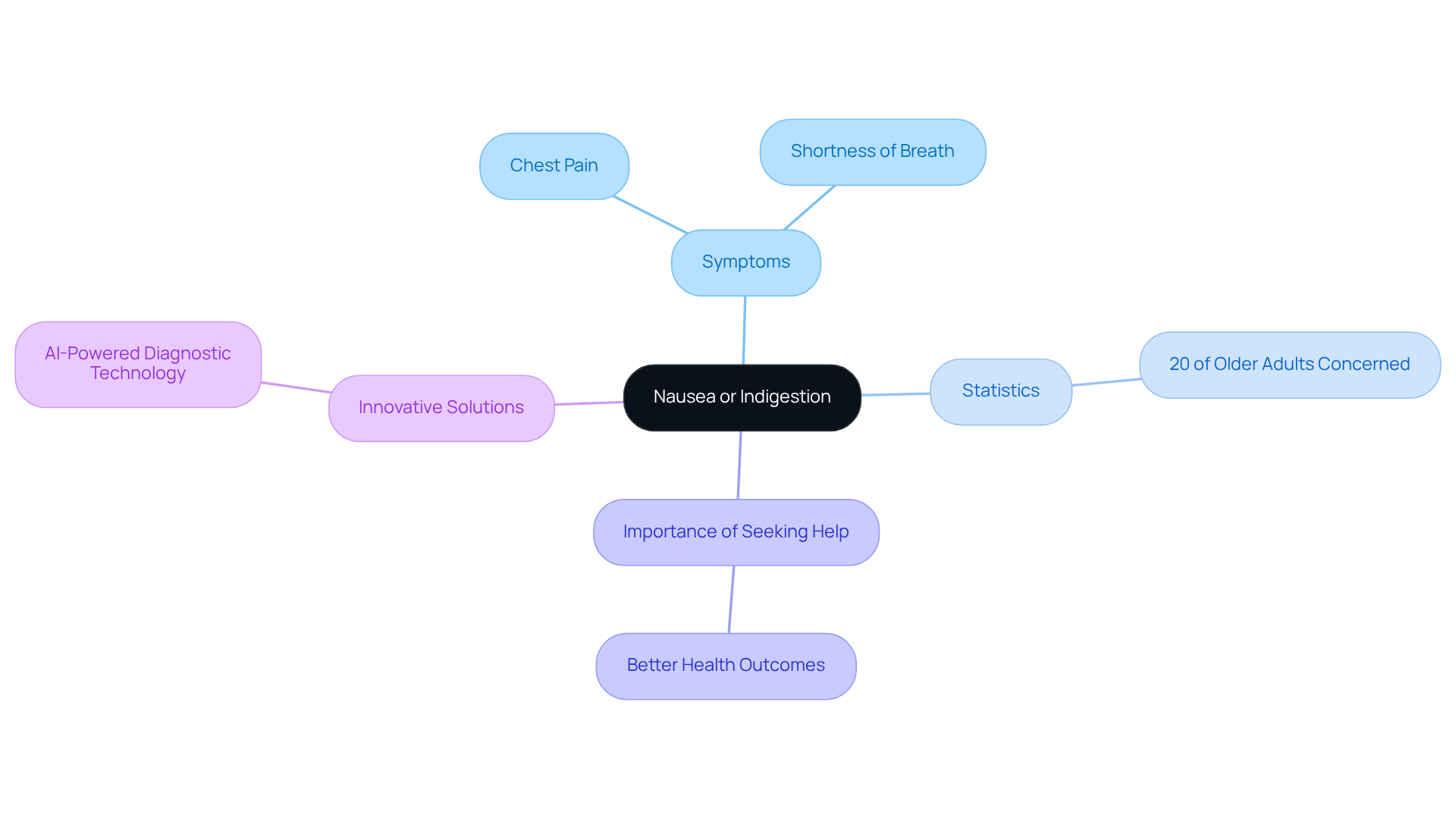
Have you ever felt nausea or indigestion and wondered if it could mean something more serious? For many older adults, these symptoms can be deceptive [signs of coronary heart disease](https://mayoclinic.org/diseases-conditions/heartburn/in-depth/heartburn-gerd/art-20046483). It's important to pay attention to the signs of coronary heart disease, especially if nausea accompanies chest pain or shortness of breath. Many older adults might think their nausea is just a stomach issue, not realizing it could be linked to heart health.
In fact, studies show that over 20% of older adults say digestive issues are their biggest worry when it comes to heart health. If you experience nausea along with any concerning symptoms, don’t hesitate to seek medical help right away. Remember, [seeking help promptly can make a significant difference in your health outcomes](https://kxan.com/top-stories/dont-ignore-the-signs-cardiologist-warns-subtle-symptoms-can-signal-heart-disease).
At Amavita, we understand how daunting it can be to navigate health concerns. Our innovative AI-powered diagnostic technology, including the FDA-cleared AI ultrasound and real-time guidance, is designed to enhance early detection and improve outcomes. As Dr. Periyalwar wisely notes, 'Identifying these signs early can be crucial in avoiding serious complications.' Your health is worth the attention, and reaching out for help can lead to better outcomes.
If you notice [cold sweats](https://amavita.health/blog/10-essential-heart-tests-for-blockage-every-elderly-patient-should-know) or unusual sweating, it’s important to understand that these can be [[warning signs of coronary heart disease](https://carebuildersathome.com/minnesota/blog/does-your-elderly-loved-one-have-the-warning-signs-for-a-heart-attack)](https://carebuildersathome.com/minnesota/blog/does-your-elderly-loved-one-have-the-warning-signs-for-a-heart-attack), particularly for older adults. Experiencing sudden cold sweats can be unsettling, especially when you’re unsure of what it means. It’s vital to recognize that cold sweats, especially when they happen unexpectedly, should prompt a visit to your healthcare provider.
Research shows that sudden cold sweating, particularly with nausea, may signal signs of coronary heart disease, indicating that your heart isn’t getting enough oxygen, so it’s important for both caregivers and patients to be aware of these signs of coronary heart disease. Many heart attacks can occur without the typical symptoms, which can increase health risks, making awareness even more critical.
Doctors stress that unexplained sweating shouldn’t be ignored, as it may be one of the signs of coronary heart disease that need attention. The American Heart Association reminds us that seeking help without delay is crucial for your safety. Being aware of these warning signs can lead to better outcomes in heart emergencies, so it’s important to act quickly.
Amavita's CardioElite™ program offers advanced tools for early detection and management of heart health, providing you with the support you need. If you or someone you care about experiences sudden cold sweats along with other symptoms, please don’t hesitate to call for help.

Have you ever felt discomfort in your neck, jaw, or back and wondered what it might mean for your heart health? This type of pain can be a crucial warning sign of [signs of coronary heart disease](https://theknowhow.ae/memorable-cardiology-quotes-heart), especially for older individuals. It’s important to recognize that discomfort in these areas, particularly when accompanied by chest pain or shortness of breath, requires immediate medical attention. Many seniors experience pain in unexpected areas, which can sometimes lead to misunderstandings about their health and delays in getting the care they need.
Cardiologists emphasize the importance of being aware of the signs of coronary heart disease, as timely intervention can significantly improve outcomes. Understanding these subtle indicators of pain is vital for both patients and caregivers, ensuring that cardiac issues are addressed promptly and effectively.
Taking the first step towards understanding your symptoms could be the key to a healthier, happier life. Consider reaching out to Amavita Heart and Vascular Health® for a comprehensive [cardiac assessment](https://amavita.health/blog/10-gae-patient-reviews-near-me-real-experiences-and-insights), where we can help you understand your heart health better. With advanced diagnostic capabilities, including N-13 Ammonia Cardiac PET/CT imaging, we can identify cardiovascular disease early and create tailored care strategies just for you.

Many seniors worry about their heart health, especially if cardiovascular issues run in their families. Knowing your family’s heart health history is important because it helps you and your doctor create a plan to stay healthy. By talking about your family health history with your medical team, you can develop personalized strategies for monitoring and managing your cardiovascular health.
For older individuals with a family background of cardiovascular issues, along with conditions like diabetes and hypertension, taking proactive steps is essential. Regular health evaluations, lifestyle adjustments, and dietary modifications can significantly improve cardiovascular wellness. At Amavita Heart and Vascular Health, we offer advanced imaging capabilities and comprehensive evaluations tailored specifically for those at high risk, ensuring that your unique needs are met.
Doctors often say that understanding your family’s heart health can make a big difference. Individuals with a strong family history of heart disease face a 40-60% higher risk of developing similar conditions. This awareness empowers you to take control of your cardiovascular health and make informed decisions regarding your care. With the right support and knowledge, you can take charge of your heart health and live a fulfilling life.

Have you ever felt a sudden discomfort in your chest or experienced unexplained fatigue? These could be warning signs of coronary heart disease that deserve your attention. Recognizing these signs helps you know when to seek medical attention, which is crucial for managing your health.
Throughout this article, we’ve shared key insights about the various symptoms associated with coronary heart disease in seniors. From the subtle discomfort of chest pain to the alarming signs of dizziness and swelling, each symptom highlights the importance of vigilance in heart health. Have you noticed any of these symptoms in yourself or a loved one? Understanding the role of family history further emphasizes the need for proactive health measures, allowing you to tailor your approach to cardiovascular care.
When you stay informed and educated, you take a strong step toward protecting your heart health. By recognizing these signs, you can lead to timely intervention and better health outcomes. It’s vital to prioritize your well-being and seek help when necessary. By taking these steps, you not only protect your heart but also embrace a life filled with vitality and joy.
What are the common signs of coronary heart disease?
Common signs of coronary heart disease include chest pain or discomfort, shortness of breath during activities, and unexplained fatigue or weakness.
What should I do if I experience chest pain or discomfort?
If you experience chest pain or discomfort, especially if it is accompanied by symptoms like shortness of breath or sweating, it is crucial to seek immediate medical evaluation.
How can chest pain present in older individuals?
In older individuals, chest pain may not always be intense or localized. It can manifest as discomfort that radiates to the arms, neck, jaw, or back, which can be mistaken for other issues.
What is the significance of shortness of breath during physical activities?
Shortness of breath during physical activities can indicate that the heart isn't pumping effectively and may signal signs of coronary heart disease or heart failure, especially in older individuals.
What should I do if I notice increased breathlessness during activities?
If you notice increased breathlessness during activities, it is important to reach out to your healthcare provider for evaluation and guidance.
How prevalent is heart failure among Americans?
Approximately 6.7 million Americans over the age of 20 are living with heart failure, and this number is expected to rise to 8.7 million by 2030.
What does unexplained fatigue or weakness indicate?
Unexplained fatigue or weakness can be a critical warning sign of coronary heart disease, often mistaken for normal aging or other health problems.
Why is it important to discuss fatigue with healthcare providers?
Discussing persistent fatigue with healthcare providers is important because it may indicate that the heart is not receiving adequate blood flow or is struggling to function effectively, which could lead to timely intervention.
What interventions can help manage symptoms of coronary heart disease?
Interventions such as prescribed medications, lifestyle changes, and advanced therapies like cardiac rehabilitation can effectively manage symptoms and improve overall heart health.
How does Amavita Heart and Vascular Health® support heart health?
Amavita Heart and Vascular Health® offers the CardioElite™ program, which features innovative AI-powered ultrasound technology for cardiac diagnostics, thorough assessments, and tailored preventive approaches to reduce the risk of heart attacks in older individuals.