

A heart-smart diet isn’t just a trend; it’s a vital necessity for seniors who want to enhance their cardiovascular health. By focusing on nutrient-rich foods, older adults can significantly lower their risk of heart disease and improve their overall well-being. But with so much dietary advice out there, how can seniors navigate their nutritional choices effectively?
Exploring essential practices and strategies can empower them to make informed decisions that lead to a healthier, heart-smart lifestyle. It’s important to remember that every small change can make a big difference. In addition to this, seeking support from healthcare professionals can provide the guidance needed to embark on this journey with confidence.
Together, we can foster a nurturing environment where seniors feel valued and understood, encouraging them to take proactive steps towards better health.
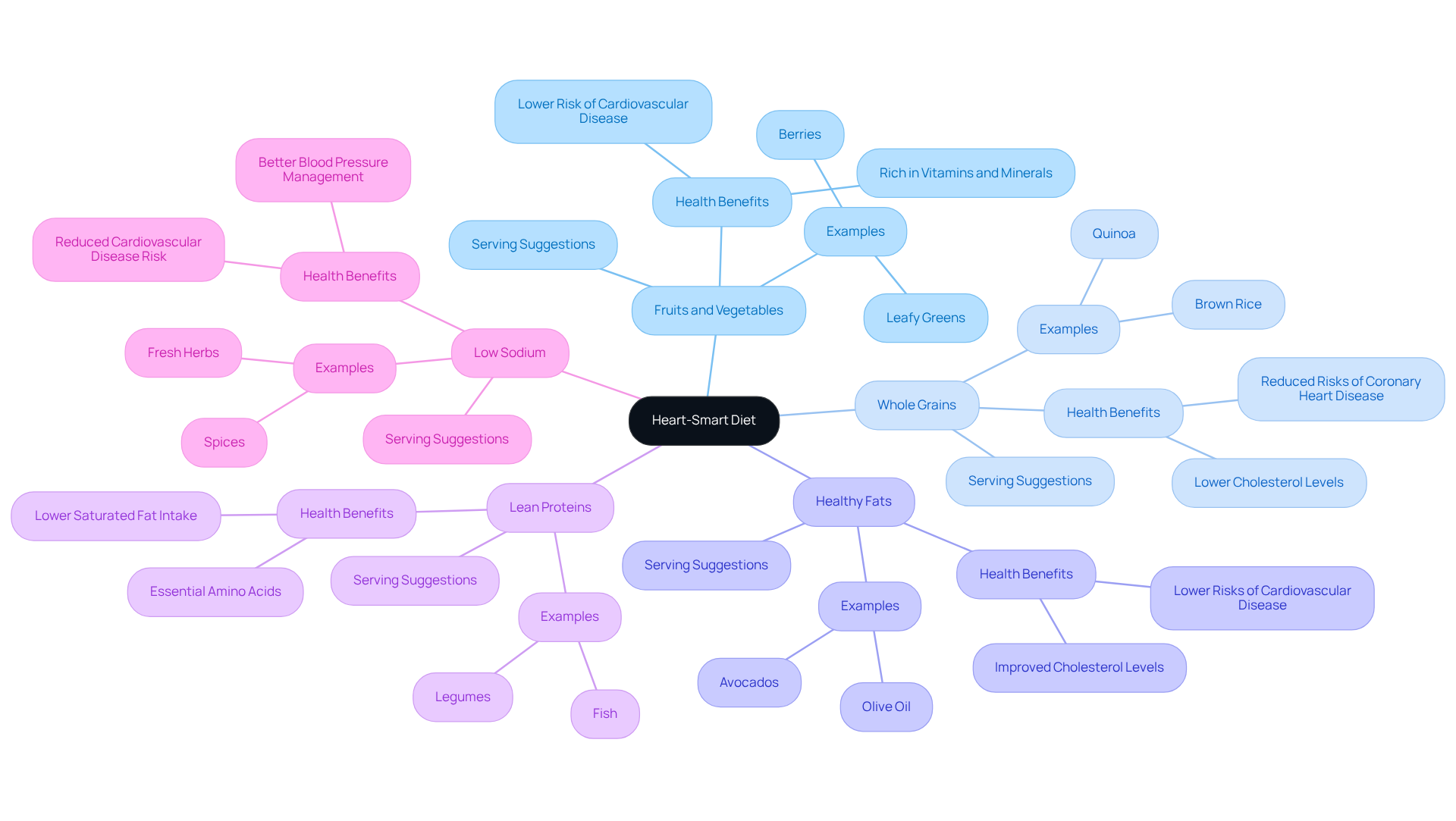
A heart smart diet is essential for older adults to promote cardiovascular well-being. It’s important to focus on . Here are some key components to consider:
By understanding these nutritional foundations, you can make informed choices that promote and overall well-being. It’s also vital to address systemic issues that affect access to nutritious options, ensuring that all older adults can benefit from adopting a heart-smart diet. Remember, you’re not alone in this journey; support is available, and every small step counts towards a healthier future.
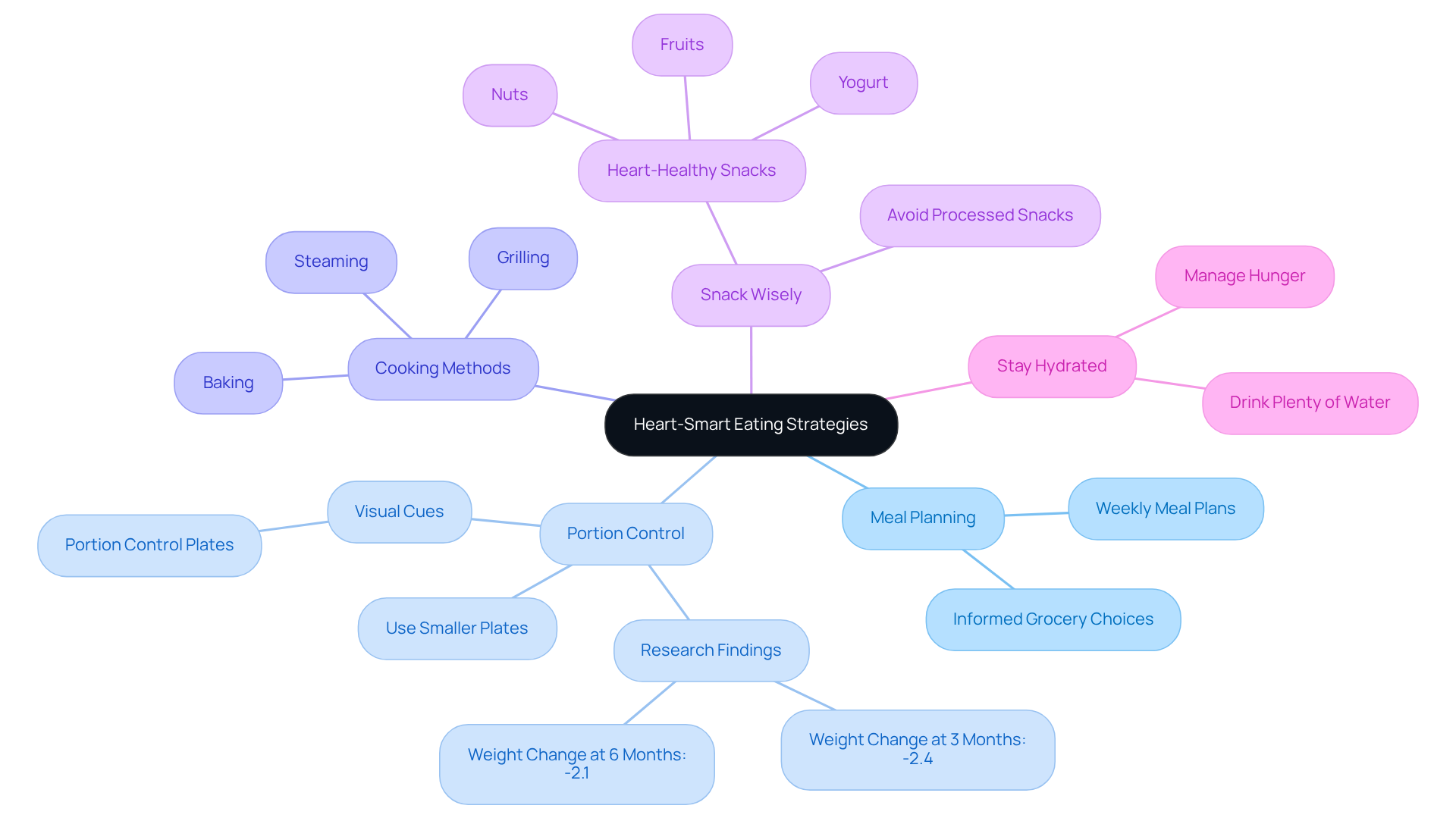
To effectively implement a heart-smart diet, seniors can adopt the following strategies:
These strategies not only support but also contribute to a that enhances the overall quality of life for older adults. As Rebecca L. Kesman wisely noted, "A deserves further evaluation as a weight control strategy in the primary care setting." By implementing these practices, seniors can experience significant improvements in their health outcomes.
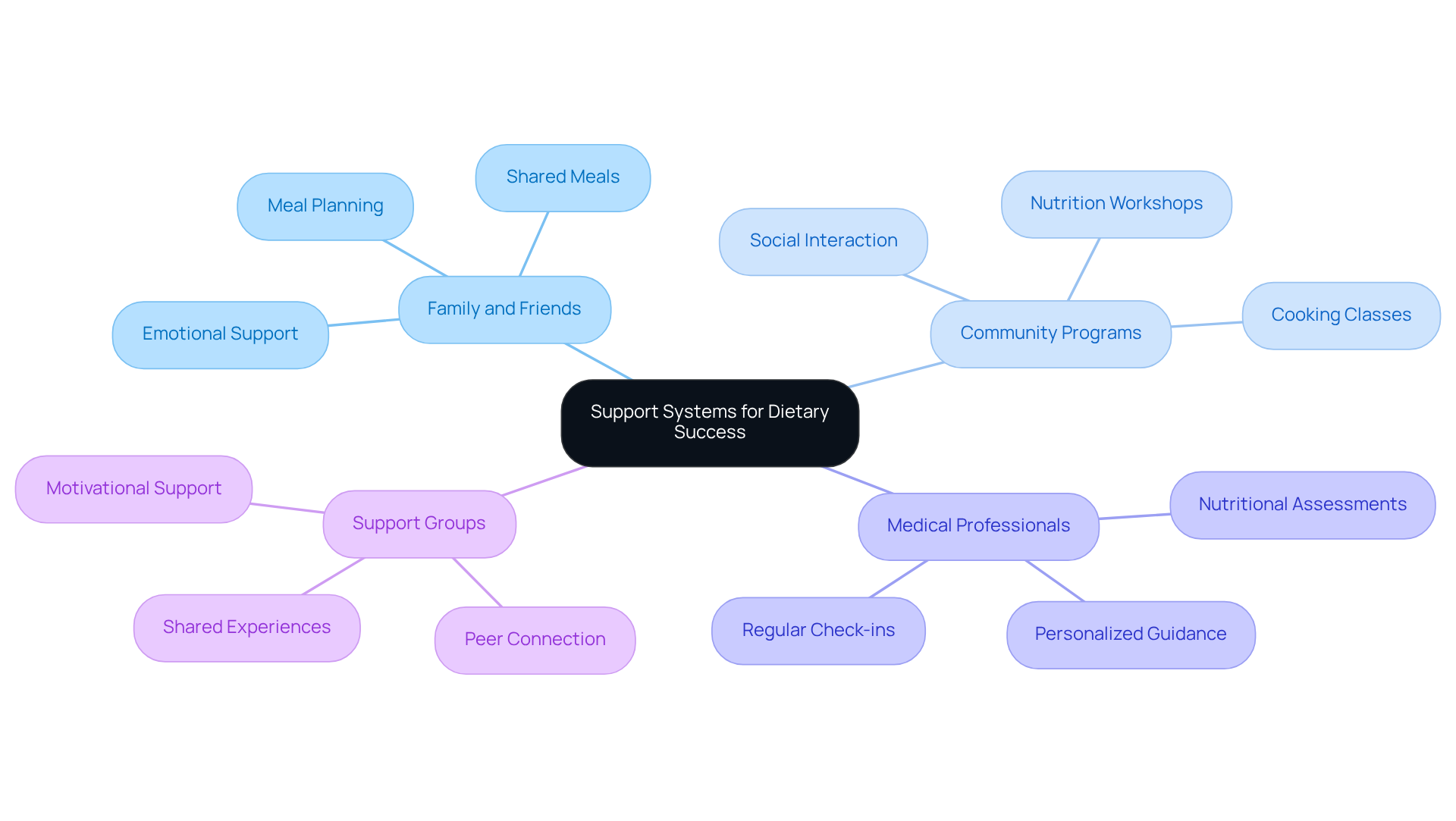
While maintaining a can feel overwhelming at times, having a solid support system can make a significant difference in your journey toward better health. Let’s explore how you can lean on those around you for encouragement and guidance.
Family and Friends: Involving family members in can create a nurturing environment that makes more enjoyable. Sharing meals not only strengthens bonds but also promotes nutritious choices. For those in elderly living communities, communal dining can enhance social well-being and help alleviate feelings of loneliness, making mealtime a more pleasant experience.
: Participating in local nutrition and cooking classes tailored for older adults can provide both valuable resources and social interaction. These programs often share practical cooking tips and introduce you to , empowering you to make informed choices. A diet low in saturated fats and high in fiber can significantly reduce the risk of age-related conditions like heart disease, making these programs even more beneficial for your health.
: Regular check-ins with ensure that you receive that meets your unique wellness needs. These meetings can help you stay accountable and motivated on your nutrition journey, especially since many older adults manage multiple .
: Joining a support group allows you to connect with peers who face similar nutritional challenges. This shared experience can provide the encouragement and motivation you need to stay committed to a . It’s important to recognize that participation in has decreased from 4.1% to 2.5% between 2011 and 2022, highlighting the need to nurture community ties among older adults.
By building a strong support system, you can enhance your commitment to nutritional changes, ultimately improving your overall well-being. Remember, you’re not alone on this journey-there are people and resources ready to help you every step of the way.
To maintain a heart-smart diet, it’s essential for seniors to actively monitor and adjust their dietary habits through a few key practices that can make a real difference:
By actively engaging in these practices, you can effectively manage your and adapt your dietary habits to follow a heart-smart diet that aligns with your changing health requirements. Remember, you’re not alone on this journey-support is always available.
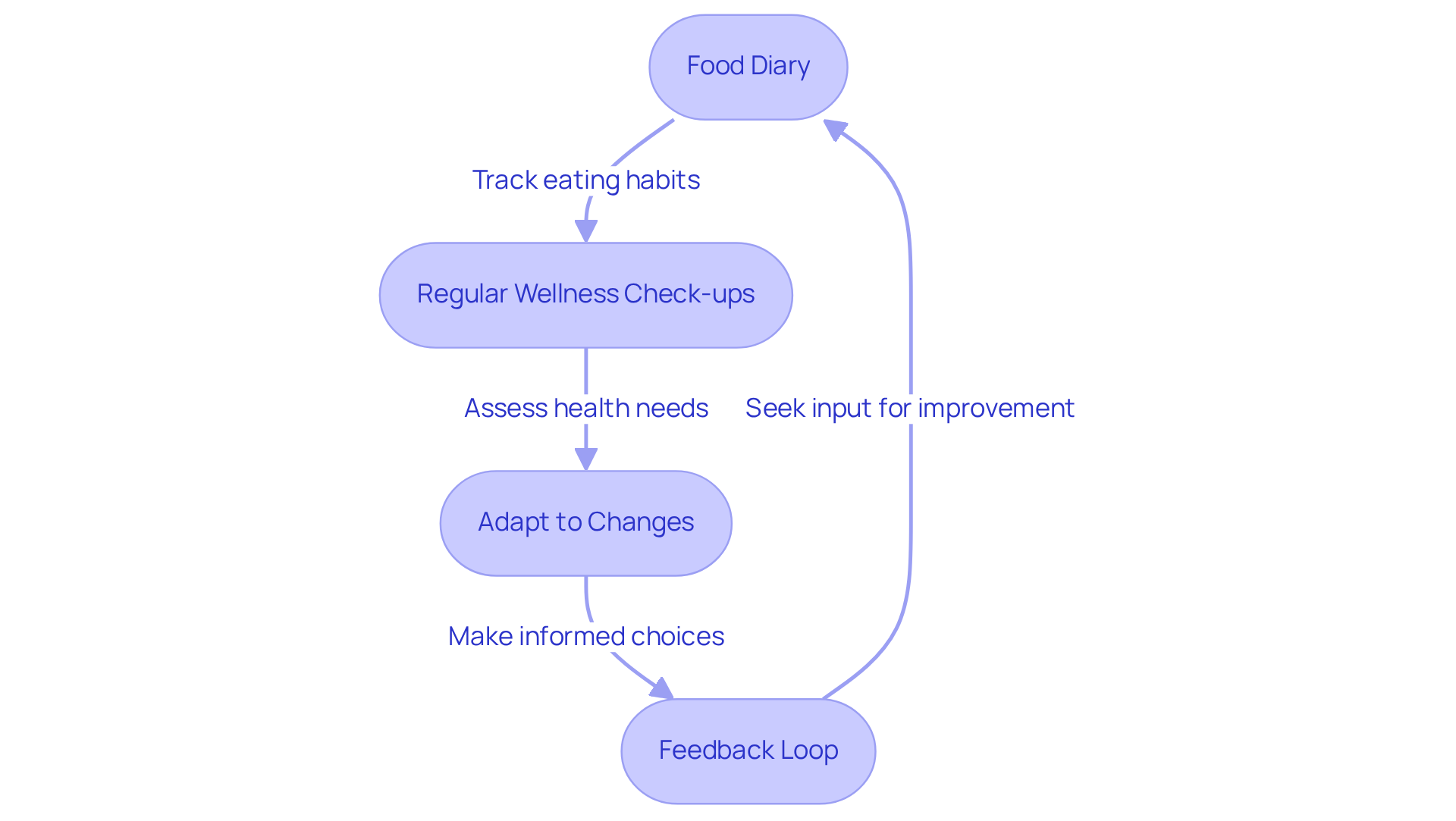
Adopting a heart-smart diet is essential for seniors who want to enhance their cardiovascular health and overall well-being. By focusing on nutrient-dense foods and practical strategies, older adults can take meaningful steps toward better heart health. Emphasizing fruits, vegetables, whole grains, healthy fats, and lean proteins, while reducing sodium intake, lays the groundwork for a heart-healthy diet.
Key practices like meal planning, portion control, and choosing healthy cooking methods empower seniors to make informed dietary choices. Have you considered how engaging with family, community programs, and medical professionals can create a supportive environment? This encouragement fosters lasting nutritional changes. Additionally, actively monitoring dietary habits through food diaries and regular check-ups ensures that individual health needs are met, allowing for necessary adjustments.
Ultimately, the journey to a heart-smart diet doesn’t have to be taken alone. By leveraging available support systems and remaining adaptable in dietary practices, seniors can significantly improve their heart health and quality of life. Embracing these essential practices not only promotes cardiovascular wellness but also highlights the importance of community and connection in achieving lasting health benefits. Remember, you’re not alone in this journey-support is always within reach.
Why is a heart-smart diet important for older adults?
A heart-smart diet is essential for older adults to promote cardiovascular well-being and focus on nutrient-rich options that can significantly impact health.
How many servings of fruits and vegetables should older adults aim for daily?
The American Heart Association suggests aiming for at least 4-5 servings of fruits and vegetables daily.
What benefits do fruits and vegetables provide for heart health?
A diet rich in fruits and vegetables is linked to a lower risk of cardiovascular disease.
What types of grains should be included in a heart-smart diet?
Whole grains such as brown rice, quinoa, and whole wheat bread should be incorporated, as they are rich in fiber and help lower cholesterol levels.
How do whole grains impact cardiovascular health?
Research shows that whole grains are associated with reduced risks of coronary heart disease and stroke.
What types of fats should be included in a heart-smart diet?
Focus on unsaturated fats found in olive oil, avocados, and nuts, while limiting saturated and trans fats.
What role do low-fat dairy products play in heart health?
Low-fat dairy products are linked to lower risks of cardiovascular disease.
What are some examples of lean protein sources beneficial for heart health?
Lean protein sources include fish, poultry, beans, and legumes, which provide essential amino acids without excessive saturated fat.
How does including fish and seafood in the diet affect cardiovascular risk?
Diets that include fish and seafood are associated with a lower risk of cardiovascular disease.
Why is it important to reduce sodium intake?
Reducing sodium intake is crucial for managing blood pressure, with a recommendation of less than 2,300 mg per day, or lower if hypertension is present.
What should be avoided to maintain heart health?
It is important to be aware of the dangers linked to ultra-processed foods, which can negatively impact well-being.
How can older adults ensure they have access to nutritious food options?
Addressing systemic issues that affect access to nutritious options is vital for ensuring that all older adults can benefit from a heart-smart diet.