


Recognizing the early signs of a heart attack can truly be a matter of life and death. Yet, many people remain unaware of the subtle symptoms that might indicate a serious cardiac event. With around 805,000 individuals experiencing a heart attack in the United States each year, it’s vital to recognize these warning signs for timely intervention and better outcomes.
What if that discomfort you feel, which seems like indigestion or anxiety, is actually a sign of something more serious? This article explores the key indicators of a heart attack, including symptoms that may differ between genders and the often-overlooked silent signs. Our goal is to empower you to act swiftly when it matters most, ensuring you feel supported and informed.
If you notice pressure, squeezing, or a feeling of fullness in the center or left side of your chest that lasts for more than a few minutes or varies in intensity, it’s important to pay attention. Did you know that around 805,000 people in the United States experience a cardiac event each year? This statistic underscores the need to monitor such significant symptoms closely. At Amavita Heart and Vascular Health®, we truly care about your heart health. We emphasize comprehensive cardiac evaluations, especially for those with risk factors like:
Our preventive cardiology strategy combines advanced risk evaluation tools with personalized interventions to help reduce the chances of a cardiac event.
You might also feel discomfort radiating to your shoulders, neck, arms, back, jaw, or stomach. This referred discomfort can often be overlooked, but it’s a crucial sign of a potential cardiac event. Our expert team is here to provide a thorough diagnosis, utilizing advanced imaging and testing all in one convenient location, ensuring you receive accurate results without unnecessary delays.
Shortness of breath can occur with or without chest discomfort and may happen at rest or during physical activity. It’s vital to be aware of any sudden changes in your breathing patterns. Our minimally invasive treatments often require just local anesthesia, allowing for same-day recovery. This means you can return home just hours after your procedure, feeling reassured and cared for.
Stay alert for symptoms like:
These can sometimes be mistaken for less serious issues like indigestion or anxiety, but they are significant indicators, especially for women and younger individuals who may experience atypical presentations. Cardiologists stress the importance of recognizing these signs early. Remember, one person dies every 34 seconds from cardiovascular disease, but timely intervention can make a world of difference. With our innovative AI-powered diagnostic technology, we enhance early detection and improve patient outcomes, ensuring you receive the best possible care at Amavita.
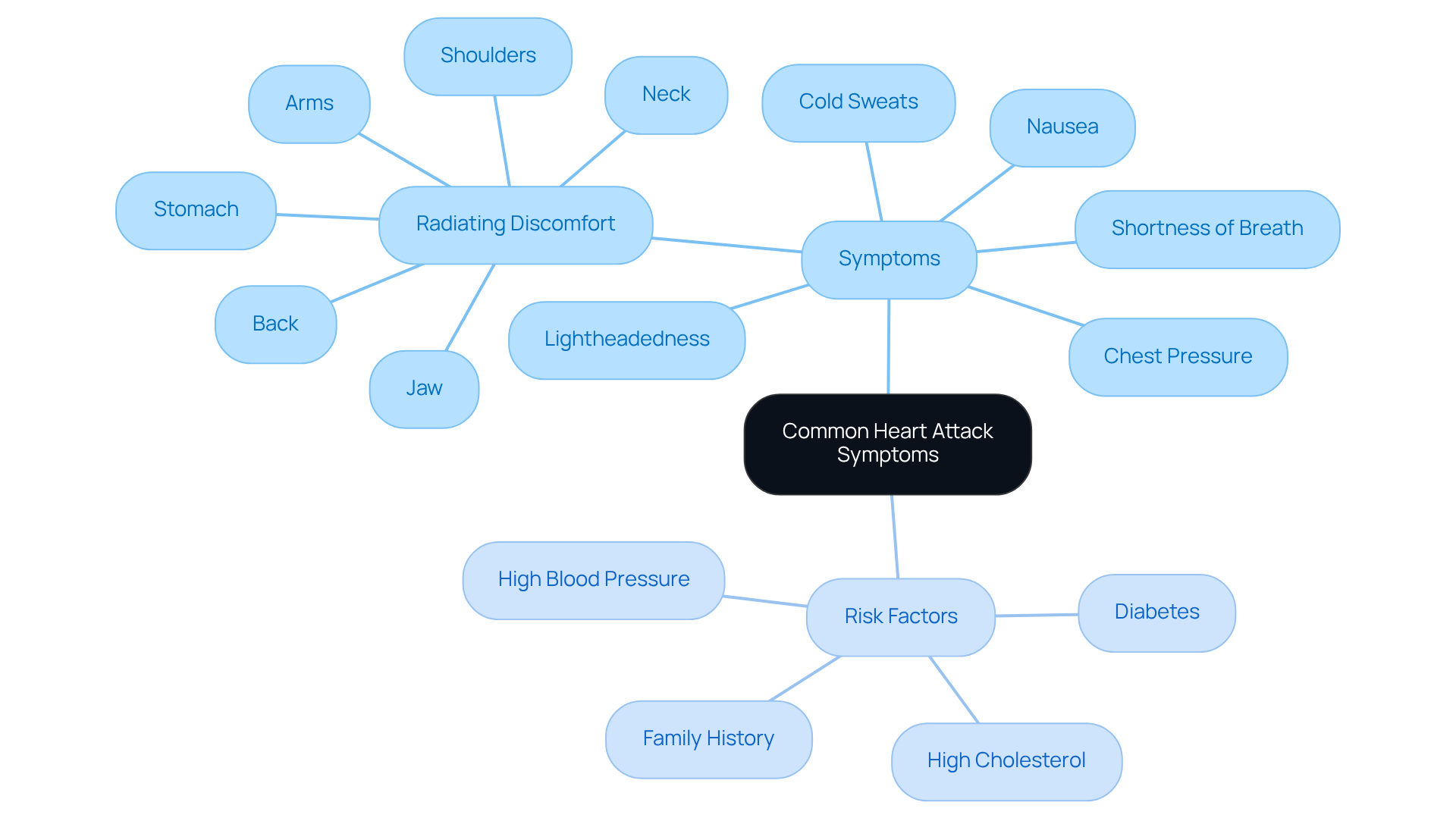
When it comes to heart events, many people often experience intense chest discomfort, which can feel like a crushing sensation. This discomfort may also radiate to the left arm. These classic signs are well-known and can signal the need for urgent medical attention.
However, heart failure symptoms can look quite different, especially in women. They might feel short of breath, experience nausea or vomiting, and have discomfort in their back or jaw. Additionally, women often report feeling fatigued or anxious as early warning signs. This variation in symptoms can lead to misdiagnosis or delayed treatment, as many women may not recognize these signs as related to heart issues. In fact, 37,000 women lose their lives to heart-related incidents each year in the U.S., underscoring the critical need to identify these symptoms early.
Amavita's CardioElite™ program is here to help tackle these challenges. It offers advanced, real-time diagnostic data and 24/7 cardiology consultation, which is essential for proactive patient management, especially for those at high risk due to conditions like diabetes and hypertension. By integrating AI with AHA-certified training, CardioElite™ empowers healthcare providers to deliver focused cardiovascular care. This ensures that both men and women receive the attention they need when they show signs of a potential heart event. Many internal medicine doctors view CardioElite™ as a 'clinical force multiplier,' enhancing their ability to effectively manage cardiac patients and reduce readmissions.
It's also important to recognize that symptoms of cardiac distress can vary across different cultural backgrounds. This means we need to approach communication with compassion and understanding. For example, some cultures may express physical discomfort differently, while others might emphasize emotional issues like anxiety. By being aware of these differences, we can ensure that all patients, regardless of their background, receive the appropriate care and attention when they exhibit signs of a possible heart event. Additionally, women are more likely to experience depression, which can be linked to inflammation and unhealthy habits, making it even more challenging for them to recognize these issues.

If you suspect a cardiac incident, please call 911 right away. It’s crucial not to drive yourself to the hospital, as timely professional assistance can make a significant difference in outcomes. Remember, early intervention is key to survival, and emergency responders are trained to help you.
Do you have risk factors like a family history of heart issues, high blood pressure, high cholesterol, or diabetes? If so, consider starting with a comprehensive cardiac evaluation at Amavita Heart and Vascular Health®. Our preventive cardiology strategy combines advanced risk evaluation tools with tailored interventions to help lower your cardiovascular event risk, even if you’re not currently showing symptoms.
If you’re not allergic, chewing an aspirin while waiting for emergency responders can be beneficial. Research indicates that taking aspirin may lower the risk of death during a cardiac event by thinning the blood and improving circulation.
Try to stay calm and take a seat to ease the pressure on your cardiovascular system. Loosen any tight clothing and avoid physical exertion to help manage your symptoms. Staying composed can help you think clearly and act quickly.
If the person becomes unresponsive and isn’t breathing, be prepared to perform CPR until help arrives. Immediate CPR can double or even triple the chances of survival after a cardiac arrest. As one emergency responder wisely noted, "Every second counts; your actions can save a life." At Amavita, we believe that understanding your cardiovascular health and taking preventive measures can greatly enhance your well-being.

Unexplained Fatigue: Have you ever felt an unusual level of tiredness that just doesn’t seem to go away? One of the earliest signs of how do you know you're having a heart attack can be [persistent fatigue](https://endeavorhealth.org/articles/silent-heart-attack-symptoms). Research shows that many people, especially women, experience extreme tiredness for days or even weeks before an event, often brushing it off as stress or lack of sleep. It’s easy to overlook this sign, but being aware of it is crucial for early intervention. At Amavita, our CardioElite™ program uses AI-driven diagnostic technology to help recognize these indicators early, ensuring you receive the medical attention you need in a timely manner.
Mild Discomfort: Have you ever felt vague sensations of pressure or discomfort in your chest? These mild feelings, which may not seem severe, can also make you question how do you know you're having a heart attack. It’s common to confuse these signs with everyday ailments, which can lead to delays in diagnosis and treatment. With the real-time guidance from our AI ultrasound technology, healthcare professionals can make informed decisions quickly, ultimately improving patient outcomes.
Shortness of Breath: Shortness of breath can occur even without chest pain, and it’s often misattributed to anxiety or respiratory issues. Recognizing this symptom is vital for prompt medical care and helps answer the question of how do you know you're having a heart attack. Silent episodes can happen without noticeable indicators, so being vigilant is key. Our advanced diagnostic tools at Amavita allow for early identification, enabling better management of these issues.
Additional Indications: It’s important to be aware of deceptive signs like indigestion, heartburn, or anxiety, which can mask the signals of a cardiac event. Other common symptoms of silent heart attacks include nausea and pain in the jaw or back. Understanding that these symptoms may indicate a serious underlying issue is essential for effective health management. The Amavita CardioElite™ program is here to enhance awareness and provide the necessary tools for skilled nursing facilities to address these challenges effectively. Remember, you’re not alone in this journey, and we’re here to support you every step of the way.

Recognizing the signs of a heart attack is crucial for timely intervention, and it can significantly impact survival rates. Have you ever wondered what symptoms to watch for? This article highlights key indicators, emphasizing the importance of being vigilant about both common and gender-specific signs. Understanding these indicators empowers you to act swiftly and seek medical assistance when necessary, ultimately enhancing your heart health and well-being.
Several critical symptoms deserve your attention, including:
It's also vital to be aware of silent heart attacks, where symptoms may be subtle or easily misattributed to less serious conditions. With statistics revealing the alarming frequency of cardiac events, recognizing these signs early can truly be lifesaving.
In conclusion, staying informed and proactive about heart health is essential. Are you familiar with the signs of a heart attack? If you suspect an issue, please seek immediate help. Embracing preventive measures, such as regular evaluations and lifestyle changes, can lead to a healthier future. Remember, knowledge is power, and being prepared can make all the difference in critical moments. You're not alone in this journey; support is available, and taking these steps can help ensure your well-being.
What are the common symptoms of a heart attack?
Common symptoms of a heart attack include pressure, squeezing, or a feeling of fullness in the chest, discomfort radiating to the shoulders, neck, arms, back, jaw, or stomach, shortness of breath, cold sweats, nausea, and lightheadedness.
How long should chest discomfort last to be concerning?
Chest discomfort that lasts for more than a few minutes or varies in intensity should be taken seriously and evaluated.
Who is at higher risk for heart attack?
Individuals with risk factors such as a family history of heart disease, high blood pressure, high cholesterol, or diabetes are at higher risk for heart attack.
What should I do if I experience heart attack symptoms?
If you experience symptoms of a heart attack, it is crucial to seek medical attention promptly for a thorough diagnosis and evaluation.
How does Amavita Heart and Vascular Health® approach preventive cardiology?
Amavita Heart and Vascular Health® combines advanced risk evaluation tools with personalized interventions to help reduce the chances of a cardiac event.
What is the significance of shortness of breath in relation to heart attacks?
Shortness of breath can occur with or without chest discomfort and may indicate a cardiac event, making it important to be aware of any sudden changes in breathing patterns.
What types of treatments does Amavita offer for heart conditions?
Amavita offers minimally invasive treatments that often require just local anesthesia, allowing for same-day recovery.
Why is it important to recognize atypical heart attack symptoms, especially in women and younger individuals?
Atypical symptoms such as nausea and lightheadedness can be mistaken for less serious issues but are significant indicators of a heart attack, particularly in women and younger individuals.
How can technology assist in the detection of heart problems at Amavita?
Amavita uses innovative AI-powered diagnostic technology to enhance early detection and improve patient outcomes.