


Navigating a treadmill stress test can feel daunting, especially for those concerned about their cardiovascular health. This evaluation is vital; it not only shows how your heart handles physical exertion but also acts as a safeguard against serious conditions like coronary artery disease. With the right preparation and understanding, you can approach this test with confidence and peace of mind.
Have you ever wondered what steps you can take to ease your anxiety during this process? Knowing what to expect can make a world of difference. By familiarizing yourself with the test and its purpose, you can transform apprehension into empowerment. Remember, you’re not alone in this journey; many share your concerns and are seeking the same clarity.
In addition to this, consider reaching out to your healthcare provider for guidance. They can offer valuable insights and support tailored to your needs. Taking these proactive steps not only prepares you for the test but also reinforces your commitment to your health.
Ultimately, understanding the treadmill stress test is about more than just the procedure; it’s about taking charge of your health and well-being. Embrace this opportunity to learn and grow, knowing that support is always available.
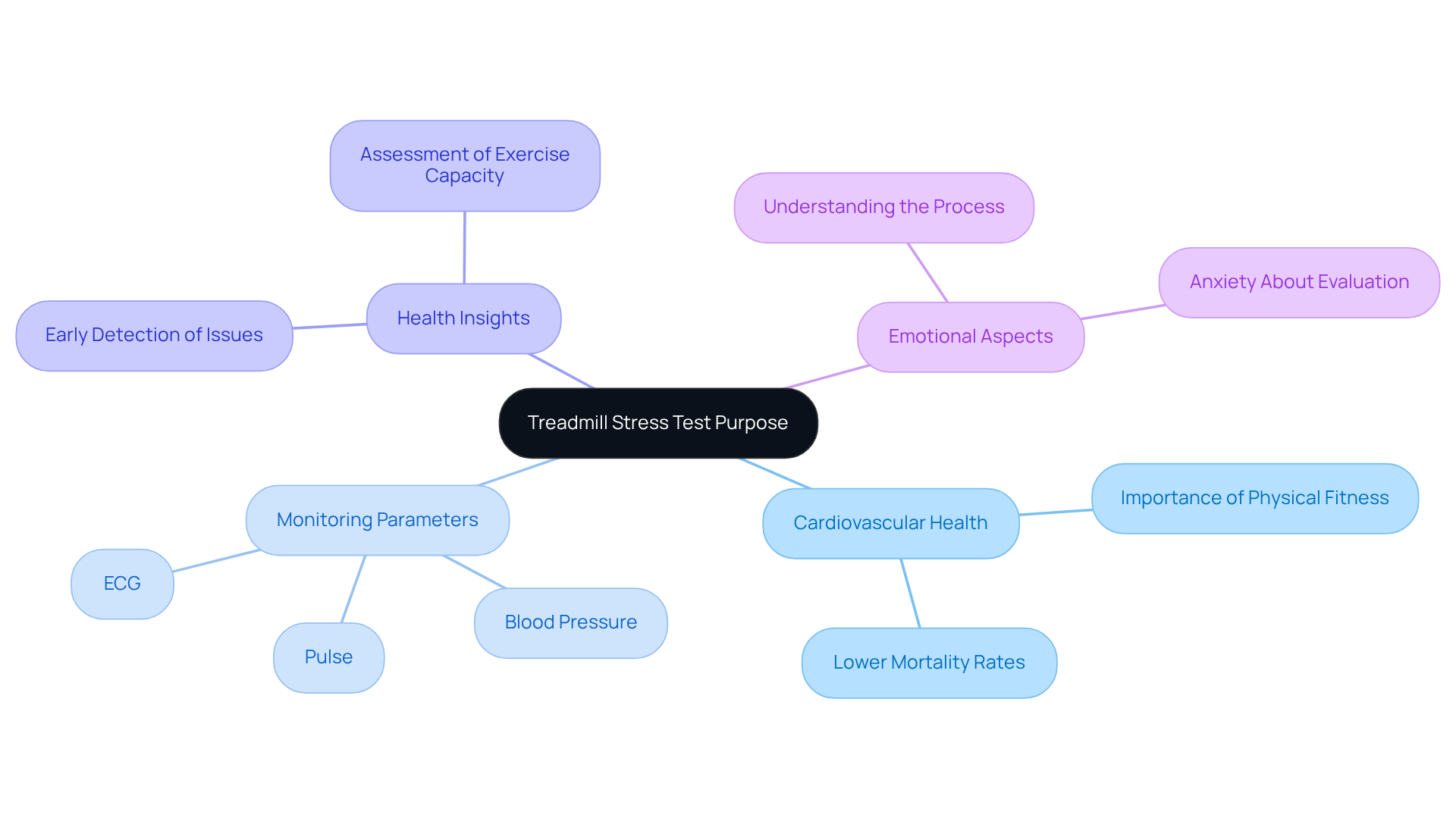
A treadmill effort assessment, or exercise evaluation, is an important step in understanding how to pass a to gauge your during physical activity. Have you ever wondered how your heart responds to stress? This evaluation helps us see just that, allowing healthcare professionals to assess how well your performs under pressure. It’s crucial for identifying potential issues like (CAD) and .
During the examination, your pulse, blood pressure, and ECG (electrocardiogram) readings are closely monitored. This helps us understand your heart's function when it's working hard. Recent studies have shown that patients who can successfully complete treadmill exercises tend to have a significantly lower mortality rate, regardless of their risk factors for coronary artery disease. This highlights just how vital physical fitness is for maintaining cardiovascular health.
that these are key in spotting early on. They provide valuable insights into how your heart manages exertion. In fact, real-world examples demonstrate that can effectively detect arrhythmias, allowing for timely interventions.
Understanding how to can help ease any anxiety you might feel about the evaluation process. It’s perfectly normal to have concerns, but knowing what to expect can make a big difference. Remember, this assessment is a step toward better cardiovascular health, and we’re here to support you every step of the way.
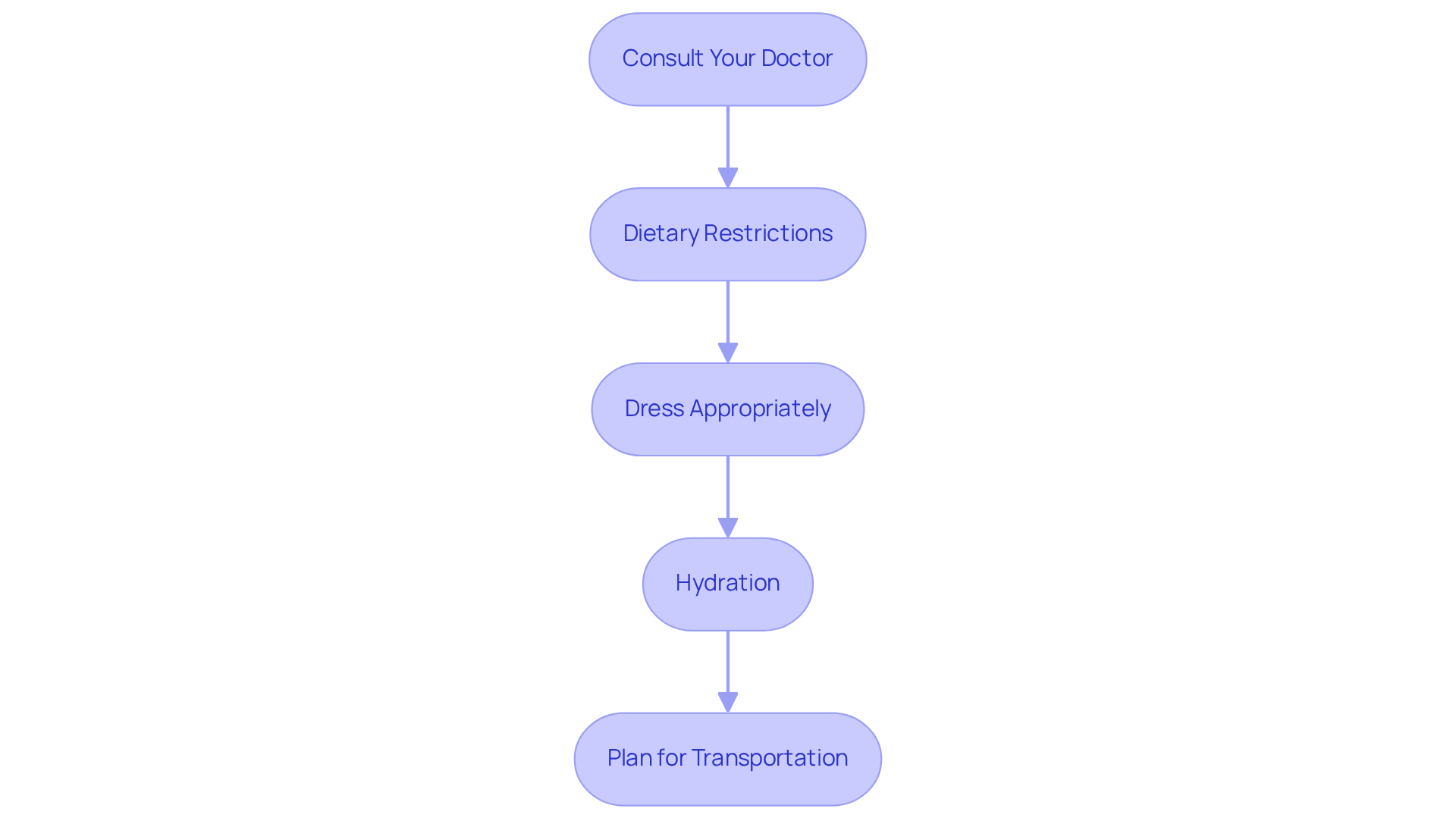
Preparing for how to pass a can feel a bit daunting, but with the right steps, you can approach it with confidence. Here’s how to make the process smoother:
Remember, the entire treadmill evaluation process takes about an hour, so it’s helpful to plan your day accordingly. You’re taking an important step for your health, and we’re here to support you every step of the way, including .
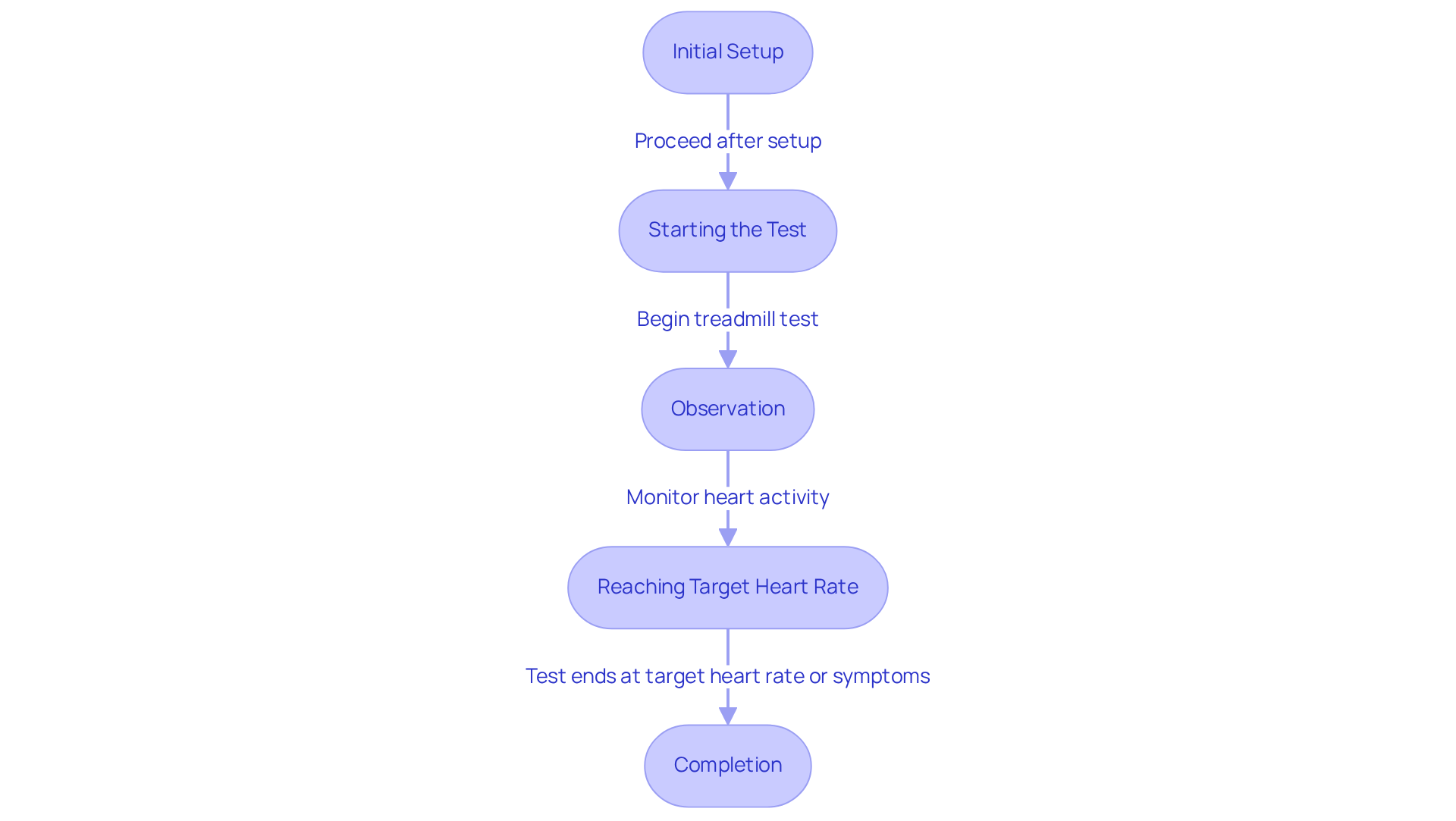
When you arrive for your at Amavita Heart and Vascular Health, here’s what you can expect:
Remember, you’re not alone in this process. Our team is here to support you every step of the way.
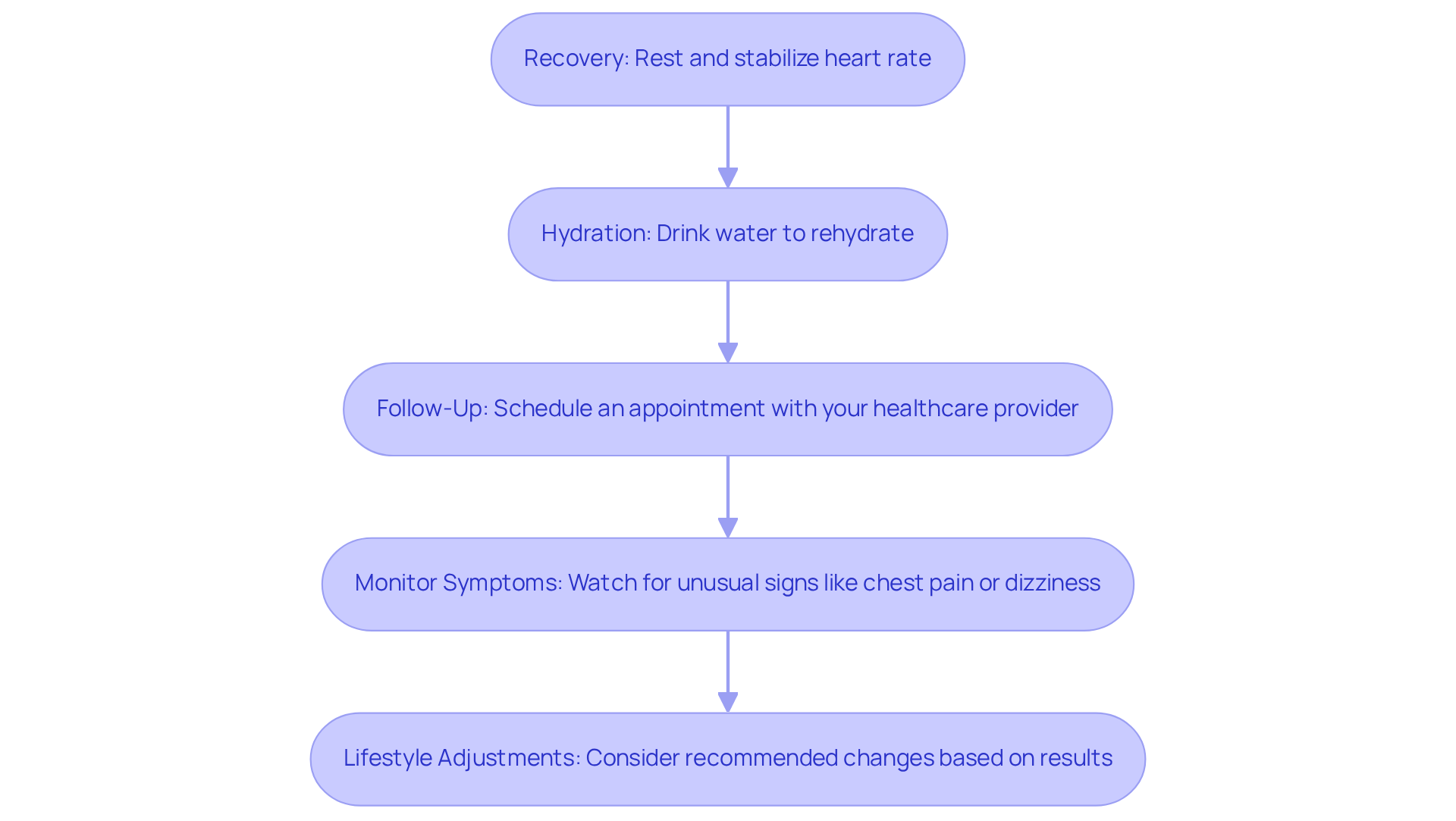
After completing your , it’s important to follow these guidelines to ensure a and to help you understand your results:
Incorporating these steps will help you recover effectively and ensure that you understand the implications of your test results. You’ll also benefit from like those offered through Amavita's CardioElite™ program. Remember, you’re not alone in this journey; we’re here to support you every step of the way.
Understanding how to pass a treadmill stress test is essential for anyone looking to evaluate their cardiovascular health effectively. This assessment not only gauges your heart's performance under physical stress but also serves as a preventive measure to identify potential health issues early on. Embracing this evaluation can lead to significant insights into your heart health and overall fitness.
To prepare for the test, it’s important to:
The test itself involves monitoring heart rates and symptoms throughout, which is crucial for your safety and well-being. After the test, recovery and follow-up care are vital for interpreting results and making informed health decisions, ensuring you feel supported every step of the way.
Approaching a treadmill stress test with knowledge and preparation can help ease any anxiety you might feel and enhance the overall experience. Taking proactive steps towards your cardiovascular health isn’t just beneficial—it’s vital. Engaging in this process can lead to better health outcomes and a deeper understanding of your heart health, reinforcing the importance of regular check-ups and maintaining an active lifestyle. Remember, you’re not alone in this journey; reaching out for support can make all the difference.
What is the purpose of a treadmill stress test?
A treadmill stress test, or exercise evaluation, is designed to assess cardiovascular health during physical activity by monitoring how the heart responds to stress.
How does a treadmill stress test help in identifying health issues?
The test helps identify potential issues like coronary artery disease (CAD) and arrhythmias by monitoring pulse, blood pressure, and ECG readings while the heart is under exertion.
What are the benefits of successfully completing a treadmill stress test?
Patients who can successfully complete treadmill exercises have a significantly lower mortality rate, highlighting the importance of physical fitness for cardiovascular health.
Why are treadmill evaluations important according to cardiologists?
Treadmill evaluations are key in spotting cardiac issues early, providing valuable insights into how the heart manages exertion and allowing for timely interventions for conditions like arrhythmias.
How can understanding the treadmill stress test process help reduce anxiety?
Knowing what to expect during the evaluation can ease concerns and anxiety, as it is a step toward better cardiovascular health, with support available throughout the process.