


Coronary microvascular disease (CMD) is a silent yet serious concern for heart health, especially for those who might not show the usual signs of heart disease. Research has uncovered troubling statistics that link CMD to higher mortality rates and adverse cardiac events. This makes it crucial for both patients and caregivers to understand its implications.
How can individuals navigate the complexities of CMD and its impact on life expectancy, particularly when subtle signs often go unnoticed? This article explores the essential facts about microvascular angina and offers valuable insights into prevention, diagnosis, and management strategies. By understanding these aspects, individuals can feel empowered to take charge of their heart health and seek the support they need.
CMD can deeply affect the small blood vessels in your heart, leading to reduced blood flow and oxygen supply. Unlike traditional coronary artery disease, CMD often doesn’t show visible blockages in larger arteries, which can make it harder to diagnose. This is concerning, especially for older adults who may already be facing multiple health challenges.
Research shows that CMD is linked to a nearly four-fold increase in the likelihood of mortality and a five-fold rise in major cardiac events. These statistics can be alarming, but understanding CMD is crucial for evaluating your health and well-being. Have you or a loved one experienced symptoms that seem subtle but could indicate a more serious issue?
Awareness of recognizing CMD, as it can lead to severe outcomes, including heart failure and higher hospitalization rates. For instance, a study involving 800 individuals found that those with CMD had a higher risk of complications compared to age- and gender-matched controls. This highlights the need for early intervention.
If you’re feeling uncertain or anxious about your health, know that you’re not alone. Understanding CMD can help you take proactive steps. It’s essential to reach out to your healthcare provider for support and guidance. Remember, you deserve care that addresses your unique needs.

Coronary microvascular disease (CMD) can be a daunting concern, especially for those facing risk factors:
If you or a loved one falls into these categories, it’s important to know that you’re not alone. High-risk patients, particularly those with diabetes, hypertension, or a family history of heart disease, are especially vulnerable to CMD. Women over 50 may face additional challenges due to hormonal changes that can worsen these conditions. For instance, studies show that women are more susceptible to CMD, as lower estrogen levels can lead to cardiovascular issues.
Lifestyle factors too. Smoking and unhealthy eating habits can further increase the likelihood of developing CMD. At Amavita Heart and Vascular Health, we understand these challenges and emphasize [personalized care and thorough assessments](https://amavita.health/blog/10-female-heart-disease-symptoms-every-woman-should-recognize) to address them effectively. With Dr. Martinez-Clark’s Harvard training and extensive experience, you can trust that these sophisticated tests will be seamlessly integrated into your comprehensive care plan.
Real-life examples show that individuals who embrace healthier lifestyles - like incorporating regular physical activity and balanced diets - can significantly reduce their chances of CMD. Understanding these risk factors is crucial for prevention, especially as cases continue to rise among those with CMD. If you’ve had inconclusive standard testing or are seeking executive health screenings, our services can provide the support you need. Remember, taking the first step towards better health is a journey we’re here to support you on.

Are you or a loved one experiencing chest pain, shortness of breath, or fatigue? These common symptoms of coronary microvascular disease can be concerning, especially during physical activity or emotional stress. Unlike typical angina, the discomfort may linger longer and can even occur when at rest. Recognizing these signs is vital, particularly for seniors, as it prompts the pursuit of medical attention.
At Amavita Heart and Vascular Health®, we understand how daunting it can be to navigate health concerns. That’s why we’ve developed our innovative program, designed to enhance early detection and improve outcomes through advanced diagnostic technology. This program is especially beneficial for those at high risk, ensuring that anyone experiencing CMD symptoms receives thorough evaluations and personalized care tailored to their unique needs.
We’re here to support you every step of the way. If you have any concerns about your heart health, don’t hesitate to reach out. Your well-being is our priority, and we’re committed to providing the care you deserve.

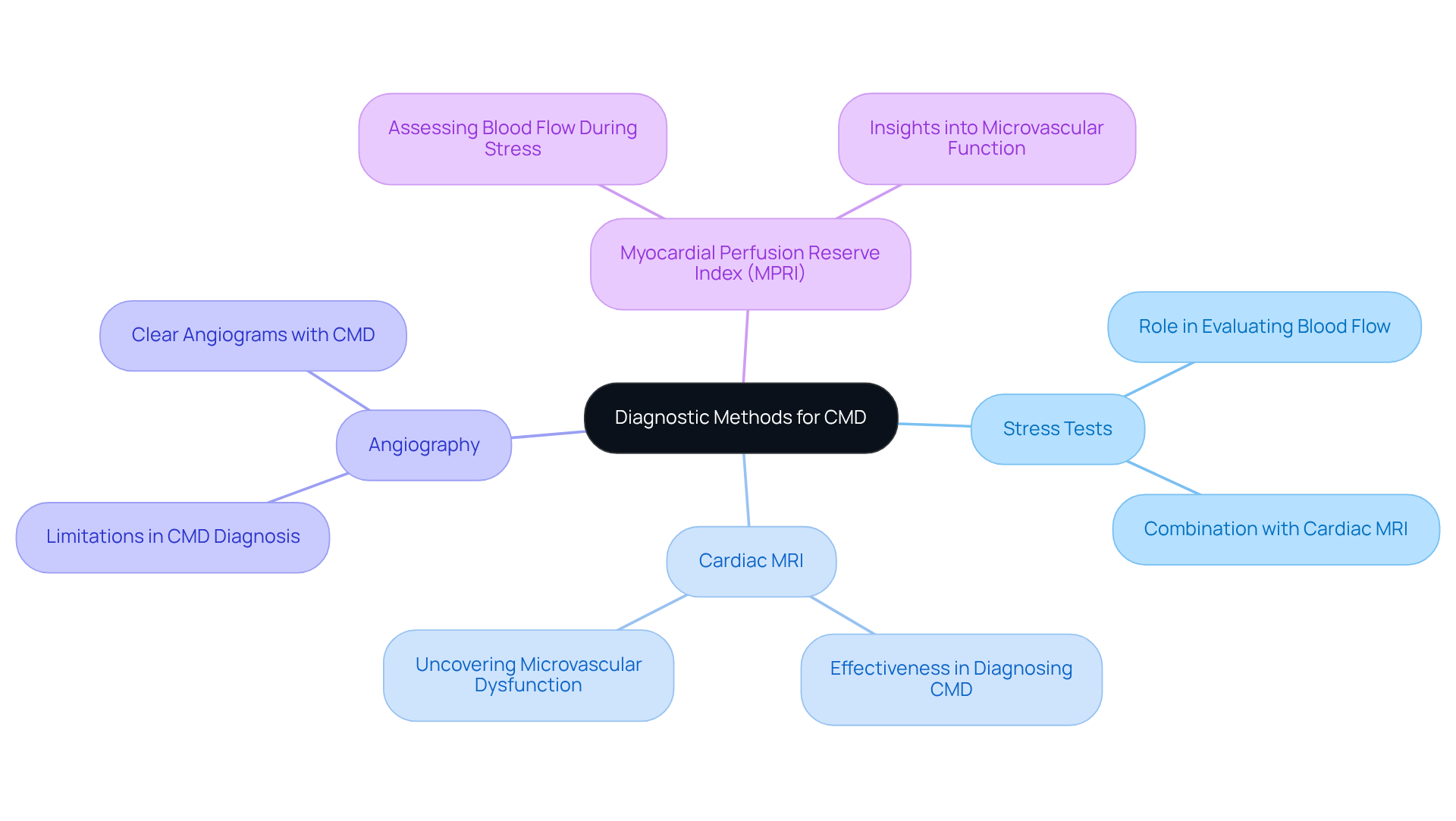
If you're feeling anxious about your heart health, you're not alone. Many people experience concerns about coronary microvascular disease (CMD), which can be tricky to diagnose. Fortunately, there are several diagnostic methods available that can help. Non-invasive tests, imaging techniques, and angiography each play a vital role in evaluating and identifying any irregularities in the small vessels of your heart.
One particularly important measure is the microvascular perfusion reserve index (MPRI). This test assesses how well your heart can increase blood flow during times of stress, offering valuable insights into its microvascular function. Research shows that MPRI is becoming increasingly recognized for its effectiveness in diagnosing CMD. In fact, studies indicate that it can uncover issues even when traditional angiography shows no significant blockages.
Did you know that about 50% of individuals who come in with chest pain may have clear angiograms yet still experience CMD? This highlights the need for comprehensive evaluations to ensure accurate diagnosis. When diagnostic methods are combined with clinical assessments, they create a framework that enhances the accuracy of CMD assessments.
As the field continues to evolve, ongoing research is validating these methods, emphasizing the importance of early and precise diagnosis. This is crucial for managing CMD effectively and ultimately improving your quality of life. Remember, you are not alone in this journey, and seeking help is a strong and positive step towards better health.
Managing microvascular disease (CMD) can feel overwhelming, but there’s hope. A multifaceted approach that includes lifestyle changes, medications, and support can make a significant difference in your health. Have you considered how simple adjustments, like adopting a heart-healthy diet or engaging in regular physical activity, could improve your condition? Many individuals who embrace these changes report a noticeable decrease in symptoms and an overall improvement in well-being.
Medications are also a vital part of managing CMD. Commonly prescribed options, such as beta-blockers, ACE inhibitors, and statins, help regulate blood pressure, improve blood flow, and lower cholesterol levels. Recent studies have shown that therapies like quinapril and ranolazine can enhance blood flow reserve and alleviate discomfort. However, it’s important to remember that the effectiveness of CMD therapies is still being explored, and your healthcare provider can help navigate these options.
For those who don’t respond well to traditional treatments, therapies like enhanced external counterpulsation offer additional relief. In some cases, procedures such as cardiac catheterization and stenting may be necessary to address severe symptoms. It’s essential to discuss these possibilities with your doctor to find the best path forward.
Creating a treatment plan is crucial for effectively managing CMD. This plan should be tailored to your needs and lifestyle, ensuring that every aspect of your condition is addressed. Many patients who receive individualized care report better outcomes and improved daily functioning. Cardiologists stress the importance of a holistic approach, combining medical and lifestyle strategies to optimize care and enhance quality of life for those living with CMD.
Did you know that heart microvascular dysfunction affects up to 4 million Americans? This makes awareness and effective management more important than ever. Remember, you’re not alone in this journey. Seeking support and understanding is a vital step towards better health.

Preventive strategies for coronary microvascular disease (CMD) are essential for maintaining heart health and enhancing life expectancy. Have you ever wondered how a healthy diet can make a difference? It should be rich in fruits, vegetables, whole grains, and lean proteins, while minimizing saturated fats, added sugars, and processed foods. Research shows that following such diets, including the Mediterranean diet, can reduce the chance of heart problems by up to 30%.
In addition to this, regular physical activity is crucial. Aim for at least 30 minutes of exercise daily, five days a week. This simple step can significantly lower your chances of CMD and enhance your overall well-being. Weight management and stress reduction are also vital. Smoking is a significant contributor to cardiovascular diseases, and taking steps to quit can greatly improve your health.
Furthermore, routine screenings for blood pressure, cholesterol, and diabetes are essential for early detection and management of risk factors. These screenings empower you and your family to take proactive measures in managing your health. For instance, individuals who successfully implement lifestyle changes, such as increasing their fruit and vegetable intake or engaging in regular aerobic exercise, often report improved health outcomes and reduced symptoms of CMD.
By prioritizing these strategies, you can significantly enhance your health and longevity. Remember, you’re not alone in this journey. Seeking support and making small changes can lead to a healthier, happier you.

At Amavita Heart and Vascular Health, we understand that managing coronary microvascular disease can feel overwhelming. That’s why we take a holistic approach, blending treatment options with care plans designed just for you. We prioritize your education and communicate in a way that respects your unique background, ensuring that everyone receives the care they truly need.
Imagine feeling empowered to take charge of your health. With our cutting-edge resources and the expertise of our compassionate team, we’re here to help you achieve wellness and a richer quality of life. Our commitment to personalized care shines through in the positive experiences of our patients, who find a solution that truly addresses their needs.
Are you ready to take the next step towards better health? We invite you to reach out and discover how we can support you on your journey. Remember, you’re not alone in this; we’re here to walk alongside you every step of the way.
Understanding coronary microvascular disease (CMD) and its impact on life expectancy is crucial for anyone who cares about their heart health. CMD can be particularly challenging because its symptoms are often subtle, and traditional tests may not show visible blockages. This condition significantly raises the risk of mortality and serious cardiac events, highlighting the need for awareness and proactive management.
What can you do to manage CMD effectively? Key insights reveal that:
are essential. Emphasizing a heart-healthy lifestyle - like regular exercise and balanced nutrition - can greatly reduce risks. Furthermore, advancements in diagnostic methods and treatment options offer hope for better outcomes, especially when personalized care is prioritized.
Ultimately, your journey toward better heart health starts with understanding and addressing CMD. By embracing preventive strategies and seeking comprehensive care, you can enhance your quality of life and longevity. Remember, taking that first step toward better health is not just possible; it’s essential. Support is always available to guide you on this path.
What is coronary microvascular disease (CMD)?
Coronary microvascular disease (CMD) affects the small blood vessels in the heart, leading to reduced blood flow and oxygen supply. Unlike traditional coronary artery disease, CMD often does not show visible blockages in larger arteries, making it harder to diagnose.
How does CMD impact life expectancy?
Research indicates that CMD is associated with a nearly four-fold increase in the likelihood of mortality and a five-fold rise in major adverse cardiac events. This highlights the serious implications of CMD on health and life expectancy.
What are the common symptoms of CMD?
Symptoms of CMD can be subtle, which may include chest pain, shortness of breath, and fatigue. It is important to recognize these symptoms as they could indicate a more serious issue.
Who is at higher risk for developing CMD?
Individuals with risk factors such as hypertension, diabetes, high cholesterol, obesity, and a sedentary lifestyle are at higher risk for CMD. Additionally, women over 50 may face increased challenges due to hormonal changes that worsen these conditions.
How does lifestyle affect the risk of CMD?
Lifestyle choices such as smoking and unhealthy eating habits can increase the likelihood of developing CMD. Conversely, adopting healthier habits like regular physical activity and balanced diets can significantly reduce the risk.
What should individuals do if they are concerned about CMD?
It is crucial to reach out to a healthcare provider for support and guidance if you are feeling uncertain about your heart health. Understanding CMD can help you take proactive steps towards better health.
What advanced measures are available for assessing CMD?
Advanced imaging capabilities and thorough assessments are emphasized to address CMD effectively. Facilities like Amavita Heart and Vascular Health offer sophisticated tests integrated into comprehensive care plans.
How can early intervention help with CMD?
Understanding risk factors and symptoms of CMD is crucial for early intervention and effective management, especially as conditions like hypertension, diabetes, and obesity continue to rise among affected individuals.