


Dental health often extends beyond the mouth, impacting overall well-being in ways many might not expect. Have you ever considered how a tooth infection could lead to serious complications? Symptoms like chest pain, shortness of breath, and fatigue can arise, affecting your heart. Recognizing these warning signs early is crucial to preventing severe health consequences.
So, how can you tell the difference between typical dental discomfort and symptoms that might signal a potential threat to your heart health? Understanding this connection is vital for timely intervention and improved outcomes. Remember, you’re not alone in this; many people share similar concerns. By staying informed and proactive, you can take steps towards better health. If you notice any unusual symptoms, don’t hesitate to reach out for support. Your well-being matters, and there are caring professionals ready to help.
can be concerning, especially when it relates to dental issues. It might feel sharp, dull, or even resemble heartburn. Understanding the difference between typical discomfort and something more serious is crucial. Did you know that dental problems can result in pain, potentially leading to heart disease, a serious heart condition? Additionally, chest pain may indicate angina, where narrowed arteries limit blood flow to the heart, or a heart attack.
Research shows that untreated dental issues can lead to significant health risks, including cardiovascular problems. A recent study found that patients with dental issues reported more chest pain, underscoring the need for prompt treatment. Cardiologists stress the importance of recognizing these symptoms; early intervention can make a real difference in outcomes.
If you’re experiencing chest pain along with dental problems, it’s vital to seek immediate medical attention. This step can help rule out serious conditions and ensure you receive the care you need. Remember, our team is here to support you, offering comprehensive cardiac management that reduces readmissions and enhances patient outcomes. You’re not alone in this - help is available.

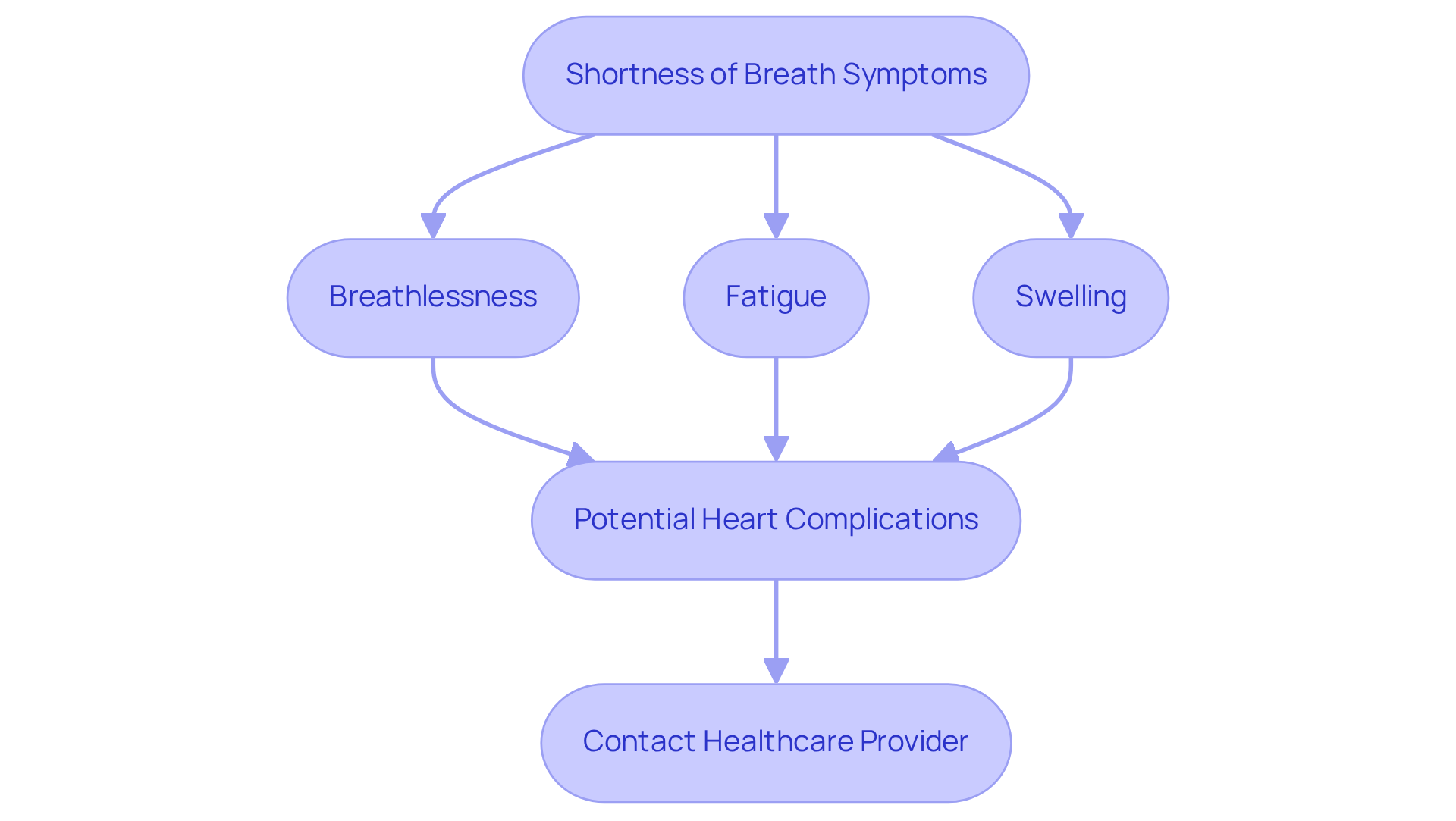
Experiencing shortness of breath can be alarming, particularly when it is due to a serious condition like endocarditis. This condition, characterized by symptoms of tooth infection spreading to heart, occurs when bacteria invade the lining of the heart, causing it to work harder and making it difficult to breathe. If you notice symptoms such as chest tightness, it may indicate a serious health issue, which can be exacerbated by other illnesses.
Have you ever felt winded during everyday activities or even while resting? If so, it’s crucial to reach out to a healthcare provider without delay. At Amavita, we understand how concerning these symptoms can be. We specialize in diagnosing and treating heart conditions through comprehensive care that can significantly enhance your well-being.
Your health and safety are our top priorities. We’re here to help.
If you're dealing with a tooth infection, it’s important to pay attention to the potential symptoms. These symptoms may indicate the infection is spreading, suggesting that a tooth issue might be getting worse. Your body is trying to fight off the illness, and that’s a sign you shouldn’t ignore. When a fever goes above 100.4°F (38°C) along with dental discomfort, it’s time to seek medical help right away. This can prevent serious complications.
Have you ever thought about how dental problems can affect your overall health? It’s true that systemic reactions to dental issues can result in serious conditions, including the risk of heart disease. Recognition of early symptoms can make a big difference in your treatment and help prevent further health issues.
Remember, you’re not alone in this. It’s completely understandable to feel anxious about your health, but reaching out for support is a strong step towards feeling better. Don’t hesitate to contact your healthcare provider if you notice these signs. Your health and well-being are worth it.

Facial or jaw swelling can be a concerning sign that something might be wrong with your teeth. This swelling often comes from pus buildup or inflammation due to an infection. In more serious cases, it could lead to complications like cellulitis or even osteomyelitis, which can pose serious health risks. It's important to recognize that a dental problem can affect the jawbone, potentially leading to a more severe condition. This highlights the need to address these symptoms promptly.
If you notice swelling that makes it difficult to open your mouth or swallow, please don’t hesitate to seek immediate dental or medical attention. Remember, untreated dental issues can escalate into serious health problems, including symptoms of heart disease and sepsis. As Dr. Jade, a Doctor of Dental Surgery, wisely points out, "Early intervention can prevent serious complications and safeguard overall health." Your well-being is important, and taking action can make a difference.
If you’re dealing with bad breath, known as halitosis, it’s important to understand that this can signal a tooth infection. This condition arises when bacteria thrive in an infected area, producing foul odors. Have you noticed a sudden change in your breath? If this is accompanied by other symptoms, it’s crucial to reach out to a dentist. They can help address the underlying issue and provide the care you need.
Remember, you’re not alone in this. Many people experience similar concerns, and seeking help is a positive step towards better health. A dentist can offer solutions that not only improve your breath but also enhance your overall well-being. Don’t hesitate to take action; your comfort and health are worth it.

Feeling unusually fatigued? It might be your body signaling that it’s fighting something, like a dental issue. If you’re experiencing this fatigue alongside dental discomfort or other symptoms of infection, it’s crucial to reach out to a healthcare professional. This fatigue can be a sign that an illness is spreading, potentially impacting your overall health.
Research indicates that even a small abscess can sap your energy, as your immune system works tirelessly to fend off bacteria. You might notice symptoms like tooth pain, swollen gums, or even a fever. For instance, one patient shared that they felt persistently drained until they received the right care. Remember, if treatment is delayed, the infection spreading to heart can lead to lingering fatigue for days or even longer, highlighting the importance of timely medical intervention.
But it’s not just dental issues to consider. Unexplained fatigue can also be a warning sign of serious conditions, such as arrhythmia or heart failure. At Amavita, we offer a comprehensive evaluation to pinpoint the cause of your fatigue. If you have risk factors like a family history of heart issues, high blood pressure, or diabetes, it’s essential to assess your cardiovascular health. Ignoring these signs can lead to prolonged fatigue and discomfort, so seeking a thorough evaluation is vital to ensure your heart is functioning at its best.
You deserve to feel your best, and we’re here to help you every step of the way.

If you're experiencing any symptoms related to a tooth issue, it's important to reach out to Amavita specialists right away. Their deep expertise in dental health is vital for addressing any potential complications that might arise from dental problems. Did you know that research shows a link between oral health and heart disease? It can lead to serious health issues. For example, timely intervention has been proven to lower risks and speed up recovery times. This highlights just how crucial dental care is.
By engaging with Amavita, you can ensure that your heart health is prioritized. They offer comprehensive management of any related concerns, providing you with the support you need. Remember, taking that first step towards dental care can make all the difference in your overall health.
Recognizing the connection between dental health and cardiovascular issues is crucial for maintaining your overall well-being. If you notice symptoms like:
it’s important to understand that these could indicate a tooth infection spreading to the heart. Being aware of these signs can help you seek timely medical intervention and prevent serious health complications.
Throughout this article, we’ve emphasized the importance of awareness and prompt action. Symptoms such as chest discomfort and shortness of breath may signal underlying heart conditions, while fever and fatigue can indicate that an infection is worsening. Each of these indicators serves as a reminder that your dental health is intricately linked to your heart health. Neglecting these signs can lead to dire consequences, and we want you to feel empowered to take action.
Taking proactive steps towards your health is vital. If you experience any of these symptoms, please consult healthcare professionals, like those at Amavita, who can provide essential support and guidance. Remember, prioritizing your dental and heart health isn’t just about comfort; it’s about safeguarding your future well-being. Don’t wait for symptoms to escalate-seek help and ensure that both your dental and cardiovascular health are in check.
What should I recognize chest pain as?
Chest pain can be a warning sign of serious conditions, including dental issues, coronary artery disease, or arrhythmias. It may feel sharp, dull, or resemble heartburn.
How can dental problems affect heart health?
Dental problems can lead to symptoms of tooth infection spreading to the heart, potentially resulting in infective endocarditis, a serious heart condition.
Why is it important to seek medical attention for chest pain associated with dental problems?
Seeking immediate medical attention can help rule out serious conditions and ensure appropriate care, as untreated dental issues can lead to significant health risks.
What is the CardioElite™ program?
The CardioElite™ program offers comprehensive cardiac management aimed at reducing readmissions and enhancing patient outcomes.
What symptoms should I be aware of regarding shortness of breath?
Symptoms such as breathlessness, fatigue, or swelling may indicate underlying valve disease, especially if they are related to complications from dental issues.
What should I do if I experience shortness of breath?
If you experience shortness of breath, especially during everyday activities or while resting, it is crucial to reach out to a healthcare provider without delay.
How does Amavita Heart and Vascular Health assist patients with heart valve issues?
Amavita Heart and Vascular Health specializes in diagnosing and treating heart valve issues through minimally invasive procedures that can enhance breathing and overall energy levels.