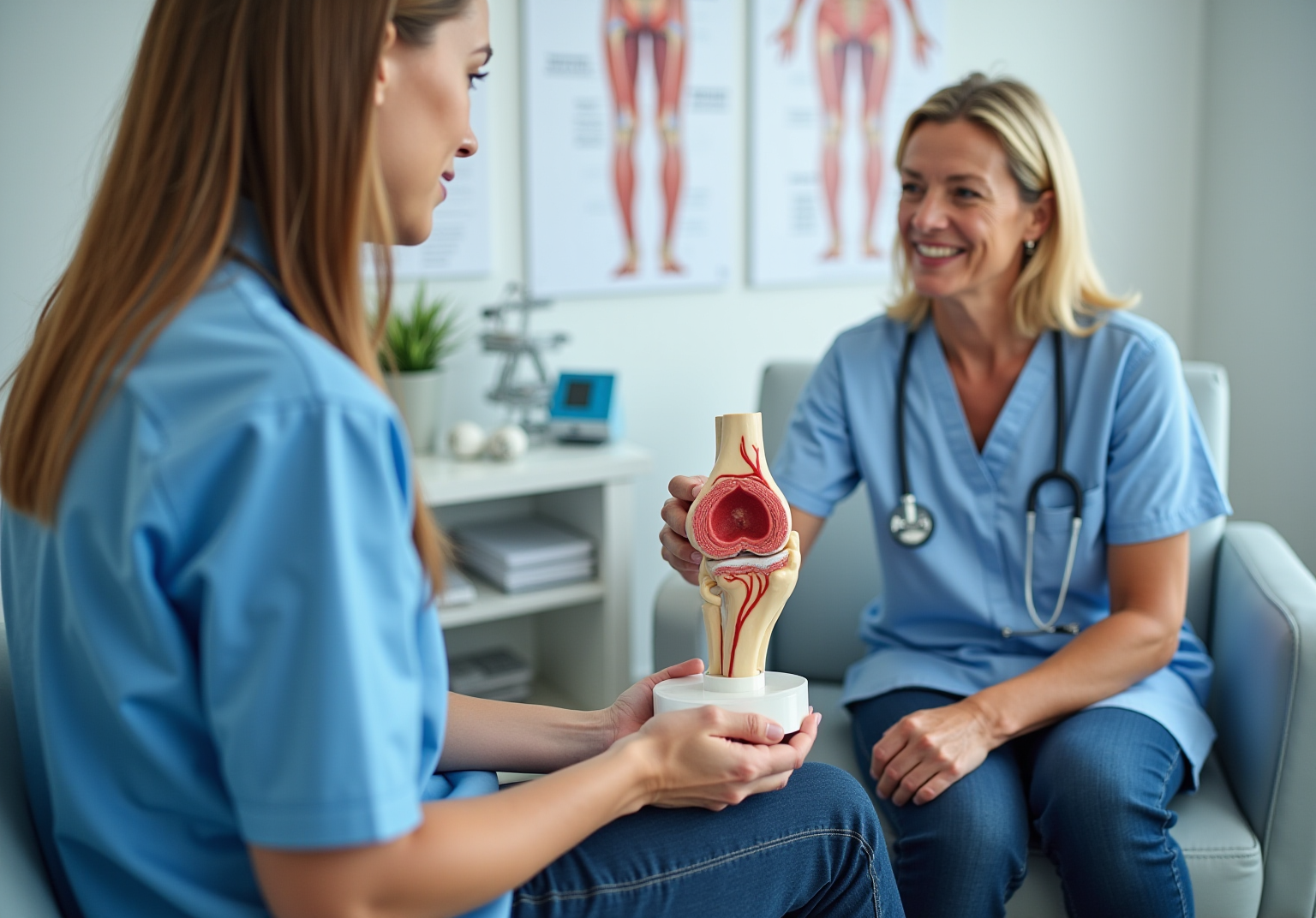


Genicular Artery Embolization (GAE) is changing the way we approach chronic knee pain, especially for those living with osteoarthritis. This minimally invasive procedure offers a gentle alternative to traditional surgery, which can often feel daunting. In this article, we’ll explore essential strategies to enhance your recovery after GAE, providing insights that can truly make a difference in your healing journey.
However, we understand that the road to recovery can be challenging. What steps can you take to ensure you heal effectively and regain your mobility? By focusing on your recovery, you can maximize the benefits of this innovative treatment and feel more confident in your progress.
Let’s take this journey together, exploring ways to support your healing and help you return to the activities you love.
Genicular Artery Embolization (GAE) is a promising, minimally invasive procedure designed to help alleviate chronic knee discomfort, especially for those dealing with osteoarthritis. If you’ve been struggling with knee pain, you might find comfort in knowing that this procedure involves inserting a catheter into the femoral artery and guiding it to the genicular arteries, which supply blood to your knee. By injecting small particles into these arteries, GAE can effectively reduce blood flow, leading to less inflammation and significant relief from discomfort. This innovative approach is particularly beneficial for individuals who may not be candidates for major surgery, allowing for a quicker recovery and an improved quality of life.
Recent studies show that the GAE recovery week success rate is high, boasting an immediate technical success rate ranging from 95% to 100%. Many patients report a noticeable decrease in discomfort scores, with averages dropping by 40% to 50% within just the first week after the procedure. Furthermore, the GAE recovery week success rate, which is defined as a 50% or greater reduction in discomfort scores, is achieved in 65% to 85% of individuals. These encouraging outcomes highlight how effective GAE can be in managing knee discomfort without the complications often associated with traditional surgical options.
Success stories from individuals who have undergone GAE truly emphasize its positive impact on daily life. Many share experiences of improved mobility and overall well-being, with symptom relief often felt as early as six weeks post-procedure. This aligns with findings that indicate a median KOOS (Knee Injury and Osteoarthritis Outcome Score) subscore for quality of life improving from 19 to 42 after 12 months.
Orthopedic specialists are increasingly recognizing the benefits of minimally invasive techniques like GAE. They point out that not only does this procedure relieve discomfort, but it may also slow the progression of osteoarthritis by reducing inflammatory markers. As Dr. Ryan M. Hickey, an interventional radiologist, notes, "This procedure is particularly suited to those patients who are either not yet ready for knee replacement surgery or for whom surgery is not an option because of age or other risk factors." With the growing demand for effective, less invasive treatment options, GAE stands out as a hopeful solution for those experiencing chronic knee discomfort.

Recovery after GAE starts with a crucial focus on rest during the first 24 to 48 hours. This period is vital for kickstarting your healing journey. Applying ice packs to your knee can help ease swelling and discomfort significantly. It’s important to follow the discomfort management protocols your healthcare provider has prescribed, which might include over-the-counter medications or specific drugs tailored to your needs.
Are you noticing any unusual symptoms, like excessive swelling or a fever over 100°F? If so, don’t hesitate to reach out to your healthcare team. They’re there to support you. Studies show that individuals who embrace these rehabilitation strategies often report better outcomes, such as reduced discomfort and improved mobility within just a few weeks after the procedure. Most people find that their discomfort and swelling decrease significantly around two weeks post-GAE.
As Dr. Yosef Golowa emphasizes, healing isn’t just about enduring discomfort; it’s about finding a balance between rest and gentle movement. This approach can pave the way for a smoother recovery. Additionally, don’t forget the importance of a balanced diet and staying hydrated - these are key to supporting your body’s healing process. Remember, you’re not alone in this journey; support is always available.

After the initial healing stage, usually around 48 hours, it’s important to start incorporating gentle movements into your routine. Have you considered how activities like walking can help maintain your joint mobility and prevent stiffness? Physical therapists often suggest personalized exercises that not only strengthen your knee but also enhance your overall function. Staying hydrated is crucial too - aim for 6-8 glasses of water daily to help manage post-procedure swelling and keep your joints lubricated.
Following your therapist's guidance and progressing at a comfortable pace is vital. This approach not only helps avoid pain but also promotes healing. Did you know that individuals who gradually integrate movement into their recovery often report a better GAE recovery week success rate? Many find considerable relief and improved mobility shortly after the procedure, contributing to a high GAE recovery week success rate. Participating in light activities can assist your physical healing while also fostering a positive mindset, empowering you to take an active role in your rehabilitation journey.
Furthermore, maintaining a healthy weight can significantly reduce pressure on your knee joints, further aiding your rehabilitation efforts. Remember, you’re not alone in this journey - support is available, and taking these steps can lead to a more comfortable and fulfilling recovery.

Nutrition plays a crucial role in your healing journey after Genicular Artery Embolization (GAE). You might be wondering how to best support your recovery, and a balanced diet can make all the difference. Think about incorporating lean proteins like chicken, fish, beans, and legumes into your meals. Pair these with colorful fruits, vegetables, and whole grains to help repair tissues and reduce inflammation.
Have you considered the benefits of vitamins C and D, along with calcium? These nutrients are vital for enhancing your healing process. Staying hydrated is equally important; aim for 6-8 glasses of water each day to keep your joints lubricated and support your overall health.
It's also wise to limit alcohol consumption, as it can interfere with your medications and slow down wound healing. If you have specific dietary concerns or restrictions, reaching out to a registered dietitian can provide you with personalized recommendations. They can help ensure you have a comprehensive approach to your recovery, tailored just for you. Remember, you’re not alone in this journey; support is available to help you every step of the way.

Boosting your recovery after Genicular Artery Embolization (GAE) is absolutely within reach when you follow a thoughtful approach that prioritizes both immediate care and long-term rehabilitation. By understanding the procedure and the essential steps to take after treatment, you can truly enhance your recovery experience and improve your overall outcomes.
Consider this: the first 48 hours are crucial. Rest and proper post-procedure care during this time can make a significant difference. After that, gradually introducing movement and physical therapy can help you regain strength. Don’t forget about nutrition and hydration! A balanced diet rich in essential nutrients is vital for supporting your healing process. Engaging with your healthcare professionals and following their advice is key to managing symptoms and ensuring a smooth rehabilitation journey.
Ultimately, your journey after GAE isn’t just about easing knee pain; it’s about reclaiming your mobility and enhancing your quality of life. By focusing on these important steps, you can take charge of your recovery, paving the way for a more comfortable and fulfilling life. Embrace this process, seek support when you need it, and remember that every step you take brings you closer to a brighter, pain-free future.
What is Genicular Artery Embolization (GAE)?
Genicular Artery Embolization (GAE) is a minimally invasive procedure aimed at alleviating chronic knee discomfort, particularly for individuals with osteoarthritis. It involves inserting a catheter into the femoral artery and guiding it to the genicular arteries of the knee, where small particles are injected to reduce blood flow and inflammation.
Who can benefit from GAE?
GAE is beneficial for individuals suffering from chronic knee pain, especially those who may not be candidates for major surgery or knee replacement due to age or other risk factors.
What are the success rates associated with GAE?
The immediate technical success rate of GAE ranges from 95% to 100%. Many patients report a 40% to 50% decrease in discomfort scores within the first week, and 65% to 85% of individuals experience a 50% or greater reduction in discomfort scores post-procedure.
When can patients expect to see relief after undergoing GAE?
Patients often report symptom relief as early as six weeks after the procedure, with improvements in mobility and overall well-being.
How does GAE impact the progression of osteoarthritis?
GAE may help slow the progression of osteoarthritis by reducing inflammatory markers, which is beneficial for managing the condition over time.
What improvements in quality of life can be expected after GAE?
Studies indicate that the median KOOS (Knee Injury and Osteoarthritis Outcome Score) subscore for quality of life improves significantly, from 19 to 42 after 12 months following the procedure.
Why is GAE considered a hopeful solution for chronic knee discomfort?
GAE is recognized as a promising treatment option due to its minimally invasive nature, high success rates, and potential to improve quality of life without the complications associated with traditional surgical methods.