


Understanding the relationship between diabetes and heart health is essential. Rising blood sugar levels can quietly increase the risk of serious cardiovascular issues, including heart attacks. Did you know that nearly half of adults with diabetes struggle with poor blood sugar control? This statistic is alarming and highlights the importance of being proactive about heart health.
In addition to this, the mechanisms linking diabetes to heart disease are complex but crucial to understand. By delving into these connections, we can uncover valuable insights that empower individuals to take charge of their health. What proactive steps can you take to mitigate these risks and protect your heart?
It's natural to feel anxious about these concerns, but remember, you're not alone. There are ways to actively safeguard your heart health, and support is available. Together, we can navigate this journey towards better health.
It is important to understand how diabetes can affect your and whether it . When , they can damage the blood vessels and nerves that help regulate how your heart functions. If you’re dealing with blood sugar issues, it’s important to know that and other , like strokes, significantly increase your risk. In fact, studies show that adults with high blood sugar are twice as likely to face these serious health challenges compared to those without diabetes. Over time, one may wonder if can diabetes cause heart attack, as this risk only increases.
Consider this: nearly 80% of adults with diabetes also have . Additionally, research indicates that 47.4% of U.S. adults with diabetes have an A1C level of 7.0% or higher, raising the question of whether can diabetes cause heart attack, as this level signals poor blood sugar control that is directly linked to cardio problems.
At Amavita Heart and Vascular Health®, we understand how overwhelming this can feel. That’s why we emphasize the importance of regular monitoring and lifestyle changes. By managing your blood pressure and cholesterol levels, you can significantly reduce your risk of . Our and preventive strategies are tailored to meet your unique needs. We combine advanced evaluation tools, including state-of-the-art imaging and testing, all in one convenient location, with personalized interventions like lifestyle adjustments and minimally invasive therapies.
can help answer the question of whether can diabetes cause heart attack, empowering you to take proactive steps in managing your overall well-being. Remember, you’re not alone in this journey. We’re here to support you every step of the way.

Understanding how diabetes can significantly is crucial, especially regarding the question of . Let’s explore some of the key factors that contribute to this risk:
Recent studies show that individuals with diabetes may wonder if , as they are two to four times more likely to develop compared to those without it. It’s also important to note that the longer someone has high blood sugar, the greater their risk becomes. This highlights the importance of proactive management. Regularly , cholesterol levels, and weight is essential for assessing your risk of .
By understanding these processes, you can take informed steps to reduce your vulnerability and . Remember, you’re not alone in this journey, and there are resources and support available to help you manage your health effectively.
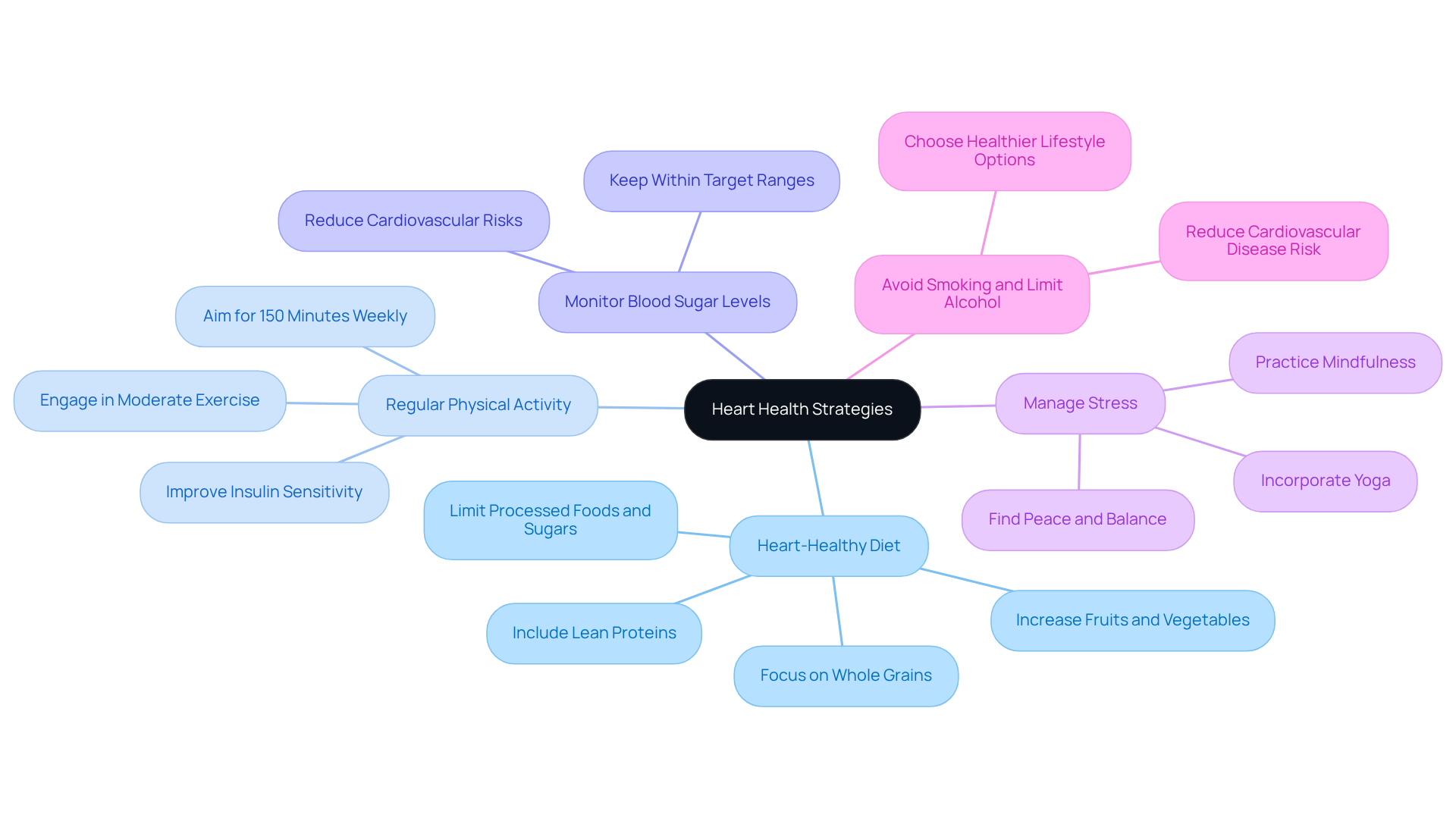
To safeguard your heart health while managing diabetes, consider these compassionate strategies:
In addition to these strategies, Amavita offers tailored for advanced cardiovascular health monitoring and longevity. These programs include features such as comprehensive biomarker panels, , and . They can help you more effectively and tailor your management strategies to your unique needs.
By applying these strategies alongside Amavita's services, you can enhance your overall health while considering if diabetes can cause heart attack. Remember, you’re not alone on this journey; support is always available.
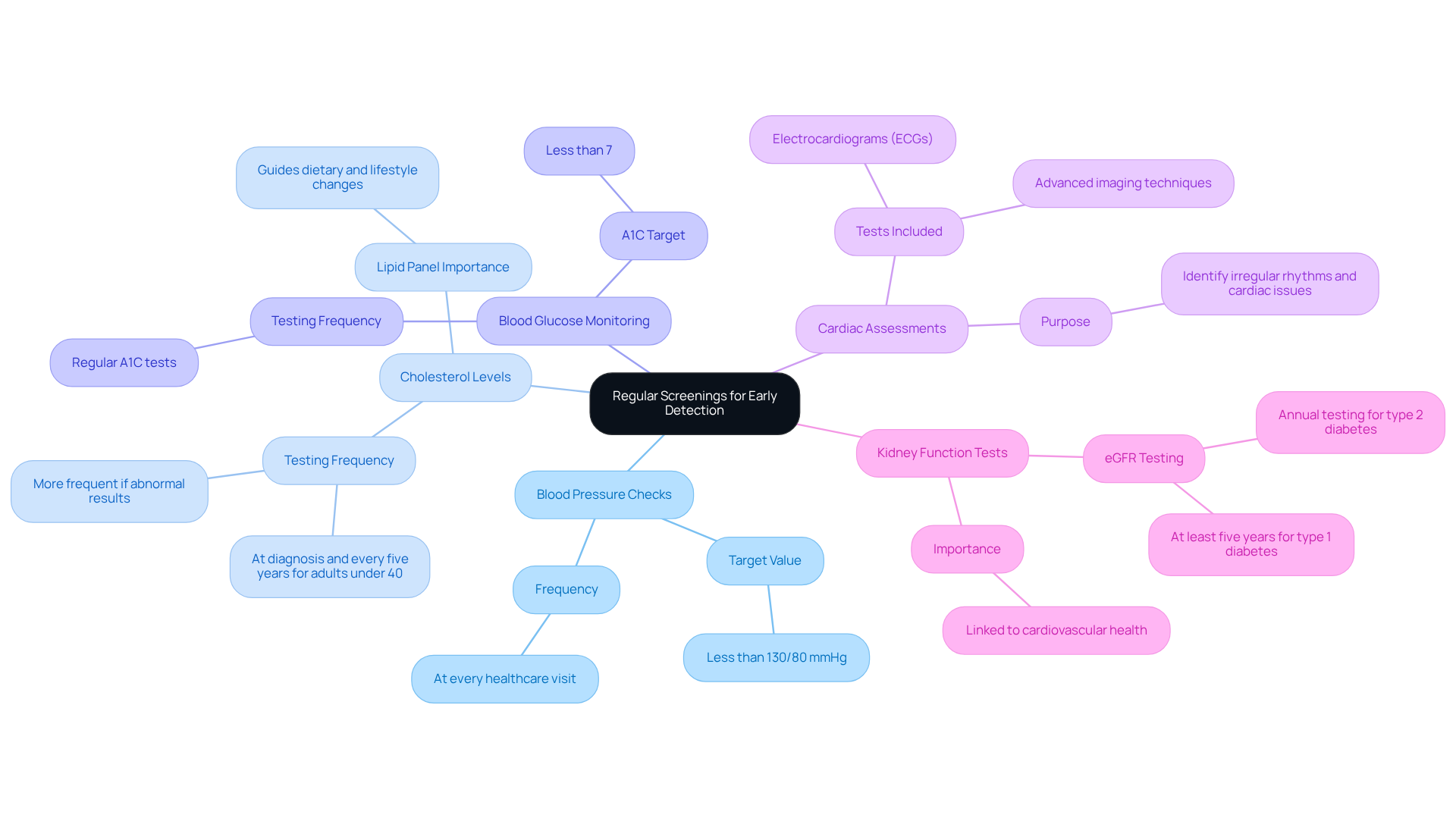
Routine evaluations are essential for individuals managing blood sugar issues, as they help assess whether diabetes can cause heart attack and track cardiovascular wellness while minimizing risks. At Amavita Heart and Vascular Health®, we understand your concerns and emphasize comprehensive cardiac evaluations tailored to your unique needs. This includes and preventive procedures designed to support your health journey. Here are some key screenings to consider:
By scheduling these screenings regularly at Amavita and incorporating , you can facilitate early detection and better management of cardiovascular risks. This proactive approach ultimately leads to , and we’re here to support you every step of the way.
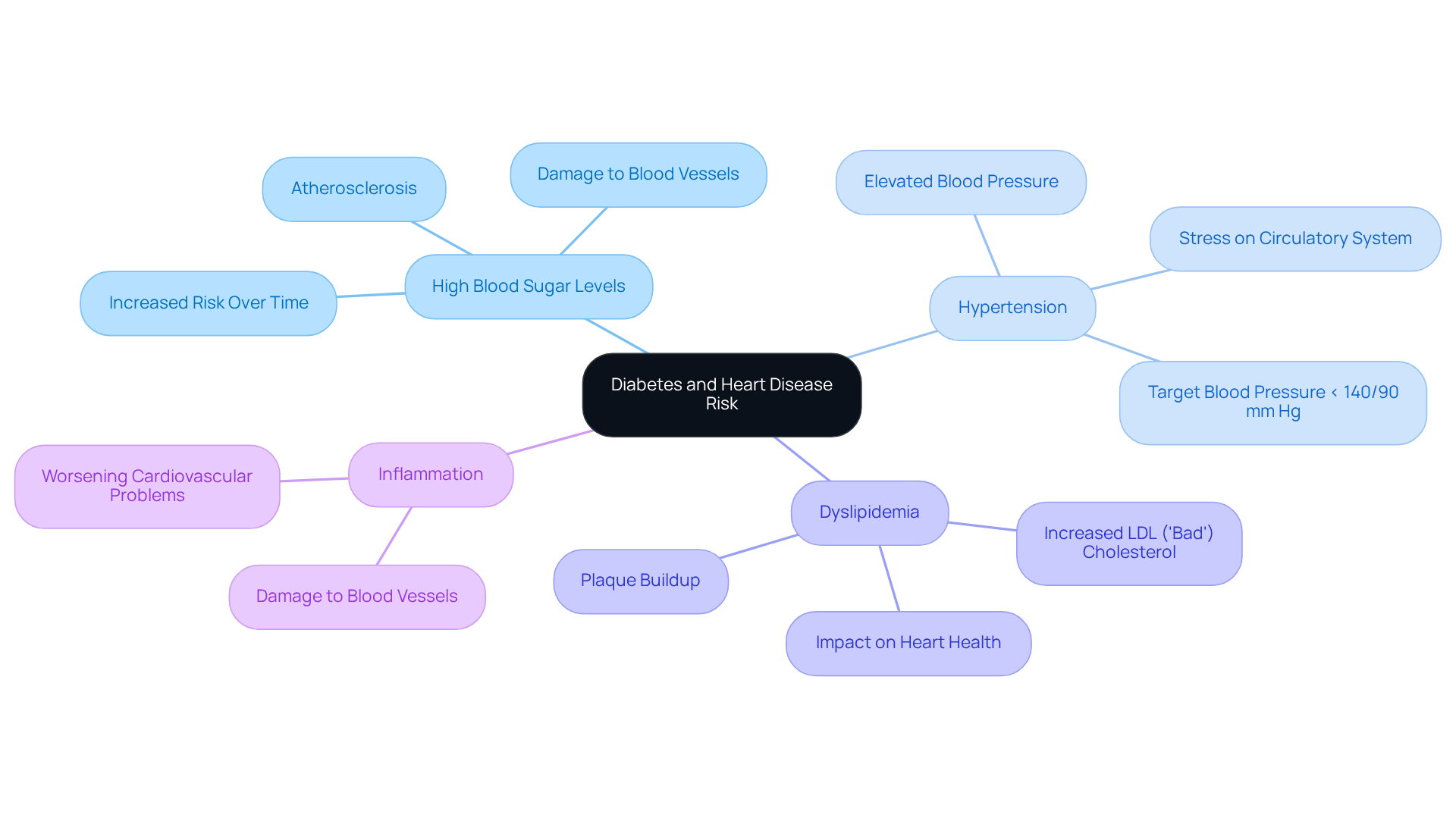
Understanding the connection between diabetes and heart health is crucial for anyone managing this condition. Have you ever considered how diabetes can elevate your risk of heart attacks and other cardiovascular issues? By recognizing this relationship, you can take informed steps to protect your heart health and overall well-being.
Several key factors contribute to the increased risk of heart disease in individuals with diabetes:
Furthermore, proactive management through lifestyle changes, regular monitoring, and comprehensive screenings can significantly reduce these risks. You have the power to take control of your health.
Ultimately, the message is clear: awareness and action are essential. By adopting heart-healthy practices - like maintaining a balanced diet, engaging in regular physical activity, and scheduling routine health screenings - you can substantially lower your risk of cardiovascular complications associated with diabetes. Taking these steps not only enhances your personal health but also creates a supportive environment for others navigating similar challenges. Remember, you’re not alone in this journey.
How does diabetes affect heart health?
Diabetes can damage blood vessels and nerves that help regulate heart function, increasing the risk of heart attacks and other cardiovascular conditions.
Can diabetes cause a heart attack?
Yes, diabetes significantly increases the risk of heart attacks and other cardiovascular issues, with studies showing that adults with high blood sugar are twice as likely to face these health challenges compared to those without diabetes.
What is the relationship between diabetes and high blood pressure?
Nearly 80% of adults with diabetes also have high blood pressure, which is a major contributor to heart disease.
What does an A1C level of 7.0% or higher indicate?
An A1C level of 7.0% or higher indicates poor blood sugar control, which is directly linked to cardiovascular problems and raises the risk of heart attacks.
What can be done to reduce heart-related risks for individuals with diabetes?
Regular monitoring of blood pressure and cholesterol levels, along with lifestyle changes, can significantly reduce the risk of heart-related issues for individuals with diabetes.
What services does Amavita Heart and Vascular Health® offer to support heart health?
Amavita Heart and Vascular Health® offers comprehensive cardiac evaluations, advanced imaging and testing, personalized lifestyle adjustments, and minimally invasive therapies tailored to individual needs.