Introduction
Heart disease is a significant health concern that touches the lives of millions around the globe. It’s essential to approach this topic with care, as understanding the complexities of heart disease can be overwhelming for many. With various medications available, knowing their specific roles and potential side effects is vital for both patients and caregivers. This article aims to explore the effectiveness and side effects of common heart disease medications, encouraging you to think about how these treatments can be tailored to your unique needs.
What challenges do you face when navigating the complexities of these medications? It’s completely normal to feel uncertain or anxious. However, making informed choices can lead to better health outcomes. Remember, you’re not alone in this journey; support is available, and together we can find the best path forward.
Overview of Heart Disease Medications and Their Purpose
play a crucial role in managing various cardiovascular issues, such as hypertension, , and . These are designed not only to improve but also to ease symptoms and like heart attacks and strokes.
Have you ever wondered how these medications work? Common categories of include:
- Antihypertensives
- Anticoagulants
- Antiplatelet agents
- Statins
Each of these classes has a specific role: , , antiplatelet agents reduce the risk of clot formation, and . Understanding these purposes is essential, especially for elderly patients and their caregivers, as managing multiple medications can be quite complex.
It's completely normal to feel overwhelmed by all this information. Remember, you’re not alone in this journey. If you have questions or concerns about your treatment, don’t hesitate to reach out for support. Your health and well-being are what truly matter, and there are this path with confidence.

Classification of Common Heart Disease Medications
Understanding the therapeutic actions of can help ease concerns about managing health conditions in our elderly loved ones, as they play a vital role in their care. Let’s explore some key categories of , which are .
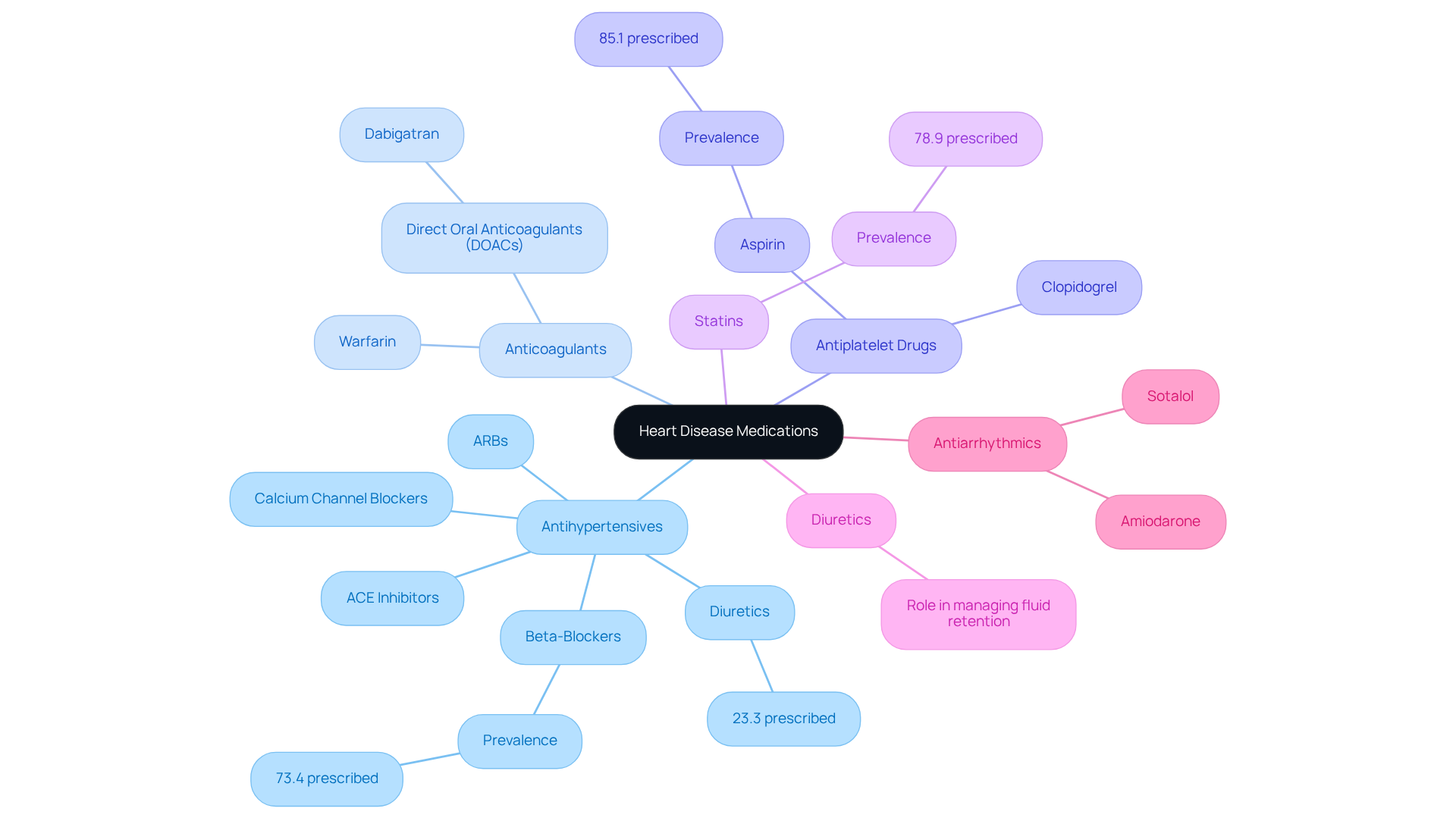
- Antihypertensives: This group includes ACE inhibitors, angiotensin II receptor blockers (ARBs), beta-blockers, and calcium channel blockers. These are designed to . Did you know that about 53.1% of elderly individuals are prescribed antihypertensives? This highlights their critical role in managing hypertension using heart disease medications. In fact, heart disease medications, such as beta-blockers, are widely used, with a pooled estimate of 73.4% reported in 53 studies, showing their importance in this demographic.
- Heart disease medications, including anticoagulants like warfarin and direct oral anticoagulants (DOACs), are crucial for preventing blood clots, especially for those with atrial fibrillation or at risk of thromboembolic events. While warfarin has been a standard treatment, like dabigatran offer convenience by eliminating the need for regular blood tests. Dr. Daniel W. Jones, M.D., FAHA, emphasizes the significance of these advancements in the 2025 guidelines for hypertension management, reassuring us that progress is being made.
- Heart disease medications like aspirin and clopidogrel are essential in . The prevalence of aspirin use among individuals with coronary heart disease is reported at 85.1%, underscoring its importance in cardiovascular care. Additionally, the overall prevalence of antiplatelet drugs was retrieved from 51 studies, with a pooled estimate of 84.6%.
- Heart disease medications like and stabilize atherosclerotic plaques, lowering the chance of cardiovascular issues. Statin use is widespread, with estimates indicating that approximately 78.9% of individuals utilize these drugs, reflecting their effectiveness in managing cholesterol-related risks.
- Diuretics, which are heart disease medications, are often used to manage by helping to reduce fluid excess, enhancing symptoms and improving the quality of life for individuals. Their role is particularly vital for elderly patients who frequently experience fluid retention.
- Heart disease medications, including antiarrhythmics like amiodarone and sotalol, are crucial for managing abnormal heart rhythms, which can be particularly challenging for older adults. Careful selection of these treatments is essential to minimize side effects and ensure effective management.
This categorization not only helps us understand the various therapies available but also emphasizes the importance of tailored to the unique needs of older individuals. Remember, seeking help and guidance from healthcare professionals can lead to optimal results in managing , ensuring that our loved ones receive the care they deserve.
Effectiveness of Heart Disease Medications: A Comparative Analysis
The effectiveness of for cardiovascular disease treatments can vary greatly, depending on the specific condition and the individual’s unique profile. Let’s explore some key options that may resonate with you or your loved ones:
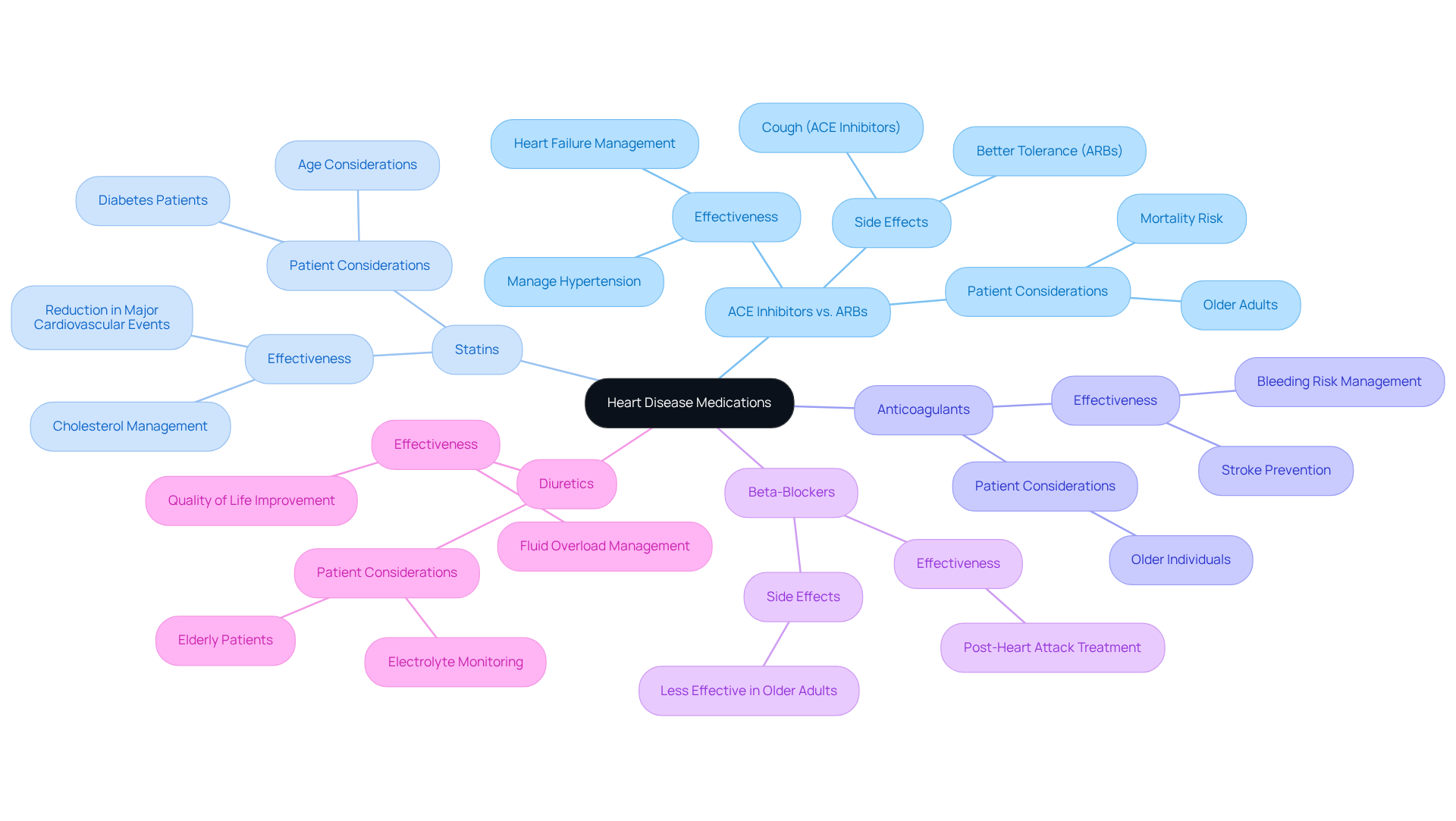
- : Both classes are effective in managing hypertension and heart failure. However, are often better tolerated, especially for those who experience cough as a side effect of ACE inhibitors. Recent studies even suggest that ARBs may lower the risk of all-cause mortality compared to ACE inhibitors, particularly in . This is an important consideration for your health journey.
- Statins: in , showing a reduction in major cardiovascular events by about 25-30% in high-risk populations. Regular use of statins is linked to a significant decrease in cardiovascular illness and death, especially among individuals with diabetes, who face a higher risk of cardiovascular disease (CVD). The American Diabetes Association recommends prioritizing statin therapy for primary prevention in diabetic individuals aged 40 and above. This highlights the importance of that consider personal health factors, particularly in the use of .
- Anticoagulants: have shown effectiveness similar to warfarin in preventing strokes in individuals with atrial fibrillation, while also reducing the risk of significant bleeding complications. This makes them a favorable option for older individuals who may be more susceptible to bleeding risks.
- Beta-Blockers: Traditionally prescribed after a heart attack, recent studies indicate that the benefits of beta-blockers may be less pronounced in certain populations, particularly , who often experience more side effects. This underscores the importance of careful patient selection and monitoring.
- Diuretics: These medications are effective in managing fluid overload in heart failure, significantly improving symptoms and quality of life. However, they require careful monitoring to avoid electrolyte imbalances, which can be particularly challenging in the elderly.
In addition to these medications, Amavita's plays a vital role in enhancing . It provides advanced, real-time diagnostic data and 24/7 cardiology consultation. This comprehensive approach not only improves proactive management but also reduces emergency workloads and addresses the high cardiovascular readmission rates often seen in skilled nursing facilities (SNFs). By incorporating AI and AHA certification, CardioElite™ empowers healthcare providers to deliver data-informed care, ultimately enhancing cardiac services and outcomes for older individuals.
This comparative analysis emphasizes the importance of in personalized medicine, particularly for elderly individuals, where balancing effectiveness and tolerability is essential. Remember, you’re not alone on this journey; support is available to help you navigate your health needs.
Side Effects and Considerations of Heart Disease Medications
While are essential for managing cardiovascular conditions, they can also have side effects that warrant careful consideration, particularly for older adults.
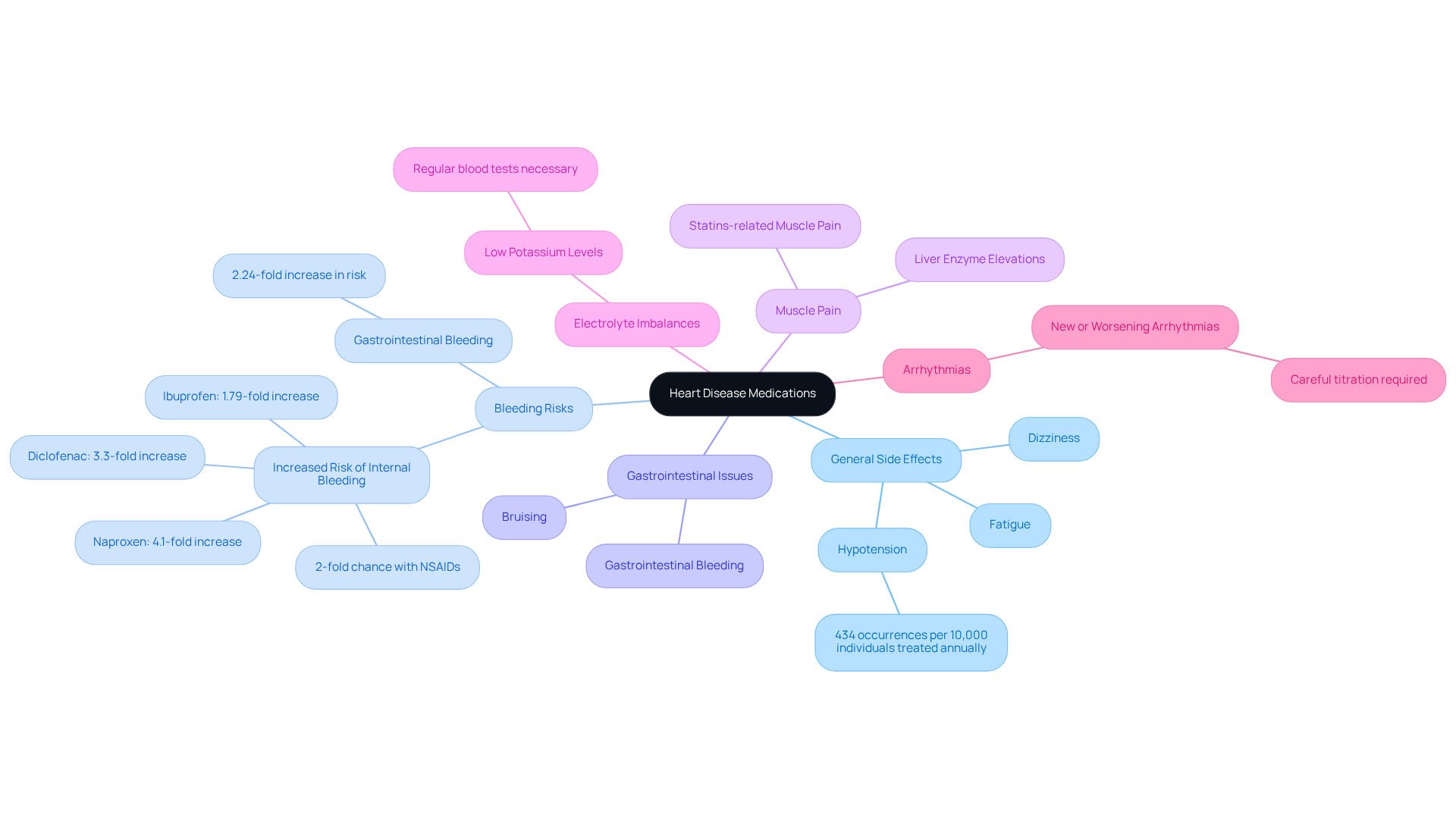
- : These medications may cause dizziness, fatigue, and hypotension, which can be particularly concerning for older adults who might already have balance issues. Did you know that the total likelihood of hospitalization or death from hypotension is around 434 occurrences per 10,000 individuals treated each year? This highlights the need for . In elderly individuals aged 80 to 89, the absolute chance of can reach 61 occurrences per 10,000 treated yearly. It’s crucial to weigh the benefits of treatment against the potential risks.
- : While they effectively prevent blood clots, significantly increase the risk of severe bleeding. For instance, individuals using these medications face a when taking non-steroidal anti-inflammatory drugs (NSAIDs). Regular blood level monitoring is vital to mitigate these risks, as the absolute chance of is approximately 15 to 17 occurrences per 10,000 individuals treated annually.
- Heart disease medications, including antiplatelet agents, can lead to gastrointestinal bleeding and bruising, making it essential for patients to be educated on recognizing signs of bleeding. The is notably higher, with a 2.24-fold increase linked to certain medications.
- Heart disease medications such as statins are generally well-tolerated, but they can still cause , which require monitoring. In some cases, these side effects may lead to stopping the therapy altogether.
- Diuretics: These heart disease medications can cause , particularly low potassium levels, so regular blood tests are necessary to ensure safe levels are maintained.
- Heart disease medications, including antiarrhythmics, can be effective but may lead to new or worsening , necessitating careful titration and ongoing monitoring.
Understanding these side effects is crucial for both healthcare providers and patients, especially in the geriatric population. As one expert noted, 'The combination of advanced old age and increasing frailty severity may be a particular situation in which the balance of risk tips in favor of a more circumspect approach to treatment.' Remember, you’re not alone in this journey. Seeking support and guidance can make all the difference.
Conclusion
Heart disease medications play a crucial role in managing cardiovascular conditions, offering significant benefits that can improve heart function and help prevent serious complications. It’s important to understand the different classes of these medications - like antihypertensives, anticoagulants, antiplatelet agents, and statins - so that treatment strategies can be tailored to meet the unique needs of each patient, especially our elderly loved ones.
This article highlights not only the effectiveness but also the side effects of various heart disease medications, underscoring the importance of personalized medicine. For instance, while medications such as ACE inhibitors and statins are vital for managing hypertension and cholesterol, they may also pose risks, particularly for older adults. This comparative analysis emphasizes the need for careful patient selection and monitoring, ensuring that the benefits of treatment are balanced with potential side effects, like dizziness or gastrointestinal bleeding.
Ultimately, the importance of heart disease medications goes beyond individual treatments; it embraces a holistic approach to cardiovascular care. Engaging with healthcare professionals for guidance and support is essential in navigating these complexities. By staying informed and proactive, individuals can make empowered decisions about their health journey, ensuring they receive the best possible care tailored to their needs. Remember, you’re not alone in this - support is always available.
Frequently Asked Questions
What is the purpose of heart disease medications?
Heart disease medications are designed to manage various cardiovascular issues, improve heart function, ease symptoms, and prevent serious complications like heart attacks and strokes.
What are the common categories of heart disease medications?
The common categories include antihypertensives, anticoagulants, antiplatelet agents, and statins.
How do antihypertensives work?
Antihypertensives help lower blood pressure.
What is the role of anticoagulants?
Anticoagulants work to prevent blood clots.
What do antiplatelet agents do?
Antiplatelet agents reduce the risk of clot formation.
How do statins assist patients?
Statins assist in managing cholesterol levels.
Why is understanding heart disease medications important for elderly patients and caregivers?
Understanding these medications is essential for elderly patients and caregivers because managing multiple medications can be complex.
What should patients do if they have questions or concerns about their treatment?
Patients should reach out for support if they have questions or concerns about their treatment, as there are resources available to help them navigate their health journey.
List of Sources
- Overview of Heart Disease Medications and Their Purpose
- ajconline.org (https://ajconline.org/article/S0002-9149(08)01715-3/fulltext)
- Statin Use and Survival Outcomes in Elderly Patients With Heart Failure (https://jamanetwork.com/journals/jamainternalmedicine/fullarticle/486355)
- Memorable Cardiology Quotes - TheKnowHow.Æ (https://theknowhow.ae/memorable-cardiology-quotes-heart)
- New study finds Ozempic and Mounjaro protect the heart too (https://sciencedaily.com/releases/2025/11/251112011814.htm)
- Classification of Common Heart Disease Medications
- New high blood pressure guideline emphasizes prevention, early treatment to reduce CVD risk (https://newsroom.heart.org/news/new-high-blood-pressure-guideline-emphasizes-prevention-early-treatment-to-reduce-cvd-risk)
- globalheartjournal.com (https://globalheartjournal.com/articles/10.5334/gh.1124)
- Q3 2025 Recap: Cardiology News and Updates | HCPLive (https://hcplive.com/view/q3-2025-recap-cardiology-news-and-updates)
- Antihypertensive drugs for elderly patients: a cross- sectional study - PMC (https://pmc.ncbi.nlm.nih.gov/articles/PMC4447932)
- QUOTATIONS FROM MEDICAL SPECIALISTS - Warfarin Management in Patients with Atrial Fibrillation — Current Practice Study - NCBI Bookshelf (https://ncbi.nlm.nih.gov/books/NBK361762)
- Effectiveness of Heart Disease Medications: A Comparative Analysis
- ajconline.org (https://ajconline.org/article/S0002-9149(08)01715-3/fulltext)
- The Impact of Statin Therapy on Cardiovascular Outcomes in Patients With Diabetes: A Systematic Review - PMC (https://pmc.ncbi.nlm.nih.gov/articles/PMC10656369)
- Class-Specific Effects of ARBs Versus ACE Inhibitors on Survival and Cardiovascular Outcomes in MASLD | MDPI (https://mdpi.com/1422-0067/26/20/10061)
- Comparative Effectiveness of Angiotensin-Converting Enzyme Inhibitors and Angiotensin II Receptor Blockers in Terms of Major Cardiovascular Disease Outcomes in Elderly Patients: A Nationwide Population-Based Cohort Study - PMC (https://pmc.ncbi.nlm.nih.gov/articles/PMC4985382)
- Side Effects and Considerations of Heart Disease Medications
- Study: Certain medications can multiply risk of cardiovascular-related deaths in older adults - HSC News (https://hscnews.usc.edu/study-certain-medications-can-multiply-risk-of-cardiovascular-related-deaths-in-older-adults)
- The association between antihypertensive treatment and serious adverse events by age and frailty: A cohort study - PMC (https://pmc.ncbi.nlm.nih.gov/articles/PMC10155987)
- Patients Taking Anticoagulants Face Doubled Bleeding Risk When Using NSAIDs (https://insideprecisionmedicine.com/topics/patient-care/patients-taking-anticoagulants-face-doubled-bleeding-risk-when-using-nsaids)
- pmc.ncbi.nlm.nih.gov (https://pmc.ncbi.nlm.nih.gov/articles/PMC8966023)
- New class of anticoagulant found to ‘overwhelmingly’ reduce bleeding events in patients with atrial fibrillation (https://pharmaceutical-journal.com/article/news/new-class-of-anticoagulant-found-to-overwhelmingly-reduce-bleeding-events-in-patients-with-atrial-fibrillation)