


Coronary artery calcification (CAC) can be a serious concern, especially for older adults. The buildup of mineral deposits in the heart may lead to significant cardiovascular complications. It’s important to understand what CAC means for your health, as this knowledge can empower you to take proactive steps toward better heart health through personalized interventions.
But with so many treatment options available - from simple lifestyle changes to more advanced medical procedures - how do you navigate the complexities of managing calcium buildup? This article explores effective strategies for treating calcium buildup in the heart, helping you feel more in control of your cardiovascular well-being.
Remember, you’re not alone in this journey. Understanding CAC is the first step toward enhancing your heart health, and there are many resources and support systems available to guide you along the way.
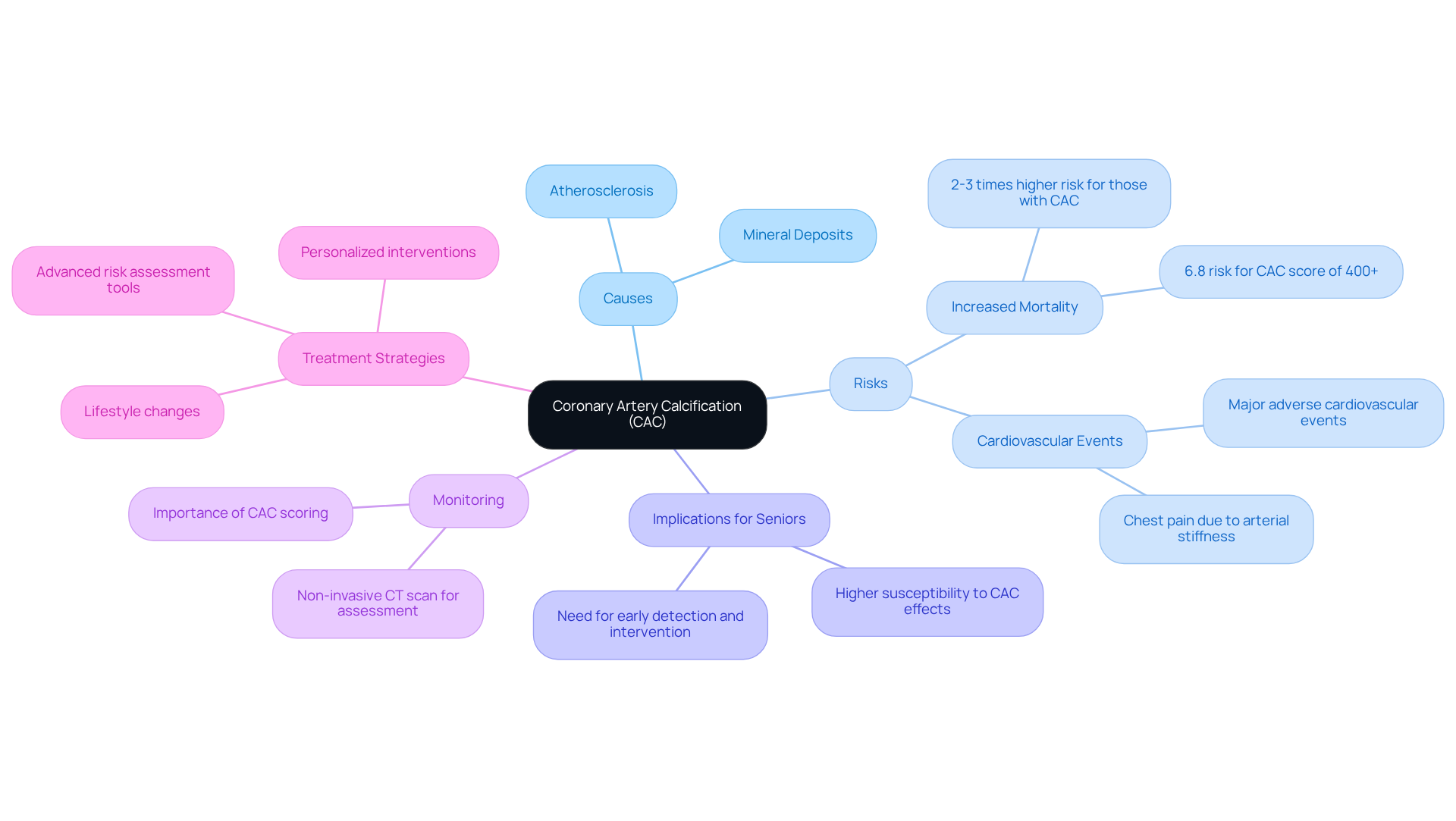
(CAC) is a condition that can be concerning, especially for seniors. It occurs when mineral deposits build up in the coronary arteries, often due to atherosclerosis, where fatty deposits, including minerals, accumulate on the arterial walls. This mineral presence is a significant indicator of increased risk for cardiovascular issues, such as heart attacks and strokes. As these deposits grow, they can lead to , which may restrict blood flow to the heart and result in symptoms like chest pain.
For older adults, the implications of CAC are particularly alarming. Research shows that individuals with any level of are 2 to 3 times more likely to face mortality compared to those without deposits. A recent study found that patients with a CAC score of 400 or higher have a 6.8% risk of experiencing . This highlights the urgent need for .
Consider the case of a 52-year-old man with a family history of premature coronary artery disease. He was found to have a CAC score of 4,410 Agatston units, placing him at high risk for cardiovascular complications. This example underscores the importance of , especially in seniors, who may be more susceptible to the harmful effects of mineral buildup due to age-related changes in their vascular health, highlighting the need for .
At Amavita Heart and Vascular Health®, we truly care about your . We emphasize the importance of to effectively assess and manage the . Our preventive cardiology approach combines advanced risk assessment tools, lifestyle changes, and personalized interventions as part of the . This ensures that seniors receive tailored treatment plans that cater to their unique conditions and lifestyle needs. Understanding the is vital for seniors, as proactive management can significantly enhance outcomes and improve quality of life.
If you have concerns about your , please don’t hesitate to reach out. We’re here to support you every step of the way.
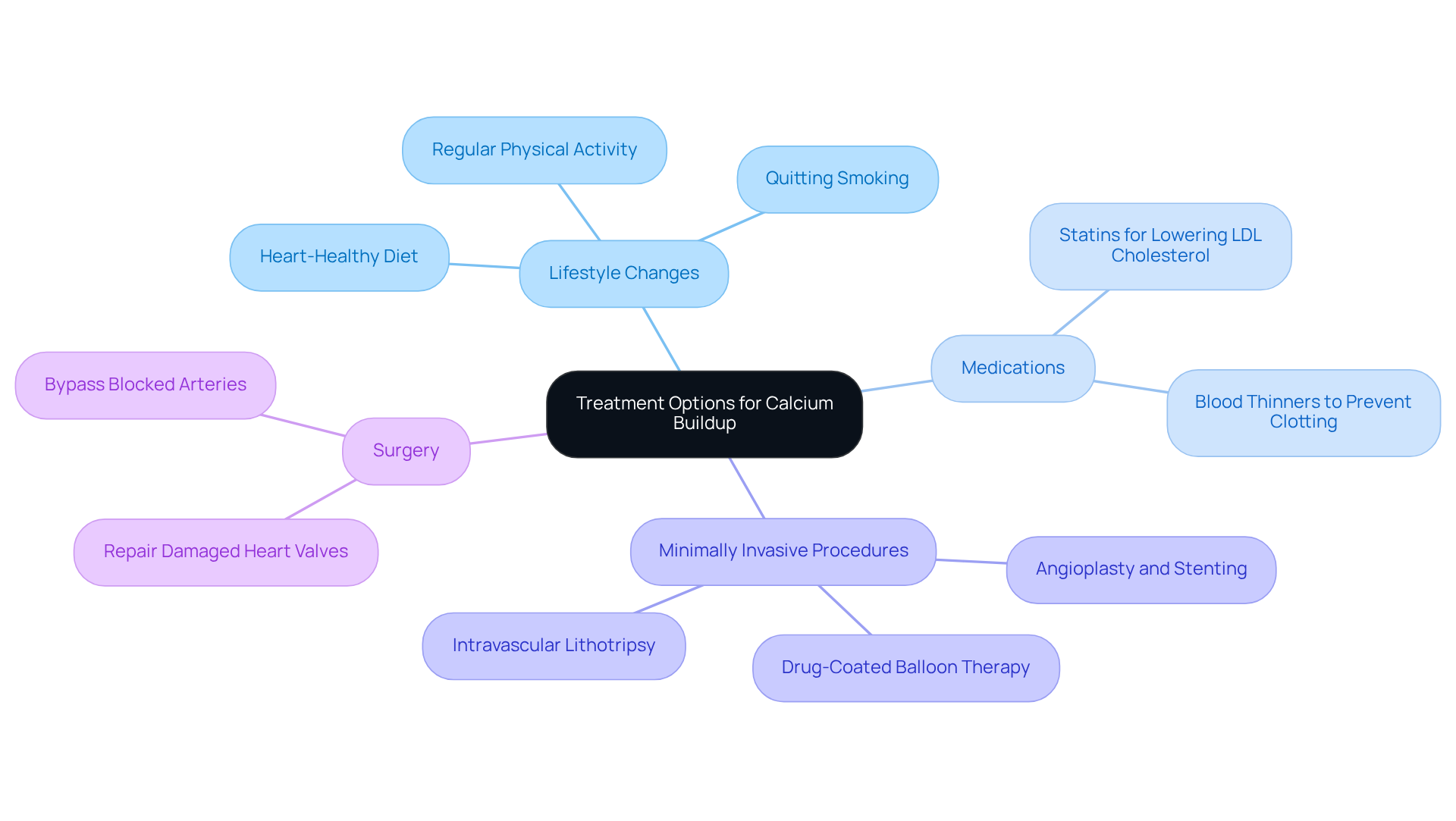
When it comes to managing mineral accumulation in the heart, the treatment for is tailored to fit each person's unique situation, especially for those at higher risk. It's important to understand that there are several effective approaches available:
By combining with medical treatments and procedures, patients can take control of mineral accumulation and enhance their . At Amavita, we are here to provide , ensuring you feel supported every step of the way. Remember, you are not alone in this journey; we are dedicated to helping you achieve a healthier heart.
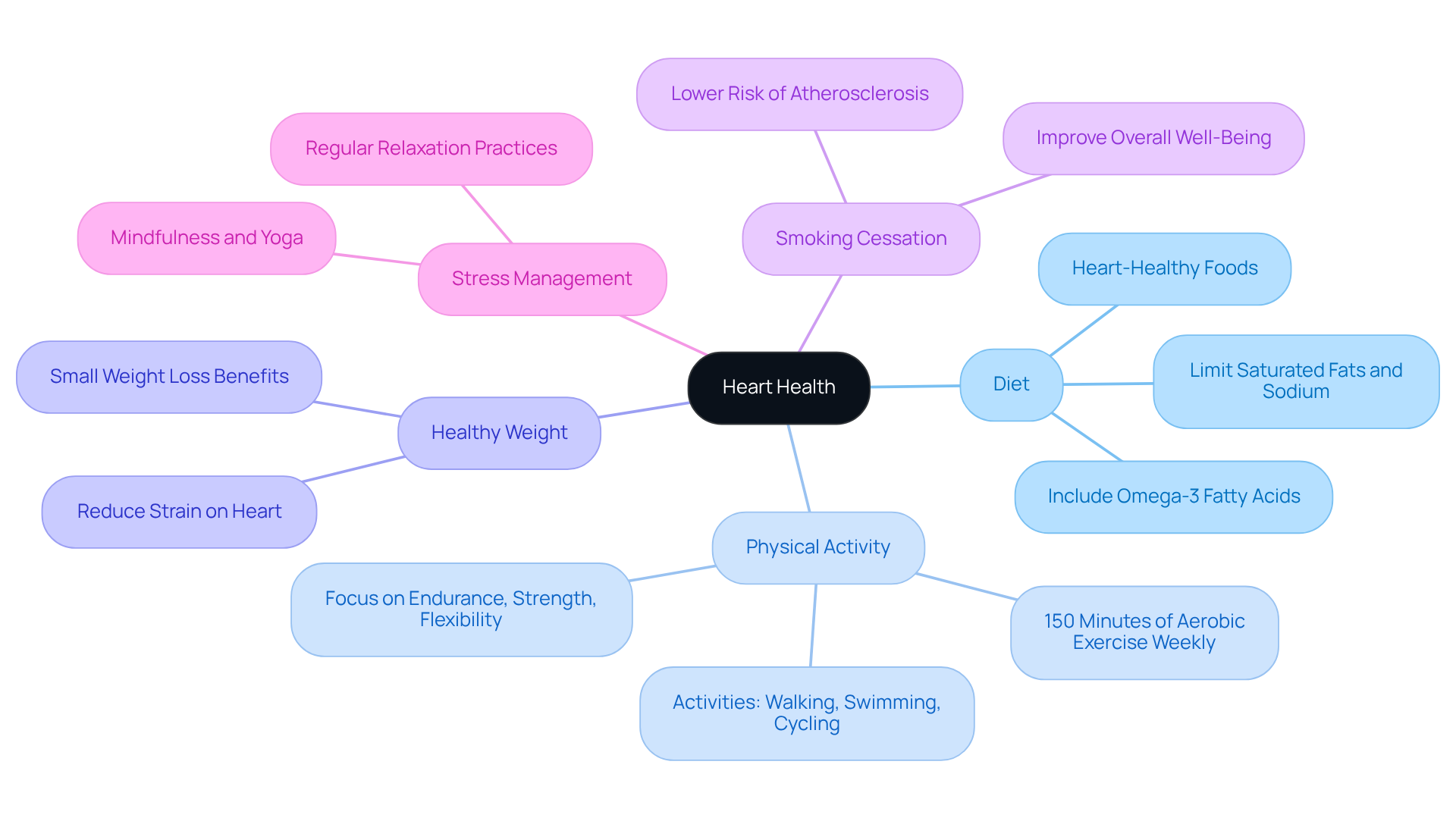
Making lifestyle adjustments is essential for improving your heart health and can serve as a . Here are some key strategies to consider:
At Amavita Cardiovascular and Vascular Health, we understand that high-risk patients, including those with diabetes, hypertension, or a family history of heart issues, can greatly benefit from these lifestyle changes. Our advanced imaging capabilities and comprehensive assessments ensure that your is closely monitored, allowing us to create personalized treatment plans that meet your unique needs. Remember, you’re not alone on this journey; we’re here to support you every step of the way.
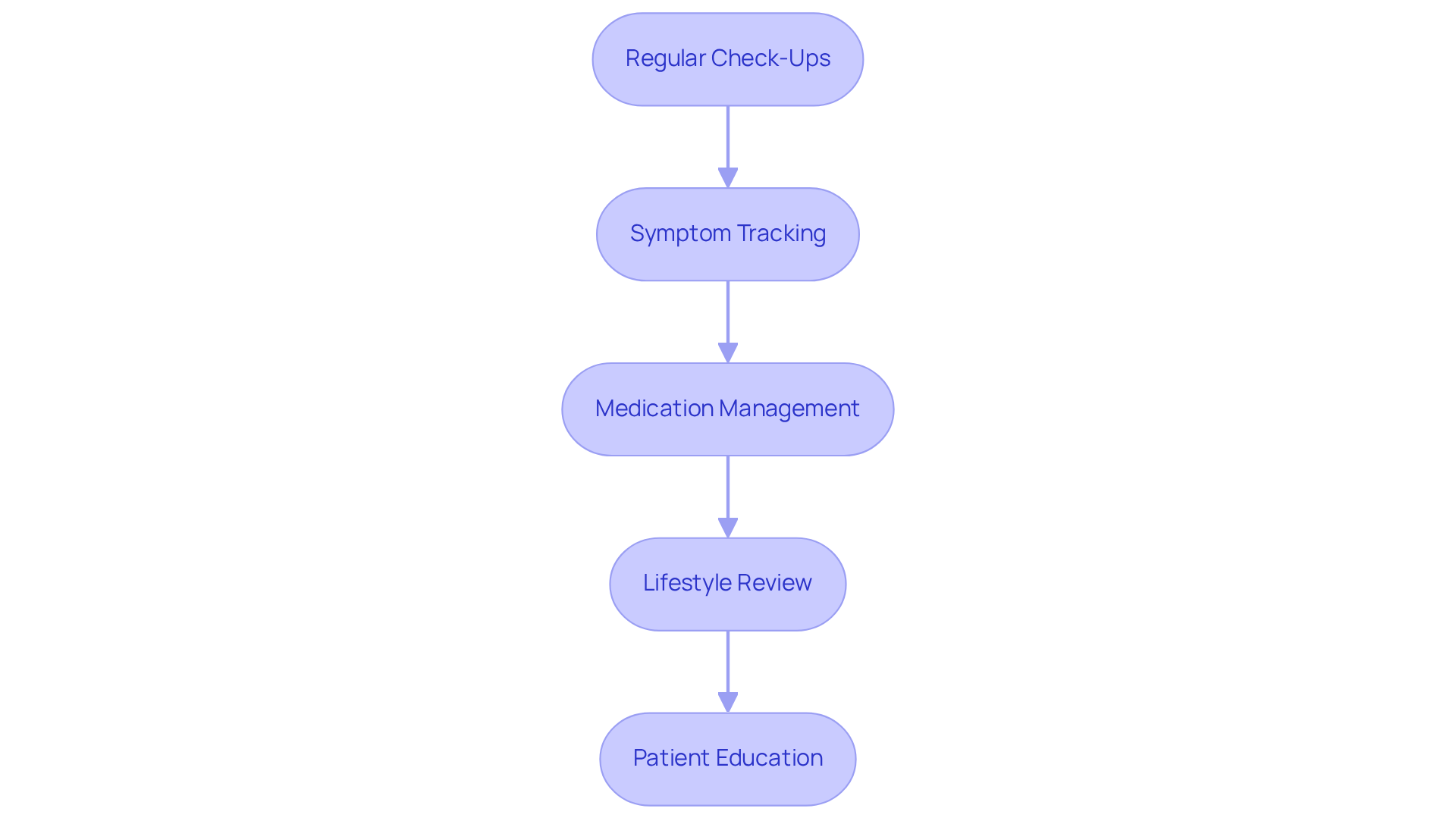
Creating a strong monitoring and follow-up care plan is essential for the . Let’s explore some key components that can help you feel more secure in your health journey:
By prioritizing these strategies, you can enhance your heart health management. Remember, you’re not alone in this journey; working collaboratively with your healthcare providers can help ensure the best . Your , and taking these steps can lead to a brighter, healthier future.
Coronary artery calcification (CAC) is a serious health concern, especially for older adults. It can significantly increase the risk of severe cardiovascular events, which understandably raises worries. Understanding what calcium buildup in the heart means is vital for managing health proactively and effectively. In this article, we’ve explored various strategies to help mitigate the risks associated with CAC, highlighting the importance of personalized approaches that include lifestyle changes, medical treatments, and ongoing monitoring.
Key insights reveal that making lifestyle changes can be incredibly beneficial. Adopting a heart-healthy diet, engaging in regular physical activity, and managing stress are all steps that can greatly enhance cardiovascular health. Furthermore, medical treatments, such as statins and minimally invasive procedures, are essential in addressing calcium buildup. Regular check-ups and tracking symptoms empower patients to stay informed about their heart health, allowing for timely interventions when necessary.
Ultimately, prioritizing heart health through comprehensive treatment plans and lifestyle adjustments is crucial for improving quality of life and reducing the risk of serious complications. Engaging with healthcare providers and staying informed about cardiovascular wellness can truly empower individuals to take control of their health journey. By taking these steps, not only can we address calcium buildup in the heart, but we can also foster a healthier future overall. Remember, you’re not alone in this journey; support is always available.
What is calcium buildup in the heart?
Calcium buildup in the heart, known as coronary artery calcification (CAC), occurs when mineral deposits accumulate in the coronary arteries, often due to atherosclerosis.
What causes coronary artery calcification?
Coronary artery calcification is primarily caused by atherosclerosis, where fatty deposits, including minerals, accumulate on the arterial walls.
Why is coronary artery calcification concerning?
CAC is concerning because it is a significant indicator of increased risk for cardiovascular issues, such as heart attacks and strokes, and can lead to arterial stiffness, restricting blood flow to the heart.
How does coronary artery calcification affect older adults?
For older adults, CAC is particularly alarming as individuals with any level of coronary artery deposits are 2 to 3 times more likely to face mortality compared to those without deposits.
What is the risk associated with high coronary artery calcification scores?
A CAC score of 400 or higher indicates a 6.8% risk of experiencing major adverse cardiovascular events.
Can you provide an example of a case involving coronary artery calcification?
A 52-year-old man with a family history of premature coronary artery disease had a CAC score of 4,410 Agatston units, placing him at high risk for cardiovascular complications.
How does age affect susceptibility to calcium buildup in the heart?
Seniors may be more susceptible to the harmful effects of mineral buildup due to age-related changes in their vascular health.
What approach does Amavita Heart and Vascular Health® take to manage calcium buildup in the heart?
Amavita Heart and Vascular Health® emphasizes thorough cardiac evaluations and a preventive cardiology approach that includes advanced risk assessment tools, lifestyle changes, and personalized interventions.
Why is it important to monitor coronary artery calcification levels?
Monitoring CAC levels is crucial for early detection and intervention, which can significantly enhance outcomes and improve the quality of life for seniors.
What should individuals do if they have concerns about their heart health?
Individuals with concerns about their heart health are encouraged to reach out for support and evaluation to effectively assess and manage their condition.