


Coronary artery disease (CAD) is a serious concern for many, affecting nearly half of American adults who face risk factors such as hypertension and diabetes. It's crucial to understand how both modifiable and non-modifiable risk factors interact, as this knowledge can lead to more effective prevention and treatment strategies.
With the rising prevalence of CAD, you might wonder: how can you take proactive steps to protect your heart health and improve your quality of life? This article explores key strategies for preventing and managing coronary artery disease, providing insights into:
Together, we can navigate these challenges and work towards a healthier future.
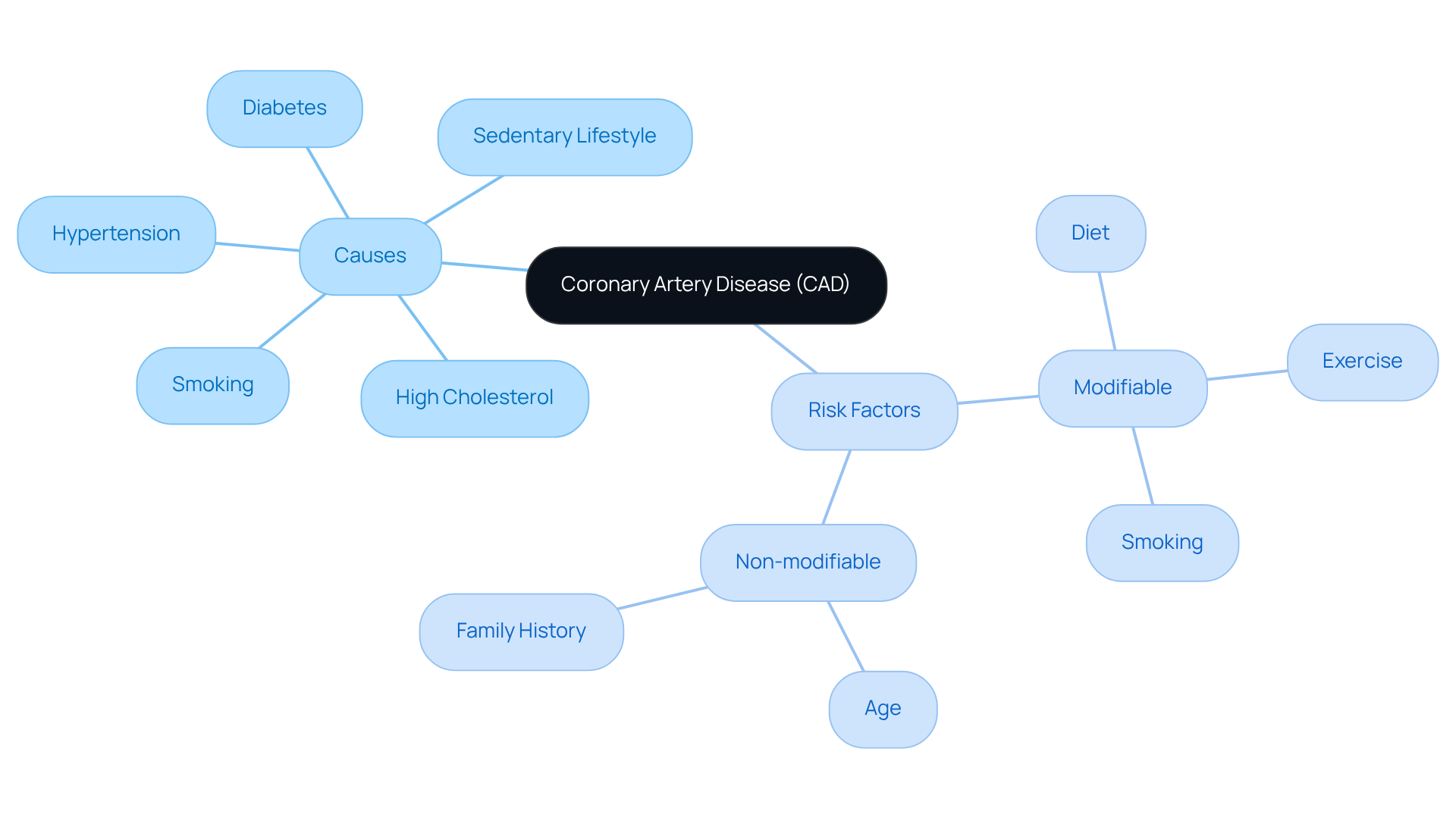
(CAD) is a serious condition characterized by the buildup of atherosclerotic plaque within the coronary arteries, which can lead to reduced blood flow to the heart muscle. It's important to understand that key causes include high cholesterol, hypertension, smoking, diabetes, and a sedentary lifestyle. We can think of risk factors as falling into two categories: modifiable, such as diet, exercise, and smoking, and non-modifiable, like age and family history. By understanding these factors, we can develop , especially for older adults who may experience atypical symptoms or have multiple comorbidities.
For older individuals, the prevalence of these risk factors is particularly concerning. Did you know that nearly 47% of American adults have , and more than half are diagnosed with type 2 diabetes or prediabetes? These conditions significantly increase the chances of developing CAD. Cardiologists stress that understanding these risk factors is vital for effective strategies. For example, Dr. Dhruv Kazi points out that by 2050, hypertension and obesity will impact over 180 million U.S. adults, highlighting the urgent need for proactive wellness measures.
Recent studies have shown that making can lead to significant improvements in . For instance, adopting a and engaging in regular physical activity can lower the risk of CAD and enhance overall cardiovascular well-being. Furthermore, addressing these risk factors early can slow the progression of CAD, particularly in older individuals who may face unusual symptoms or have several comorbid conditions.
By focusing on both modifiable and non-, individuals can take meaningful steps towards prevention and treatment. This proactive approach can ultimately and longevity. It's reassuring to know that 80% of cardiovascular disease is preventable, underscoring the critical importance of . Additionally, with one person succumbing to cardiovascular disease every 34 seconds, we cannot overstate the importance of addressing these contributing factors.
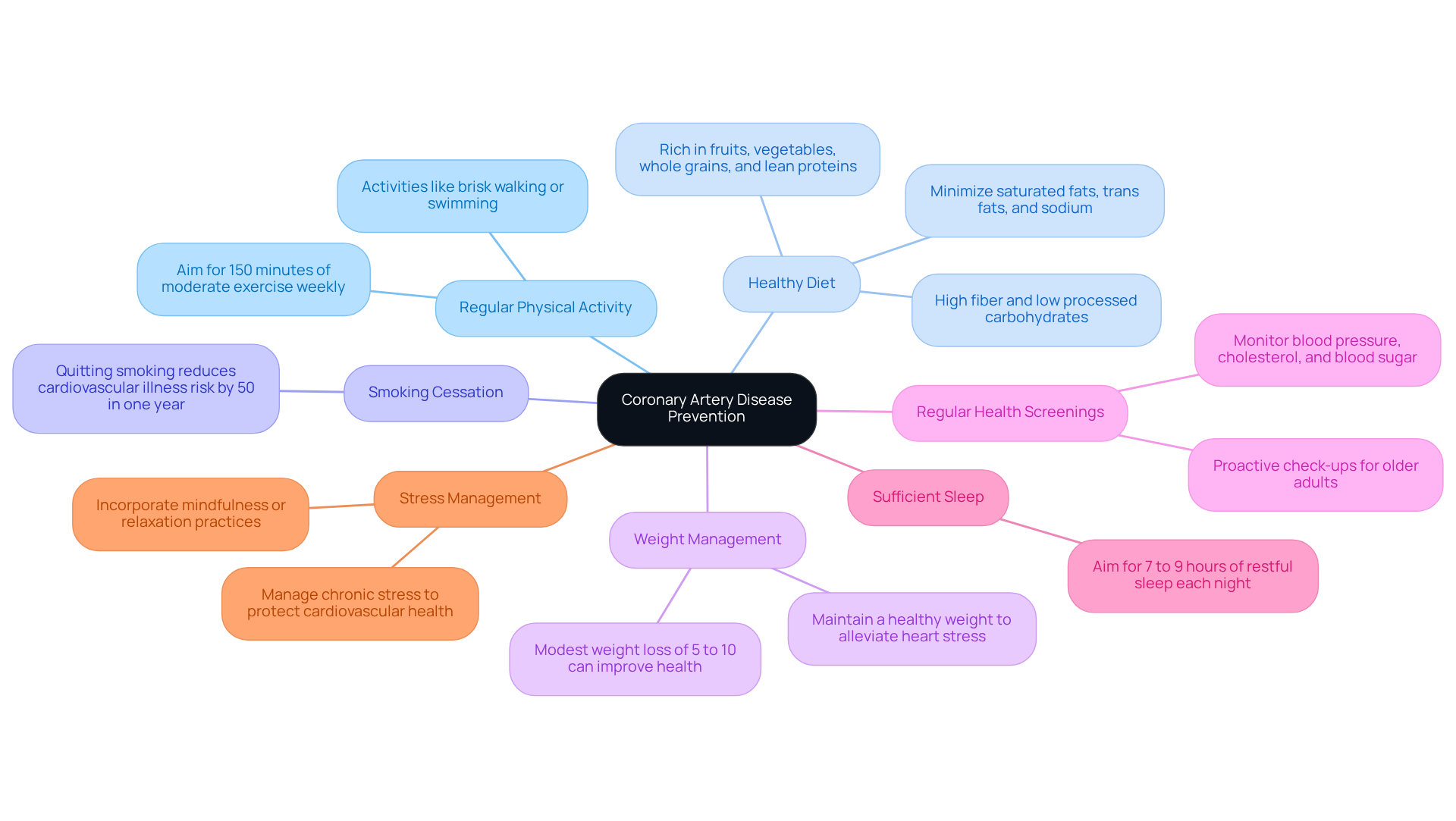
Effectively preventing requires a heartfelt commitment to a heart-healthy lifestyle, which is a key aspect of . By embracing key strategies, you can take meaningful steps toward better health:
These strategies not only assist in but also enhance your overall well-being, particularly for older adults facing additional medical challenges. By engaging in these , you can improve your and enjoy a better quality of life. Remember, you are not alone on this journey; support is always available to help you succeed.
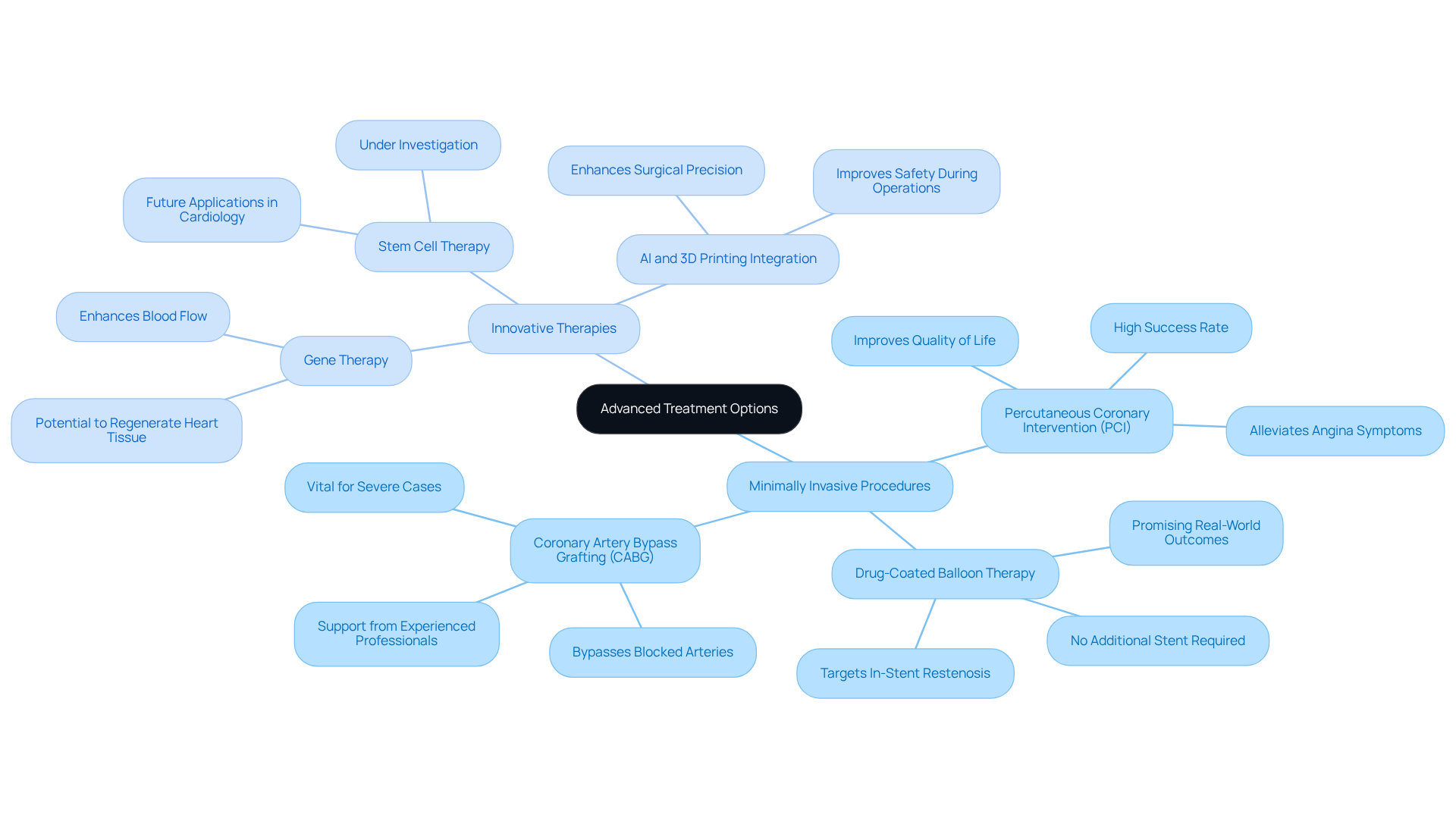
The remarkable evolution of for prevention and treatment has been particularly notable with the introduction of that cater to the unique needs of older adults. Understanding your health concerns is our priority, and we want to share some key techniques that may be beneficial:
These advanced options not only enable faster recovery times but also enhance patient comfort, making them particularly appropriate for older adults who may have additional medical considerations. We are dedicated to improving outcomes for patients with cardiovascular conditions through prevention and treatment, ensuring that you feel supported every step of the way. If you have any questions or concerns, please reach out. Your are our top priorities.
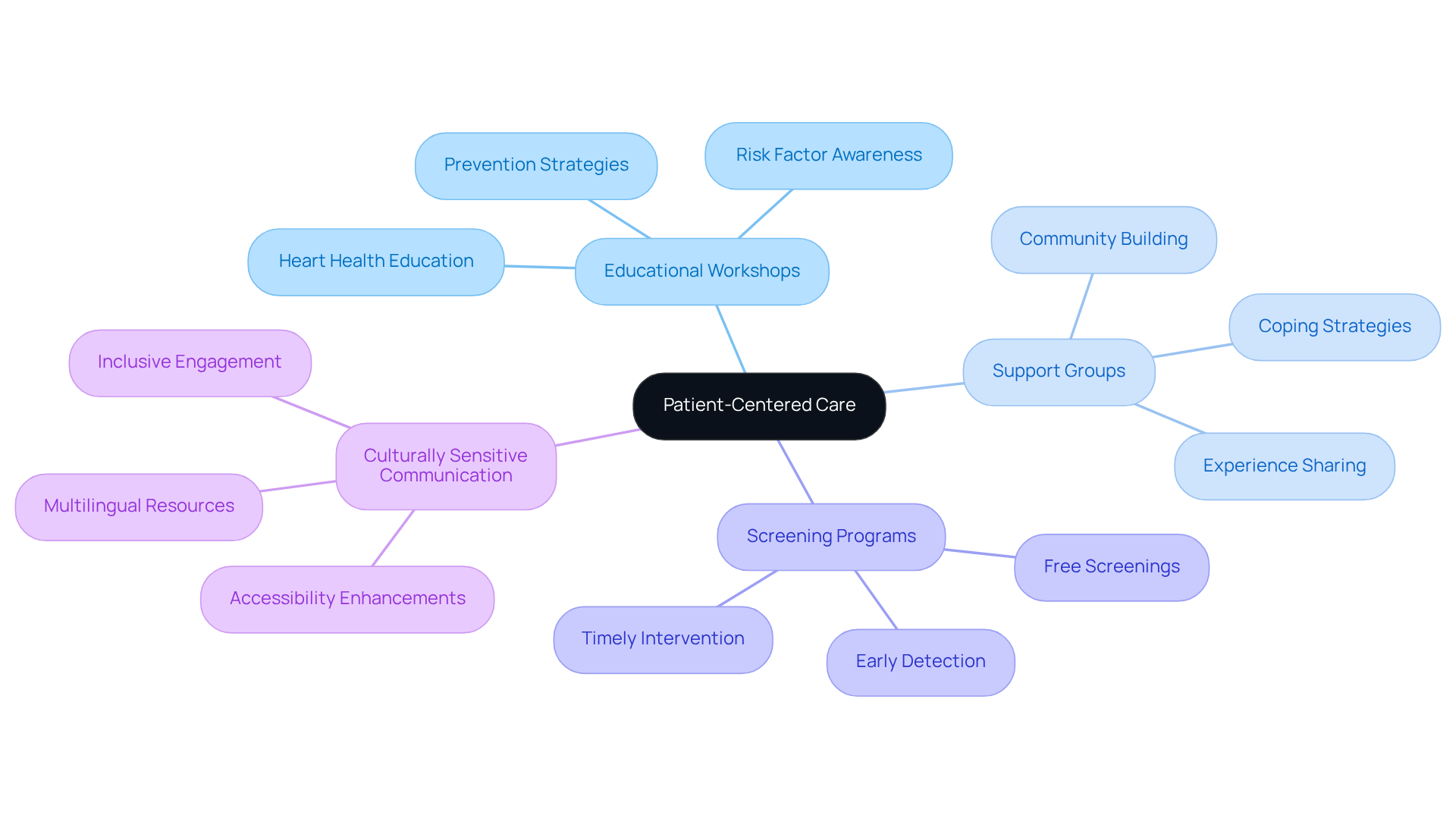
is essential in the , especially through . By focusing on the needs of patients, we can create a nurturing environment that fosters health and well-being. Effective strategies include:
These initiatives equip individuals with vital information and foster a supportive atmosphere that promotes proactive wellness management. Ultimately, this leads to better outcomes for patients undergoing . With cardiovascular diseases contributing to 1 in 4 deaths in the U.S. and heart disease being the number one killer, are crucial in addressing this public health challenge. Together, we can make a difference and support one another in this journey towards better heart health.
Understanding and addressing coronary artery disease (CAD) is essential for improving heart health and overall well-being. This article emphasizes the importance of recognizing the causes and risk factors associated with CAD, especially among older adults who may face unique challenges. By taking a proactive approach to prevention and treatment, individuals can significantly reduce their risk and enhance their quality of life.
Key strategies include:
In addition to this, advanced treatment options such as minimally invasive procedures and innovative therapies provide new avenues for managing CAD effectively. Community outreach and patient-centered care initiatives further enhance support for individuals navigating their health journey, ensuring they have access to vital resources and encouragement.
Ultimately, the fight against coronary artery disease requires a collective effort. By prioritizing prevention, embracing healthy lifestyle changes, and utilizing advanced treatment options, individuals can take control of their heart health. Engaging with community resources and support networks fosters a culture of wellness, empowering everyone to contribute to a healthier future. The time to act is now—commit to heart health and inspire others to join in this vital mission.
What is coronary artery disease (CAD)?
Coronary artery disease (CAD) is a serious condition characterized by the buildup of atherosclerotic plaque within the coronary arteries, leading to reduced blood flow to the heart muscle.
What are the key causes of coronary artery disease?
Key causes of coronary artery disease include high cholesterol, hypertension, smoking, diabetes, and a sedentary lifestyle.
What are the categories of risk factors for CAD?
Risk factors for CAD fall into two categories: modifiable (such as diet, exercise, and smoking) and non-modifiable (such as age and family history).
Why is understanding risk factors important for older adults?
Understanding risk factors is vital for older adults because they may experience atypical symptoms or have multiple comorbidities, increasing their chances of developing CAD.
What statistics highlight the prevalence of risk factors in American adults?
Nearly 47% of American adults have high blood pressure, and more than half are diagnosed with type 2 diabetes or prediabetes, significantly increasing the risk of CAD.
What proactive measures are suggested for CAD prevention?
Proactive measures include adopting a heart-healthy diet and engaging in regular physical activity, which can lower the risk of CAD and improve cardiovascular health.
How can addressing risk factors early impact CAD progression?
Addressing risk factors early can slow the progression of CAD, particularly in older individuals who may face unusual symptoms or have several comorbid conditions.
What percentage of cardiovascular disease is preventable?
It is estimated that 80% of cardiovascular disease is preventable, highlighting the importance of lifestyle changes.
How frequently does someone succumb to cardiovascular disease?
One person succumbs to cardiovascular disease every 34 seconds, underscoring the urgency of addressing contributing factors.