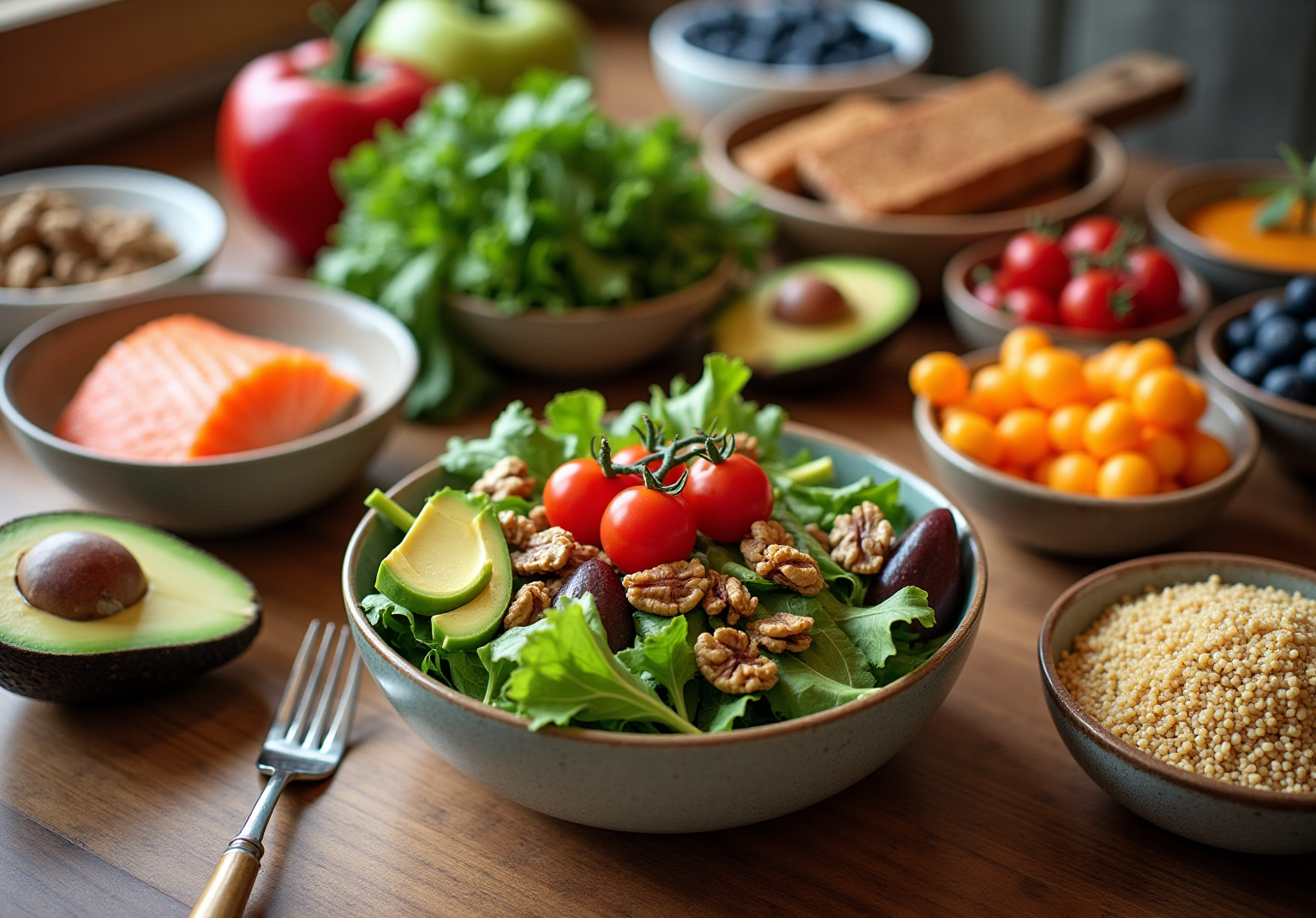


Creating a heart-healthy diet plan is more than just a nutritional choice; it’s a vital commitment to long-term wellness. Have you ever wondered how your food choices can impact your heart health? By understanding the principles of heart health and incorporating nutrient-dense foods, you can significantly reduce your risk of heart disease while enhancing your overall well-being.
However, with so much information available, navigating the complexities of meal planning, preparation, and progress tracking can feel overwhelming. How can you ensure lasting success in this journey? This guide offers a straightforward approach, breaking down the essential steps to cultivate a diet that not only supports cardiovascular health but also fosters a happier, healthier lifestyle. Remember, you’re not alone in this; we’re here to support you every step of the way.
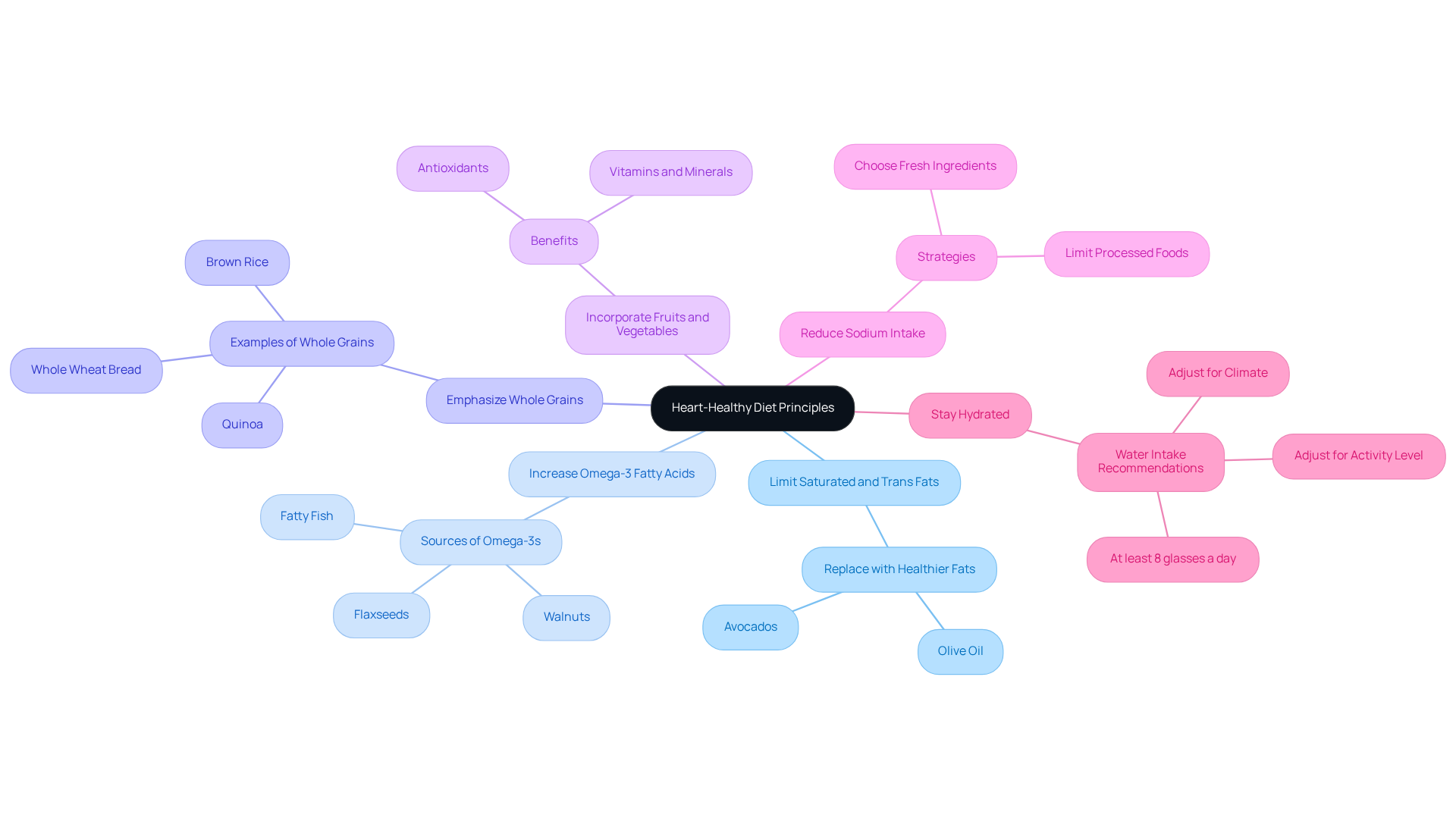
Taking care of your heart is essential for a long and healthy life. A heart diet plan that supports your can help lower the risk of heart disease and improve your overall . Here are some gentle guidelines to consider:
By understanding and applying these principles, you can create a solid foundation for your nutrition strategy. Remember, you’re not alone on this journey. Embracing these changes can lead to a healthier, happier you.
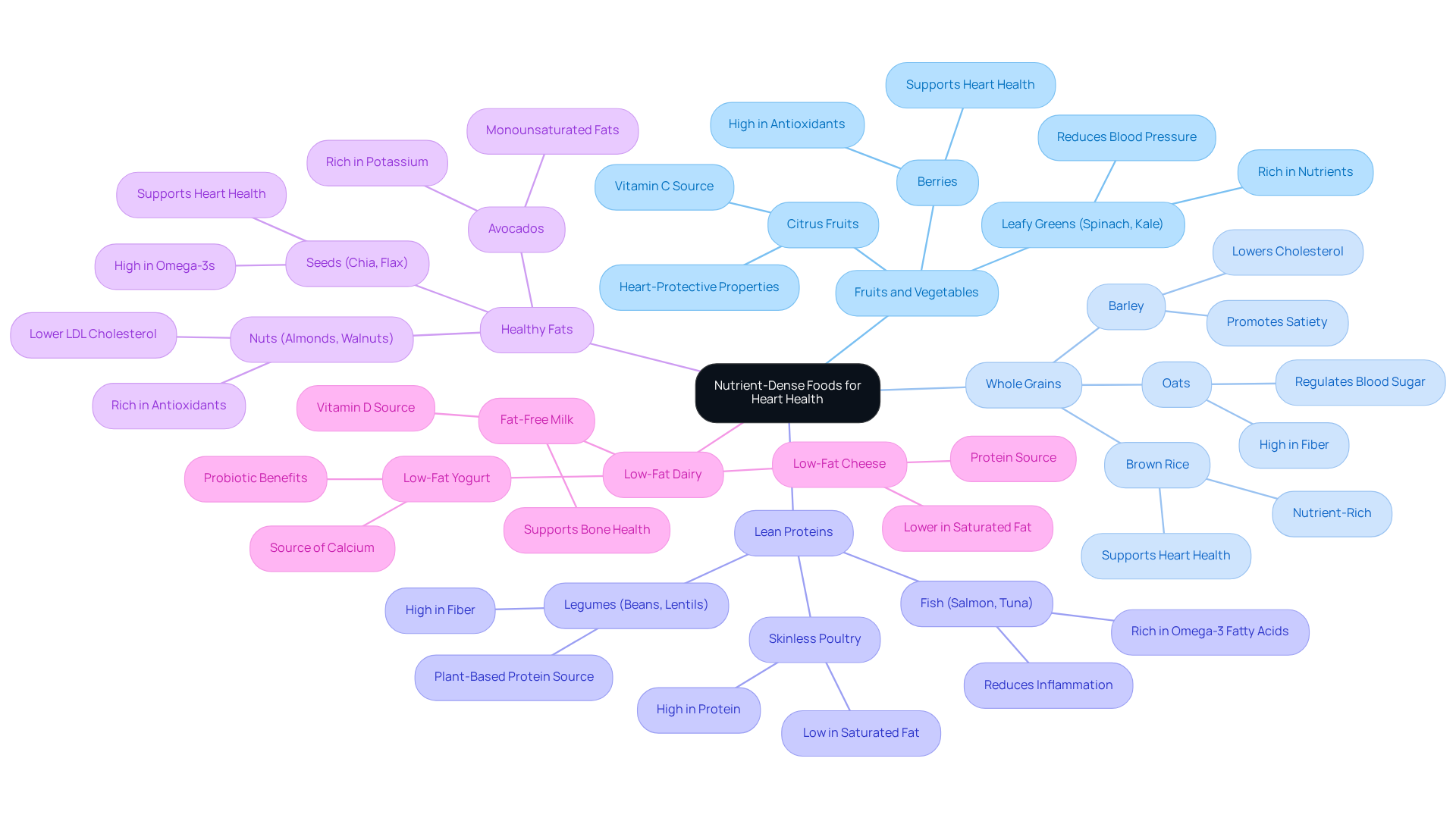
When developing your dietary plan, it’s essential to prioritize that offer significant wellness advantages. Let’s explore some key categories that can truly make a difference in your health:
By focusing on these , you can develop a heart diet plan that not only supports cardiovascular wellness but also enhances your overall well-being. Additionally, consider incorporating the , both recognized for their effectiveness in promoting . Remember, you’re not alone on this journey; taking these steps can lead to a healthier, happier you.
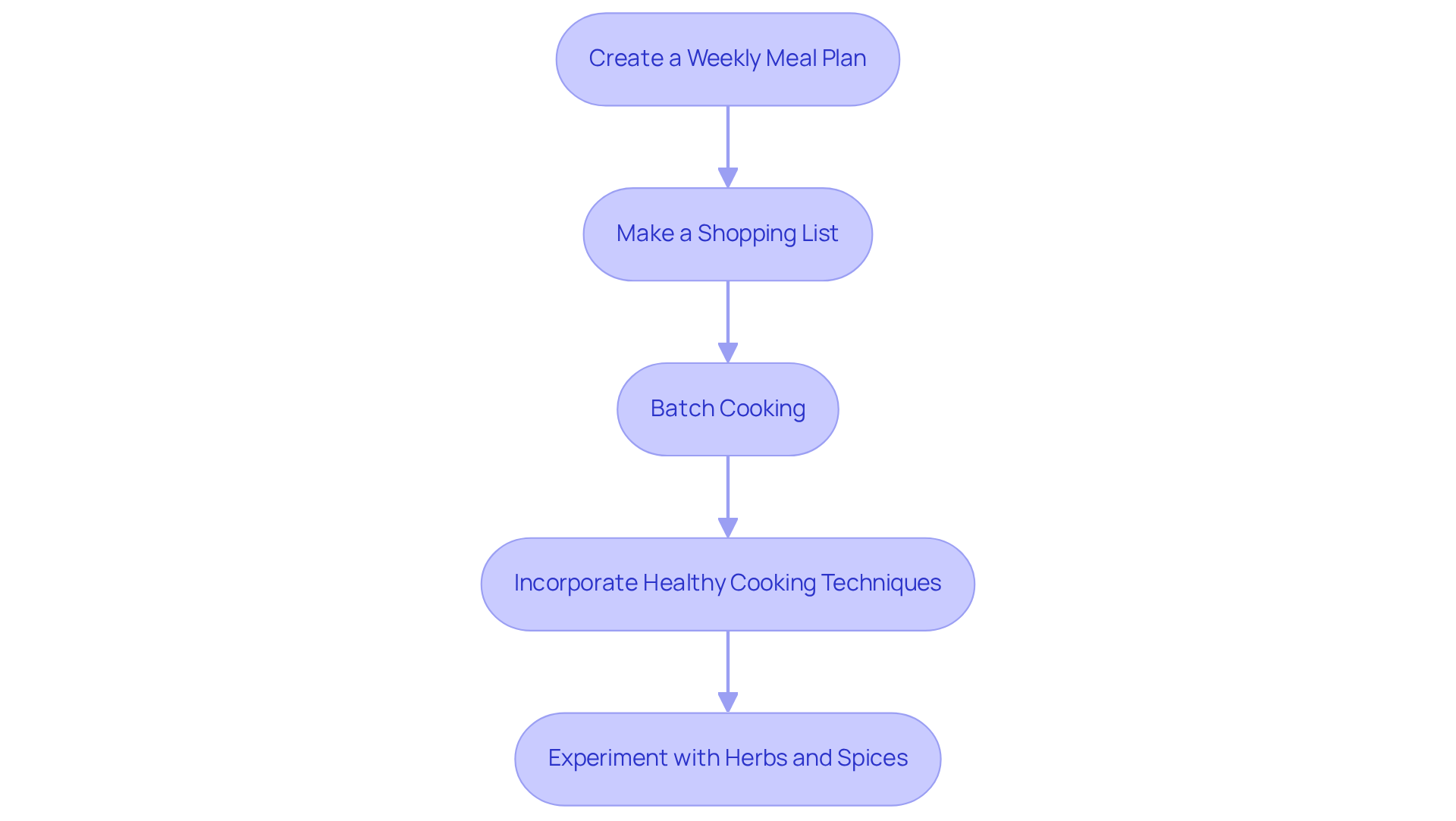
To truly embrace a , organizing and preparing your meals ahead of time can make a world of difference. Every meal and snack presents a chance to choose that nourish your body. Here are some gentle steps to guide you:
As Hippocrates wisely said, "." By planning and preparing your meals, you can seamlessly integrate a into your lifestyle, especially in a fast-paced world that often overlooks proper nutrition. Additionally, practicing mindful eating can help you become more aware of your habits, further . Remember, you’re not alone in this; taking these steps is a wonderful way to care for yourself.
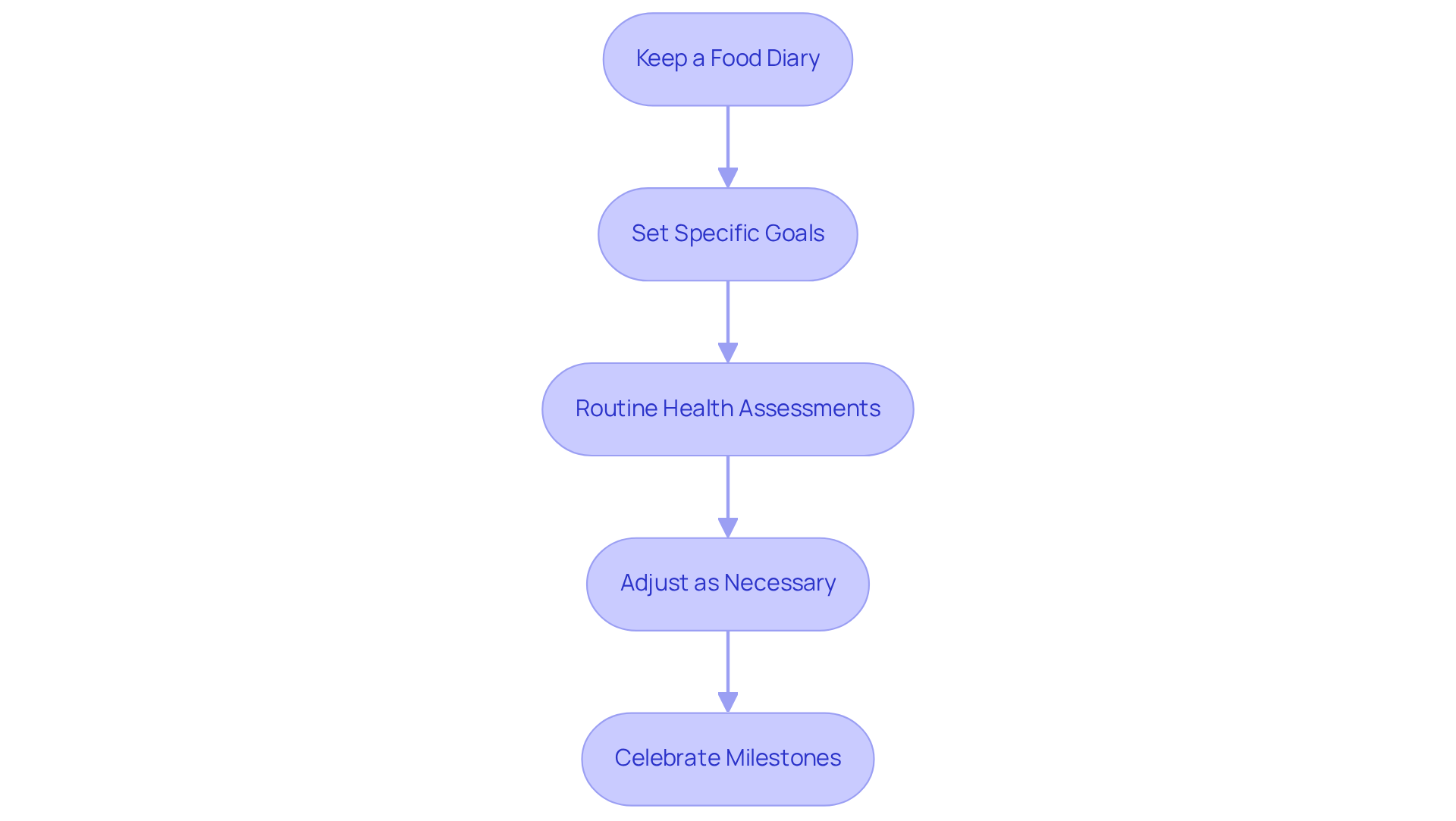
Tracking your progress is vital for ensuring your truly works for you. It’s not just about numbers; it’s about your journey towards better health. Here are some gentle strategies to help you along the way:
By tracking your progress and making adjustments as needed, you can ensure that your diet plan for heart health remains effective and aligned with your health goals. At Amavita, we’re committed to supporting you with comprehensive , so you never have to feel alone on this journey.
Creating a heart diet plan is a meaningful step towards enhancing your overall health and well-being. Have you ever thought about how a heart-healthy diet can lower your risk of heart disease? By embracing these principles, you can enjoy a variety of delicious and nutritious foods that nourish your body. This journey isn’t just about knowing what to eat; it’s also about how to prepare and plan meals that support your cardiovascular health.
Key insights from this guide emphasize the importance of incorporating nutrient-dense foods like:
into your daily meals. Planning and preparing meals ahead of time can make a significant difference. Tracking your progress and making necessary adjustments are essential strategies for maintaining a successful heart diet plan. Remember, each small change contributes to a larger impact on your heart health. Mindful eating and proactive choices can lead to significant benefits.
Ultimately, prioritizing heart health is a crucial investment in a longer, healthier life. By taking actionable steps towards creating a heart-healthy diet, you not only improve your cardiovascular wellness but also foster a deeper connection with your overall nutrition. Embrace this journey of better health, and let each meal be a step towards a brighter, heart-healthy future. You’re not alone in this; support is always available, and every effort you make is a step in the right direction.
Why is a heart-healthy diet important?
A heart-healthy diet is essential for lowering the risk of heart disease and improving overall vascular health, contributing to a long and healthy life.
What types of fats should I limit in my diet?
You should limit saturated and trans fats as they can raise cholesterol levels and increase the risk of heart disease. Instead, opt for healthier fats found in olive oil and avocados.
How can I increase my intake of omega-3 fatty acids?
You can increase your intake of omega-3 fatty acids by including foods like fatty fish, walnuts, and flaxseeds in your meals.
Why are whole grains important for heart health?
Whole grains such as brown rice, quinoa, and whole wheat bread are high in fiber, which helps lower cholesterol and maintain a healthy weight.
How many servings of fruits and vegetables should I aim for?
Aim for a colorful plate by incorporating a variety of fruits and vegetables, which are rich in vitamins, minerals, and antioxidants that promote heart health.
What is the impact of sodium on heart health?
High sodium levels can lead to hypertension, so it's important to reduce sodium intake by choosing fresh ingredients and limiting processed foods that often contain hidden salts.
How much water should I drink for heart health?
Aim to drink at least 8 glasses of water a day, adjusting based on your activity level and climate, as staying hydrated is vital for overall well-being, including heart function.