


Creating a heart failure diet menu can be a vital step for those facing the challenges of cardiac dysfunction. It’s important to understand the dietary needs that specifically support heart health. By doing so, individuals can alleviate symptoms and significantly enhance their quality of life. Yet, the path to a healthier diet can often feel overwhelming, filled with uncertainty about what to eat and what to avoid.
How can you navigate the maze of nutritional choices to create a menu that not only supports your heart health but also fits seamlessly into your daily life? Remember, you’re not alone in this journey. Many people share similar concerns, and there are solutions available to help you make informed choices.
Cardiac dysfunction can feel overwhelming, as it often leaves individuals struggling with tiredness, breathlessness, and fluid retention. But there’s hope! Implementing a can significantly alleviate these symptoms and enhance your quality of life. A focuses on three primary components that can make a real difference:
Understanding these is the first step toward developing an effective for cardiac insufficiency. Programs like the Koa Family Program have shown that adopting a heart failure diet menu and focusing on can lead to better outcomes for those with heart issues. Participants have reported positive changes, such as and increased physical activity, highlighting the vital role nutrition plays in managing .
So, if you’re feeling uncertain or anxious about your heart health, know that you’re not alone. Embracing these dietary changes can empower you to take control of your health journey. Reach out for support, and remember, every small step counts!
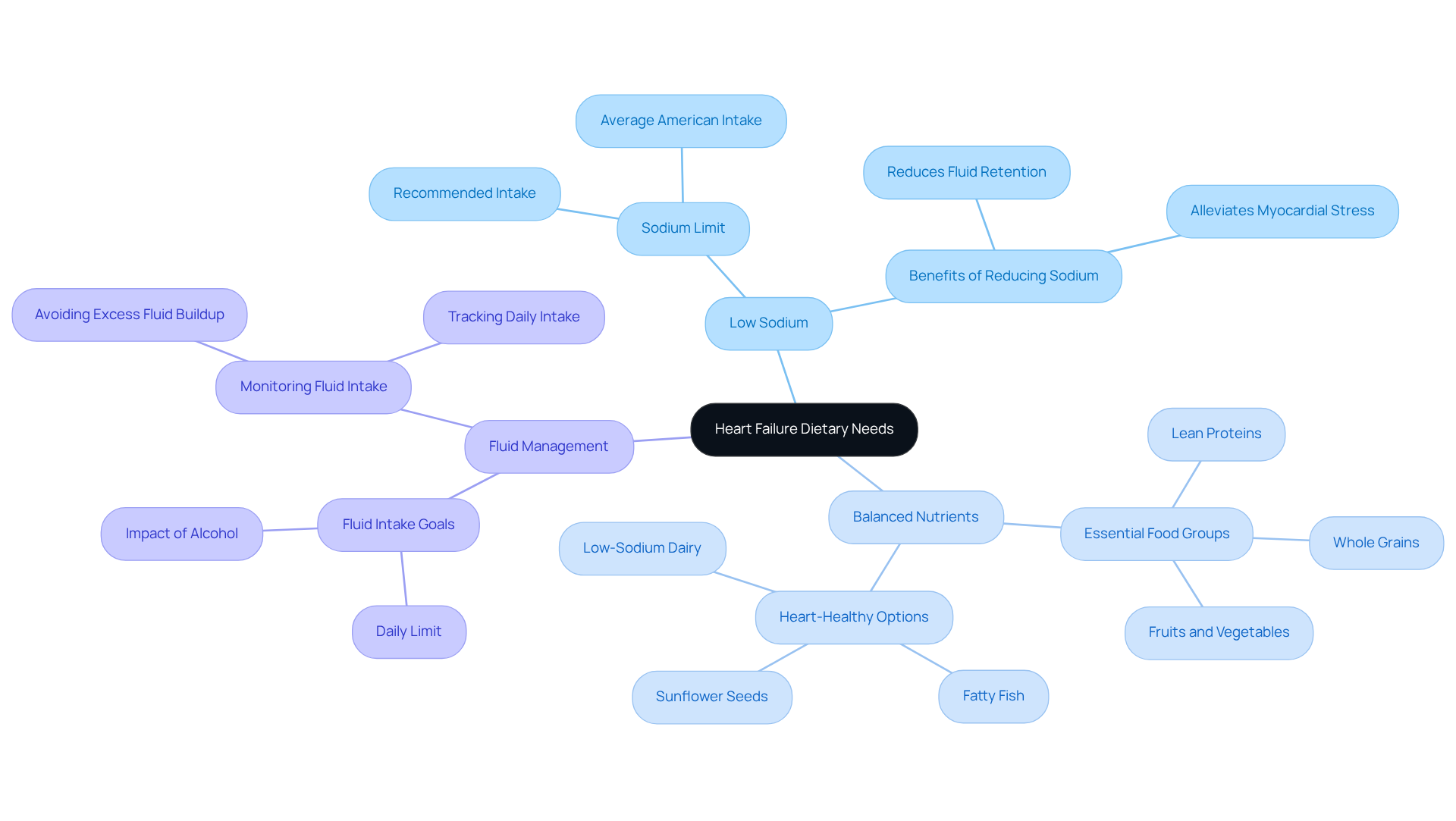
When creating a , prioritizing that support your overall well-being and is essential.
By focusing on these food categories, you can create a that promotes and enhances your overall . A recent study, including findings from the FOOD-HF trial, underscores the vital role of fruits and vegetables in heart health, making them indispensable in your diet.
Additionally, managing stress during the holidays is crucial for maintaining cardiovascular health. So, please prioritize self-care and relaxation. Remember, you’re not alone in this journey; support is always available.
](https://health.clevelandclinic.org/heart-healthy-foods), with branches leading to different categories. Each category highlights specific foods and their health benefits, helping you understand how to build a heart-friendly diet.](https://cdn.prod.website-files.com/689380a83ca8e4ede743b04f/694a27115f4575f9e0431440_xzhigrko-the-center-shows-the-main-focus-on-heart-healthy-foods-with-branches-leading-to-different-categories-each-category-highlights-specific-foods-and-their-health-benefits-helping-you-understand-how-to-build-a-heart-friendly-diet.webp "The center shows the main focus on heart-healthy foods, with branches leading to different categories. Each category highlights specific foods and their health benefits, helping you understand how to build a heart-friendly diet.")
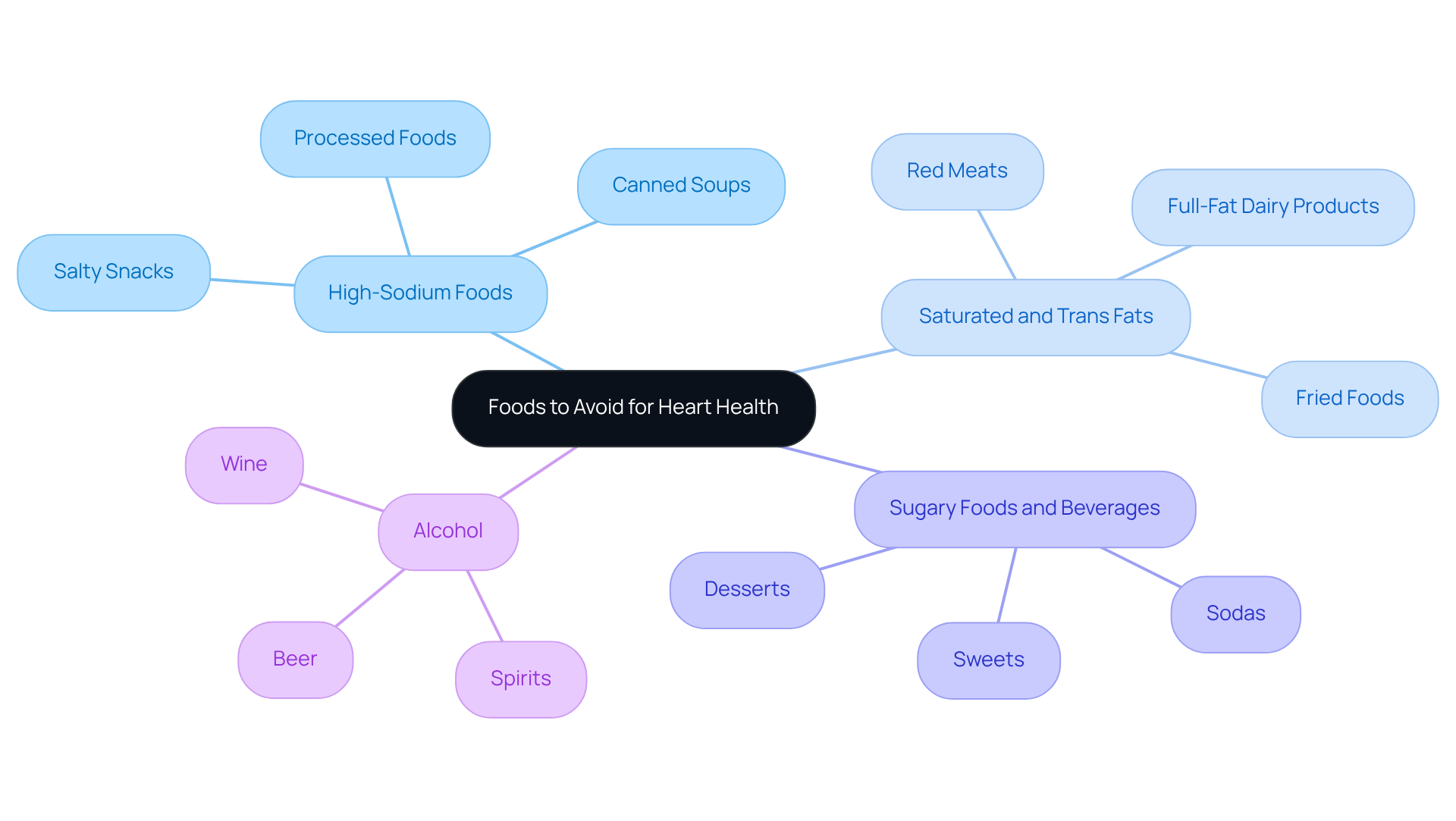
Managing heart failure can feel overwhelming, but understanding what to avoid can make a significant difference in your health. Here are some foods to steer clear of, as they can worsen symptoms or lead to complications:
By steering clear of these foods, you can significantly enhance your and effectively manage your condition with a . For instance, a case study on showed that individuals who reduced their sodium intake experienced better outcomes.
You’re . If you have concerns or need support, don’t hesitate to reach out for help. Your health and well-being are worth it.
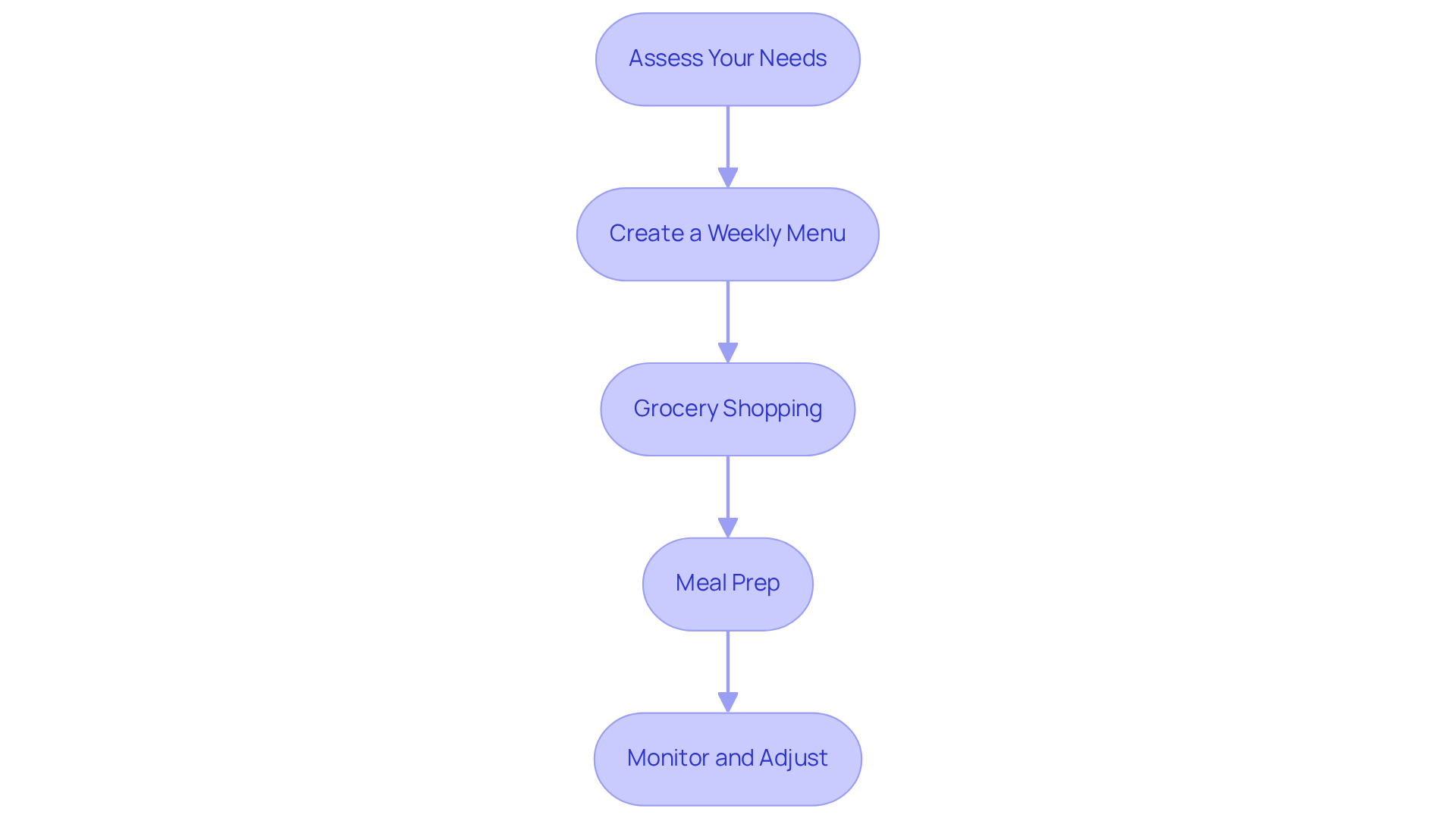
Creating a meal plan for a can feel overwhelming, but with a little organization and care, it can become a manageable part of your routine. Here’s how to develop a sustainable meal plan that supports your :
By following these steps, you can develop a that not only supports your health but also improves your quality of life. Remember, you’re not alone in this journey-reach out for support whenever you need it.
Implementing a heart failure diet menu is a crucial step in managing your heart health and enhancing your overall well-being. By focusing on low sodium intake, balanced nutrition, and effective fluid management, you can significantly ease the symptoms associated with heart failure. These dietary changes not only support your heart function but also empower you to take charge of your health journey.
Have you considered the importance of choosing heart-healthy foods? Incorporating fruits, vegetables, whole grains, and lean proteins into your meals can make a world of difference. At the same time, it’s wise to avoid high-sodium and sugary options. Creating a structured meal plan and being mindful of your dietary restrictions can help make this process manageable and sustainable. Many have found that these strategies lead to positive outcomes, reinforcing the vital connection between nutrition and heart health.
Ultimately, adopting a heart failure diet menu is more than just a dietary adjustment; it’s a commitment to a healthier lifestyle. By prioritizing heart-healthy foods and seeking support when needed, you can improve your quality of life and navigate your heart health journey with confidence. Remember, taking these steps not only benefits your personal health but also serves as a comforting reminder that positive change is always within reach.
What is heart failure and how does it affect individuals?
Heart failure is a condition characterized by cardiac dysfunction, leading to symptoms such as tiredness, breathlessness, and fluid retention.
How can a heart failure diet help improve symptoms?
A heart failure diet can significantly alleviate symptoms and enhance quality of life by focusing on low sodium intake, balanced nutrients, and fluid management.
What is the recommended sodium intake for individuals with heart failure?
It is crucial to keep sodium intake below 2,000 mg per day to help prevent fluid retention and improve heart function.
What are the dietary components of a heart-healthy diet?
A heart-healthy diet should include low-sodium foods, fruits, vegetables, whole grains, and lean proteins, which provide vital vitamins and minerals that support heart health.
What types of foods should be incorporated into a heart failure diet?
Incorporate fresh produce, low-sodium dairy, fatty fish, citrus fruits, and sunflower seeds to boost nutrient intake and maintain low sodium levels.
How important is fluid management for those with heart failure?
Monitoring fluid intake is key to avoiding excess fluid buildup, with a recommended aim of about 50 ounces daily, especially for those with advanced cardiac issues.
What impact does alcohol have on heart health?
Alcohol can negatively affect sleep and mood, complicating the management of heart health.
Are there any programs that support heart failure dietary management?
Yes, programs like the Koa Family Program focus on adopting a heart failure diet menu and balanced nutrition, leading to better outcomes for individuals with heart issues.
What positive changes have participants in heart failure diet programs reported?
Participants have reported improved eating habits and increased physical activity, highlighting the importance of nutrition in managing cardiac health.
How can individuals take control of their heart health?
By embracing dietary changes and reaching out for support, individuals can empower themselves to manage their heart health effectively.