


Energy drinks have become quite popular, often promising an instant boost to both physical and mental performance. But for our seniors, the appeal of these caffeinated beverages carries a hidden risk: the potential for elevated blood pressure. As research increasingly highlights the cardiovascular effects of these drinks, it raises an important question: do energy drinks pose a significant threat to heart health in older adults?
Understanding the ingredients and their implications is crucial for making informed choices that prioritize well-being. It’s essential to consider how these drinks might affect your health. Have you ever wondered about the impact of caffeine on your heart?
By being aware of what’s in these drinks, you can take steps to protect your health. Remember, it’s always okay to seek guidance and support when it comes to your well-being. You deserve to feel safe and informed about the choices you make.
Energy beverages are non-alcoholic drinks designed to give a quick boost, packed with stimulants like taurine and guarana, along with sugar. They’re often marketed as ways to enhance both physical and mental performance. However, the caffeine levels can vary widely, from 80 mg to over 500 mg per serving, depending on the brand. A single 16-ounce can might contain 54 to 62 grams of added sugar, which is more than the recommended daily limit.
While these drinks may seem appealing, especially to younger consumers seeking an , it’s important for seniors to be cautious. The potential cardiovascular effects raise concerns about whether energy drinks cause high blood pressure. Research indicates that too much caffeine can lead to increased blood pressure and heart rhythm issues, raising the question: do energy drinks cause high blood pressure, particularly for older adults with existing health conditions?
At Amavita Heart and Vascular Health®, we understand how crucial it is to be aware of what’s in these energy drinks and how they can affect your heart health. Our advanced imaging technology allows us to assess the impact of these beverages on your cardiovascular system effectively. We offer comprehensive cardiac evaluations and preventive strategies tailored to help seniors manage their heart health.
The FDA considers up to 400 mg of caffeine per day safe for most healthy adults, suggesting that this amount is generally not linked to harmful effects. However, for seniors, especially those with risk factors like high blood pressure or diabetes, our personalized cardiac care approach ensures we create strategies that address the question of whether energy drinks cause high blood pressure while promoting overall well-being.
If you have concerns about your heart health or the effects of energy beverages, please reach out to us. We’re here to support you every step of the way.

Recent research raises the question of whether energy drinks cause high blood pressure, as it shows that stimulant beverages can lead to significant increases in both systolic and diastolic blood pressure. Have you ever wondered how these drinks might affect your health? Studies reveal that the question of whether energy drinks cause high blood pressure is significant, as consuming these beverages can raise systolic blood pressure by 5 to 15 mmHg and diastolic pressure by 5 to 10 mmHg within just one hour. This effect is particularly concerning for those who don’t regularly consume stimulants, especially or other cardiovascular issues.
The combination of caffeine and additional stimulants in energy drinks can elevate pulse rates and vascular resistance, prompting the question: do energy drinks cause high blood pressure? It’s essential to understand these effects if you’re considering energy beverages for a boost. The risks might outweigh the benefits, and we want to ensure you’re making informed choices about your health.
At Amavita, we care deeply about your cardiovascular health. Our CardioElite™ program offers comprehensive management, integrating advanced diagnostic data, AI technology, and 24/7 cardiology consultation. We’re here to help high-risk patients navigate these challenges effectively. By focusing on proactive care, we aim to reduce readmissions and enhance overall cardiovascular health for our elderly patients. Remember, you’re not alone in this journey; we’re here to support you every step of the way.

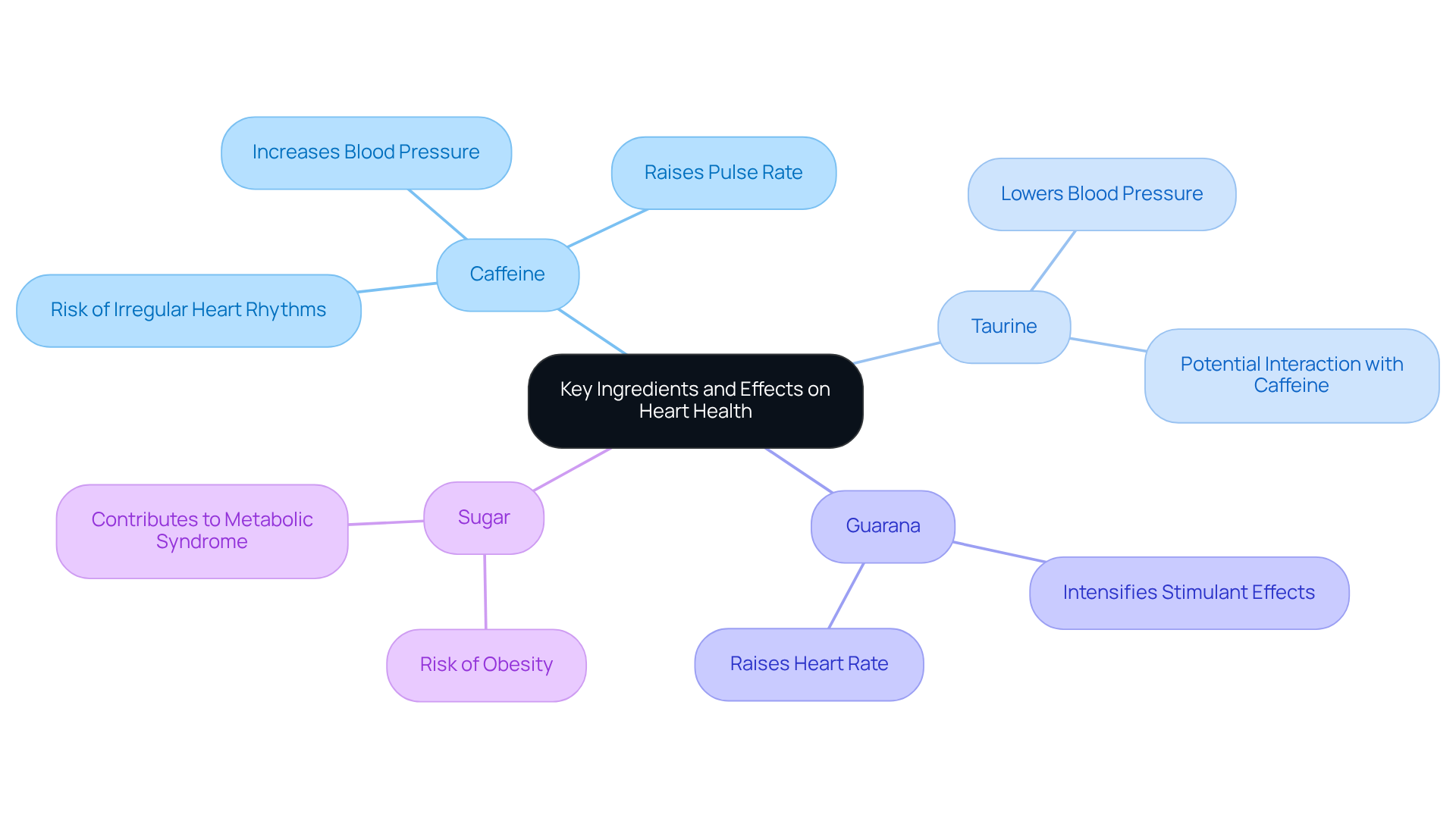
Energy beverages often contain ingredients like stimulants, taurine, guarana, and several B vitamins, each playing a role in their effects on heart health. You might be aware that caffeine, the primary stimulant in energy drinks, can , prompting the inquiry: do energy drinks cause high blood pressure? Taurine, an amino acid, has a unique effect; it can lower blood pressure in some cases, but when combined with caffeine, one might wonder do energy drinks cause high blood pressure by potentially increasing your heart rate and blood pressure. Guarana, another stimulant in these drinks, raises the question of whether energy drinks cause high blood pressure by further intensifying these cardiovascular responses.
Additionally, many caffeinated beverages are loaded with sugar, which can lead to obesity and metabolic syndrome-both recognized risk factors for heart disease. Overindulging in these stimulant drinks raises concerns about whether energy drinks cause high blood pressure, as they can also lead to irregular heart rhythms and other health issues, highlighting the need for caution. For seniors, understanding these ingredients is crucial, as they may interact with medications or worsen existing health conditions.
At Amavita Heart and Vascular Health®, we truly care about your well-being. We emphasize the importance of thorough cardiac evaluations and preventive strategies, including advanced imaging techniques and personalized treatment plans, to help reduce your risk of heart attacks. Our approach ensures that you receive tailored care that addresses your unique health needs and lifestyle. Remember, you’re not alone in this journey; we’re here to support you every step of the way.
For seniors considering beverages with stimulants, it’s important to approach consumption with care. Have you thought about whether energy drinks cause high blood pressure and how they might affect your health? Here are some thoughtful tips for safe consumption:
By following these guidelines, you can make informed choices about your beverage consumption while exploring whether energy drinks cause high blood pressure and prioritizing your cardiovascular health. Remember, it’s always okay to seek help and support when it comes to your well-being.

Energy drinks are often seen as quick sources of energy, but they can raise significant concerns for seniors, especially when it comes to blood pressure. It’s important to understand what’s in these beverages and how they might affect cardiovascular health. The combination of stimulants like caffeine and taurine, along with high sugar content, can lead to increased blood pressure levels, particularly for older adults who may already be managing health conditions.
Research shows that energy drinks can elevate both systolic and diastolic blood pressure in a short time, which is particularly concerning for seniors. It’s crucial to:
Additionally, exploring healthier alternatives can provide energy without the negative effects linked to energy drinks.
Prioritizing heart health is vital for seniors. By being aware of the potential risks and adopting safe consumption practices, older adults can protect themselves from the harmful effects of energy drinks. Taking proactive steps, such as seeking guidance and considering healthier options, empowers seniors to maintain their well-being and enjoy a vibrant life. Remember, you’re not alone in this journey-support is available, and making informed choices can lead to a healthier, happier future.
What are energy drinks and their main purpose?
Energy drinks are non-alcoholic beverages designed to provide a quick boost of energy, often containing stimulants like taurine and guarana, as well as sugar. They are marketed to enhance both physical and mental performance.
How much caffeine is typically found in energy drinks?
Caffeine levels in energy drinks can vary widely, ranging from 80 mg to over 500 mg per serving, depending on the brand.
What is the sugar content in energy drinks?
A single 16-ounce can of energy drink may contain between 54 to 62 grams of added sugar, which exceeds the recommended daily limit.
Why should seniors be cautious about consuming energy drinks?
Seniors should be cautious due to the potential cardiovascular effects, as excessive caffeine can lead to increased blood pressure and heart rhythm issues, particularly for those with existing health conditions.
What does research say about the relationship between energy drinks and high blood pressure?
Research indicates that too much caffeine may contribute to increased blood pressure and heart rhythm issues, raising concerns about whether energy drinks can cause high blood pressure, especially in older adults.
What is the FDA's stance on caffeine consumption?
The FDA considers up to 400 mg of caffeine per day safe for most healthy adults, and this amount is generally not linked to harmful effects.
How does Amavita Heart and Vascular Health® assist with concerns about energy drinks and heart health?
Amavita Heart and Vascular Health® uses advanced imaging technology to assess the impact of energy drinks on cardiovascular health and offers comprehensive cardiac evaluations and preventive strategies tailored for seniors.
What should seniors do if they have concerns about their heart health related to energy beverages?
Seniors with concerns about their heart health or the effects of energy drinks are encouraged to reach out to Amavita Heart and Vascular Health® for support and personalized care strategies.