


Understanding the delicate balance of cholesterol is crucial for maintaining heart health, especially as we age. With heart disease claiming nearly 700,000 lives annually in the U.S., it’s natural to wonder: can regular cardiovascular exercise truly make a difference in managing cholesterol levels?
This article explores the impact of cardio on cholesterol, highlighting how consistent aerobic activity can enhance lipid profiles and reduce the risk of cardiovascular issues. In addition to this, we’ll discuss vital lifestyle changes that can support healthier cholesterol management.
It’s important to remember that you’re not alone in this journey. Many individuals share similar concerns about their heart health, and there are effective ways to address these worries. By incorporating regular exercise into your routine, you can take meaningful steps toward better health.
Let’s delve into how these changes can empower you to lead a healthier life, filled with vitality and peace of mind.
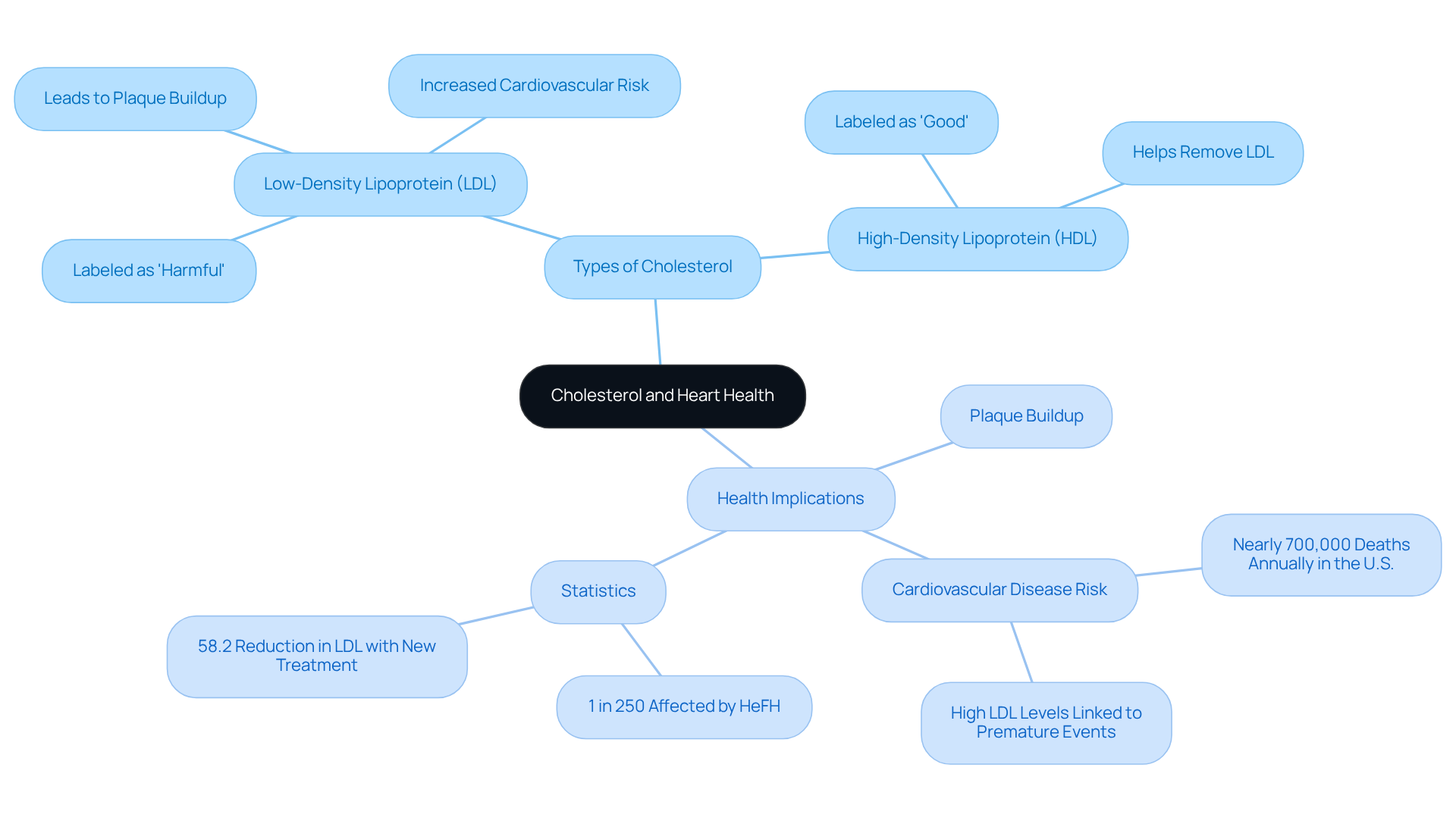
Cholesterol is a waxy, fat-like substance that's essential for many bodily functions, such as producing hormones, vitamin D, and bile acids needed for digesting fats. It travels through your bloodstream in lipoproteins, mainly categorized as low-density lipoprotein (LDL) and high-density lipoprotein (HDL). You might have heard that LDL is often labeled as 'harmful' fat. This is because it can lead to , which significantly raises the risk of and stroke. On the other hand, HDL is known as 'good' fat because it helps remove LDL from your bloodstream.
Maintaining a healthy balance between these types of lipids is vital for your , especially as we age. Older adults face a higher risk of , and it's important to be aware of this. Did you know that heart disease claims nearly 700,000 lives each year in the U.S.? This statistic underscores the importance of .
Recent studies have shown that individuals with are at a greater risk for premature cardiovascular events. This highlights the need for effective interventions. For example, a involving participants with heterozygous familial hypercholesterolemia found that a new treatment reduced LDL levels by an impressive average of 58.2% after just 24 weeks. This showcases the potential of targeted therapies to improve .
As research continues, understanding the role of fats in remains crucial. It's all about . Remember, you're not alone in this journey. Seeking support and guidance can make a significant difference in managing your health.
, often referred to as cardio, includes activities that get your heart pumping, like walking, running, cycling, and swimming. Have you ever thought about how consistent cardio can positively impact your health? Engaging in regular cardio raises the question of by , raising high-density lipoprotein (HDL), and potentially lowering low-density lipoprotein (LDL) and triglycerides. Recent studies show that moderate to high-intensity aerobic exercise can lead to significant improvements in these areas. For example, a systematic review found that individuals who regularly participated in aerobic exercise experienced notable increases in HDL and decreases in LDL.
This is especially crucial for older adults, as maintaining a can greatly reduce the risk of circulatory issues and enhance overall cardiovascular health. Just imagine-by dedicating just thirty minutes a day to intense exercise, you could lower . This highlights how vital exercise is in managing cholesterol levels effectively, particularly when considering .
At Amavita, we understand that cardiovascular care doesn’t always require a hospital stay. Our modern outpatient facilities allow patients to undergo advanced cardiovascular procedures, such as and coronary revascularization, and return home the same day. This means you can focus on your recovery in the comfort of your own home.
Incorporating regular cardio into your routine can help you take meaningful steps toward better and raise the question of , ultimately improving your quality of life. At Amavita, we are committed to innovative research and minimally invasive techniques, ensuring you feel supported every step of the way. Remember, you’re not alone on this journey-your health and well-being are our top priorities.

Managing lipids effectively is essential for your heart health, and it involves a thoughtful approach that combines dietary changes, physical activity, and lifestyle adjustments. Here are some key strategies to consider:
These not only help regulate your lipids but also . Remember, making these changes can be a journey, and it’s important to take it one step at a time. If you have any concerns or need support, don’t hesitate to reach out for help. You’re not alone in this, and there are resources available to assist you in boosting your circulatory health.

Keeping an eye on lipid counts is crucial for , especially for our seniors who face a higher risk of cardiovascular issues. Have you had your lately? The American Heart Association suggests that adults should get their lipid profiles assessed every four to six years. If you have , more frequent checks are recommended.
Understanding , LDL (the harmful kind), HDL (the good kind), and triglycerides can empower you and your healthcare provider to make informed choices about lifestyle changes and treatment options. For example, a is considered desirable, while levels above 240 mg/dL are classified as high. By keeping track of these numbers, you can take charge of your , and stroke.
Real-life stories show that regular can lead to better health outcomes. This reinforces the importance of . Remember, you’re not alone in this journey; reaching out for support can make all the difference.

Engaging in cardiovascular exercise is a vital strategy for managing cholesterol levels and promoting heart health. You might be wondering how cardio can help you. The relationship between cardio and cholesterol is significant; regular aerobic activities can lead to improved lipid profiles, characterized by increased HDL (the "good" cholesterol) and decreased LDL (the "bad" cholesterol). This understanding highlights the importance of incorporating cardio into your daily routine to enhance your overall cardiovascular well-being.
Throughout this article, we’ve explored how cardio not only lowers LDL levels but also raises HDL levels, supporting a healthier lipid balance. Lifestyle modifications, such as adopting a heart-healthy diet, maintaining a healthy weight, and avoiding tobacco, further contribute to effective cholesterol management. Regular monitoring of your cholesterol levels is equally crucial. This empowers you to make informed decisions about your health and enables proactive measures to reduce the risk of heart disease.
Ultimately, the journey toward better heart health is a collective effort that requires dedication and support. By embracing cardiovascular exercise and making informed lifestyle choices, you can significantly improve your cholesterol levels and overall cardiovascular health. Taking these steps not only enhances your quality of life but also fosters a proactive approach to heart health. Remember, prioritizing cardiovascular care in your everyday life is essential, and you’re not alone in this journey.
What is cholesterol and why is it important?
Cholesterol is a waxy, fat-like substance essential for various bodily functions, including the production of hormones, vitamin D, and bile acids needed for digesting fats.
How does cholesterol travel in the body?
Cholesterol travels through the bloodstream in lipoproteins, which are mainly categorized as low-density lipoprotein (LDL) and high-density lipoprotein (HDL).
What is the difference between LDL and HDL cholesterol?
LDL is often labeled as 'harmful' fat because it can lead to plaque buildup in arteries, increasing the risk of cardiovascular disease and stroke. HDL, known as 'good' fat, helps remove LDL from the bloodstream.
Why is it important to maintain a balance between LDL and HDL?
Maintaining a healthy balance between LDL and HDL is vital for heart health, especially as we age, as older adults face a higher risk of heart-related issues.
What is the impact of heart disease in the U.S.?
Heart disease claims nearly 700,000 lives each year in the U.S., highlighting the importance of managing cholesterol levels.
What recent findings have been made regarding LDL levels and cardiovascular risk?
Recent studies show that individuals with high LDL levels are at a greater risk for premature cardiovascular events, emphasizing the need for effective interventions.
Can treatments effectively reduce LDL levels?
Yes, a clinical trial involving participants with heterozygous familial hypercholesterolemia found that a new treatment reduced LDL levels by an average of 58.2% after just 24 weeks.
Why is understanding the role of fats in heart health important?
Understanding the role of fats in heart health is crucial for improving the quality of life for older adults and managing heart health effectively.