


Understanding the significance of heart calcium scans is crucial for anyone concerned about their cardiovascular health. These specialized imaging tests can reveal vital insights into the presence of atherosclerosis, a condition that can lead to life-threatening events like heart attacks. Have you ever wondered how these scans could impact your health?
As you explore your options, it’s important to know how to find a heart calcium scan facility nearby. Consider the essential criteria for selecting the right provider, as this choice can make a significant difference in your care. Early detection plays a key role in managing heart health, allowing for timely interventions that can improve outcomes.
But with so many options available, how can you ensure you’re making the best choice for your health? Remember, you’re not alone in this journey. Seeking support and guidance is a vital step towards taking control of your cardiovascular well-being.
A coronary artery imaging test, also known as a coronary artery assessment (CAC) examination, is a specialized imaging procedure that uses computed tomography (CT) to identify mineral deposits in the coronary arteries. These deposits indicate atherosclerosis, a condition where arteries become narrowed or blocked due to plaque buildup. This can lead to serious cardiovascular events, such as heart attacks or strokes.
Understanding the importance of a heart calcium scan near me can provide reassurance, especially for those who are concerned about their heart health. Here are a few key factors to consider:
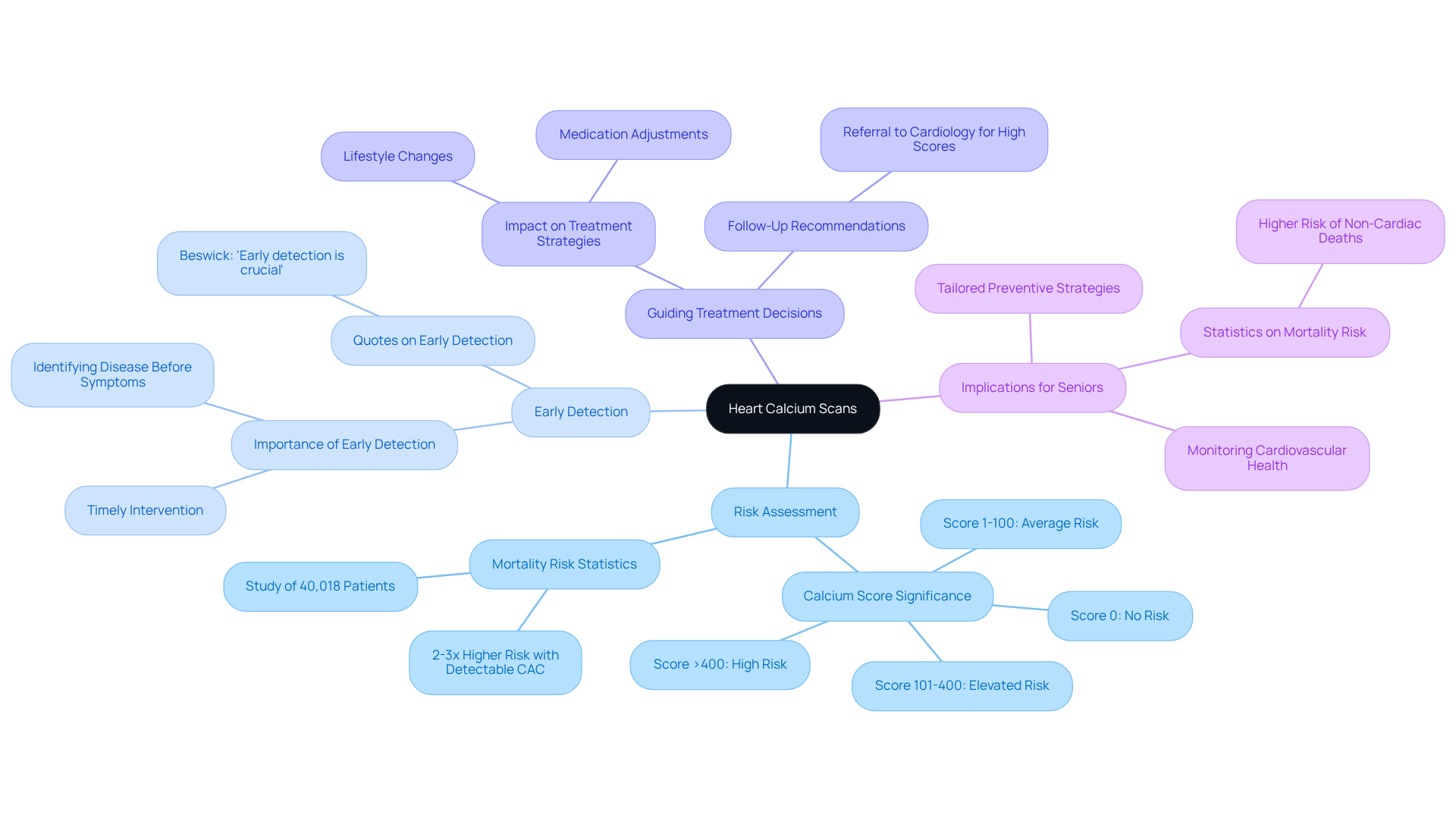
For seniors, who often face unique cardiovascular challenges, a heart calcium scan near me can provide particularly beneficial insights. It helps tailor preventive strategies and monitor cardiovascular health over time. Recent studies show that individuals with detectable coronary artery deposits have a two- to threefold higher risk of mortality from all causes over five years compared to those with a score of zero. This statistic underscores the vital role of cardiac imaging in preventive health management for seniors.
At Amavita Cardiovascular Health®, we recognize the importance of thorough cardiac assessments and preventive measures in reducing the risk of heart attacks. Through our CardioElite™ program, which integrates AI technology and offers 24/7 cardiology consultation, we enhance cardiovascular care, ensuring that seniors receive personalized and proactive management tailored to their unique health needs.
Practical examples further illustrate the positive impact of cardiac imaging on patient outcomes. For instance, a study involving over 40,000 patients revealed that those without coronary artery deposits were significantly less likely to experience mortality from both cardiac and non-cardiac conditions. This finding emphasizes the prognostic value of CAC scores beyond heart-related issues, reinforcing the necessity of early detection and intervention in senior populations.
When you're considering where to get your heart calcium scan near me, it’s important to choose a facility that truly cares about your health. Here are some key things to consider:
Choosing the right facility for a heart calcium scan near me is a crucial step in taking charge of your heart health. Remember, you’re not alone in this journey; there are caring professionals ready to support you every step of the way.

Finding a heart calcium scan near me can feel overwhelming, but you’re not alone in this journey. Here’s a gentle guide to help you navigate your options with ease and confidence:
Online Search: Start by using search engines to find ‘heart calcium scan near me’ or ‘coronary calcium scan centers in your area.’ This straightforward step can generate a list of local options, making it simpler for you to locate a facility that meets your needs.
Health Insurance Provider: It’s wise to consult your health insurance provider for a list of covered facilities. This can help you avoid unexpected expenses, as many tests related to calcium levels are often self-pay procedures. In Miami-Dade County, prices can range from $43 to $445. Be sure to check if your insurance covers the examination, especially since costs can vary significantly.
Local Hospitals and Clinics: Don’t hesitate to reach out to local hospitals or cardiology clinics directly. They often provide heart calcium scans near me or can refer you to trusted imaging centers, ensuring you receive care from reliable providers.
Health Directories: Consider using online health directories like LabFinder or Healthgrades. These platforms allow you to search for specific tests and read reviews about facilities, helping you make informed decisions about your care.
Community Resources: Connecting with community health organizations or senior centers can be beneficial. These groups may have partnerships with local imaging centers and can offer valuable recommendations tailored to your needs.
Telehealth Options: Some facilities may offer telehealth consultations to discuss your needs before scheduling an imaging procedure. This can be especially helpful for seniors, providing a more personalized approach to care.
Remember, taking the first step towards your health is important, and there are many resources available to support you. If you have any questions or need assistance, don’t hesitate to reach out. You deserve compassionate care and guidance every step of the way.

Before arranging a calcium examination of your cardiovascular system, it’s important to have a heartfelt conversation with your healthcare provider. Here’s how to approach this discussion effectively:
Discuss Risk Factors: Share your medical history openly, including any risk factors for cardiovascular disease like family history, smoking, high blood pressure, or diabetes. This information is crucial for your provider to determine if the examination is necessary.
Understand the Test: Ask about the benefits and drawbacks of the cardiac imaging test. Knowing how the results will influence your treatment plan is vital for making informed decisions about your health.
Explore Alternatives: Talk about other diagnostic methods that might be available, especially if you have concerns about radiation exposure or if the procedure may not suit your specific situation.
Obtain Recommendations: If your provider suggests a cardiac imaging procedure, request referrals to trusted facilities they recommend. This ensures you receive quality care in a supportive environment.
Follow-Up Plan: Clarify what the follow-up process will look like after the procedure. Understand how and when you’ll receive your results and what steps will follow based on those findings.
Real-world examples highlight the importance of personalized treatment plans after heart scan results. For instance, patients with increased mineral scores often receive tailored interventions that significantly improve their health outcomes. Did you know that statistics show 15% of individuals deemed very low risk based on traditional factors actually had high coronary artery scores? This underscores the need for thorough discussions with healthcare providers. Effective communication can lead to better adherence to treatment plans and ultimately enhance patient outcomes in cardiovascular care. As Dr. Samer Kazziha points out, "The ability of AI now to calculate your calcium score automatically and provide this number to your primary care physician would be very, very valuable." This reflects the evolving landscape of cardiovascular care and the importance of informed discussions, especially within the context of Amavita's CardioElite™ program, which focuses on advanced diagnostic capabilities, seamless coordination, and features like reduced emergency transfers and improved census stability for better patient outcomes.

Understanding the value of a heart calcium scan is essential for anyone wanting to take charge of their cardiovascular health. These scans not only help assess the risk of coronary artery disease but also offer vital insights that can guide your treatment decisions and lifestyle changes. By recognizing the importance of early detection, you can significantly lower your risk of serious cardiovascular events.
In this guide, we’ve highlighted key factors to consider when choosing a heart calcium scan facility:
These are all crucial elements that ensure you receive the highest quality care and accurate results. Finding the right facility doesn’t have to be overwhelming; consulting with your healthcare provider can lead to personalized recommendations that fit your unique health needs.
Taking the initiative to find a heart calcium scan near you is a meaningful step towards protecting your heart health. With various resources at your disposal, from online searches to community connections, you can confidently explore your options. Engaging in open conversations with your healthcare providers will deepen your understanding and support, ultimately leading to better health outcomes. Remember, the journey to a healthier heart starts with informed choices and proactive measures - take that step today.
What is a heart calcium scan?
A heart calcium scan, also known as a coronary artery assessment (CAC) examination, is a specialized imaging test that uses computed tomography (CT) to identify mineral deposits in the coronary arteries, which indicate atherosclerosis.
Why is a heart calcium scan important?
It is important because it helps assess the risk of developing coronary artery disease (CAD), enables early detection of cardiovascular disease, and guides treatment decisions.
How does a heart calcium scan help with risk assessment?
The scan produces a calcium score that evaluates the risk of CAD; a higher score indicates a greater risk, prompting necessary evaluations or preventive measures.
What does early detection through a heart calcium scan allow for?
Early detection allows for identification of cardiovascular disease before symptoms appear, enabling timely intervention.
How can heart calcium scan results influence treatment decisions?
The results can shape treatment strategies, including lifestyle changes or medications aimed at reducing the risk of cardiovascular disease.
Why is a heart calcium scan particularly beneficial for seniors?
It provides valuable insights to tailor preventive strategies and monitor cardiovascular health over time, addressing unique cardiovascular challenges faced by seniors.
What is the significance of having detectable coronary artery deposits?
Individuals with detectable coronary artery deposits have a two- to threefold higher risk of mortality from all causes over five years compared to those with a score of zero.
How does Amavita Cardiovascular Health® enhance cardiovascular care?
Through the CardioElite™ program, which integrates AI technology and offers 24/7 cardiology consultation, Amavita enhances cardiovascular care by providing personalized and proactive management for seniors.
What do studies show about the impact of cardiac imaging on patient outcomes?
Studies indicate that patients without coronary artery deposits are significantly less likely to experience mortality from both cardiac and non-cardiac conditions, highlighting the prognostic value of CAC scores.