


Understanding the complexities of cardiac catheterization is crucial for patients getting ready for this important procedure. This minimally invasive technique not only helps in diagnosing but also in treating heart conditions, offering significant advantages, especially for older adults who may be facing increased cardiovascular risks.
But many patients often wonder: how long does a cardiac cath take? This question can weigh heavily on their minds, as various factors can influence the duration of the procedure. What can you expect in terms of time, preparation, and recovery? And how can you navigate this experience to ensure the best possible outcomes?
It's natural to feel anxious about these uncertainties. Rest assured, you're not alone in this journey. Many have walked this path and found comfort in understanding what lies ahead. By preparing yourself with knowledge and support, you can approach this procedure with confidence.
This technique, often referred to as a , is a minimally invasive method that plays a vital role in diagnosing and treating various . During this procedure, a thin, flexible tube called a catheter is inserted into a blood vessel and guided to the heart. This approach allows healthcare providers to evaluate heart function, identify blockages, and perform interventions such as angioplasty or stenting when necessary.
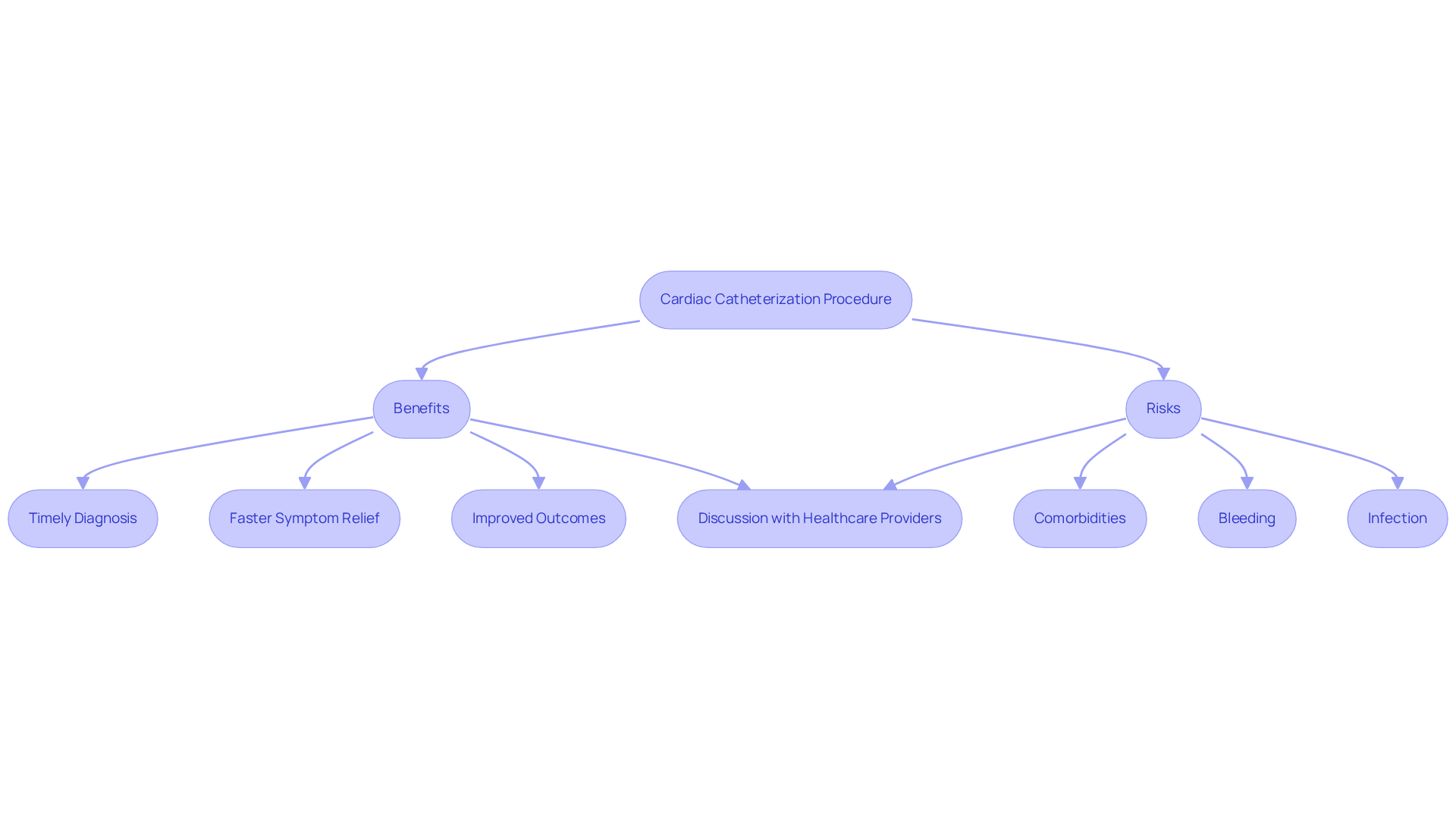
At Amavita Heart and Vascular Health®, we understand that the advantages of s for older individuals can be substantial. are essential, especially since older adults often face a higher risk of cardiovascular diseases. Research indicates that individuals who undergo experience faster symptom relief compared to those relying solely on medication therapy. This is particularly significant for older individuals who may encounter debilitating symptoms that impact their quality of life.
However, it’s important to consider the risks associated with the procedure. Older individuals may have comorbidities that complicate their recovery, and there is a potential for procedural complications, such as bleeding or infection. Therefore, having a thorough discussion with healthcare providers about individual health status and treatment options is crucial.
At Amavita, we emphasize a comprehensive and preventive strategies to reduce . Our are designed to ensure that each individual receives tailored care. Recent research underscores the significance of personalized treatment choices for elderly individuals, stressing that age should not hinder access to suitable care. For instance, findings from studies show that , leading to improved outcomes. Professor Kunadian, a specialist in interventional cardiology, states, "This is the first time this age-group of NSTEMI individuals has been studied in such detail, and our findings highlight that age should not be a barrier to personalized care."
Real-world examples further illustrate the positive impact of . In one study, older individuals who underwent the treatment experienced a 25% decrease in the risk of non-fatal heart attacks compared to those who did not. This highlights the procedure's potential to improve health outcomes and enhance quality of life.
Ultimately, is crucial for older individuals and their families. Engaging in open conversations with healthcare providers at Amavita can help clarify the benefits and risks, ensuring informed decisions that align with individual health needs. Additionally, our CardioElite™ program offers comprehensive cardiovascular management, integrating advanced diagnostic tools and staff training for proactive, data-driven care.
Preparing for a is an important step towards ensuring a smooth and safe experience. It’s natural to feel a bit anxious about the process, but understanding what to expect can help ease your mind. Here are some crucial steps to consider:
By following these preparation steps, you can help ensure a successful . Remember, you’re not alone in this journey; your healthcare team is here to support you every step of the way.

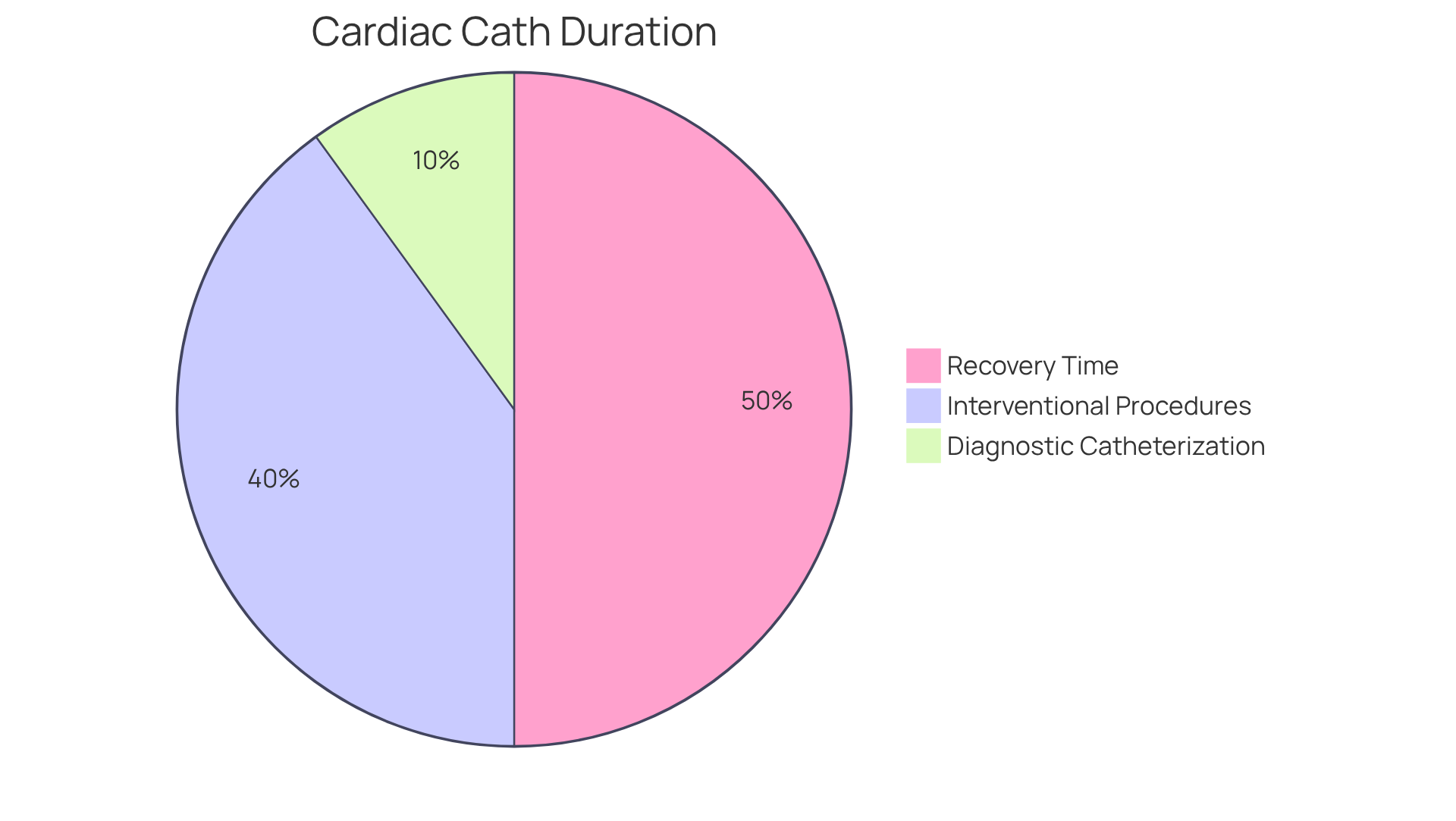
When it comes to , many patients understandably have concerns about what to expect. The quite a bit, and it raises the question of , depending on factors like the complexity of the case and whether any interventions are needed. Typically, is around 30 minutes, but it can extend to 2 hours or more for interventional procedures.
It’s important to plan for a full day at Amavita, as preparation and recovery can add several hours to your visit. Here’s a quick overview to help you understand:
Most individuals recover completely within a few days to a week. While the procedure is generally safe, it’s crucial to follow post-procedure instructions closely. As one cardiologist noted, the complexity of your case can significantly impact the length of the procedure. This is why it’s essential to , so you can set appropriate expectations and feel more at ease.
Remember, you’re not alone in this process. Your is here to .
After your , managing your recovery is crucial for a successful outcome. You might be feeling a bit anxious or uncertain about what comes next, and that’s completely understandable. Here are some key steps to help you through this important time:
Taking these steps can make a . If you have any questions or need assistance, please don’t hesitate to reach out. Your well-being is our priority, and we’re here to help you feel comfortable and cared for.

Understanding the complexities of cardiac catheterization is crucial for patients and their families, especially for older adults who may face increased risks related to heart conditions. This minimally invasive procedure not only helps in diagnosing and treating various cardiac issues but also brings significant benefits that can improve quality of life. By learning about the procedure's duration, preparation, and recovery, patients can approach their cardiac cath with more confidence and less anxiety.
The article highlights important aspects of cardiac catheterization, such as its typical duration, preparation steps, and recovery strategies. It underscores the value of open communication with healthcare providers and the need for personalized care tailored to individual health needs. With insights into how long a cardiac cath takes, the preparation checklist, and recovery management, patients can navigate their experience and set realistic expectations.
Ultimately, taking proactive steps in preparation and recovery can greatly influence the overall success of the procedure. Engaging in discussions with healthcare professionals and following recommended guidelines will help ensure a smoother journey through cardiac catheterization. Embracing this knowledge not only empowers patients but also highlights the importance of timely intervention in effectively managing heart health.
What is cardiac catheterization?
Cardiac catheterization, often referred to as a heart cath, is a minimally invasive procedure that involves inserting a thin, flexible tube called a catheter into a blood vessel and guiding it to the heart to diagnose and treat various heart conditions.
What are the benefits of cardiac catheterization for older individuals?
The procedure offers substantial advantages for older individuals, including timely diagnosis and treatment of heart issues, faster symptom relief compared to medication therapy, and improved quality of life by addressing debilitating symptoms associated with cardiovascular diseases.
What risks are associated with cardiac catheterization?
Risks include potential procedural complications such as bleeding or infection, and older individuals may have comorbidities that could complicate their recovery. It is essential to discuss individual health status and treatment options with healthcare providers.
How does Amavita Heart and Vascular Health® approach cardiac care for older adults?
Amavita emphasizes comprehensive cardiac evaluation and preventive strategies to reduce heart attack risk, utilizing advanced risk assessment tools and personalized interventions to ensure tailored care for each individual.
What does recent research say about invasive treatments for older adults?
Recent studies indicate that invasive treatments can be safe and beneficial for older adults, leading to improved health outcomes. Age should not be a barrier to accessing suitable care.
What impact does cardiac catheterization have on health outcomes for older individuals?
Studies show that older individuals who undergo cardiac catheterization experience a 25% decrease in the risk of non-fatal heart attacks compared to those who do not, highlighting the procedure's potential to enhance health outcomes and quality of life.
How can individuals and families better understand cardiac catheterization?
Engaging in open conversations with healthcare providers at Amavita can help clarify the benefits and risks of the procedure, ensuring informed decisions that align with individual health needs.
What is the CardioElite™ program offered by Amavita?
The CardioElite™ program provides comprehensive cardiovascular management, integrating advanced diagnostic tools and staff training for proactive, data-driven care in managing heart health.