


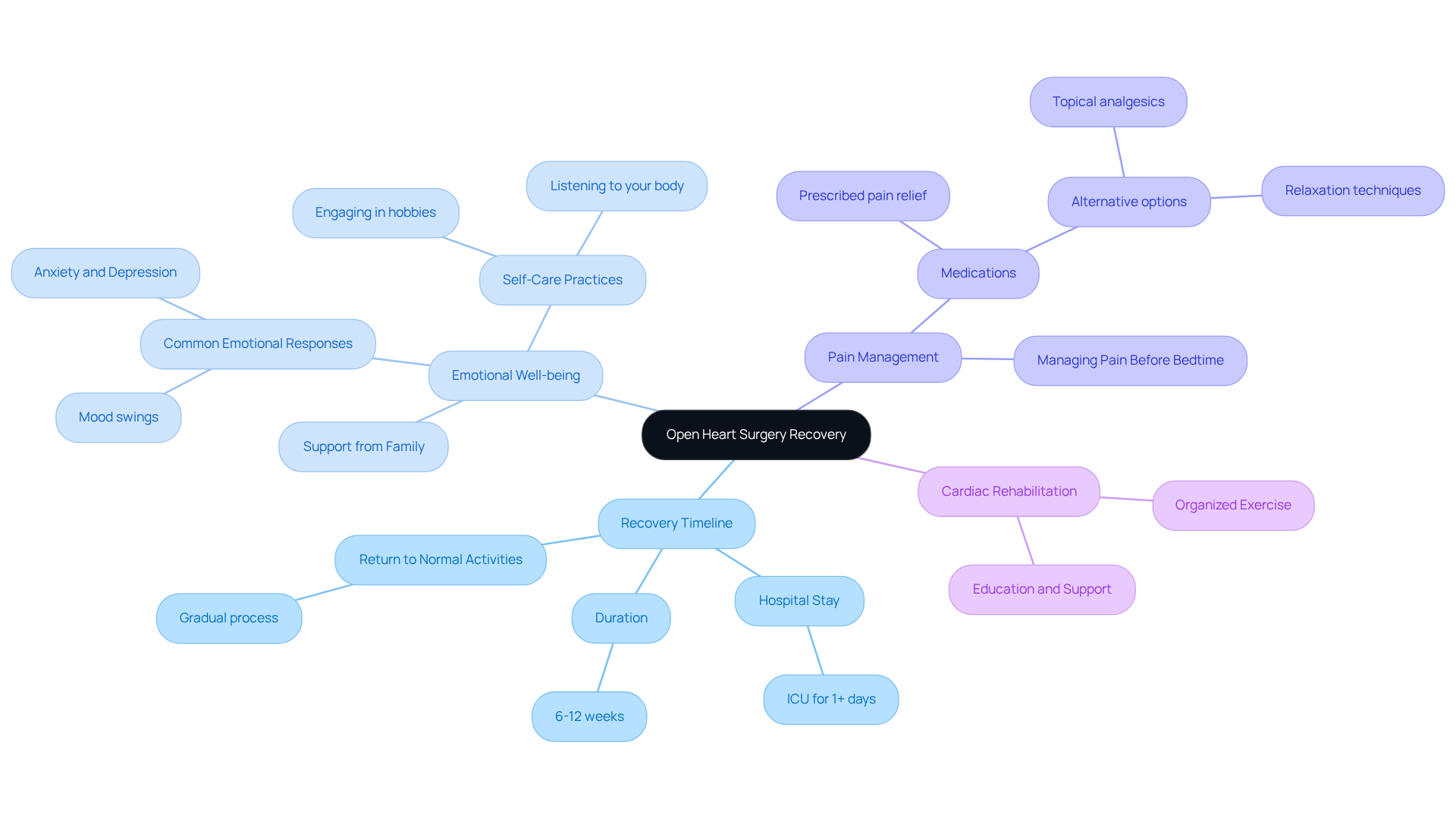
Recovering from open heart surgery can feel like a daunting journey, filled with uncertainty and many questions. Typically, this recovery period spans six to twelve weeks, during which patients face not only the physical aspects of healing but also emotional challenges that may arise. It’s completely normal to feel anxious or overwhelmed during this time.
This guide aims to provide essential strategies and insights that can empower you on your path to recovery. We’ll explore the complexities of healing and highlight the importance of having a strong support system. What steps can you take to enhance your recovery and ensure a smoother transition back to your daily life?
By understanding the recovery process and seeking the right support, you can navigate this journey with greater confidence and peace of mind.
It can feel daunting to determine how long to recover from , which typically takes between six to twelve weeks. The timeline for varies based on individual health conditions and the complexity of the procedure. During this period, it’s common for patients to experience pain, fatigue, and emotional ups and downs. Remember, that involves both physical and emotional aspects.
How are you feeling about this process? It’s important to acknowledge that mental well-being plays a significant role in recovery. can make a world of difference. As you navigate this journey, expect a . Prioritizing is essential - rushing the healing process can lead to setbacks.
Effective , including prescribed medications, will be crucial in the initial weeks after surgery. In addition to this, participating in can enhance your recovery. This program offers organized exercise and education tailored to your personal needs, helping you regain strength and confidence.
Remember, you’re not alone in this. Reach out for support when you need it, and take each day as it comes. Your is important, and with the right care and support, you can look forward to a healthier future.
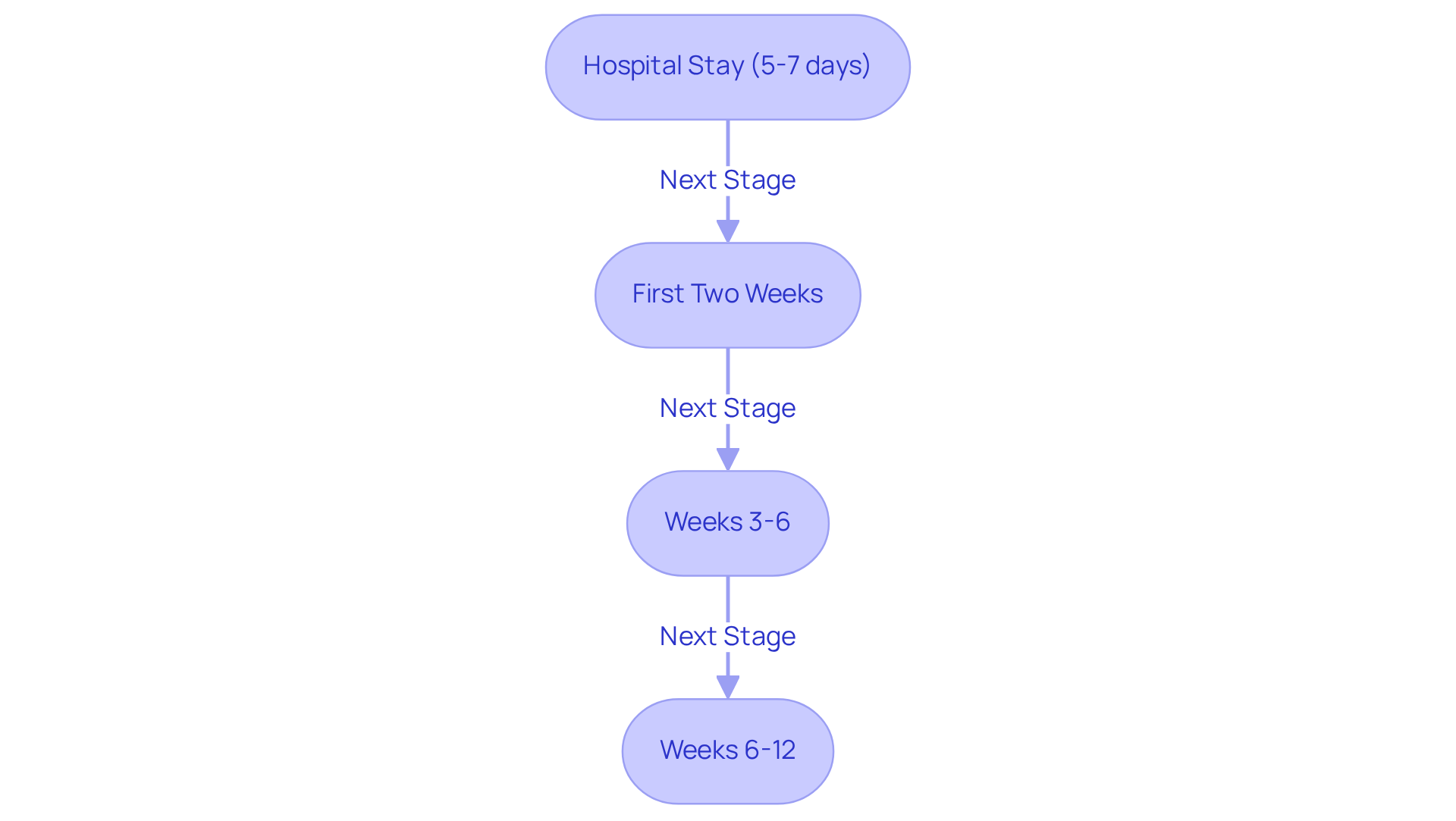
A typical recovery timeline after open heart surgery can be broken down as follows:
Understanding how long to recover from open heart surgery helps patients manage their expectations and prepare for a , with the reassurance of Amavita's comprehensive cardiac evaluations and preventive strategies.
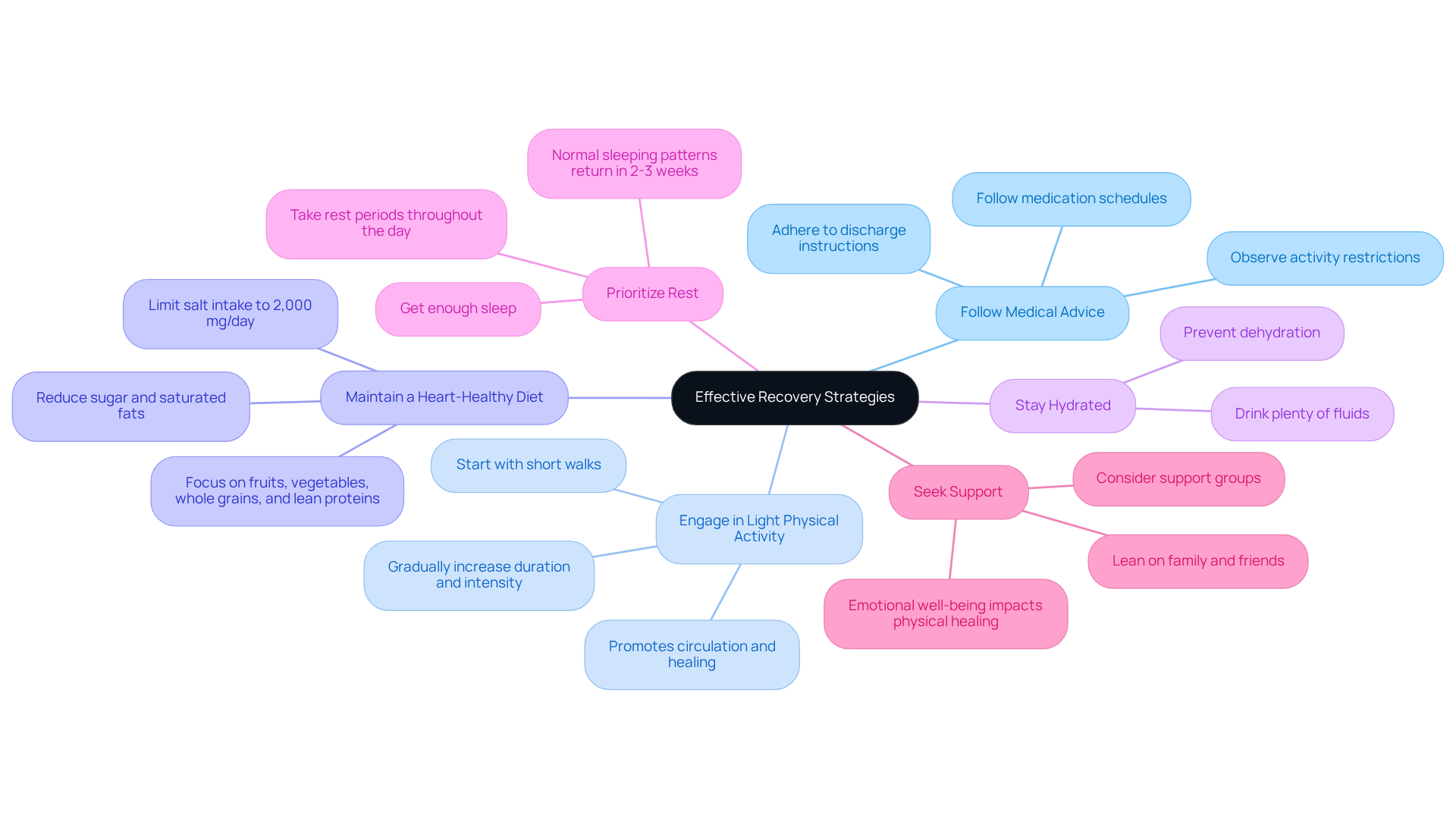
To optimize your recovery after , consider these supportive strategies:
Remember, you’re not alone in this journey. Taking these steps can help you feel more empowered and supported as you recover.
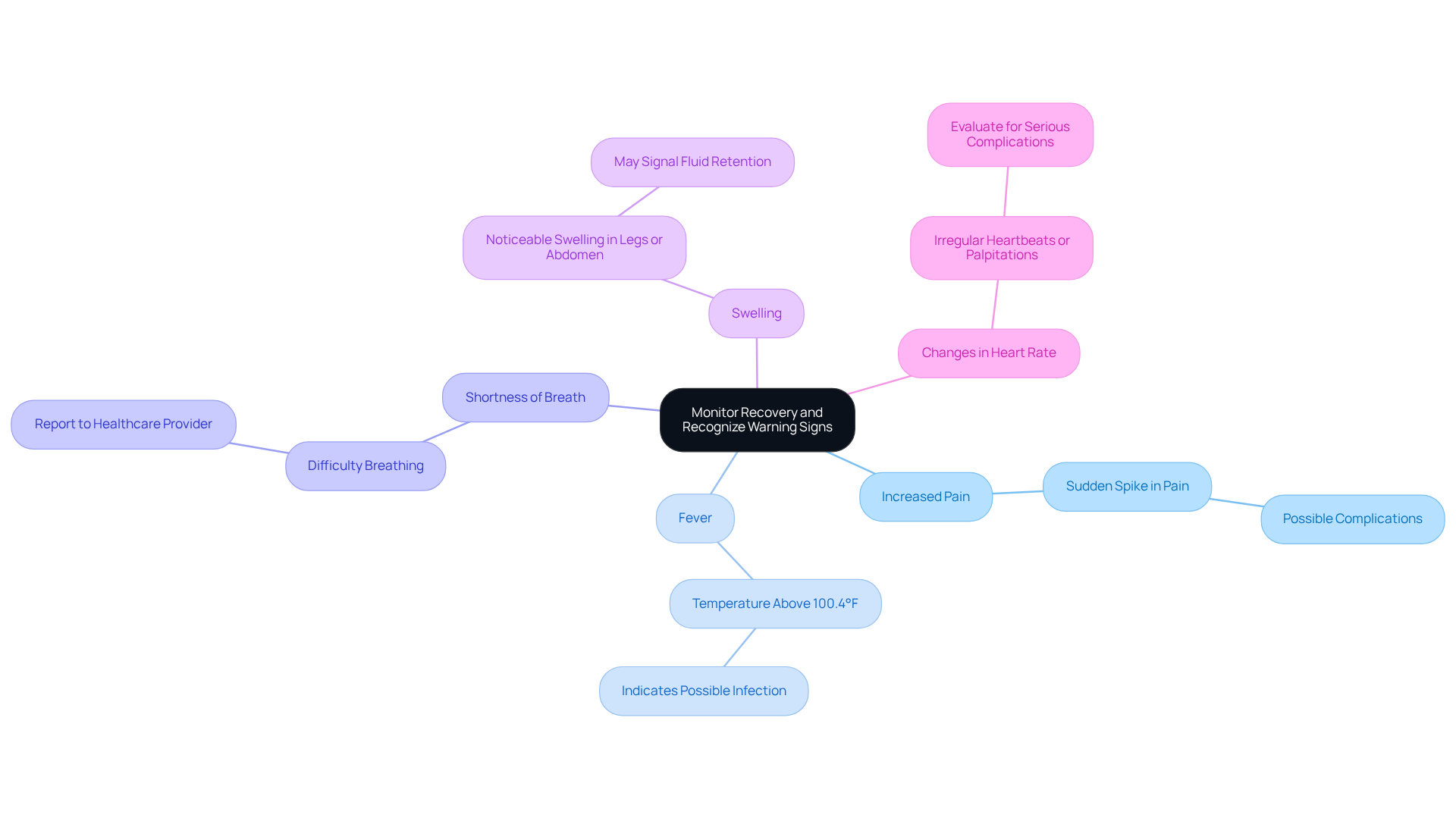
Recovering from open heart surgery can be a challenging journey, and it's essential to understand while keeping a close eye on any concerning symptoms. Here are some key to watch for:
Regular are crucial for understanding how long to recover from open heart surgery. It’s important to maintain open communication with your healthcare team about any concerns you may have, including how long to recover from open heart surgery. Keeping a symptom journal can be a helpful tool, allowing you to track your progress and facilitate discussions during medical appointments.
Statistics show that patients who actively and adhere to follow-up care tend to experience fewer issues and better outcomes. For example, those involved in structured rehabilitation programs have seen a significant reduction in hospital readmissions, highlighting the importance of proactive health management.
Consider the case of Linda Betancourt, who faced complications after her mitral valve regurgitation surgery, including cardiac arrest and rehabilitation challenges. Her experience serves as a reminder of the importance of recognizing warning signs like increased pain and shortness of breath, which can indicate serious issues needing immediate intervention.
Consulting with your healthcare providers about any concerning symptoms is vital. Remember, can significantly enhance your recovery outcomes. You’re not alone in this journey; support is always available.
Understanding the recovery process from open heart surgery is crucial for patients and their families. Recovery typically spans six to twelve weeks, influenced by individual health conditions and the complexity of the procedure. It’s important to acknowledge both the physical and emotional aspects of healing, as this sets the stage for a successful recovery journey.
Have you considered how following medical advice can make a difference? Engaging in light physical activity and maintaining a heart-healthy diet are key insights that can significantly aid your recovery. Establishing a recovery timeline, recognizing warning signs, and seeking emotional support are vital components that contribute to a smoother healing process. By implementing effective recovery strategies, you can enhance your experience and minimize potential complications.
Ultimately, the journey of recovery from open heart surgery is not just a physical challenge but also an emotional one. Emphasizing the significance of support and self-care can empower you to take charge of your healing. Each step taken towards recovery is a step towards a healthier future, underscoring the importance of patience, perseverance, and proactive health management throughout this transformative experience. Remember, you are not alone on this journey; support is always available.
How long does it typically take to recover from open heart surgery?
Recovery from open heart surgery typically takes between six to twelve weeks, but this timeline can vary based on individual health conditions and the complexity of the procedure.
What should I expect during the recovery period?
During the recovery period, it’s common for patients to experience pain, fatigue, and emotional ups and downs. Healing involves both physical and emotional aspects.
Why is mental well-being important during recovery?
Mental well-being plays a significant role in recovery, and emotional support from family and friends can greatly aid in the healing process.
How can I manage pain after open heart surgery?
Effective pain management, including prescribed medications, will be crucial in the initial weeks after surgery.
What is cardiac rehabilitation, and how does it help?
Cardiac rehabilitation is a program that offers organized exercise and education tailored to personal needs, helping patients regain strength and confidence during recovery.
What should I prioritize during my recovery?
It is essential to prioritize self-care and listen to your body. Rushing the healing process can lead to setbacks.
What should I do if I need support during my recovery?
It’s important to reach out for support when needed. Remember, you’re not alone in this journey, and seeking help can make a difference.