


Understanding your calcium score is crucial for assessing heart health. It reveals the level of calcified plaque in your arteries, which is a key indicator of your risk for coronary artery disease. This article explores practical strategies to lower calcium scores naturally, offering you actionable steps to enhance your cardiovascular well-being.
But how can simple lifestyle adjustments, dietary changes, and essential supplements significantly impact your heart health? Can these changes potentially reverse the risks associated with high calcium levels?
In addition to this, we’ll delve into how these small yet meaningful changes can make a big difference in your life. Remember, you’re not alone in this journey; there are ways to take control of your heart health and feel empowered. Let's explore these options together.
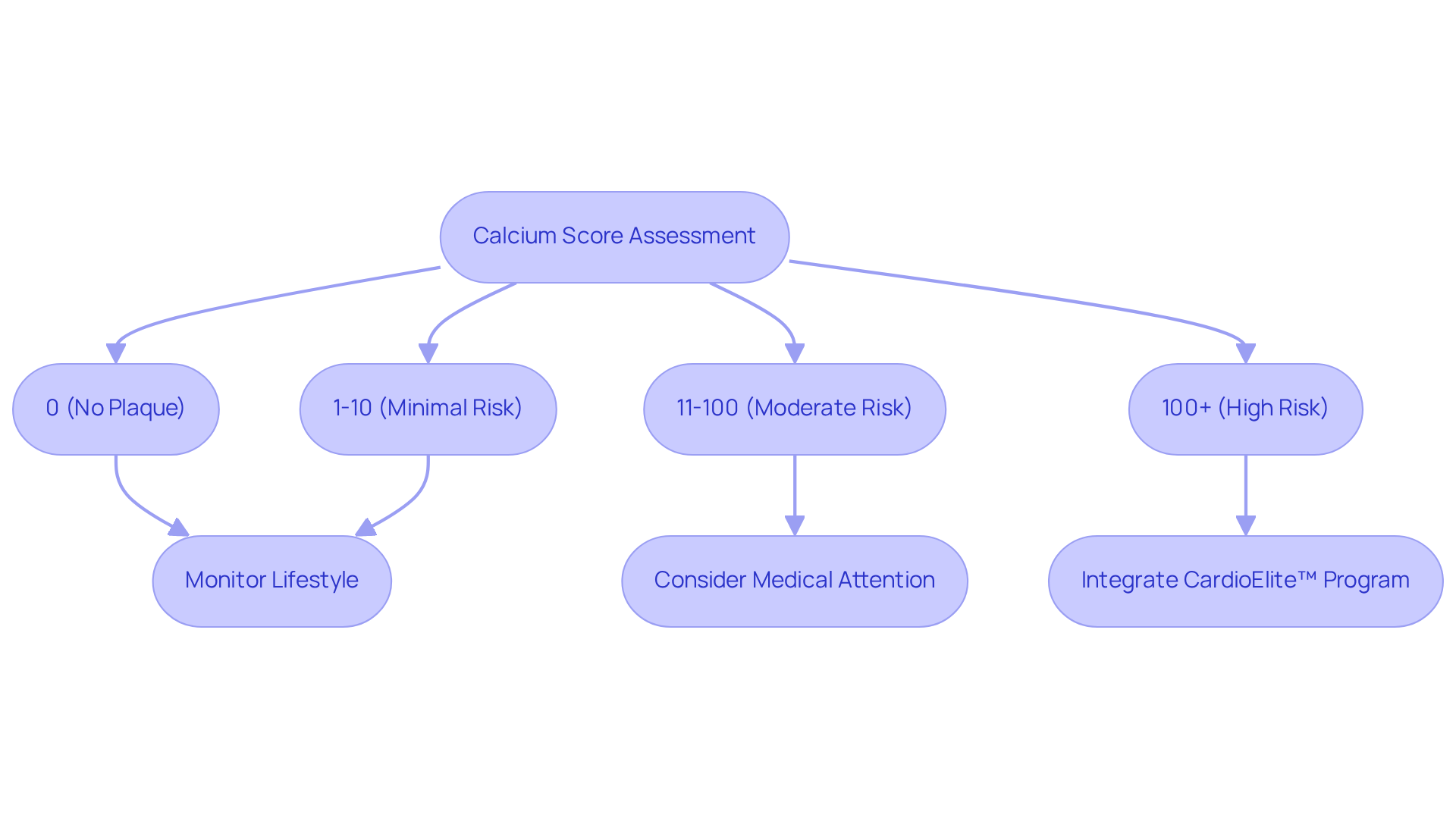
A can be a vital tool in understanding your . It measures the level of calcified plaque in your , which is an important indicator of (CAD) risk and potential cardiac events. Scores range from 0, meaning no calcified plaque, to over 400, indicating a high risk for cardiovascular issues. Knowing your mineral index is essential for making informed choices about your heart well-being. For example, a score between 1 and 10 suggests minimal risk, while values above 100 point to significant plaque buildup, which may require lifestyle changes or medical attention.
Have you ever wondered how these scores translate into real-life risks? Studies show that a favorable correlates with an increased risk of cardiovascular incidents. Yearly event rates rise from just 0.1% for a score of 0 to 1.9% for scores over 100. Cardiologists emphasize that this mineral measurement is a powerful tool for assessing risk, particularly in individuals who may not show any symptoms. Research indicates that patients with a score of zero experience a remarkably low incidence of myocardial ischemia, underscoring the .
As we look ahead to 2025, the connection between and mineral levels remains a pressing concern. Elevated levels are linked to higher mortality rates. For instance, individuals with a mineral measurement greater than 10 face increased risks, especially those with diabetes, where readings above this threshold significantly elevate all-cause mortality risk. Understanding how to and monitoring your mineral levels can greatly influence treatment strategies and preventive measures for cardiovascular health.
Our is designed to enhance your journey towards better . It integrates advanced risk assessment tools, personalized interventions, and comprehensive management tailored to your specific needs. We’re here to support you every step of the way, ensuring you feel valued and cared for as you navigate your health journey.
To effectively lower your calcium levels, consider implementing the following lifestyle changes:
There are numerous success stories of patients who have and later experienced significant improvements in their , including reduced plaque accumulation and enhanced overall circulatory function. By adopting these lifestyle changes, you can make meaningful progress towards better and discover how to . Remember, you’re not alone on this journey; support is available to help you every step of the way.

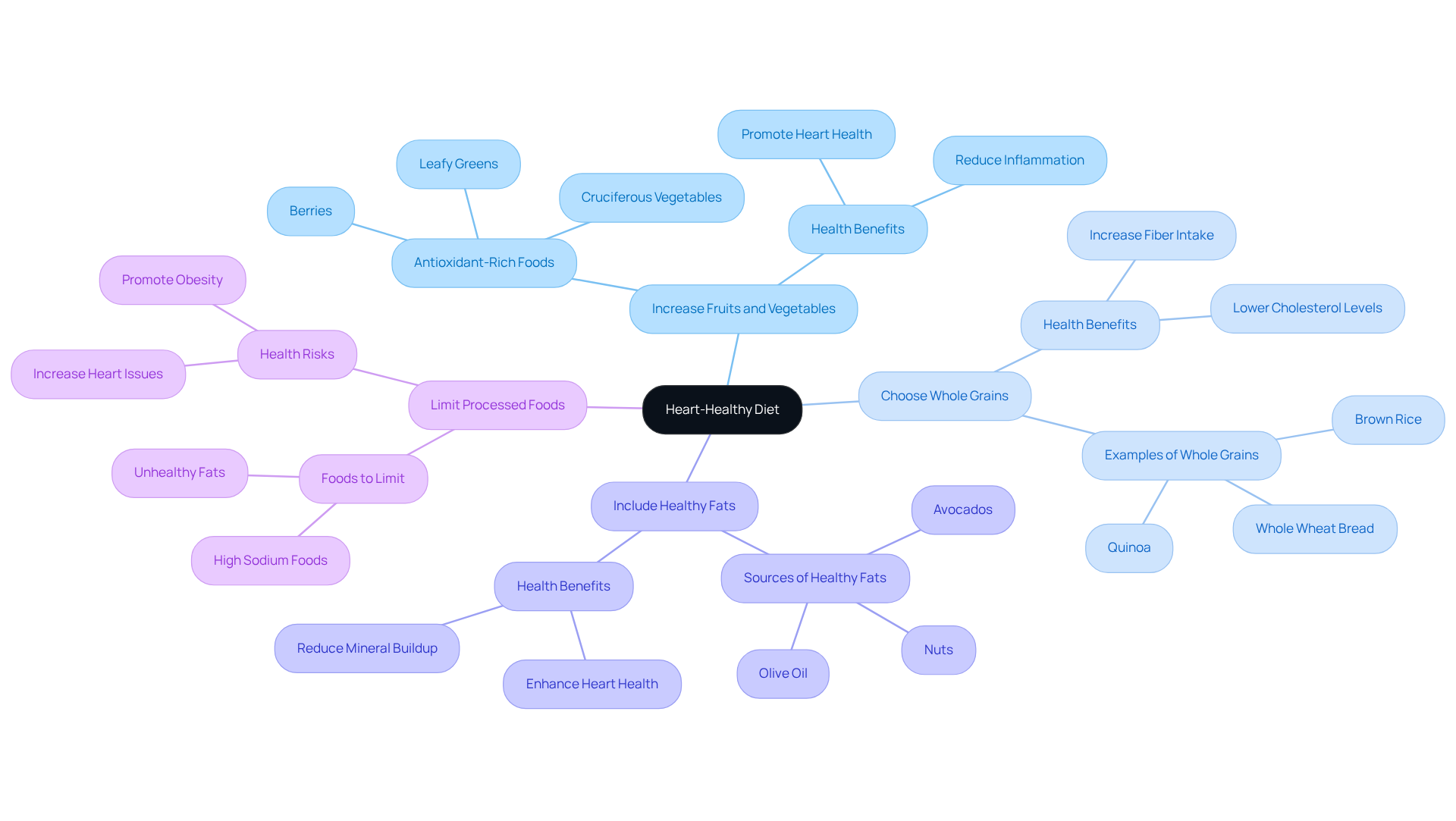
A heart-healthy diet can truly make a difference in your mineral levels and overall well-being. Let’s explore some gentle dietary changes that can support your health:
Remember, making these changes doesn’t have to be overwhelming. Each small step you take can lead to significant improvements in your health. You’re not alone on this journey; support is always available.
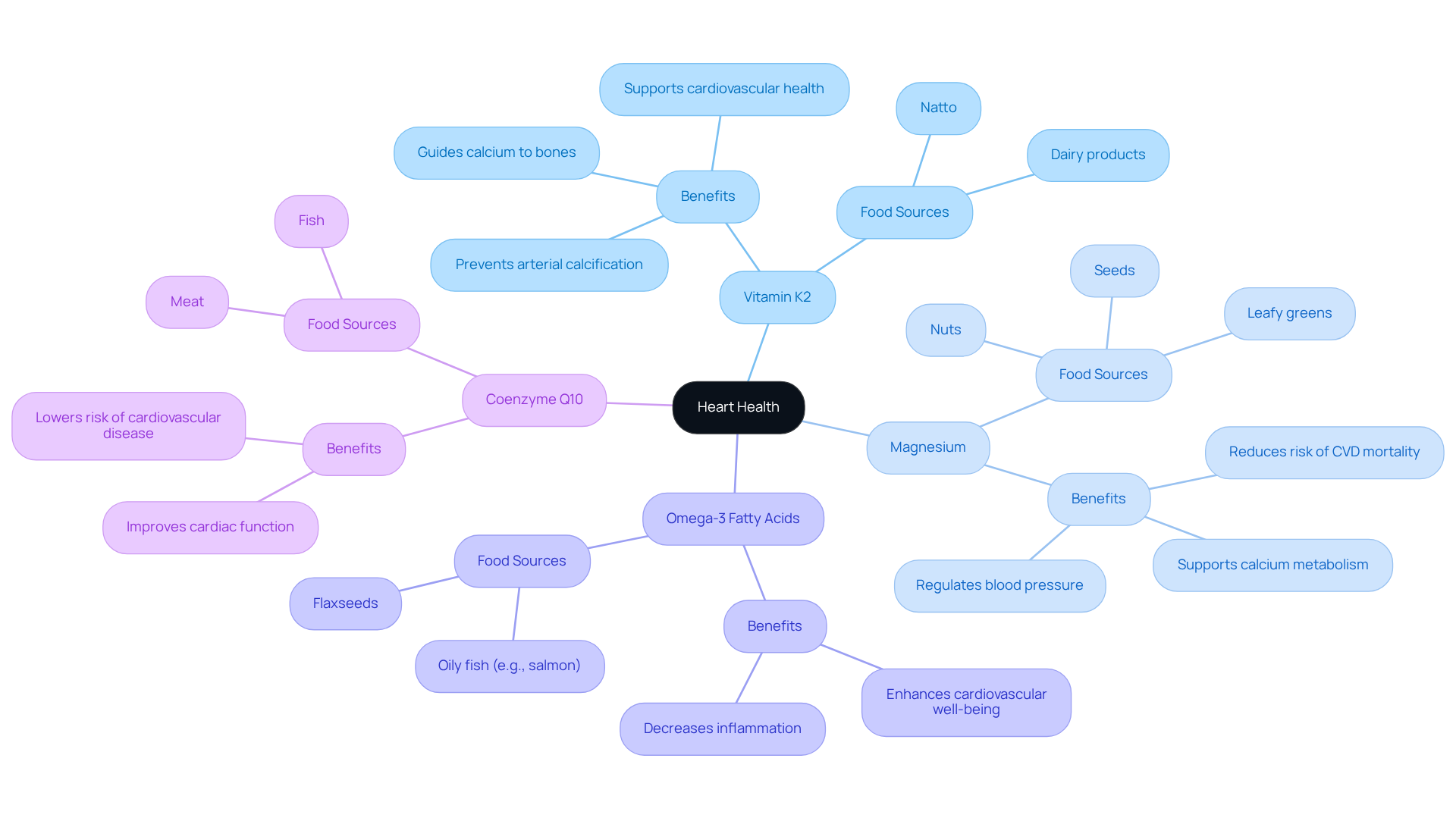
Certain vitamins and supplements can truly health and provide guidance on how to .
Remember, taking care of your heart is a journey, and you don’t have to navigate it alone. If you have any questions or concerns, reaching out for support can make a world of difference.
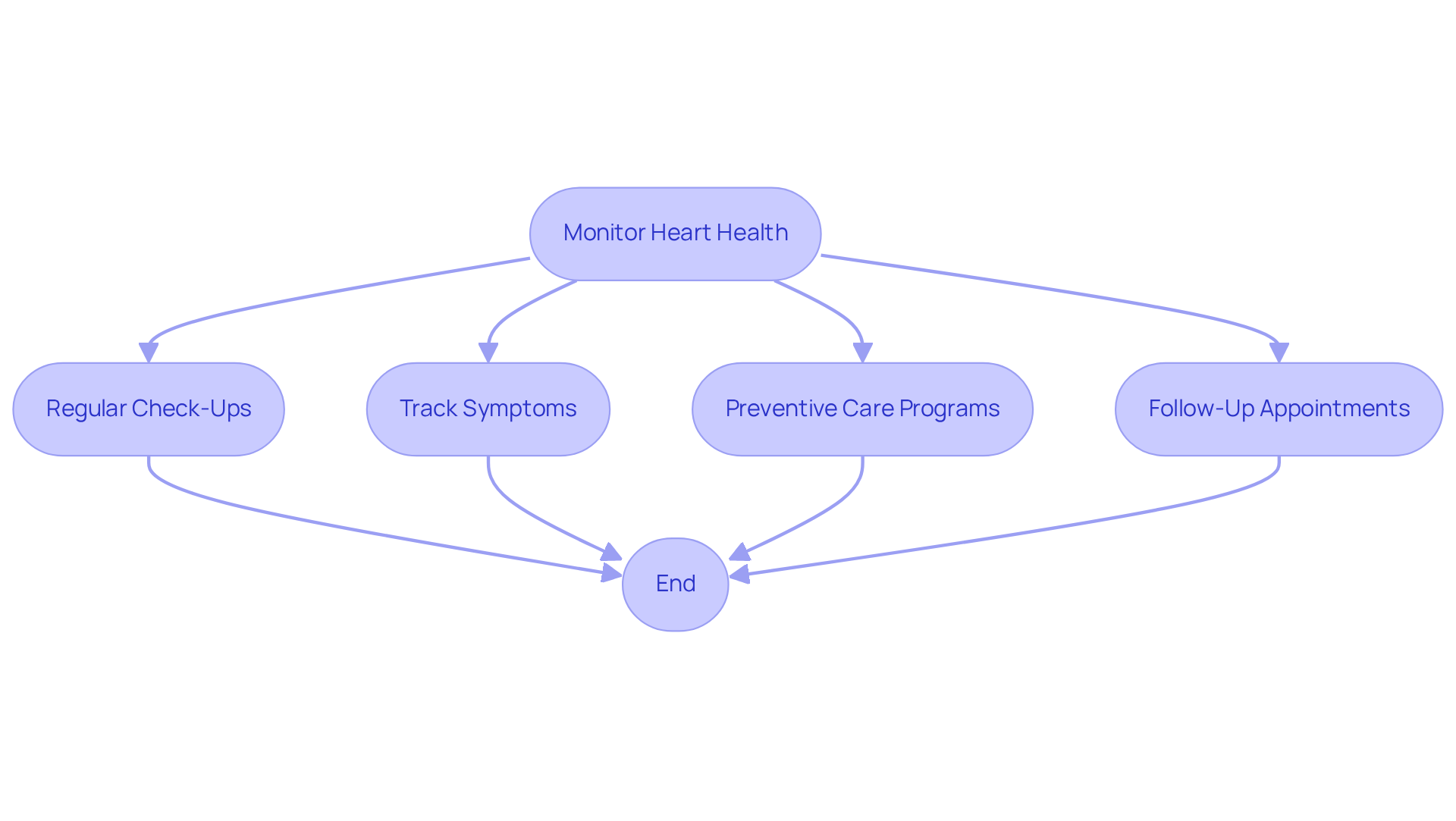
Regular monitoring of your and overall is essential for effective management and prevention of cardiovascular issues.
Are you keeping track of your ? Regular check-ups with your healthcare provider are vital. These appointments allow you to assess your mineral levels and discuss any changes in your health. Cardiologists emphasize that these visits are crucial for early detection and intervention, enabling timely adjustments to your treatment plan.
How often should you get checked? Based on your initial mineral measurement, your physician may suggest repeating the mineral scan every 3-5 years. Current guidelines indicate that patients with a high rating should be monitored more frequently to evaluate any progression in .
Have you noticed any symptoms? It’s important to maintain a detailed record of any heart-related symptoms, such as chest pain or shortness of breath, and report these to your doctor without delay. This proactive approach can significantly impact your treatment outcomes, as can lead to necessary interventions.
Are you taking advantage of ? Engage in , which may include lifestyle counseling, nutritional guidance, and tailored exercise programs. Participating in these initiatives can help you understand how to and enhance your overall cardiovascular condition.
Real-world examples illustrate the benefits of follow-up care. Patients who follow regular monitoring often experience better , leading to improved outcomes and quality of life. By prioritizing follow-up appointments and preventive measures, you can take significant steps toward maintaining your cardiovascular health. Remember, you’re not alone in this journey; support is always available.
Understanding how to lower calcium scores naturally is essential for maintaining optimal heart health. Have you ever felt overwhelmed by health concerns? You're not alone. This guide emphasizes lifestyle modifications that can make a real difference, such as:
Each of these steps plays a critical role in reducing the risk of coronary artery disease and enhancing overall cardiovascular well-being.
In addition to this, key insights from the article highlight the significance of monitoring calcium scores. Incorporating essential vitamins and supplements, like Vitamin K2 and Omega-3 fatty acids, into your diet can also be beneficial. Regular check-ups with healthcare providers ensure that you stay informed about your heart health and can make necessary adjustments to your lifestyle and treatment plans.
Ultimately, prioritizing heart health through informed choices and consistent monitoring can lead to significant improvements in cardiovascular outcomes. Embracing these natural methods not only empowers you to take charge of your health but also fosters a supportive community that encourages ongoing progress. Taking the first step towards a healthier heart can transform lives, making it crucial to act now and commit to these beneficial changes. Remember, you are not alone on this journey; support is always available.
What is a calcium score and why is it important for heart health?
A calcium score is a measurement obtained from a CT scan that assesses the level of calcified plaque in the coronary arteries. It is an important indicator of coronary artery disease (CAD) risk and potential cardiac events.
What do the calcium score ranges indicate?
Calcium scores range from 0 to over 400. A score of 0 indicates no calcified plaque and minimal risk, while scores above 100 suggest significant plaque buildup, which may require lifestyle changes or medical attention.
How do calcium scores correlate with cardiovascular risk?
Studies show that the yearly event rates for cardiovascular incidents increase with higher calcium scores, from 0.1% for a score of 0 to 1.9% for scores over 100. A score of zero is associated with a low incidence of myocardial ischemia.
What lifestyle changes can help lower calcium levels?
Key lifestyle changes include quitting smoking, exercising regularly (aiming for at least 150 minutes of moderate aerobic activity per week), managing stress through techniques like yoga and meditation, and limiting alcohol consumption to moderate levels.
How does smoking affect calcium levels and cardiovascular health?
Smoking is a major risk factor for cardiovascular disease and can accelerate calcium accumulation in arteries. Quitting smoking can significantly improve cardiovascular health.
What types of exercise are recommended to lower calcium levels?
Activities such as brisk walking, swimming, or cycling are recommended. Even short bursts of activity can contribute positively to cardiovascular health.
What role does stress management play in heart health?
Managing stress is important as ongoing stress can negatively impact cardiovascular health. Techniques like yoga, meditation, and deep-breathing exercises can help promote relaxation and improve heart health.
How much alcohol is considered moderate consumption?
Moderate alcohol consumption is defined as up to one drink per day for women and two drinks per day for men.
What is the CardioElite™ program?
The CardioElite™ program is designed to enhance heart health by integrating advanced risk assessment tools, personalized interventions, and comprehensive management tailored to individual needs.