


Abnormal nuclear stress test results can understandably cause anxiety for many individuals. These results often signal potential heart issues that need immediate attention. It’s essential to grasp what these results mean, as they not only guide the next steps in your medical care but also empower you to take charge of your cardiovascular health.
What should you do when faced with such unsettling news? How can you navigate the complex landscape of follow-up care and lifestyle changes? This guide is here to help demystify the nuclear stress test process and provide you with actionable insights for managing abnormal results. We want to ensure that you feel equipped to make informed decisions about your heart health.
In addition to this, remember that you’re not alone in this journey. Many have walked this path and found ways to manage their health effectively. By understanding your results and the steps that follow, you can take proactive measures to support your heart. Let’s explore this together, ensuring you feel supported every step of the way.
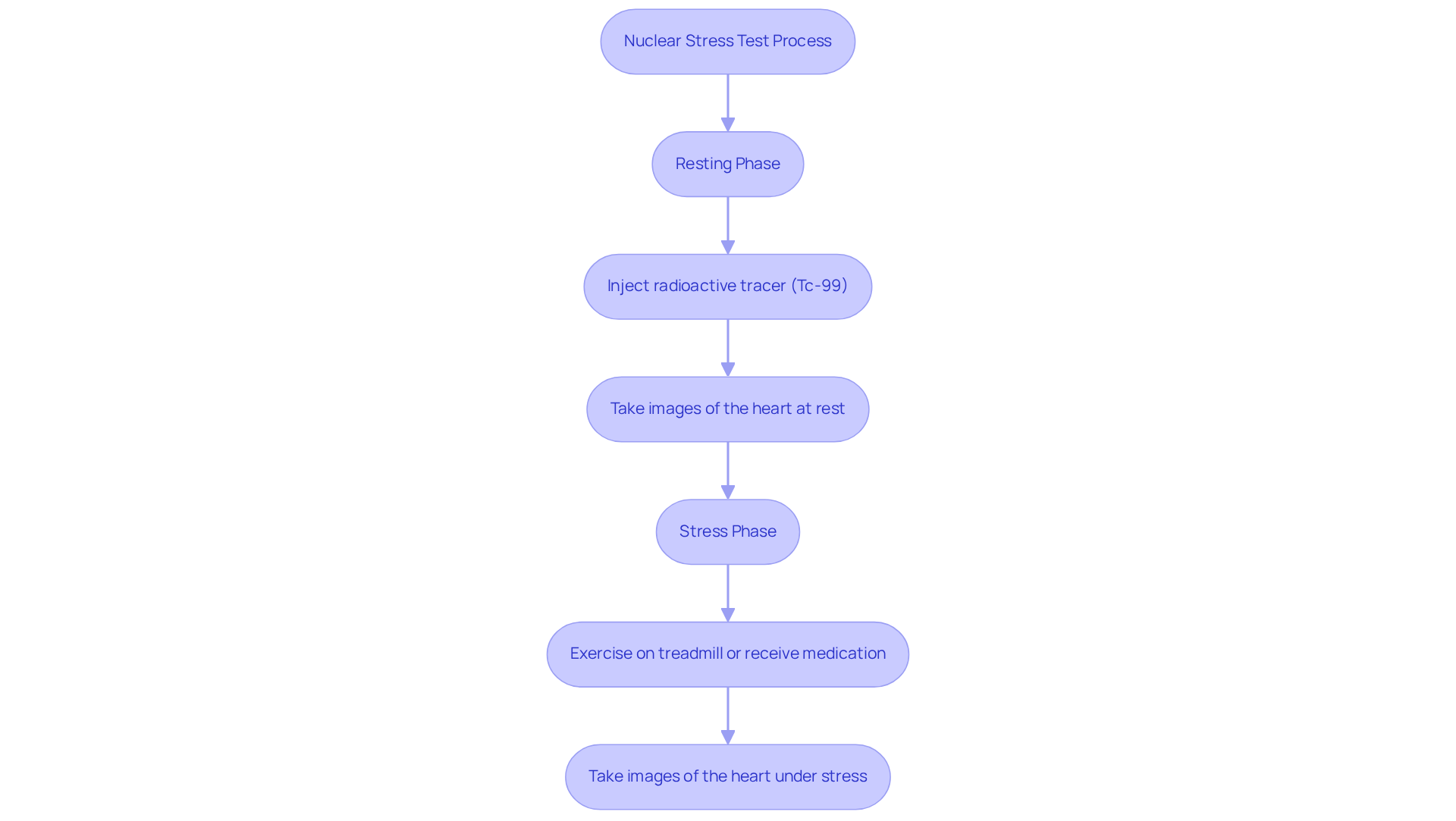
A nuclear stress evaluation is a vital diagnostic procedure that helps assess blood circulation to your heart muscle during both rest and stress. This test is especially beneficial for those at higher risk, such as individuals with diabetes, hypertension, or a family history of heart disease. Let’s break it down into two main phases:
This comparison of blood flow during rest and exertion is crucial for identifying potential heart issues, like [coronary artery disease](https://verywellhealth.com/nuclear-stress-test-overview-4172096). With around 10 million performed each year in the U.S., understanding this procedure empowers you to take an active role in your healthcare journey.
At Amavita Heart and Vascular Health®, we believe that your cardiac care should revolve around your life, not just your condition. Our preventive cardiology approach combines advanced risk evaluation tools with personalized interventions to significantly lower your risk of a cardiac event. It’s important to note that the radiation exposure from a nuclear stress evaluation is about 11 millisieverts, which is roughly three times the yearly dose from everyday life. We also want you to be aware of preparation guidelines, including dietary restrictions and medication management, to ensure you get the most accurate results.
Real-world examples show that abnormal nuclear stress test results might indicate previous heart damage, while normal images suggest a low likelihood of coronary artery disease. However, it’s essential to consider potential risks associated with the examination, such as cardiac arrhythmias and allergic reactions. Engaging with this information can help you navigate your cardiac care more effectively, especially when thinking about [personalized treatment plans](https://amavita.health/blog/10-essential-self-care-tips-for-coronary-artery-disease-management) tailored to your unique conditions and lifestyle.
Remember, you’re not alone in this journey. We’re here to support you every step of the way.
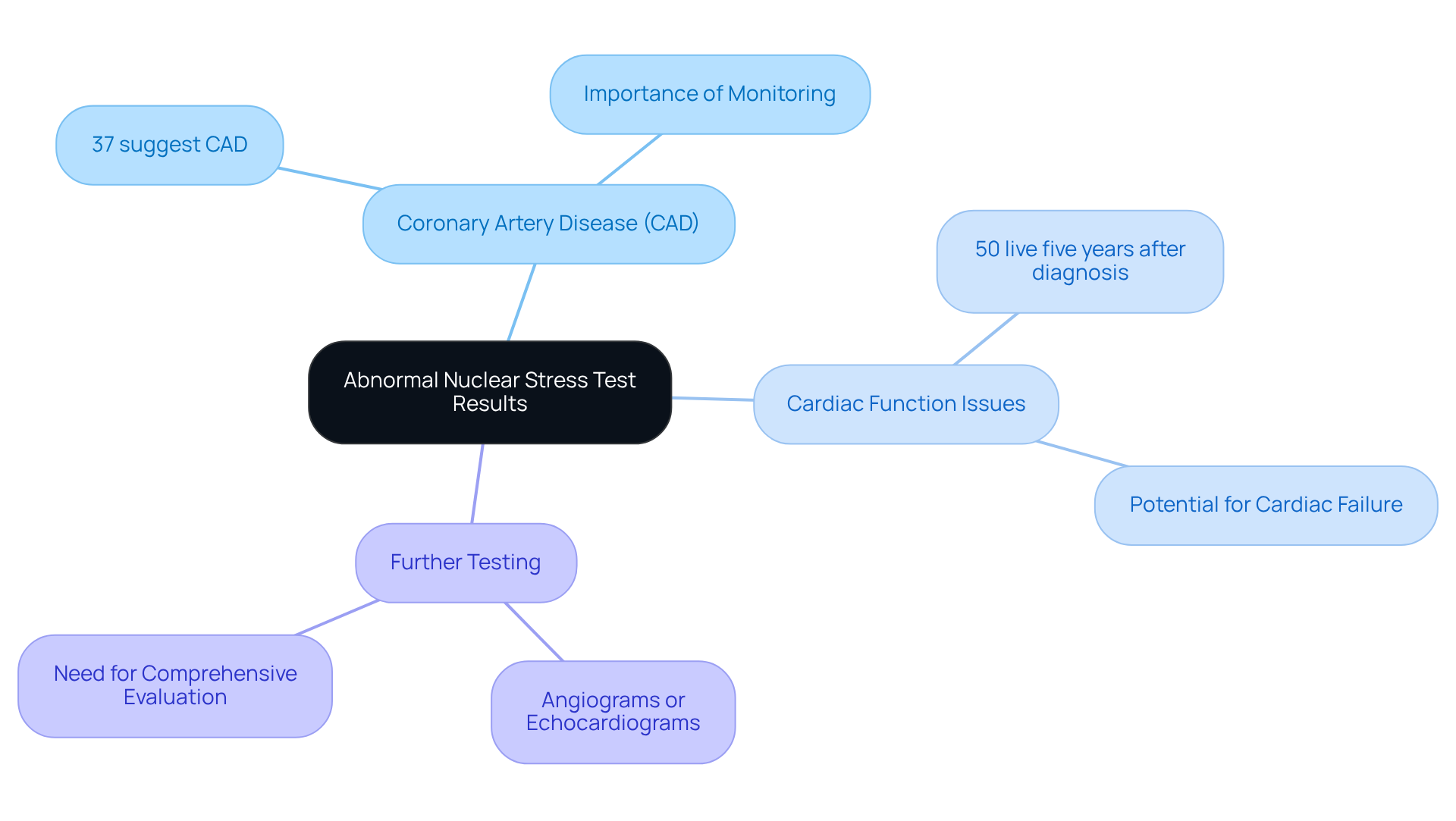
Abnormal nuclear stress test results can indicate unusual outcomes from a nuclear stress evaluation, raising concerns about blood circulation to the heart muscle and often pointing to underlying cardiovascular issues. Understanding these implications is crucial for your heart health. Here are some common outcomes:
Recognizing these implications is vital, as it underscores the urgency of follow-up care and the importance of proactive heart health management. Experts agree that timely diagnosis and treatment can greatly improve outcomes for those at risk of coronary artery disease. At Amavita, we are committed to providing the comprehensive care you need to navigate these challenges with confidence and support.
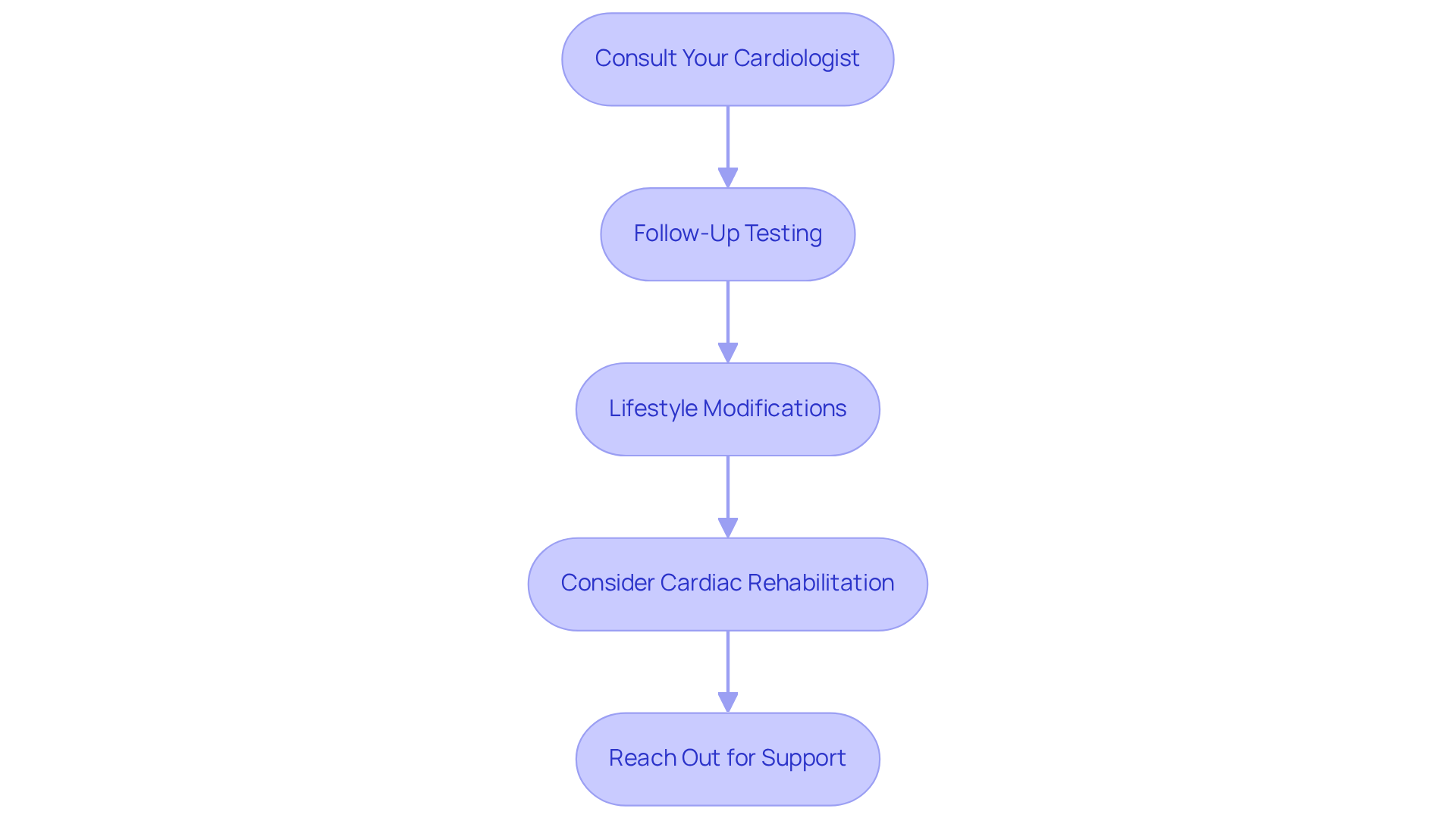
After receiving abnormal nuclear stress test results, it’s natural to feel concerned about your cardiovascular health. Here are some important steps you can take to ensure you’re managing your health effectively:
Taking these steps is essential for effectively managing your cardiovascular health. Remember, you’re not alone in this journey; reaching out for support is a sign of strength, and there are resources available to help you every step of the way.
If you’re feeling uncertain about your abnormal nuclear stress test results, remember that you’re not alone. There are various resources available to support you on your journey toward better heart health:
Utilizing these can help you feel more informed and supported. Remember, reaching out for help is a strong step toward taking charge of your health.

Understanding how to respond to abnormal nuclear stress test results is crucial for anyone concerned about their heart health. It’s natural to feel anxious when faced with such findings, but being proactive and informed can make a significant difference. By recognizing what these results mean and taking the right steps, you can enhance your cardiovascular care and overall well-being.
Let’s explore some key points together. The nuclear stress test process is designed to assess how well your heart functions under stress. If results come back abnormal, it may indicate conditions like coronary artery disease. This is why follow-up testing and lifestyle modifications are so important. Consulting with healthcare professionals can provide clarity and guidance, ensuring you receive comprehensive care tailored to your needs.
Engaging in cardiac rehabilitation and making informed lifestyle changes can lead to improved heart health outcomes. Have you considered how small adjustments in your daily routine could positively impact your heart? Every step you take towards better health is a step worth celebrating.
Ultimately, taking charge of your cardiovascular health is a shared journey. By understanding the significance of abnormal nuclear stress test results and seeking the right support, you empower yourself to make informed decisions about your health. Whether it’s reaching out to a cardiologist or tapping into community resources, remember that you’re not alone. Each action you take is a step toward a healthier heart and a brighter, more informed future.
What is a nuclear stress test?
A nuclear stress test is a diagnostic procedure that evaluates blood circulation to the heart muscle during both rest and stress, helping identify potential heart issues like coronary artery disease.
Who should consider undergoing a nuclear stress test?
Individuals at higher risk, such as those with diabetes, hypertension, or a family history of heart disease, should consider undergoing a nuclear stress test.
What are the two main phases of a nuclear stress test?
The two main phases are the Resting Phase, where a radioactive tracer is injected to take images of the heart at rest, and the Stress Phase, where the patient either exercises or receives medication to mimic exercise effects, followed by additional imaging.
What is the purpose of comparing blood flow during rest and stress?
Comparing blood flow during rest and stress is crucial for identifying potential heart issues, as it helps determine how well blood flows to the heart under different conditions.
How many nuclear stress evaluations are performed each year in the U.S.?
Approximately 10 million nuclear stress evaluations are performed each year in the U.S.
What is the radiation exposure from a nuclear stress evaluation?
The radiation exposure from a nuclear stress evaluation is about 11 millisieverts, which is roughly three times the yearly dose from everyday life.
Are there any preparation guidelines for a nuclear stress test?
Yes, there are preparation guidelines that include dietary restrictions and medication management to ensure the most accurate results.
What do abnormal nuclear stress test results indicate?
Abnormal nuclear stress test results may indicate previous heart damage, while normal images suggest a low likelihood of coronary artery disease.
What are some potential risks associated with a nuclear stress test?
Potential risks include cardiac arrhythmias and allergic reactions.
How can understanding the nuclear stress test process help patients?
Understanding the nuclear stress test process empowers patients to take an active role in their healthcare journey and navigate their cardiac care more effectively, especially when considering personalized treatment plans.