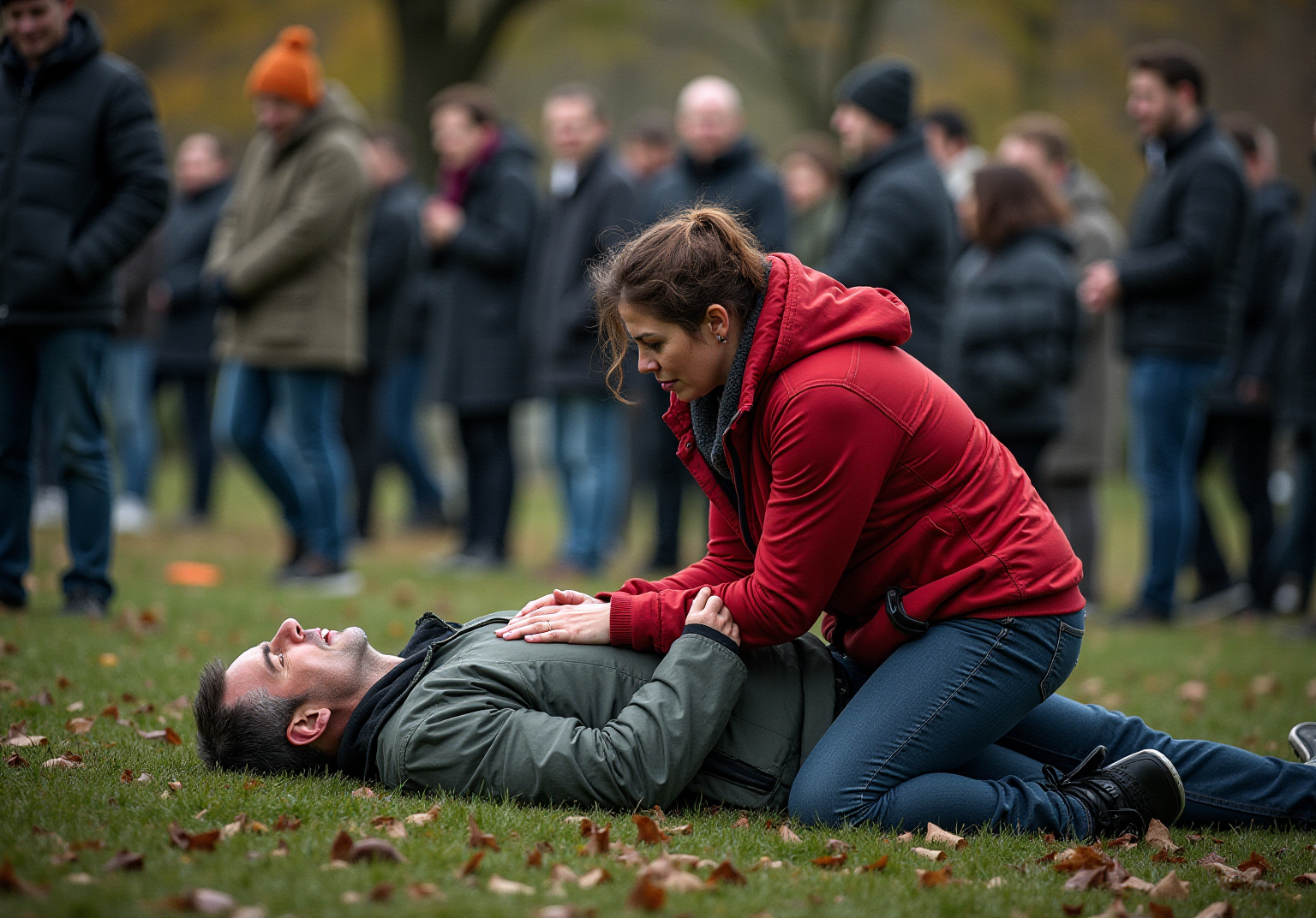


Recognizing the signs of cardiac arrest can truly be a matter of life and death. Yet, many people find themselves unsure of how to respond in those critical moments. This guide aims to gently walk you through the vital steps needed to restart the heart, highlighting the importance of acting swiftly and using proper techniques, like an Automated External Defibrillator (AED).
But what happens when every second counts? Understanding how to act decisively can make all the difference for someone in distress. It’s natural to feel anxious or hesitant in such situations, but remember, you’re not alone. With the right knowledge and support, you can be prepared to help save a life.
Recognizing the is crucial, especially for those at higher risk, such as the elderly or individuals with diabetes, hypertension, or a family history of heart conditions. Here are some key indicators to watch for:
Recognizing these signs quickly can truly save a life. Did you know that only about one in ten victims of survive? This statistic underscores the importance of acting swiftly. Healthcare professionals stress that , including , can greatly enhance survival rates. For instance, one survivor shared that bystander CPR, which involves , was the key difference between life and death in their situation. Additionally, factors like of .
Understanding these symptoms and acting promptly can make all the difference in an emergency. At Amavita Heart and Vascular Health, we’re here to support you. Our and comprehensive evaluations are designed to help identify and manage these risks effectively. We also emphasize the importance of through diet and exercise. Remember, you’re not alone in this journey; we’re here to help you every step of the way.

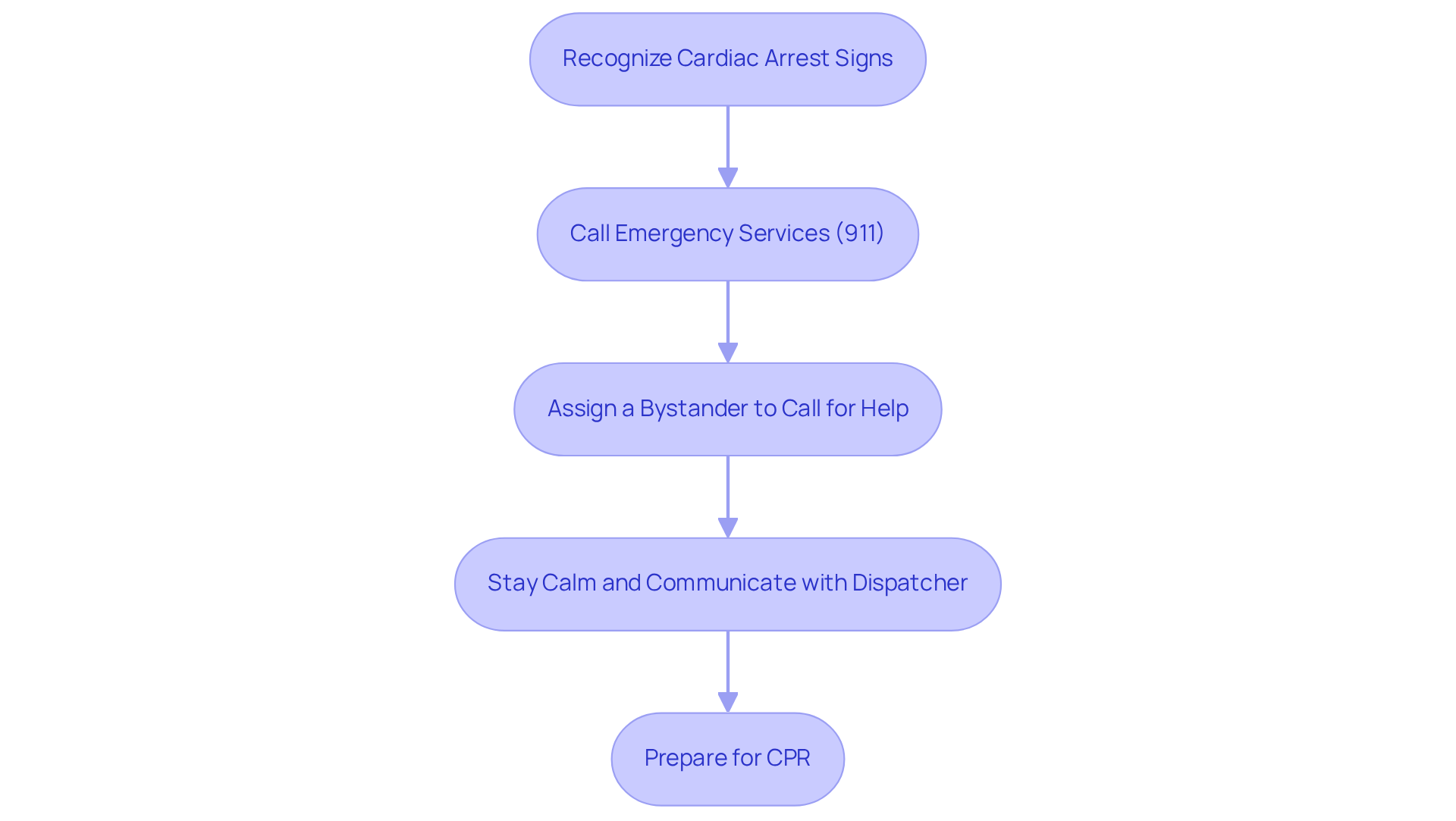
Recognizing the signs of is crucial, and acting immediately can make all the difference:
is a critical procedure in . Prepare for : While waiting for help, get ready to . Make sure the area is safe and that the person is lying on a firm, flat surface.
A can significantly increase the . Remember, you’re not alone in this; help is on the way.
Experiencing a can be frightening, but knowing how to use an can truly be a lifesaver. Here are some to guide you through this critical situation:
Using an AED in those first moments of restarting the heart can greatly enhance . Research shows that having can successfully. For instance, studies reveal that survival rates can soar to 74% when an AED is used within the first three minutes of restarting the heart during a event. Real-life stories highlight how AEDs have saved lives, like the time a bystander revived a at a public gathering using an AED. This underscores the and knowing how to use these devices. Remember, you’re not alone in this; being informed and ready can make all the difference.

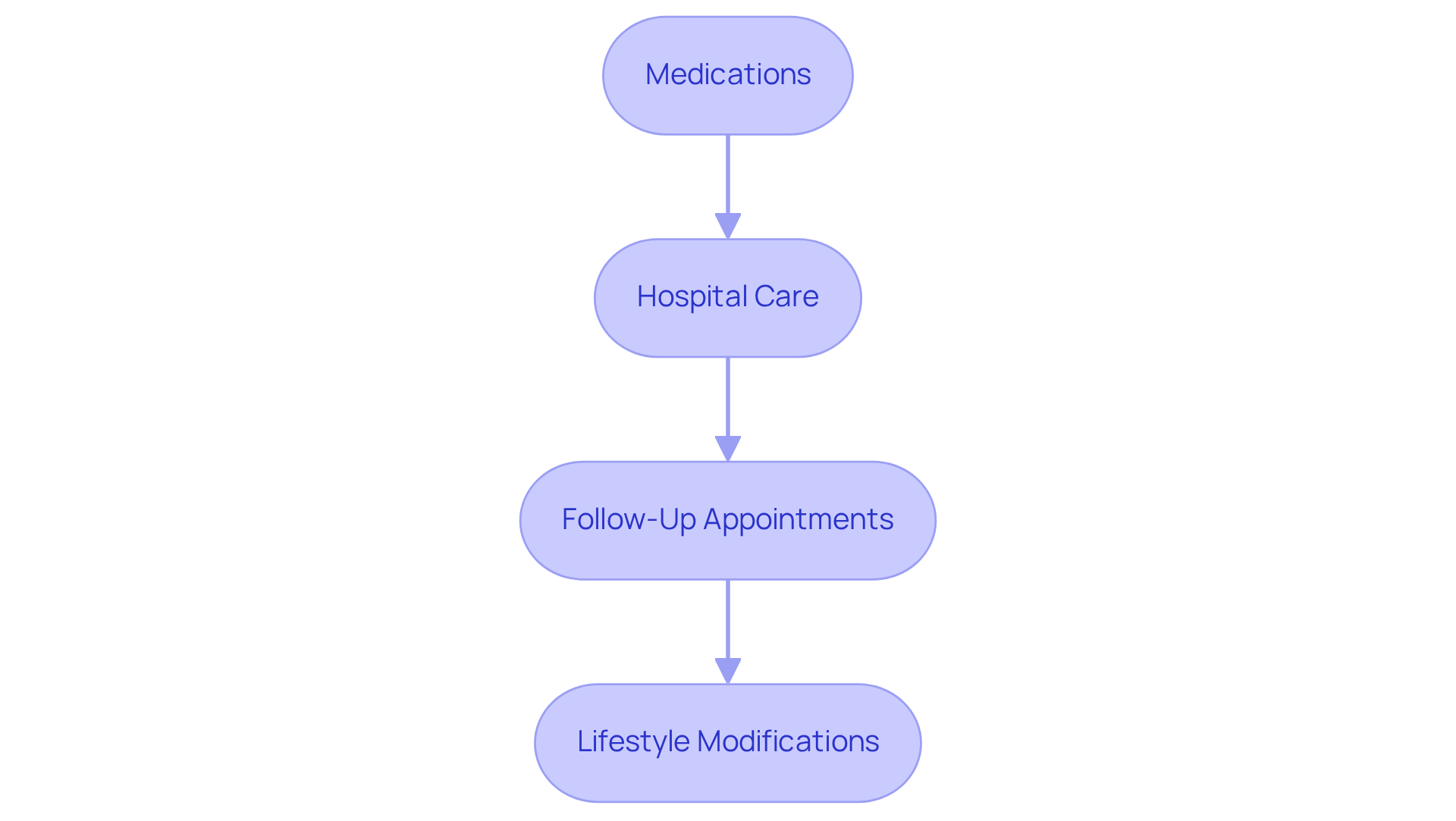
After a successful resuscitation, which involves restarting the heart, . It’s important to understand the steps that can help you or your loved one on this journey:
The importance of follow-up care cannot be overstated; it plays a vital role in improving recovery outcomes and enhancing the quality of life for patients after restarting the heart. Remember, you’re not alone in this journey-support is available, and taking these steps can lead to a healthier future.
Recognizing and responding to cardiac arrest is a vital skill that can truly save lives. It’s essential to identify the signs of heart failure-like sudden collapse, lack of breathing, unresponsiveness, and changes in skin color. These indicators play a crucial role in ensuring timely intervention. Acting swiftly means not only calling emergency services but also being ready to perform CPR and using an Automated External Defibrillator (AED) when one is available. These steps can significantly improve the chances of survival for someone experiencing cardiac arrest.
In this article, we’ve outlined key actions, highlighting the importance of:
Moreover, we stress the significance of follow-up care and lifestyle changes after resuscitation, which are vital for long-term health and recovery. Engaging in these practices can lead to better outcomes and an enhanced quality of life for survivors.
Ultimately, being informed and prepared can make a profound difference in emergency situations. Have you considered how education on cardiac arrest response and the availability of AEDs in public spaces can empower our communities? Taking these steps not only boosts individual readiness but also nurtures a culture of awareness and support that can save lives. Together, we can make a difference.
What are the key signs of cardiac arrest to recognize?
Key signs of cardiac arrest include sudden collapse, no breathing or only gasping, unresponsiveness, and pale or bluish skin.
Why is it important to recognize the signs of cardiac arrest?
Recognizing the signs of cardiac arrest is crucial because timely action can save a life. Only about one in ten victims of sudden heart failure survive, so quick recognition and response are vital.
What should you do if you suspect someone is experiencing cardiac arrest?
If you suspect someone is experiencing cardiac arrest, check if they are breathing and responsive. If they are not breathing or unresponsive, call for help and begin CPR if trained to do so.
Who is at higher risk for cardiac arrest?
Individuals at higher risk for cardiac arrest include the elderly, those with diabetes, hypertension, and those with a family history of heart conditions. Advanced age and being male also increase the risk.
How can bystander CPR impact survival rates in cardiac arrest cases?
Bystander CPR can greatly enhance survival rates in cardiac arrest cases, as it may be the key difference between life and death for a victim.
What services does Amavita Heart and Vascular Health provide?
Amavita Heart and Vascular Health offers advanced imaging, comprehensive evaluations, and support for identifying and managing heart health risks. They also emphasize the importance of maintaining heart health through diet and exercise.