


Tachycardia, which is when your heart beats faster than 100 times a minute, is more than just a number; it can indicate health issues that need your attention. There are different types, like Atrial Fibrillation and Ventricular Tachycardia, and understanding these nuances is essential for managing and preventing complications. Many people find it challenging to recognize symptoms or identify triggers, which can lead to feelings of uncertainty and anxiety about their heart health.
How can you navigate the complexities of tachycardia and take steps to protect your cardiovascular well-being? It’s important to know that you’re not alone in this journey. By learning more about your condition and seeking support, you can gain confidence in managing your heart health. Remember, understanding is the first step towards taking control.
Tachycardia, defined as a pulse rate exceeding 100 beats per minute, encompasses various types, each carrying its own health implications. Understanding these types can be crucial for your well-being. Here are some key forms:
is vital for timely intervention. Cardiologists stress that that needs ongoing management. If left untreated, it can lead to severe complications, including a fivefold increased risk of stroke. Understanding these forms of tachycardia not only helps you recognize symptoms but also illustrates . Remember, taking action can significantly reduce risks and enhance your overall , particularly in learning how to stop tachycardia. You’re not alone in this journey; support is available, and it’s never too late to reach out for help.

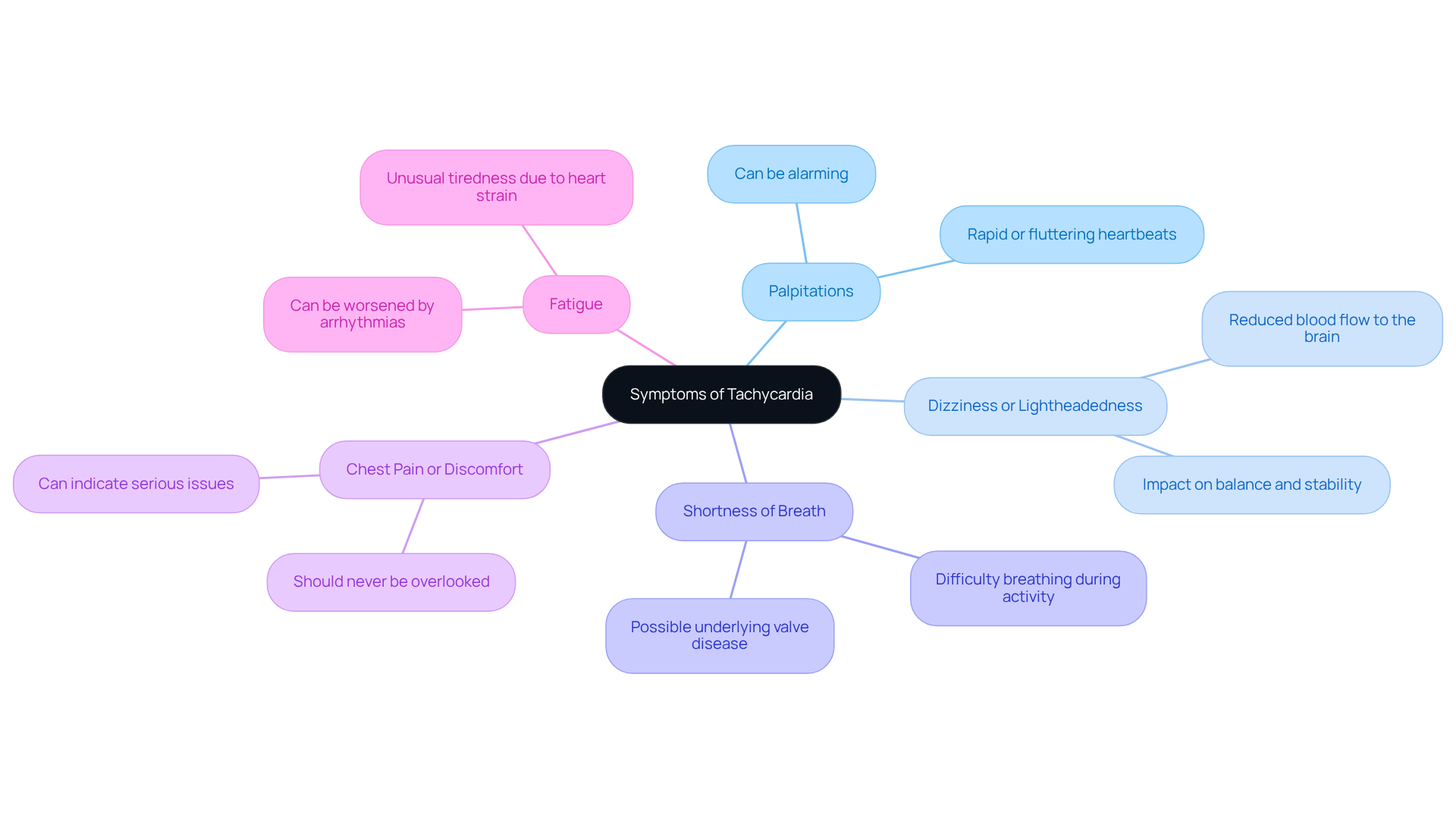
Tachycardia can show itself through several common symptoms that deserve your attention:
Recognizing these symptoms early is vital for through and intervention. Cardiologists emphasize that understanding these signs can lead to , ultimately improving patient outcomes. At Amavita Cardiac and Vascular Health, we offer and advanced therapies for both and , including our CardioElite™ program, designed to enhance proactive patient management.
Real-life stories show how individuals have successfully identified and addressed their conditions, highlighting the importance of being attentive to your cardiovascular health. Recent studies also indicate a strong link between dizziness and rapid heart rate, underscoring the importance of knowing how to stop tachycardia when these symptoms arise. Remember, you’re not alone in this journey; we’re here to support you every step of the way.
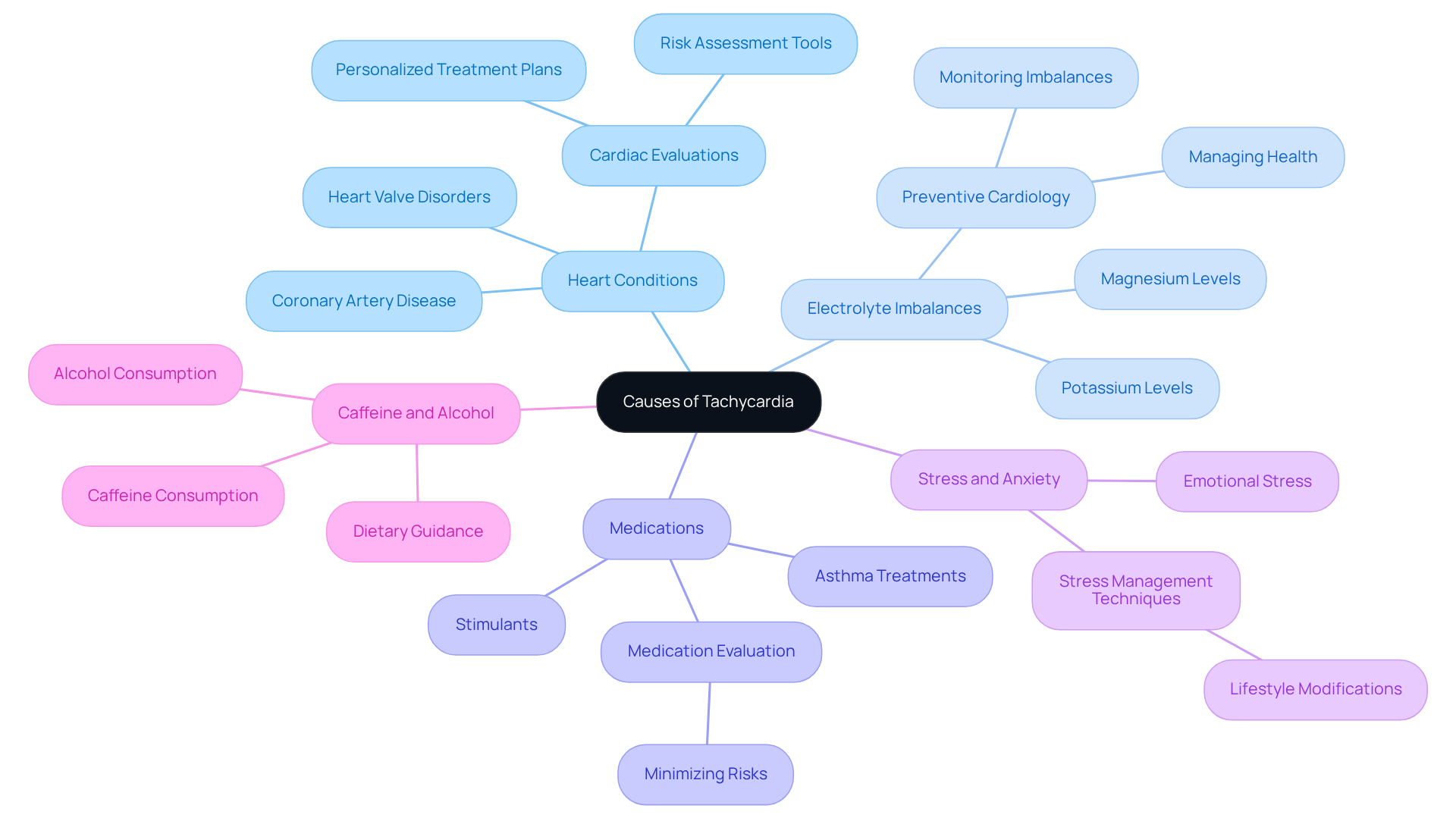
Tachycardia can be concerning, and it's important to learn by understanding the factors that can lead to an increased pulse rate. Here are some key causes to consider:
Recognizing these factors is crucial for developing a tailored care strategy that meets your unique health needs and promotes better cardiovascular well-being. As Dr. Sarah Daglis reminds us, "Tachycardia is defined as a resting heart rate above 100 bpm," highlighting the importance of monitoring heart rates, particularly in elderly patients who may be more vulnerable to these influences. At Amavita, we are dedicated to enhancing cardiac care through our , which improves patient management and reduces readmissions, ensuring you receive the best possible support on your health journey.
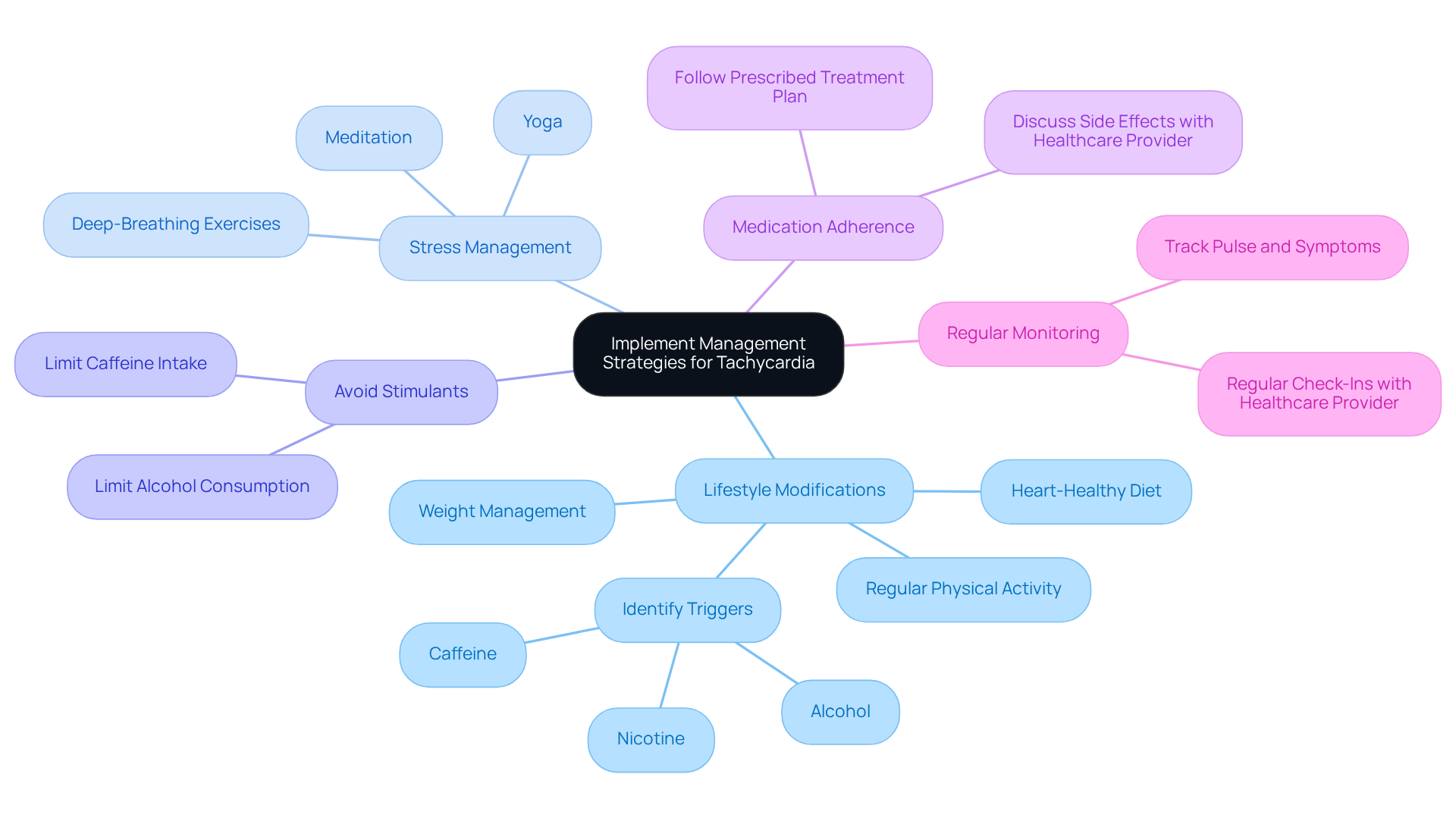
Managing tachycardia can feel overwhelming, but there are compassionate strategies you can embrace to understand how to stop tachycardia and take control of your .
Lifestyle Modifications: Start by adopting a filled with fruits, vegetables, whole grains, and lean proteins. and maintaining a healthy weight are vital for your overall . It’s also important to be aware of specific triggers that can lead to a rapid heart rate, such as caffeine, nicotine, and alcohol. more effectively.
: Have you considered incorporating stress-reducing techniques into your daily routine? Practices like yoga, meditation, and deep-breathing exercises can significantly lower stress levels and enhance your heart’s rhythm stability. Remember, acknowledging that stress and anxiety can is a crucial step in managing your condition.
Avoid Stimulants: It’s wise to limit your intake of caffeine and alcohol, as these can exacerbate tachycardia symptoms. Being mindful of what you consume can lead to better outcomes.
Medication Adherence: Following your prescribed treatment plan is essential. If you experience any side effects or have concerns, don’t hesitate to discuss them with your healthcare provider. Many individuals with rapid heart rates find that with the right medical care—whether through medications or procedures—they can manage their condition effectively.
Regular Monitoring: Keeping an eye on your pulse and any symptoms you notice is important. If you observe significant changes, reach out to your doctor. Regular check-ins with your healthcare provider are key to effectively managing your condition.
By adopting these strategies, you can take meaningful steps toward understanding how to stop tachycardia and enhancing your overall heart health. Remember, you’re not alone in this journey; support is always available.
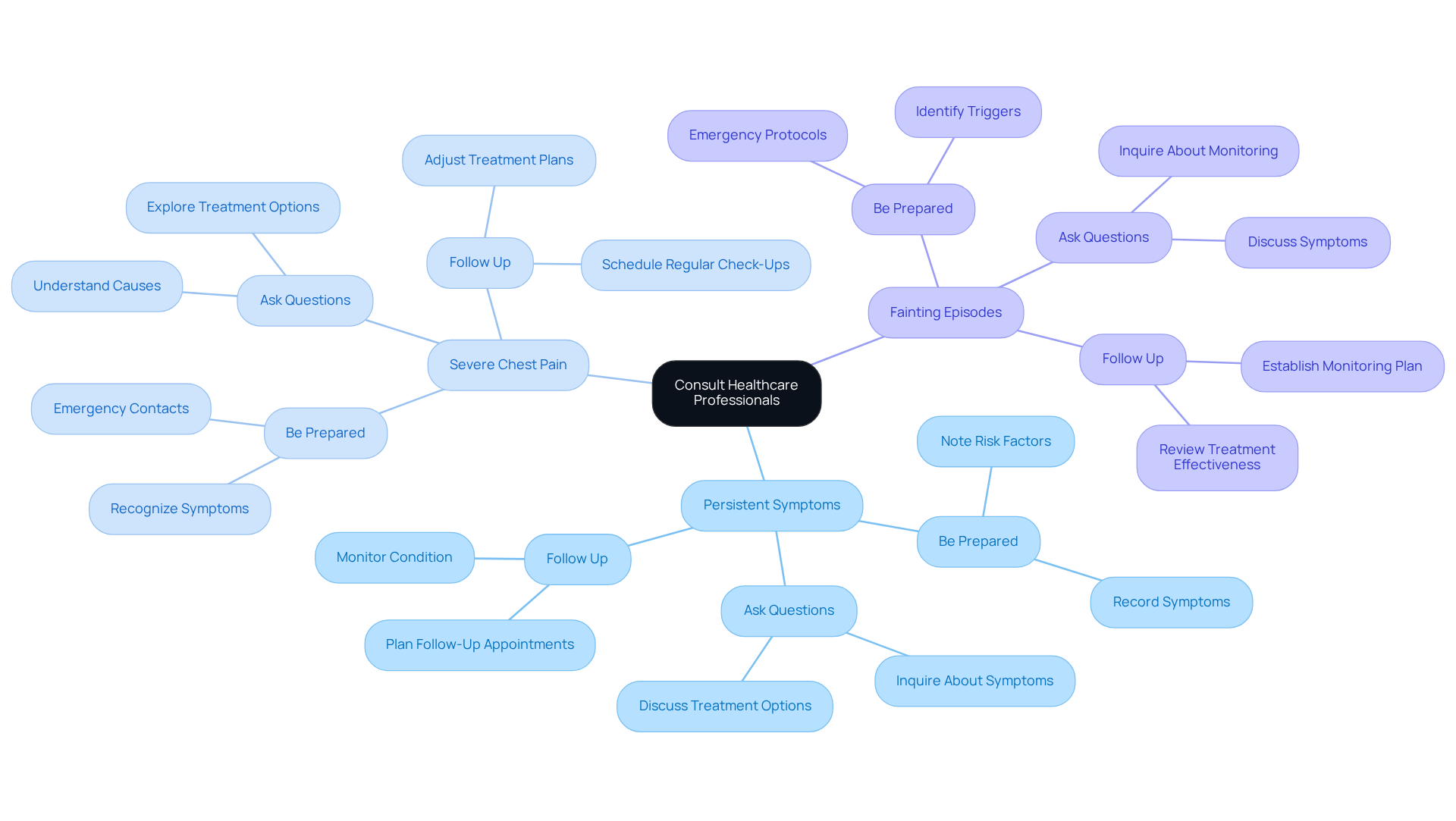
If you’re experiencing any of the following, it’s important to consult a healthcare professional:
When you consult a healthcare provider, consider the following:
Effective communication with healthcare professionals is key to learning successfully. By sharing your ongoing issues and actively participating in your care, you can significantly improve your heart health. Real-life examples of patients who have effectively communicated their symptoms show improved outcomes, reinforcing the .
Understanding and managing tachycardia is crucial for maintaining heart health and enhancing your overall well-being. Have you noticed symptoms like palpitations, dizziness, or shortness of breath? These can be signs of tachycardia, and recognizing them is the first step toward taking control of your heart health. This article has explored the various types of tachycardia, their symptoms, causes, and effective management strategies. By understanding these factors, you can take proactive steps to address your heart health and seek appropriate medical intervention when necessary.
It's important to explore the causes of tachycardia, which can include:
This highlights the multifaceted nature of this condition. Implementing lifestyle modifications, managing stress, and adhering to prescribed treatments can significantly impact your ability to control tachycardia effectively. Remember, small changes can lead to big improvements in your health.
Ultimately, taking charge of your heart health involves a comprehensive approach. This includes:
You are encouraged to be proactive in your health journey. Timely intervention and informed decision-making can lead to better outcomes. Embracing these essential steps not only aids in managing tachycardia but also promotes a healthier, more vibrant life. You deserve to feel your best, and taking these steps can help you achieve that.
What is tachycardia?
Tachycardia is defined as a pulse rate exceeding 100 beats per minute and encompasses various types, each with its own health implications.
What are the main types of tachycardia?
The main types of tachycardia include Atrial Fibrillation (AFib), Supraventricular Tachycardia (SVT), and Ventricular Tachycardia. Each type has different characteristics and health risks.
What is Atrial Fibrillation (AFib)?
Atrial Fibrillation (AFib) is a common condition characterized by an irregular and often rapid heartbeat, which significantly increases the risk of blood clots, stroke, and heart failure.
How prevalent is Atrial Fibrillation (AFib)?
Projections suggest that over 12 million people in the U.S. will be diagnosed with AFib annually by 2030.
What is Supraventricular Tachycardia (SVT)?
Supraventricular Tachycardia (SVT) arises above the heart's ventricles and can cause symptoms like palpitations and dizziness. Recent treatments, such as the FDA-approved Rapiblyk, offer new management options.
What is Ventricular Tachycardia?
Ventricular Tachycardia originates from the heart's ventricles and can be life-threatening, requiring immediate medical attention.
What are common symptoms of tachycardia?
Common symptoms of tachycardia include palpitations, dizziness or lightheadedness, shortness of breath, chest pain or discomfort, and fatigue.
Why is it important to recognize the symptoms of tachycardia?
Recognizing the symptoms early is vital for timely medical evaluation and intervention, which can help manage tachycardia effectively and reduce health risks.
What should you do if you experience symptoms of tachycardia?
If you experience symptoms of tachycardia, it is important to seek timely medical evaluation to understand how to stop tachycardia and improve your heart health.
What resources are available for managing tachycardia?
Comprehensive assessments and advanced therapies for arrhythmias and valve disorders are available, such as the CardioElite™ program at Amavita Cardiac and Vascular Health, aimed at enhancing proactive patient management.