Introduction
Bradycardia, which is when your resting heart rate falls below 60 beats per minute, can raise some important questions about your cardiovascular health. For instance, what does it mean if your pulse is at 54 beats per minute? Understanding the nuances of low heart rates is crucial. While some individuals, like athletes, may have naturally lower heart rates, for others, it could signal serious health concerns.
So, what signs should you be aware of to determine if your low heart rate is a cause for concern? And when is it essential to seek medical attention? These questions are vital, and exploring them can empower you to take charge of your heart health. Remember, you’re not alone in this journey; seeking help and understanding is a strong step towards ensuring your well-being.
Define Low Heart Rate: What is Bradycardia?
Bradycardia is defined as a resting pulse of fewer than 60 beats per minute (bpm), which raises the question, is 54 a low heart rate? While a normal resting heart rate for adults typically ranges from 60 to 100 bpm, it’s important to understand that bradycardia can occur in various contexts that might concern you:
- Normal Variants: Many athletes have lower resting heart rates due to their enhanced cardiovascular efficiency. Some trained individuals may even have rates below 60 bpm, leading to the inquiry of whether 54 is a low heart rate without experiencing any negative effects.
- Pathological Conditions: Certain health conditions, like cardiac block or sick sinus syndrome, as well as specific medications, can lead to bradycardia. For instance, medications such as beta-blockers and calcium channel blockers may lower your pulse rate, which is why careful monitoring is essential.
- Age-Related Changes: Bradycardia is particularly common among older adults. As we age, degenerative changes in the heart's conduction system can lead to a slower heart rate. In fact, about 0.5% to 2.0% of the global population experiences this, with a notable increase in those aged 65 and older.
Understanding these differences is crucial for recognizing when a low pulse might indicate a health concern, such as when asking, is 54 a low heart rate? Cardiologists emphasize that while some individuals may naturally have lower pulse rates, ongoing slow cardiac activity can lead to serious complications, such as fatigue, confusion, or even fainting. Regular check-ups at Amavita Heart and Vascular Health® are vital for monitoring your cardiovascular health, especially as you age, to prevent potential risks associated with low pulse levels.
As Dr. Fred M. Kusumoto wisely noted, treatment decisions should always reflect your personal goals and preferences. Remember, you’re not alone in this journey, and seeking help is a positive step towards better health.

Identify Symptoms of Bradycardia to Watch For
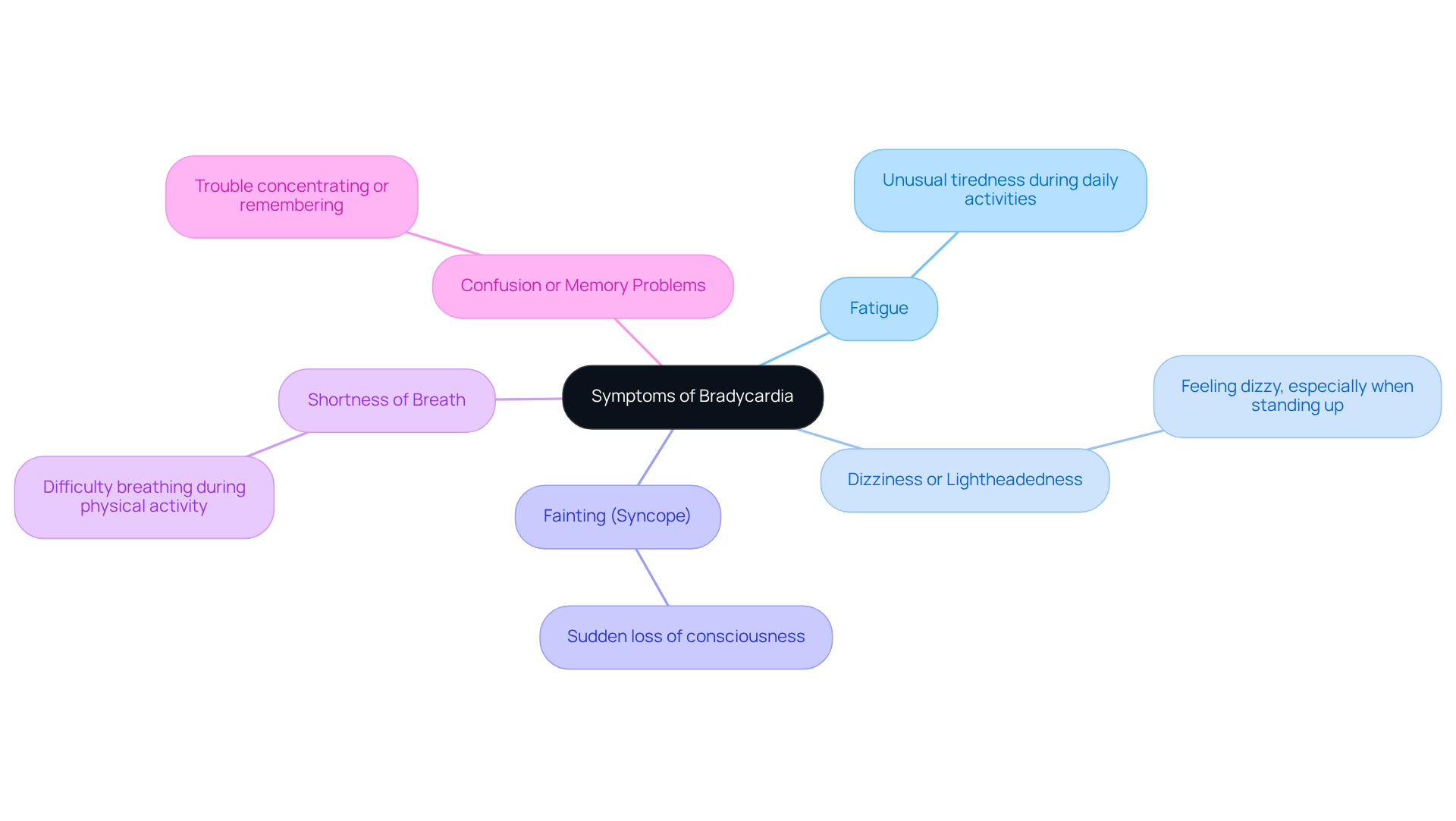
If you’re experiencing bradycardia, it’s important to be aware of some common symptoms that may arise:
- Fatigue: Feeling unusually tired during your daily activities can be a sign of inadequate blood flow, often linked to a low heart rate. It’s natural to feel concerned about this.
- Dizziness or Lightheadedness: If you find yourself feeling dizzy, especially when standing up, it might suggest decreased blood circulation to your brain. This is a common issue with a slow heart rate, particularly regarding whether is 54 a low heart rate, and it’s worth noting.
- Fainting (Syncope): A sudden loss of consciousness can be alarming and is a critical symptom to keep an eye on. If this happens, please seek help immediately.
- Shortness of Breath: Difficulty breathing, particularly during physical activity, can occur when your heart struggles to pump effectively. It’s essential to listen to your body. Any discomfort or pain in your chest area should not be overlooked, particularly when considering if 54 is a low heart rate.
- Confusion or Memory Problems: If you’re having trouble concentrating or remembering things, it may indicate that your brain isn’t getting enough oxygen.
If you notice any of these symptoms, especially if your pulse is low, please don’t hesitate to seek medical advice. Early recognition and intervention can make a significant difference in preventing serious complications associated with bradycardia. Remember, you’re not alone in this, and there are caring professionals ready to help you.
Determine When to Seek Medical Attention
You should seek medical attention if:
You may wonder if 54 is a low heart rate, especially if you experience a low pulse alongside other concerning symptoms like difficulty breathing or extreme fatigue.
Prompt medical evaluation is crucial for identifying the underlying cause of bradycardia and determining the right treatment. At Amavita Cardiovascular and Vascular Health®, many senior patients with low pulse frequencies often seek assistance when they notice these symptoms. This highlights the importance of routine observation and proactive health management.
Our innovative AI-powered diagnostic technology, part of the Amavita CardioElite™ program, enables early detection and informed decision-making, ensuring that patients receive timely and effective care. Cardiologists stress that early identification and intervention can lead to improved outcomes, underscoring the importance of addressing any worrying changes in pulse.
If you’re feeling uncertain or anxious about your health, remember that you’re not alone. We’re here to support you every step of the way.

Recognize Common Causes of Low Heart Rate
Bradycardia can stem from various factors, and understanding these can help you and your healthcare provider determine the best course of action.
- Medications: Some drugs, especially beta-blockers and calcium channel blockers, are known to slow the heart rate. While these medications are commonly prescribed, recent studies suggest that beta-blockers may not be beneficial for everyone, particularly those with preserved cardiac function after a myocardial infarction. It's concerning that about 80% of patients in the US, Europe, and Asia still receive beta-blockers, highlighting a need for updated clinical practices.
- Cardiac Conditions: Conditions like blockages, past myocardial infarctions, or congenital anomalies can lead to a slower heart rate. This is particularly prevalent among older adults, who may also face natural degeneration of the heart's electrical system. At Amavita Heart and Vascular Health®, we prioritize comprehensive cardiac evaluations to identify these issues early and create personalized treatment plans that cater to your unique needs.
- Electrolyte Imbalances: Low levels of potassium or calcium can disrupt your heart's rhythm, contributing to bradycardia. Routine blood tests can help recognize these imbalances, which are crucial for maintaining your cardiovascular health.
- Hypothyroidism: An underactive thyroid can slow your pulse rate, requiring careful monitoring and management, especially in elderly patients who may be more vulnerable to thyroid-related concerns.
- Sleep Apnea: This condition can cause intermittent slow heart rates during sleep, often going unnoticed until further investigation is needed.
- Aging: The natural aging process can lead to bradycardia due to the deterioration of the heart's electrical system. Regular cardiovascular assessments are essential for older adults. At Amavita, our preventive cardiology approach combines advanced risk assessment tools with personalized interventions to significantly reduce your risk of heart attack.
Understanding these causes can empower you to take charge of your health. If you have concerns, please reach out to us. We're here to support you every step of the way.

Conclusion
Bradycardia, defined as a resting heart rate of fewer than 60 beats per minute, raises important questions about its impact on health. A heart rate of 54 might fit this description, but whether it’s a cause for concern really depends on individual circumstances. Factors like athletic conditioning, age, and any underlying health issues play a crucial role in understanding the significance of a low pulse rate.
Throughout this discussion, we’ve explored the different contexts in which bradycardia can arise. For instance, normal variations often seen in athletes stand in contrast to pathological conditions that may require medical attention. Symptoms such as fatigue, dizziness, and fainting are warning signs that should never be overlooked. It’s essential to recognize when to seek help, especially if low heart rates come with significant symptoms or if there are existing medical conditions involved.
Ultimately, being aware and managing your health proactively is key to addressing concerns about bradycardia. Regular check-ups and open conversations with your healthcare provider can lead to early detection and effective intervention, helping you maintain optimal cardiovascular health. Taking charge of your health by understanding the signs and reaching out for assistance when needed can profoundly impact your overall well-being and quality of life. Remember, you’re not alone in this journey; support is always available.
Frequently Asked Questions
What is bradycardia?
Bradycardia is defined as a resting pulse of fewer than 60 beats per minute (bpm).
What is considered a normal resting heart rate for adults?
A normal resting heart rate for adults typically ranges from 60 to 100 bpm.
Can athletes have a low heart rate without it being a concern?
Yes, many athletes have lower resting heart rates due to enhanced cardiovascular efficiency, and some may even have rates below 60 bpm without experiencing negative effects.
What are some pathological conditions that can lead to bradycardia?
Certain health conditions such as cardiac block or sick sinus syndrome, as well as specific medications like beta-blockers and calcium channel blockers, can lead to bradycardia.
How does age affect heart rate?
Bradycardia is particularly common among older adults, with degenerative changes in the heart's conduction system leading to a slower heart rate, especially in those aged 65 and older.
What are the potential complications of ongoing low heart rates?
Ongoing slow cardiac activity can lead to serious complications such as fatigue, confusion, or fainting.
Why are regular check-ups important for cardiovascular health?
Regular check-ups are vital for monitoring cardiovascular health, especially as you age, to prevent potential risks associated with low pulse levels.
What should treatment decisions reflect according to Dr. Fred M. Kusumoto?
Treatment decisions should always reflect personal goals and preferences.
List of Sources
- Define Low Heart Rate: What is Bradycardia?
- Societies Publish New Guidance for the Treatment of Slow, Irregular Heartbeats - HRS (https://hrsonline.org/news/societies-publish-new-guidance-treatment-slow-irregular-heartbeats)
- Bradycardia - The Cardiology Advisor (https://thecardiologyadvisor.com/ddi/bradycardia)
- Heart rate never lies: interventional cardiologist and Braude's quote revised - PubMed (https://pubmed.ncbi.nlm.nih.gov/26835145)
- Bradycardia: Vital Warnings On Low Rates - Liv Hospital (https://int.livhospital.com/bradycardia-vital-warnings-on-low-rates)
- Burden of bradycardia and barriers to accessing bradycardia therapy in underserved countries - PMC (https://pmc.ncbi.nlm.nih.gov/articles/PMC10689927)
- Identify Symptoms of Bradycardia to Watch For
- Kolkata cardiologist explains why your heart may be ‘beating too slowly’; shares 5 warning signs of bradycardia (https://hindustantimes.com/lifestyle/health/kolkata-cardiologist-explains-why-your-heart-may-be-beating-too-slowly-shares-5-warning-signs-of-bradycardia-101764403095193.html)
- What Is Bradycardia? (https://my.clevelandclinic.org/health/diseases/17841-bradycardia)
- Bradycardia: Causes, Symptoms & Treatment | Tampa General Hospital (https://tgh.org/institutes-and-services/conditions/bradycardia-slow-heart-rate)
- Bradycardia (slow heart rate): Symptoms and when to contact a doctor (https://medicalnewstoday.com/articles/324264)
- Persistent Fatigue Could Signal A Slow Heart Rate: Early Signs Of Bradycardia (https://news18.com/lifestyle/health-and-fitness/persistent-fatigue-could-signal-a-slow-heart-rate-early-signs-of-bradycardia-9951142.html)
- Determine When to Seek Medical Attention
- The lowdown on a low heart rate - Harvard Health (https://health.harvard.edu/heart-health/the-lowdown-on-a-low-heart-rate)
- What Is Bradycardia? (https://my.clevelandclinic.org/health/diseases/17841-bradycardia)
- Bradycardia Explained: What to Do When Your Heart Rate is Too Slow | Cardiac Care Associates (https://cardiaccarepc.com/content-hub/bradycardia-explained-what-to-do-when-your-heart-rate-is-too-slow)
- Low Heart Rate - When to Worry | CommonSpirit Health (https://commonspirit.org/blog/when-to-worry-about-a-low-heart-rate)
- Burden of bradycardia and barriers to accessing bradycardia therapy in underserved countries - PMC (https://pmc.ncbi.nlm.nih.gov/articles/PMC10689927)
- Recognize Common Causes of Low Heart Rate
- Be aware of how drugs can affect heart rhythms, report says (https://heart.org/en/news/2020/09/15/be-aware-of-how-drugs-can-affect-heart-rhythms-report-says)
- Millions are unaware of heart risks that don’t start in the heart (https://newsroom.heart.org/news/millions-are-unaware-of-heart-risks-that-dont-start-in-the-heart)
- Common heart attack drug doesn’t work and may raise risk of death for some women, new studies say | CNN (https://edition.cnn.com/2025/08/30/health/heart-attack-beta-blockers-wellness)
- Drug-induced bradycardia - PMC (https://pmc.ncbi.nlm.nih.gov/articles/PMC11046544)
- Bradycardia-Causing Agents | DrugBank (https://go.drugbank.com/categories/DBCAT002703)


