


Understanding the relationship between sleep and blood pressure is essential, especially since many adults struggle with high blood pressure. Poor sleep quality can lead to more than just feeling tired; it can worsen hypertension and result in serious health issues. This article explores whether it's safe to sleep with high blood pressure, looking at both the risks and benefits. We’ll also highlight the importance of good sleep hygiene for everyone, including those with hypertension and those with normal blood pressure.
Could prioritizing restful sleep be the key to better heart health? Or might it carry hidden risks for those already dealing with high blood pressure? Let's take a closer look together.
Blood pressure is measured in millimeters of mercury (mmHg) and is expressed as two figures: systolic (the level during heartbeats) over diastolic (the level when the heart is at rest). Typically, healthy readings are below 120/80 mmHg. However, if your readings are consistently at or above 130/80 mmHg, it’s important to pay attention. can lead to , which is why understanding these numbers is so vital for your .
Did you know that nearly 80% of U.S. adults with elevated blood pressure exceed the ? This is especially concerning for seniors, as age-related changes can complicate how our bodies regulate circulation. Regular monitoring is crucial. Cardiologists emphasize that . This highlights the importance of to help reduce health risks associated with high blood pressure.
For instance, every 10-point increase in systolic blood pressure raises the . Additionally, high blood pressure is linked to an increased risk of cognitive decline. is and their caregivers.
can greatly assist in managing your health. It offers advanced bedside diagnostics that enable thorough cardiac evaluations, helping to identify complications early. This proactive approach supports better outcomes for patients with high blood pressure. Remember, you’re not alone in this journey. Seeking help and understanding your health can lead to a brighter, healthier future.

It's concerning to know that poor and duration can significantly raise arterial levels, particularly for . Studies reveal that those who get less than seven hours of sleep each night face a higher risk of developing . In fact, each hour of lost sleep is linked to a 37-percent increase in the likelihood of this condition. When we don’t get enough rest, our sympathetic nervous system becomes more active, which can lead to increased vascular tension.
Moreover, conditions like , which disrupt normal sleep patterns, are closely associated with high blood pressure. For older adults, the effects of inadequate sleep can be even more pronounced. They often struggle to during rest, resulting in consistently elevated levels. Recent findings highlight the importance of addressing sleep quality as a crucial factor in managing high blood pressure, raising the question, is it safe to sleep with high blood pressure to prevent its complications in older adults?
A underscored these concerns, emphasizing that should consider sleep patterns when . It’s also vital to recognize that high blood pressure contributes to , underscoring the urgency of addressing this public health issue.
If you or a loved one are experiencing sleep difficulties, please don’t hesitate to reach out for support. Improving sleep quality can be a significant step toward better health and well-being.

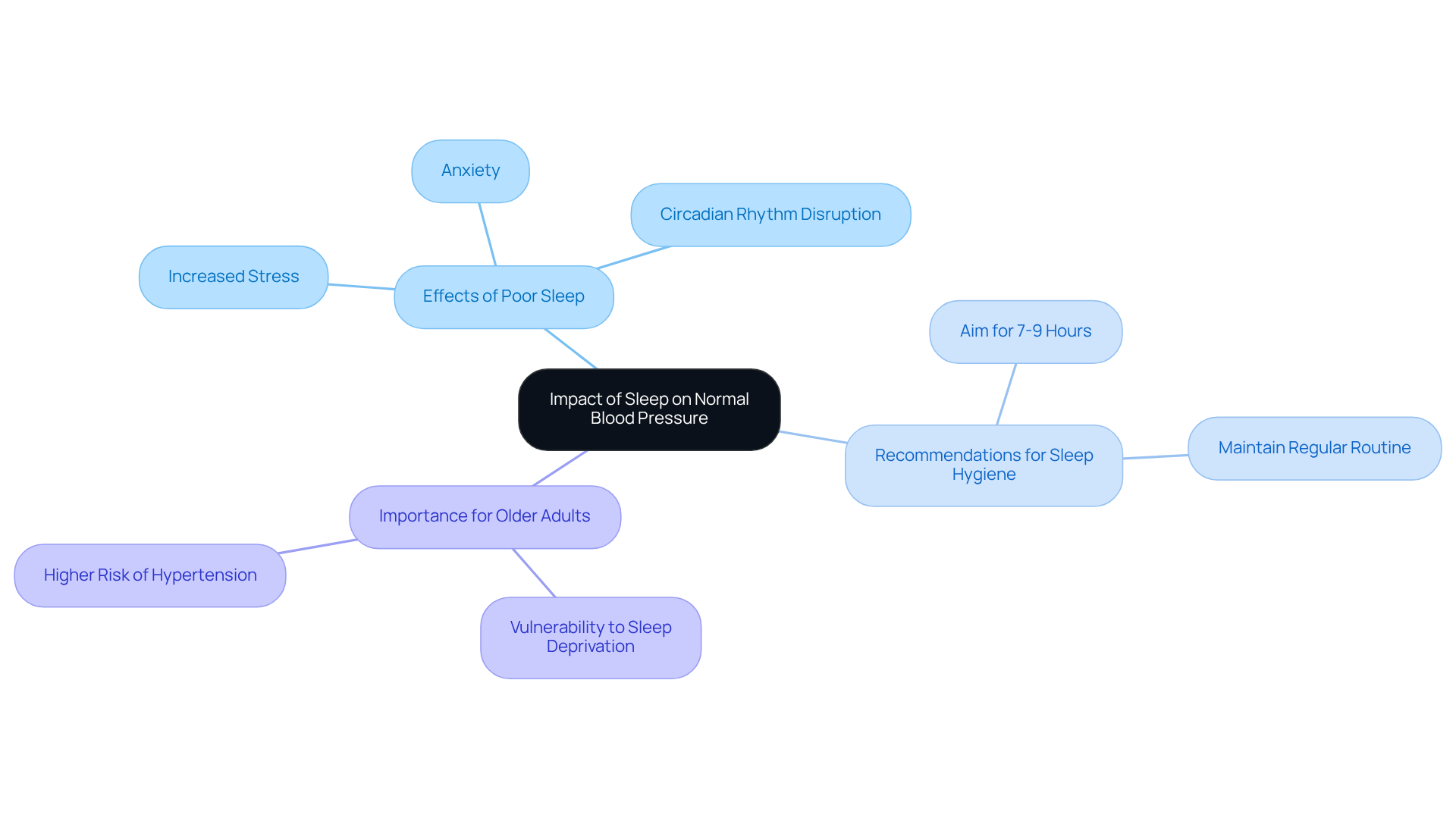
Even those with normal vascular tension can notice changes due to . Have you ever felt more stressed or anxious after a restless night? Studies show that inadequate rest disrupts our natural circadian rhythms, leading to concerns about whether it is safe to sleep with , as this can result in higher blood pressure readings during the day. In fact, one study found that participants who kept saw significant drops in their blood pressure. This highlights just how important it is to maintain a .
In addition to this, , which leads to the concern of whether it is safe to sleep with high blood pressure. For older adults, prioritizing is crucial, as they may be more vulnerable to the negative effects of sleep deprivation. Experts recommend aiming for 7-9 hours of sleep each night and sticking to a regular routine. This simple step can help keep your blood pressure in check, leading to the consideration of whether it is safe to sleep with high blood pressure and later in life.
By addressing sleep irregularities, you can take significant steps towards managing your without needing medication or invasive treatments. Remember, you’re not alone in this journey. Taking care of your rest is a vital part of caring for yourself.
The quality of your rest and the can vary significantly from person to person, especially between those with and those with typical measurements. If you have elevated arterial tension and struggle with getting enough rest, it’s important to understand is it safe to sleep with , as you may be at a higher risk for serious , like heart attacks and strokes. Research shows that can greatly impact the of older adults with hypertension.
But it’s not just those with elevated arterial tension who need to be mindful of their sleep. Even individuals with normal blood pressure can face long-term health risks if they don’t prioritize good . So, what can you do? Evidence-based methods, such as maintaining proper sleep hygiene and exploring , can lead to better regulation of your circulatory system and overall .
For older adults, the stakes are even higher. Age-related changes in blood pressure regulation can compound risks, making it crucial to prioritize sleep. It's important to consider, is it safe to sleep with high blood pressure, as taking care of your sleep is essential for everyone, especially for those with existing hypertension. You’re not alone in this journey, and seeking support can make a world of difference.

Understanding the relationship between sleep and blood pressure is crucial for maintaining your cardiovascular health. High blood pressure, or hypertension, can pose significant health risks, especially for older adults. Prioritizing the quality and duration of your sleep can play a vital role in managing blood pressure levels. So, is it safe to sleep with high blood pressure? Let’s explore this together.
Throughout this article, we’ve shared key insights about how sleep affects both high and normal blood pressure. It’s important to recognize that poor sleep can worsen hypertension, while maintaining a regular sleep schedule can lead to better blood pressure control. Furthermore, taking proactive measures - like using advanced health monitoring systems and seeking support for sleep issues - can make a real difference in your health journey.
Ultimately, improving your sleep quality isn’t just about comfort; it’s a critical part of overall health management, particularly for those dealing with hypertension. By enhancing your sleep hygiene and addressing any sleep disorders, you can significantly lower your risk of cardiovascular complications. Prioritizing restorative sleep is a proactive step towards a healthier future. Remember, you’re not alone in this; awareness and action are key in managing high blood pressure, and support is always available.
How is blood pressure measured and expressed?
Blood pressure is measured in millimeters of mercury (mmHg) and is expressed as two figures: systolic (the level during heartbeats) over diastolic (the level when the heart is at rest).
What are the typical healthy blood pressure readings?
Typically, healthy blood pressure readings are below 120/80 mmHg.
When should I be concerned about my blood pressure readings?
If your blood pressure readings are consistently at or above 130/80 mmHg, it's important to pay attention and consider seeking medical advice.
What complications can high blood pressure lead to?
High blood pressure can lead to serious complications such as heart disease and stroke.
What percentage of U.S. adults with elevated blood pressure exceed the 2025 AHA/ACC guideline target?
Nearly 80% of U.S. adults with elevated blood pressure exceed the 2025 AHA/ACC guideline target of <130/80 mmHg.
Why is regular monitoring of blood pressure important, especially for seniors?
Regular monitoring is crucial because age-related changes can complicate how our bodies regulate circulation, and elevated blood pressure is a significant adjustable risk factor for heart disease.
How does an increase in systolic blood pressure affect health risks?
Every 10-point increase in systolic blood pressure raises the risk of heart failure by 28% and stroke by 27%.
What cognitive issues are linked to high blood pressure?
High blood pressure is linked to an increased risk of cognitive decline.
How can Amavita's CardioElite™ system assist in managing health?
Amavita's CardioElite™ system offers advanced bedside diagnostics that enable thorough cardiac evaluations, helping to identify complications early for better patient outcomes.
What should individuals do if they are concerned about their blood pressure?
Individuals should seek help and understanding of their health to manage blood pressure effectively and work towards a healthier future.