


Waking up to a racing heart can be quite unsettling, leaving many feeling confused and anxious about what it means. It’s important to understand that various factors - like anxiety, dietary choices, and sleep disorders - can trigger this experience. By recognizing these underlying causes, you can begin to find relief and peace of mind.
But how do you manage these episodes? How can you tell if what you’re feeling is something to worry about or just a passing moment? This guide offers practical strategies and insights designed to help you take charge of your heart health. You deserve to navigate these complexities with confidence and support.
Remember, you’re not alone in this. Many people share similar concerns, and it’s perfectly okay to seek help. Let’s explore together how you can feel more in control and at ease.
Experiencing a can be unsettling, and it’s important to understand what might be causing it. Here are some common factors:
At Amavita Heart and Vascular Health, our compassionate experts use , like echocardiograms and cardiac MRI, to identify potential and other cardiac concerns that could lead to sensations like palpitations. We’re dedicated to providing , ensuring you receive the care you need with minimal disruption to your life.
Recognizing signs like a , fluttering feelings, or experiencing can help you understand your condition better. Our guarantees that you receive the best possible care tailored to your unique needs. Remember, you’re not alone in this journey; we’re here to support you every step of the way.

Managing a can feel overwhelming, but there are steps you can take to regain control and better understand your body. Here’s how:
By monitoring these factors, you can gain valuable insights into what might be causing your . Remember, you’re not alone in this journey, and with the right support, you can improve your cardiovascular health.

If you’ve ever had your , you’re not alone. It can be a startling experience, but there are . Here are some caring suggestions:
By gently integrating these techniques into your daily life, you can alleviate the signs of a rapid pulse and promote better overall heart health. Remember, you’re not alone in this journey, and taking small steps can lead to significant improvements in how you feel.

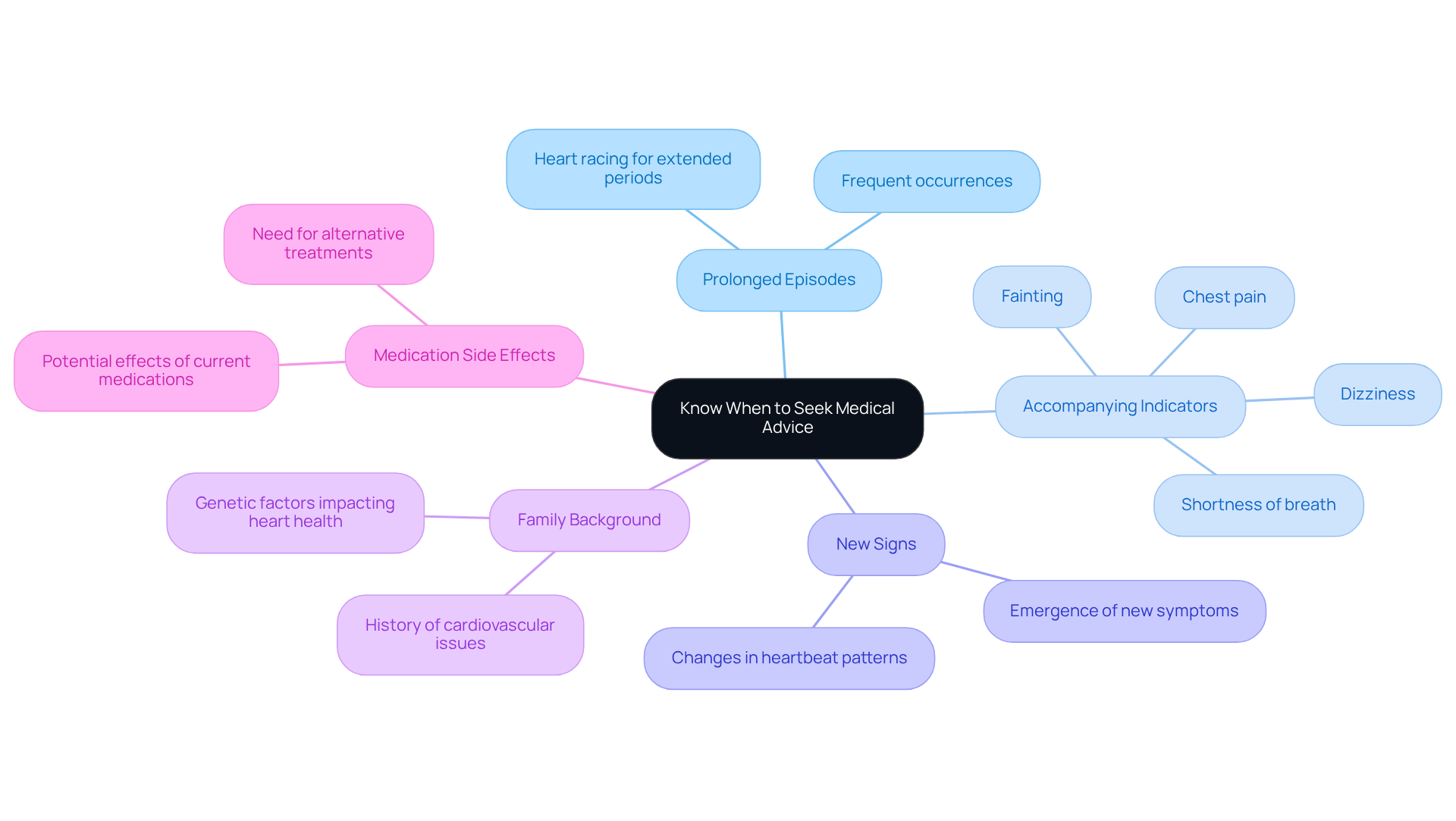
If you’re experiencing any of the following, it’s really important to seek medical advice:
Recognizing these warning signs can lead to timely intervention, which is key to managing your cardiovascular health. Studies show that ignoring can result in serious complications. So, being aware and taking proactive steps is vital. Remember, you’re not alone in this-reaching out for help is a strong and positive step towards better health.
Waking up to a racing heart can be quite distressing, can't it? Understanding what causes this sensation and how to manage it effectively can bring you some much-needed relief. By recognizing factors like:
you can take charge of your heart health and ease those unsettling symptoms.
Consider keeping a journal to track your symptoms and identify any triggers. Embracing lifestyle changes, such as cutting back on stimulants and incorporating regular exercise, can also make a significant difference. Don't hesitate to use technology to monitor your heart rate, and remember, seeking medical guidance when needed is a crucial step in managing heart racing effectively. You're not alone in this journey; these insights empower you to take proactive measures.
Ultimately, prioritizing your heart health is vital for your overall well-being. By adopting these practices and staying vigilant about your symptoms, you can nurture a healthier relationship with your cardiovascular health. Taking action not only helps manage heart racing but also paves the way for a more fulfilling and active life. So, why not reach out for support? You deserve to feel your best!
What are common causes of heart racing when waking up?
Common causes include anxiety and stress, sleep disorders like sleep apnea, dietary factors such as high sugar or caffeine intake, dehydration, and medical conditions like hyperthyroidism or arrhythmias.
How can anxiety and stress affect heart rate?
Anxiety and stress can trigger the release of adrenaline, leading to a rapid heartbeat.
What role do sleep disorders play in heart racing?
Sleep disorders, particularly sleep apnea, can disrupt normal sleep rhythms and leave individuals feeling uneasy, potentially causing heart racing.
How does diet influence heart racing?
Consuming high amounts of sugar or caffeine, especially before bedtime, can lead to palpitations and contribute to heart racing.
What impact does dehydration have on heart function?
Dehydration can cause electrolyte imbalances, which may negatively affect the heart's function and lead to a racing heartbeat.
What medical conditions can cause a racing heart?
Conditions such as hyperthyroidism or arrhythmias can result in a racing heartbeat.
How does Amavita Heart and Vascular Health assist with heart racing issues?
They use advanced diagnostic imaging methods, like echocardiograms and cardiac MRI, to identify potential arrhythmias and other cardiac concerns related to sensations like palpitations.
What signs should I recognize related to heart racing?
Signs include a racing pulse, fluttering feelings, or experiencing heart racing when waking up.
What approach does Amavita Heart and Vascular Health take in patient care?
They offer a patient-centered approach, ensuring comprehensive arrhythmia management tailored to individual needs, with support throughout the patient's journey.