


Understanding the complexities of blood clots in the heart is crucial, especially considering their potential to lead to serious conditions like heart attacks and strokes. This guide aims to be a supportive resource, offering insights into the causes, symptoms, and effective treatment options available for managing this significant health concern.
But we know that navigating the landscape of blood clot treatment can feel overwhelming. How can you, as a patient, find your way through the many options while ensuring you receive the best care possible?
In addition to this, it’s important to recognize that you’re not alone in this journey. Many people share similar concerns, and there are compassionate professionals ready to help you every step of the way. By understanding your options and seeking the right support, you can take charge of your health with confidence.
Gel-like masses can form when fluids thicken and clump together, potentially leading to serious health risks that necessitate , as well as heart attacks and strokes. This is particularly concerning for many, especially older adults. Common causes include prolonged immobility, certain medical conditions such as cancer and heart disease, and lifestyle factors like obesity and smoking. It’s important to note that nearly 80% of patients suspected of having undergo a D-dimer test as a primary diagnostic tool, highlighting the importance of early detection.
Symptoms of blood clots can vary depending on their location, and :
The risk of , including concerns related to , is particularly high among older patients, who often face additional risk factors. Understanding these symptoms and their implications is vital for . By doing so, you can . Remember, you’re not alone in this; support is available, and taking action can make a significant difference.

To effectively reduce the , consider implementing the following :
Incorporating these strategies into daily life can empower individuals, particularly the elderly, to take proactive steps in safeguarding their . Remember, you’re not alone on this journey; reaching out for support can make all the difference.

When it comes to , options are carefully tailored to fit the type and severity of the clot, ensuring effective management and better outcomes for patients.
Medications play a crucial role in this process:
offer additional options:
In more severe cases, surgery may be necessary as part of the to remove the blockage or to place filters in the veins, preventing clots from traveling to the lungs, which can lead to serious conditions like pulmonary embolism.
After treatment, it’s essential to adopt to reduce the risk of future blockages. Regular physical activity, maintaining a healthy weight, and sticking to prescribed medication regimens are key. Learning to recognize the signs of thrombosis can empower patients to seek prompt medical care, further enhancing their safety and health outcomes. It’s important to note that about 33% of individuals with a VTE will experience a recurrence within 10 years, highlighting the significance of these lifestyle changes.

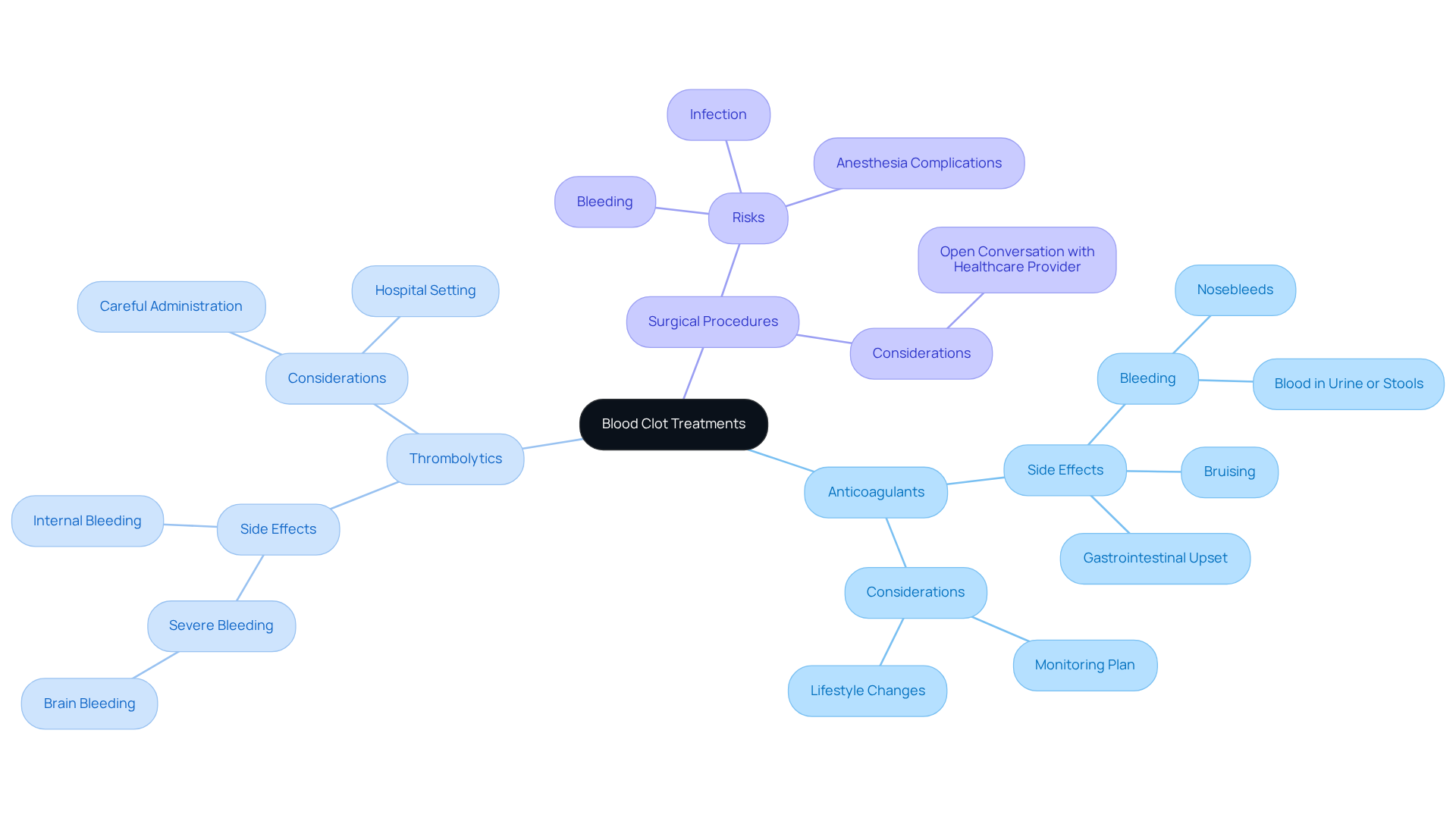
If you're receiving , it's important to be aware of some potential side effects that may arise. Understanding these can help you feel more in control of your health journey.
for , but they can lead to side effects like bleeding—such as nosebleeds or blood in your urine or stools—as well as bruising and gastrointestinal upset. . Have you discussed your with your healthcare provider?
are another in the heart treatment, but they come with their own set of risks. Severe bleeding, especially in the brain, can occur, which is why careful administration in a hospital setting is crucial. It’s understandable to feel anxious about this; talking it through with your medical team can provide reassurance.
When it comes to , there are risks like infection, bleeding, and complications related to anesthesia. It’s vital to have an open conversation with your healthcare provider about these risks before proceeding. They’re there to support you and answer any questions you might have.
Lastly, consider the . These changes can impact your daily routine and, in turn, your mental health and overall well-being. Remember, you’re not alone in this; and family is incredibly important during this time. Have you reached out to your loved ones for support?
Your health and comfort are paramount, and seeking help is a sign of strength. Don’t hesitate to reach out for guidance and support as you navigate this journey.
Understanding blood clots in the heart and their treatment is crucial for protecting your health. This guide has shed light on the complexities surrounding blood clots, covering everything from their causes and symptoms to the various preventive measures and treatment options available. By staying informed and proactive, you can significantly improve your chances of effective management and recovery.
Have you noticed symptoms like chest pain or shortness of breath? These can signal serious conditions that need immediate medical attention. It’s vital to recognize these signs. Preventive strategies, such as maintaining an active lifestyle, staying hydrated, and following a heart-healthy diet, play a key role in reducing the risk of clots. Additionally, we’ve explored various treatment options, including medications and minimally invasive procedures, highlighting the importance of personalized care based on your specific situation.
Remember, you don’t have to navigate the journey through blood clot treatment alone. Engaging with healthcare providers, adopting preventive measures, and being vigilant about your symptoms can empower you to take charge of your cardiovascular health. As treatment options continue to evolve, staying informed about the latest advancements and understanding potential side effects can lead to better outcomes.
Prioritizing your heart health is an ongoing commitment. Taking that first step towards awareness can truly make a difference. If you have any concerns or questions, don’t hesitate to reach out for support. You deserve to feel confident and cared for on this journey.
What are blood clots and why are they concerning?
Blood clots are gel-like masses that form when fluids thicken and clump together. They can lead to serious health risks, including heart attacks and strokes, particularly concerning for older adults.
What are the common causes of blood clots?
Common causes of blood clots include prolonged immobility, certain medical conditions such as cancer and heart disease, and lifestyle factors like obesity and smoking.
How is the diagnosis of potential blood clots typically performed?
Nearly 80% of patients suspected of having vascular obstructions undergo a D-dimer test as a primary diagnostic tool, emphasizing the importance of early detection.
What are the symptoms of blood clots in the legs?
Symptoms of blood clots in the legs, known as Deep Vein Thrombosis (DVT), can include swelling, pain, tenderness, or discoloration.
What symptoms indicate a pulmonary embolism?
Symptoms of a pulmonary embolism may include sudden shortness of breath, chest pain, rapid heart rate, and coughing up fluid, which require immediate medical attention.
What symptoms are associated with blood clots in the heart?
Symptoms of blood clots in the heart can include chest pain, lightheadedness, or shortness of breath. These can occur abruptly and may lead to serious consequences if circulation ceases.
Who is at higher risk for blood clots?
The risk of vascular obstructions, including blood clots, is particularly high among older patients, who often have additional risk factors.
Why is it important to recognize the symptoms of blood clots?
Recognizing the symptoms of blood clots is crucial for seeking prompt medical attention, which can improve outcomes and enhance quality of life.