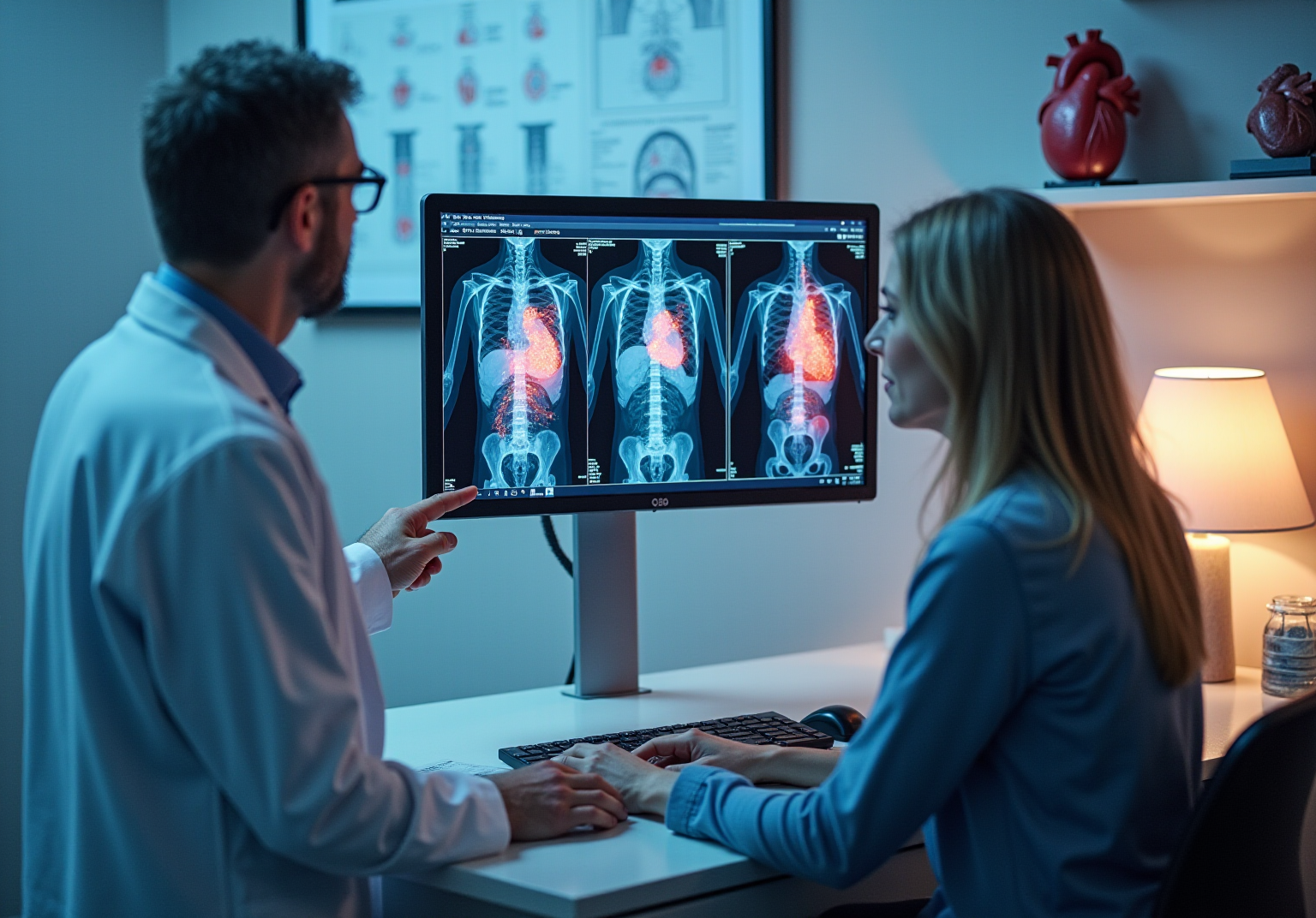


Caring for your heart is incredibly important, but navigating the best ways to assess its health can feel overwhelming. One option that stands out is the nuclear stress test, which offers detailed images of blood flow during both rest and activity. This can significantly improve the detection of coronary artery disease. Yet, many still rely on traditional stress tests that use electrocardiograms during exercise. As you consider your options, it’s natural to wonder: what should you keep in mind when choosing between these two essential assessments? How do their risks and benefits stack up against each other?
In addition to understanding these tests, it’s crucial to reflect on your own health concerns and preferences. Each method has its strengths, and knowing what to expect can help ease any anxiety you might have. Remember, you’re not alone in this journey; many patients share similar feelings when faced with health decisions.
Ultimately, the choice between a nuclear stress test and a traditional one should be made with care and support from your healthcare provider. They can guide you through the process, ensuring you feel comfortable and informed every step of the way.
A nuclear stress test on heart is a diagnostic procedure that utilizes a small amount of radioactive material to create images of your cardiovascular system during physical activity, whether through exercise or medication. This evaluation helps measure blood flow to the heart muscle, pinpointing areas that may not be receiving enough blood, which could indicate coronary artery disease or other heart-related issues.
In contrast, a conventional evaluation, often referred to as an exercise evaluation, tracks the heart's activity using an electrocardiogram (ECG) while you exercise on a treadmill or stationary bike. This method primarily focuses on how your heart responds to physical exertion without the use of imaging technology. While both evaluations aim to assess heart function, the nuclear stress test on heart provides a more comprehensive view of blood circulation and heart health.
Research shows that the nuclear stress test on heart evaluations have an impressive responsiveness rate of about 84.8% for detecting obstructive coronary artery disease, which is significantly higher than the 63.6% responsiveness rate of standard evaluations. This enhanced diagnostic accuracy makes the nuclear stress test on heart particularly valuable for individuals experiencing unusual symptoms or those at a higher risk for cardiovascular disease.
At Amavita Heart and Vascular Health®, we prioritize a preventive cardiology approach, combining advanced risk assessment tools with personalized interventions to help lower your risk of heart events. However, it's important to consider safety aspects, as nuclear evaluations do involve a small amount of radiation exposure, which may be a concern for older patients or those with existing health issues. Potential side effects, such as allergic reactions to the radioactive tracer, dizziness, and in rare cases, serious heart complications, should be openly discussed with your healthcare provider.
While conventional evaluations can be useful for initial assessments, they might overlook critical information in more complex situations. This highlights the need for tailored assessments based on your unique health profile and risk factors. With Amavita's CardioElite™, we strive to transform cardiac care by offering advanced diagnostics right at your bedside, ensuring timely and accurate assessments for everyone in our care.
If you have any concerns about your heart health, please don’t hesitate to reach out. We’re here to support you every step of the way.

Are you concerned about your heart health? During a nuclear stress test on the heart, you receive an injection of a radioactive tracer that enables detailed imaging of your heart in both rest and stress phases. Stress can be induced through physical exercise or medications that mimic exercise by increasing your heart rate. This imaging method effectively shows blood circulation to your heart muscle, highlighting areas that may not be getting enough blood.
At Amavita Vascular Health®, we use advanced N-13 Ammonia Cardiac PET/CT imaging. This technology helps us identify cardiovascular disease years earlier than traditional methods, often when treatment is most effective. This is particularly beneficial for individuals at high risk, such as those with diabetes, hypertension, or a family history of heart issues, as well as those with inconclusive results from standard tests.
In contrast, a conventional evaluation requires you to exercise while connected to an ECG monitor, which records your heart rate, rhythm, and blood pressure responses. While both evaluations assess heart function, the nuclear stress test on heart provides a more comprehensive analysis of blood flow, detecting issues that might be missed in standard assessments.
Recent advancements in nuclear evaluation technology at Amavita have improved diagnostic accuracy and comfort for patients, setting it apart from traditional methods. Did you know that roughly 8 million nuclear evaluations are performed each year in the U.S.? This highlights their significance in cardiac care. Case studies reveal that about 90% of patients complete nuclear evaluations with minimal discomfort, showcasing their tolerability and effectiveness in managing heart health.
However, if you undergo pharmacological stress testing, you might experience mild side effects like flushing, headaches, or dizziness, which are usually temporary. Dr. Arleen Ramirez, a leading specialist at Amavita, emphasizes that cardiac PET imaging is one of the most effective tools for early and accurate detection of cardiovascular conditions. This progress in the nuclear stress test on heart truly enhances the quality of care you receive. Remember, we’re here to support you every step of the way.

If you’re worried about your heart health, especially if you suspect coronary artery disease, a nuclear evaluation might be just what you need. This test is particularly important if previous assessments have shown abnormal results or if you find it hard to exercise due to physical limitations. It’s a valuable tool for those with complex heart conditions or anyone who has had heart surgery in the past.
On the other hand, if you’re able to exercise and are experiencing symptoms like chest pain or shortness of breath, a conventional stress test may be recommended. This test can also serve as a routine check for those who don’t have symptoms but have risk factors for heart disease. The choice between these two tests really depends on your overall health, how well you can exercise, and what specific information your doctor is looking for.
Recent guidelines emphasize the importance of using these assessments appropriately. When there’s a high likelihood of coronary artery disease, a nuclear stress test on the heart is preferred, regardless of how well you can exercise or interpret ECG results. Plus, advancements in imaging technology have improved the accuracy of both tests, leading to better health outcomes.
Remember, it’s completely normal to feel anxious about these tests. You’re not alone in this journey, and there are professionals ready to support you every step of the way. If you have any questions or concerns, don’t hesitate to reach out for help. Your heart health is important, and taking these steps can lead to a healthier, happier you.

Both nuclear evaluations and conventional assessments can bring about certain worries. For instance, nuclear evaluations involve exposure to a small amount of radiation, which might cause anxiety for some individuals. Common side effects can include headaches, dizziness, or nausea. In rare cases, more serious complications, like arrhythmias or allergic reactions to the radioactive tracer, may occur.
At Amavita Heart and Vascular Health®, we truly prioritize your safety. We utilize advanced imaging techniques that allow for precise diagnosis without delay, helping to minimize potential risks. In contrast, conventional evaluations of tension are generally seen as safe, yet they can lead to issues such as chest discomfort, irregular heart rhythms, or, in uncommon situations, cardiac arrests - especially in those with pre-existing cardiovascular conditions.
When considering an assessment, it’s important to take into account your health status and the potential risks involved. At Amavita, we’re dedicated to developing personalized treatment plans tailored to your specific condition and lifestyle. Our goal is to ensure the best outcomes for you, and we’re here to support you every step of the way.

The nuclear stress test on the heart provides detailed images that reveal how blood circulates to the heart muscle during both exertion and rest. When results are normal, it indicates that blood flow is sufficient. However, if abnormalities are found, it may suggest blockages or other heart conditions that require further evaluation or intervention. It’s important to remember that follow-up procedures often include additional diagnostic tests or treatment options tailored to the specific findings. For instance, complications from nuclear evaluations occur in about 1 in 5000 individuals, underscoring the need for careful monitoring and follow-up care.
In addition to this, traditional stress tests evaluate heart performance during exercise, with abnormal ECG readings acting as warning signs for potential heart issues. If results are abnormal, follow-up typically involves further diagnostic testing, lifestyle adjustments, or medical management strategies. A study involving over 7,000 individuals found that abnormal results in diabetics were linked to a higher risk of cardiac death, highlighting the importance of timely follow-up and intervention.
Both testing methods play a crucial role in guiding treatment decisions and improving outcomes, especially for those at higher risk of cardiovascular complications. Engaging in proactive follow-up care can significantly enhance heart health management, ensuring individuals receive the necessary support and interventions based on their specific test results. Furthermore, with the integration of Amavita's CardioElite™ program, which utilizes AI-powered diagnostic technology, healthcare providers can improve early detection and streamline follow-up processes. This ultimately leads to better patient outcomes and fewer readmissions in skilled nursing facilities.

Evaluating heart health through diagnostic testing is so important, and understanding the differences between nuclear stress tests and traditional stress tests can truly empower you to make informed decisions about your care. Both tests aim to assess heart function, but the nuclear stress test provides a more detailed analysis of blood flow and potential blockages. This makes it especially beneficial for those at risk of coronary artery disease or with complex health profiles.
Key insights from this comparison show that nuclear stress tests have a higher responsiveness rate for detecting obstructive coronary artery disease. They also offer comprehensive imaging that can catch issues often missed by traditional methods. While both tests come with certain risks and side effects, advancements in technology have made nuclear evaluations safer and more comfortable, making them a valuable tool in modern cardiology.
Ultimately, the choice between a nuclear stress test and a traditional stress test should be guided by your individual health conditions and the specific information your healthcare provider is seeking. Engaging in open discussions with your medical professionals about these testing options is essential for effectively managing your heart health. Taking these steps not only aids in early detection and intervention but also fosters a proactive approach to cardiovascular wellness, ensuring a healthier future for you.
What is a nuclear stress test on the heart?
A nuclear stress test is a diagnostic procedure that uses a small amount of radioactive material to create images of the cardiovascular system during physical activity. It measures blood flow to the heart muscle and helps identify areas that may not be receiving enough blood, indicating potential heart issues.
How does a nuclear stress test differ from a traditional stress test?
The nuclear stress test provides imaging of blood circulation to the heart, while a traditional stress test, or exercise evaluation, tracks the heart's activity using an electrocardiogram (ECG) during exercise without imaging. The nuclear test offers a more comprehensive view of heart health.
What are the responsiveness rates of nuclear stress tests compared to traditional evaluations?
Nuclear stress tests have a responsiveness rate of about 84.8% for detecting obstructive coronary artery disease, which is significantly higher than the 63.6% responsiveness rate of traditional evaluations.
What safety concerns are associated with nuclear stress tests?
Nuclear stress tests involve a small amount of radiation exposure, which may be a concern for older patients or those with existing health issues. Potential side effects include allergic reactions to the radioactive tracer, dizziness, and in rare cases, serious heart complications.
How does the process of a nuclear stress test work?
During a nuclear stress test, a radioactive tracer is injected, and imaging is done during both rest and stress phases, which can be induced through physical exercise or medications. This method effectively shows blood circulation to the heart muscle.
What technology is used in nuclear stress tests at Amavita Vascular Health®?
Amavita uses advanced N-13 Ammonia Cardiac PET/CT imaging technology, which helps identify cardiovascular disease earlier than traditional methods, particularly for high-risk individuals.
What are the potential side effects of pharmacological stress testing during a nuclear stress test?
Patients may experience mild side effects such as flushing, headaches, or dizziness, which are usually temporary.
How common are nuclear evaluations in the U.S.?
Approximately 8 million nuclear evaluations are performed each year in the U.S., highlighting their significance in cardiac care.
What is the patient experience like during nuclear evaluations?
About 90% of patients report completing nuclear evaluations with minimal discomfort, indicating their tolerability and effectiveness in managing heart health.