


As winter storms blanket our communities in heavy drifts of snow, it’s essential to recognize the physical demands that come with snow shoveling. This task can put significant strain on the heart, especially for older adults or those with existing health conditions. Cold temperatures combined with exertion can elevate heart rates and blood pressure to potentially dangerous levels.
How can we navigate the snow removal process safely while minimizing the risk of a heart attack? This article explores vital strategies, personal risk assessments, and safe shoveling techniques, all aimed at ensuring that heart health remains a priority during winter’s toughest tasks. Remember, you’re not alone in this; we’re here to support you every step of the way.
Removing snow can be a tough task, and it’s important to recognize how it can impact your heart health. The cold weather causes blood vessels to narrow, which can raise blood pressure and heart rate. This combination can increase the risk of heart problems, especially for those who already have cardiovascular issues. Did you know that studies have shown a shoveling snow heart attack can push heart rates beyond safe limits? This is particularly concerning for older adults or those with heart conditions.
After a recent blizzard, health officials reported several snow-removal related fatalities among individuals aged 60 to 84. This highlights the real dangers of over-exertion in cold weather, which can lead to a shoveling snow heart attack. At Amavita Heart and Vascular Health®, we truly care about your well-being. We want you to be aware of these risks and encourage you to take precautions. Simple steps like taking breaks and pushing snow instead of lifting can make a big difference, as recommended by the American Heart Association.
Our comprehensive cardiac assessments and personalized preventive care plans are designed to help those at higher risk manage their heart health effectively. Understanding these cardiovascular risks is crucial for your safety during winter activities. Remember, you’re not alone in this; we’re here to support you every step of the way.

Before you clear snow, it’s essential to consider your health, especially if you’re over 50 or have a family history of heart issues. Think about your age, medical history, and any existing conditions like high blood pressure, diabetes, or past heart events. If you have these risk factors, it’s natural to worry about the possibility of a heart event, even if you’re not feeling any symptoms. At Amavita Heart and Vascular Health®, we’re here to support you with a preventive cardiology approach that combines advanced assessments with personalized interventions to significantly reduce your risk of a cardiac event.
Additionally, take a moment to assess your physical fitness. If you lead a sedentary lifestyle, the sudden effort of shoveling snow can increase the risk of a heart attack. Research indicates that vigorous snow removal can increase the risk of a shoveling snow heart attack, as it raises your heart rate to 170 beats per minute, and cold weather can further elevate cardiovascular risks, particularly for older adults. It’s wise to consult with a healthcare provider before you start clearing snow, especially if you have known heart issues. Our thorough cardiac evaluations at Amavita ensure that high-risk patients receive customized treatment plans tailored to their unique conditions and lifestyles.
Experts recommend that older adults, especially those with risk factors, should approach snow removal with care to prevent a shoveling snow heart attack. Be mindful of warning signs like chest pain or shortness of breath. Remember to dress warmly, take breaks indoors, and use a pushing or sweeping motion instead of heavy lifting while shoveling. By following these precautions and utilizing Amavita’s advanced imaging and minimally invasive treatment options, you can help ensure your safety during winter activities.
Your health and well-being are our top priorities, and we’re here to help you navigate these challenges with care and understanding.

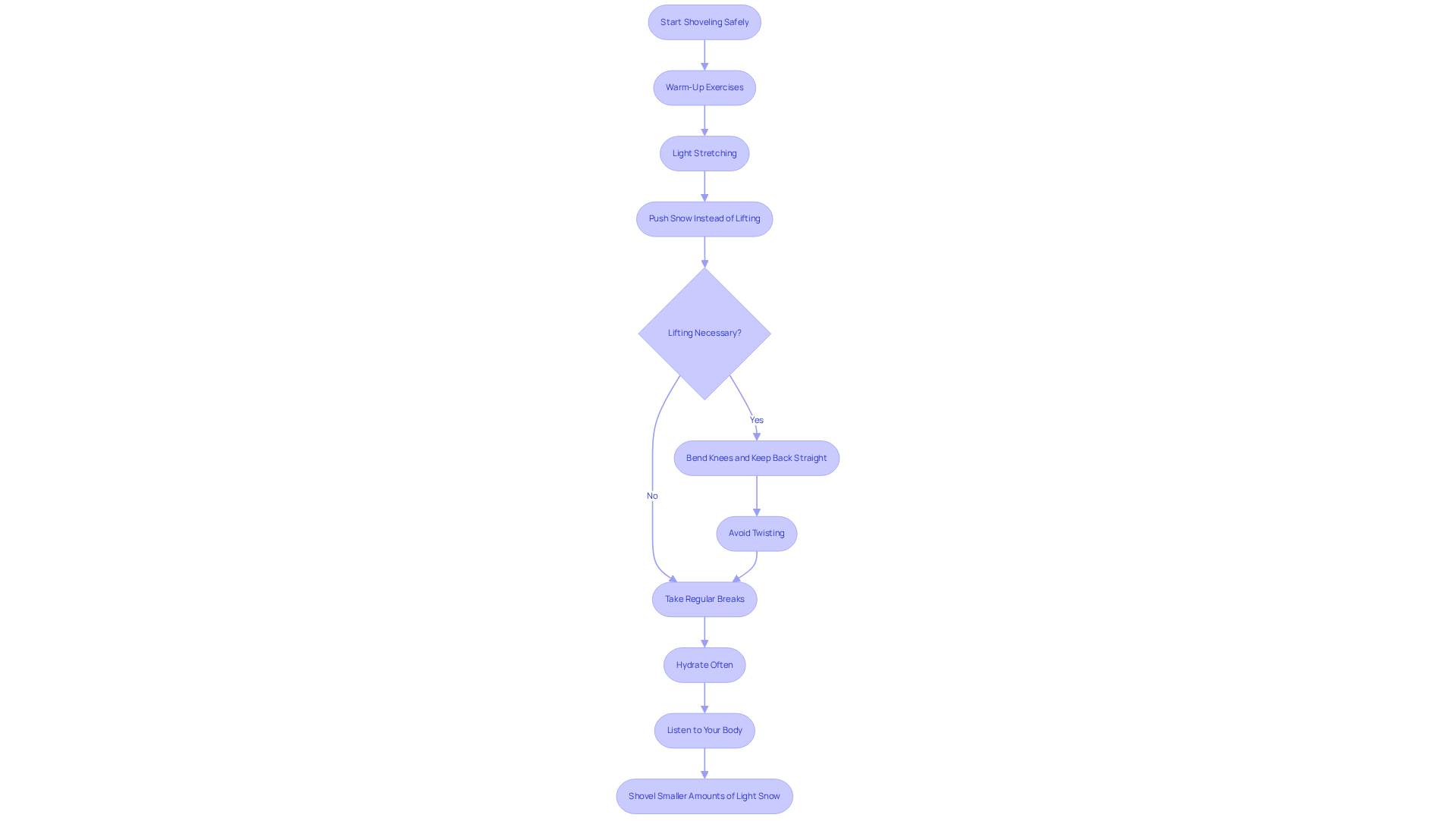
When it comes to clearing snow, starting with warm-up exercises is key to keeping your body safe. These gentle movements prepare your muscles and cardiovascular system for the work ahead. Light stretching can really help boost blood flow and lower the risk of injury. Experts recommend pushing the snow instead of lifting it whenever you can. If you must lift, remember to bend your knees and keep your back straight to avoid unnecessary strain. And please, avoid twisting your body while shoveling, as it can put too much pressure on your back and increase the risk of a shoveling snow heart attack.
Taking regular breaks is so important. Make sure to rest and hydrate often to prevent overdoing it. Listen to your body - if something doesn’t feel right, stop right away. Shoveling smaller amounts of light snow at a time can also ease the load on your heart, making the task feel more manageable. Remember, shoveling snow can pose a risk of heart attack, particularly for seniors or individuals who may not be in the best shape. So, let’s prioritize your heart health by following these simple tips.
Investing in ergonomic shovels can truly make a difference in reducing strain on your back and arms, making the task of clearing snow much safer. Have you considered how a blower could help? Utilizing one is highly recommended, as it lessens the physical strain on your heart, allowing you to clear snow more efficiently and with less cardiovascular stress.
Dressing in layers is a great way to manage your body temperature and prevent overheating. Remember to stay hydrated by drinking water before, during, and after your snow-clearing efforts. It’s also wise to avoid shoveling snow right after waking up, as this time can be linked to a higher risk of a shoveling snow heart attack.
Always keep your phone close by. If you start feeling any symptoms of distress, don’t hesitate to call for help. Your safety is the top priority as you navigate winter weather. You’re not alone in this; taking these precautions shows that you care for your well-being.

Recognizing the heart risks associated with snow shoveling is crucial for anyone engaging in this physically demanding task. As the cold weather constricts blood vessels and raises blood pressure, understanding how to protect heart health while clearing snow becomes essential. The potential for heart attacks during snow removal, particularly for older adults or those with pre-existing conditions, underscores the importance of taking preventive measures.
This article has highlighted key strategies to mitigate the risk of heart-related incidents while shoveling snow:
These steps can significantly enhance safety. Ultimately, prioritizing heart health during winter activities is not just about understanding risks; it’s about taking proactive steps to safeguard well-being. Embracing these safety tips can empower individuals to enjoy the winter season without compromising their health. Whether it’s assessing personal fitness levels or choosing the right tools, every precaution taken is a step toward a safer experience while shoveling snow.