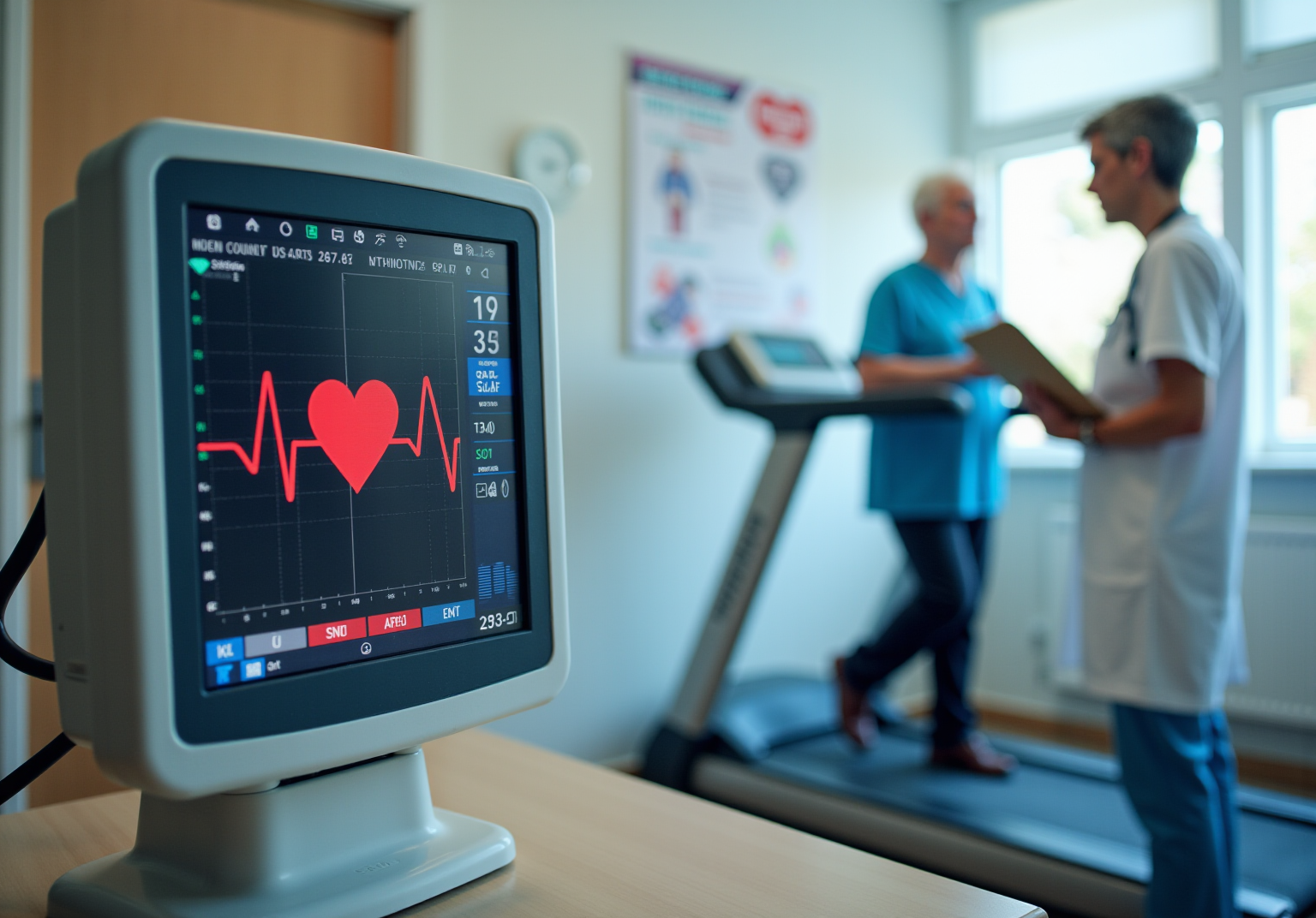


Understanding the complexities of cardiovascular assessments is vital, especially for our elderly loved ones who often face unique health challenges. Have you ever wondered about the difference between stress tests and stress echocardiograms? This distinction can greatly influence diagnosis and treatment strategies for older patients, making it essential to explore.
As healthcare providers, we strive to optimize heart health, but the question remains: which method provides the most thorough evaluation while keeping risks low? By delving into the key differences between these two approaches, we can uncover valuable insights that guide us in delivering better patient care and improving outcomes for the aging population.
It's important to remember that you are not alone in this journey. Understanding your options can empower you to make informed decisions about your health. Together, we can navigate these assessments with compassion and care.
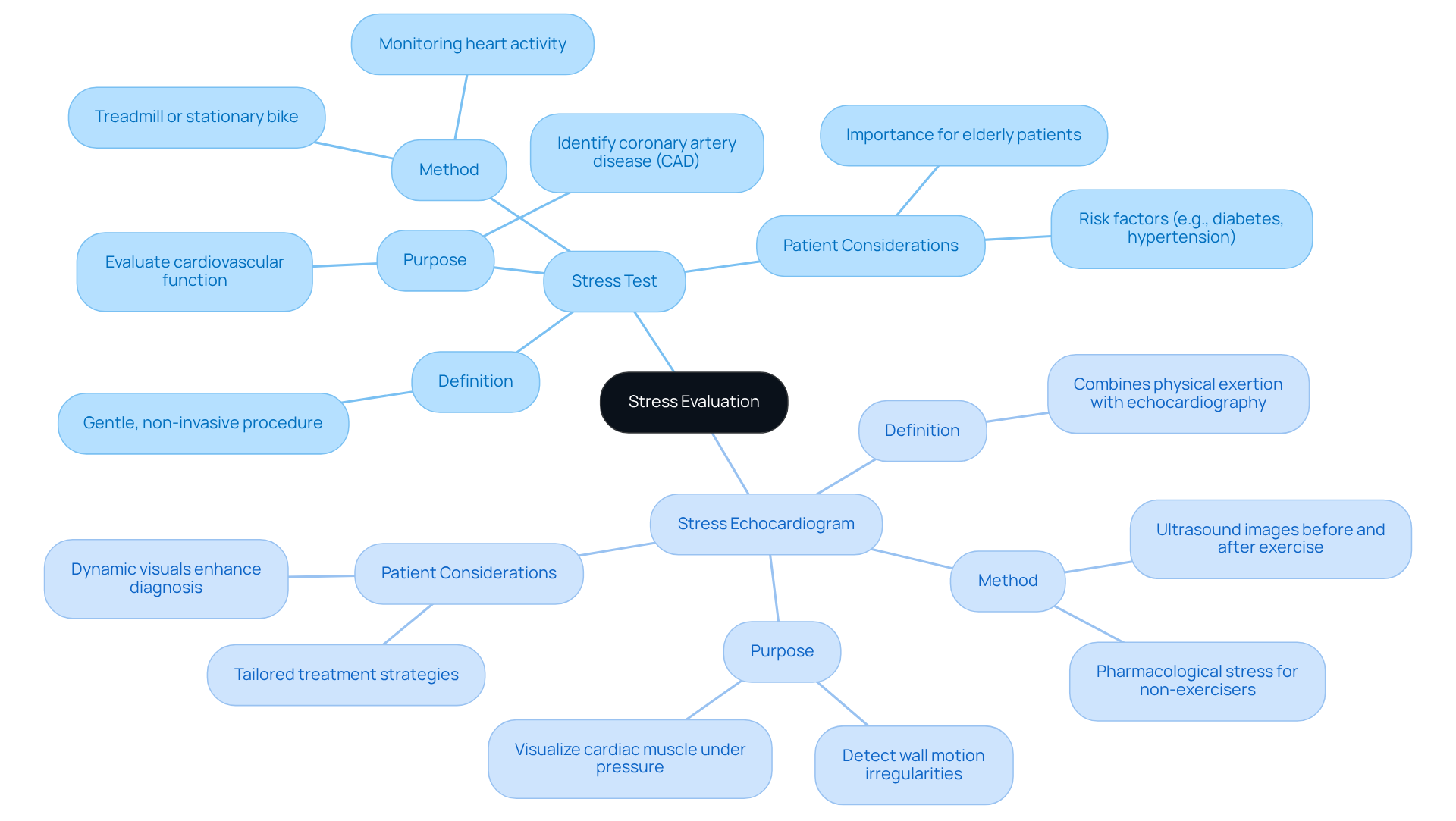
A stress evaluation, often called an , serves as a comparison between , which is a gentle, non-invasive procedure designed to assess how well your heart performs during physical activity. During this assessment, we carefully observe your while you exercise-typically on a treadmill or stationary bike. This helps us evaluate your pulse rate, rhythm, and blood pressure responses. Our primary goal is to identify any abnormalities in that might suggest (CAD) or other heart conditions. At Amavita Heart and Vascular Health®, we truly understand the importance of thorough , especially for our elderly patients who may have risk factors like diabetes or hypertension. We’re here to support you with lifestyle changes and preventive measures aimed at significantly lowering the risk of cardiac events.
In addition to this, a (or echo) illustrates the differences between by combining the principles of a physical exertion test with echocardiography. This procedure captures ultrasound images of your heart both before and after exercise, allowing us to visualize how effectively your cardiac muscle operates under pressure. If you’re unable to exercise, we can trigger the tension with medication instead. When comparing stress echo vs stress test, the stress echo produces dynamic visuals that can reveal significant issues, such as , which are especially crucial in diagnosing cardiovascular conditions in older individuals who may show unusual symptoms. This method not only enhances diagnostic precision but also helps us tailor treatment strategies to improve outcomes for you, ensuring that you receive at Amavita.
We’re here for you every step of the way, ready to provide the care and support you need.
The benefits of a are significant, especially for those concerned about their heart health. This simple procedure offers immediate feedback on heart function during physical exertion, which is crucial for diagnosing conditions like (CAD). It can be performed in various settings, making it accessible to many individuals. Additionally, it helps assess and guides rehabilitation programs, ensuring that patients receive the support they need.
On the other hand, when comparing , the Stress Echocardiogram offers several advantages, particularly for elderly patients. It provides real-time imaging of the heart's structure and function, allowing for a more thorough evaluation of . Importantly, it does so without the use of ionizing radiation, which is a significant benefit for older adults who may be more sensitive to such exposure. Research shows that a positive echocardiogram under stress is linked to a higher risk of myocardial infarction, underscoring its role in identifying high-risk individuals early. Moreover, this assessment can detect subtle variations in cardiac function that a standard stress echo vs stress test might overlook, making it an essential tool for the early detection and management of cardiovascular conditions. For instance, studies have indicated that older individuals who underwent following heart attacks, highlighting the importance of timely interventions. Overall, and align with older adults' priorities of preserving independence and quality of life.
Amavita's takes this diagnostic method a step further by providing advanced, real-time information and 24/7 cardiology consultation. This is vital for the proactive management of individuals at high risk. This comprehensive cardiovascular management not only improves diagnostic accuracy but also aligns with older adults' priorities of maintaining independence and quality of life. Ultimately, it helps and enhances overall cardiac care, ensuring that patients feel supported every step of the way.

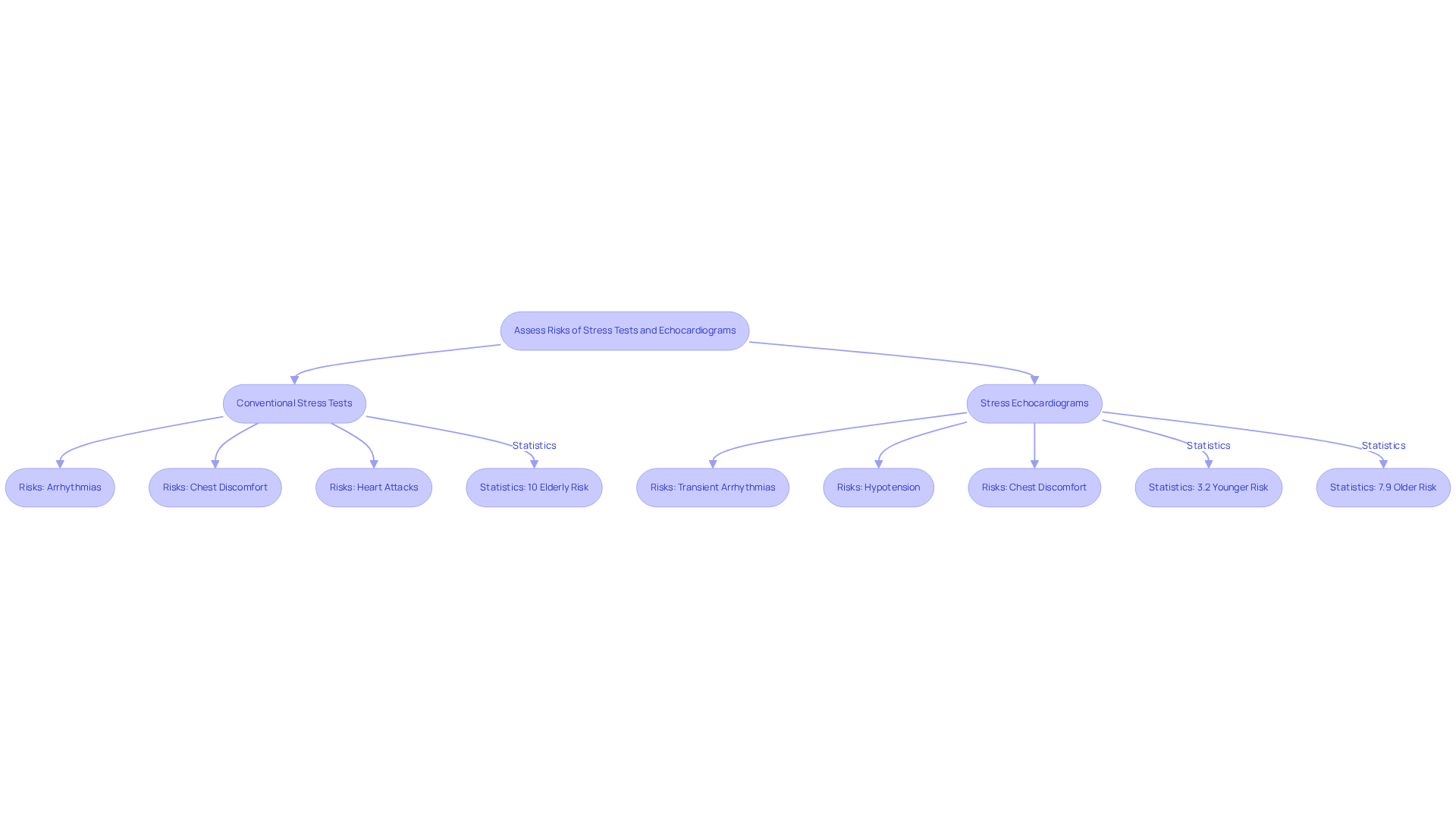
When it comes to pressure evaluations and , many people often wonder about their safety. While these procedures are generally considered safe, it’s important to acknowledge that they do carry some risks. For instance, conventional stress evaluations can lead to issues like , chest discomfort, or, in rare cases, heart attacks, especially for those with pre-existing heart conditions. This risk tends to be higher in older adults, who may have multiple health concerns. In fact, statistics show that about 10% of elderly individuals might experience , which underscores the importance of being cautious.
On the other hand, when considering stress echo vs , stress usually present lower risks compared to traditional exertion evaluations. Some might include transient , hypotension, or chest discomfort during the procedure. For , using medications to induce stress can introduce additional risks, such as allergic reactions or exacerbation of existing health issues. For example, a study found that 3.2% of younger individuals experienced atrioventricular block during adenosine challenge tests, while this figure rose to 7.9% in older adults. This highlights the need for careful selection and supervision to minimize these risks.
Moreover, the EVAREST research revealed that a favorable echocardiogram is significantly linked to an increased risk of . Conversely, a negative result can indicate an event-free period of up to five years for individuals without prior . This emphasizes the clinical value of echocardiography in assessing risk, particularly for older adults, ensuring that the benefits outweigh the .
If you have concerns about these evaluations, it’s perfectly normal to feel anxious. Remember, you’re not alone in this journey. Seeking guidance from healthcare professionals can provide clarity and reassurance. Your health is a priority, and can help you make informed decisions.
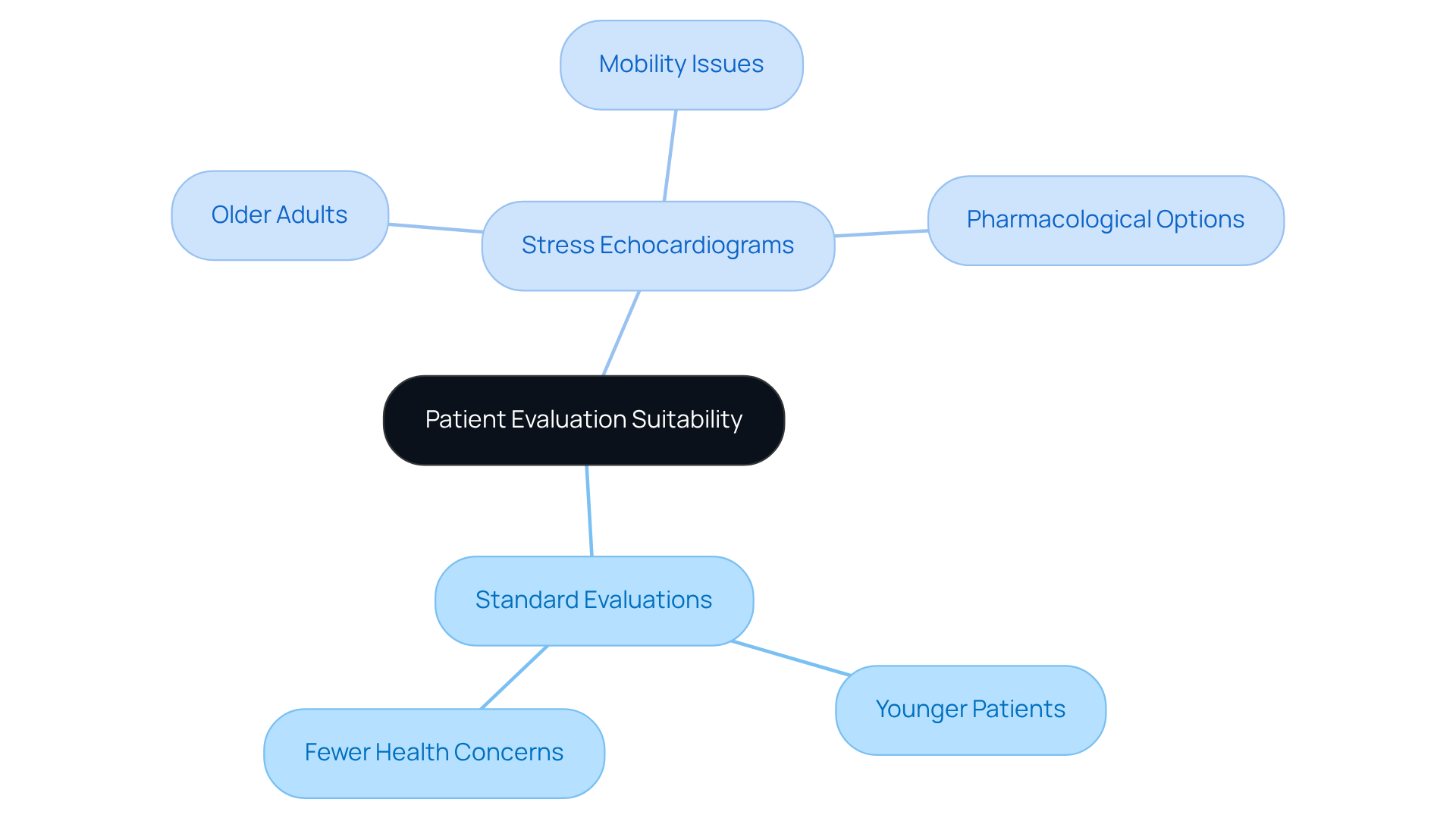
When considering pressure evaluations, it’s important to think about how well an individual can engage in physical activity. Standard evaluations often work well for younger people or those with fewer health concerns. But for older adults or those facing significant , adjustments might be necessary, or a .
When considering , offer unique advantages for older individuals who may struggle with traditional exercise-based assessments. This method uses medications to mimic physical exertion, making it a safer option for those with mobility issues or serious health conditions. Additionally, the provide vital insights into complex cardiac conditions that are more common in older adults, helping to ensure .
Healthcare providers are encouraged to review any current medications and health issues before conducting evaluations under stress. Guidelines suggest prioritizing echocardiograms for older individuals, especially when there are concerns about their ability to safely engage in physical activity. Real-world studies have shown that , including pharmacological options like dobutamine echocardiography, can effectively identify cardiac issues while minimizing risks, ultimately . This approach not only boosts diagnostic accuracy but also aligns with the goal of delivering of elderly patients.
Are you or a loved one feeling anxious about ? Remember, you’re not alone in this journey. Seeking support and understanding can make all the difference.
Understanding the differences between stress tests and stress echocardiograms is essential for elderly patients who may encounter unique cardiovascular challenges. Both procedures are important for evaluating heart health, yet they serve different purposes and provide distinct insights into cardiac function. The stress echocardiogram, in particular, is noteworthy for its ability to deliver real-time imaging without the risks associated with ionizing radiation. This makes it a preferred choice for older individuals.
Key insights from the article reveal that:
This focus on personalized care is crucial, as it aligns with the overarching goal of maintaining independence and quality of life for elderly patients.
In light of these findings, it’s vital for patients and healthcare providers to engage in open discussions about the most suitable evaluation methods. Understanding the benefits and risks associated with each procedure empowers individuals to make informed choices that best support their heart health. Prioritizing comprehensive cardiac assessments can lead to earlier interventions and improved outcomes, fostering a proactive approach to managing cardiovascular health in the elderly.
Have you considered how these evaluations can impact your health journey? Remember, you’re not alone in this. Reach out to your healthcare provider to discuss your options and find the best path forward for your heart health.
What is a stress test?
A stress test, also known as an exercise stress evaluation, is a non-invasive procedure that assesses how well your heart performs during physical activity, typically on a treadmill or stationary bike. It evaluates your pulse rate, rhythm, and blood pressure responses to identify any abnormalities in cardiovascular function.
What is a stress echocardiogram?
A stress echocardiogram, or treadmill echocardiogram, combines a physical exertion test with echocardiography to capture ultrasound images of the heart before and after exercise. This allows for visualization of how effectively the cardiac muscle operates under pressure.
How do stress tests and stress echocardiograms differ?
While both procedures assess heart performance during physical activity, a stress test primarily measures heart rate, rhythm, and blood pressure, whereas a stress echocardiogram provides dynamic ultrasound images that help visualize cardiac function and identify issues like wall motion irregularities.
What is the purpose of these tests?
The primary goal of both tests is to identify abnormalities in cardiovascular function that may suggest coronary artery disease (CAD) or other heart conditions, particularly in patients with risk factors such as diabetes or hypertension.
What if a patient cannot exercise during the stress echocardiogram?
If a patient is unable to exercise, medication can be used to simulate the effects of physical exertion and trigger the necessary cardiac stress for evaluation.
Why are these evaluations important for elderly patients?
Thorough cardiac evaluations are especially important for elderly patients who may exhibit unusual symptoms or have risk factors for heart disease, as these tests enhance diagnostic precision and allow for tailored treatment strategies to improve outcomes.