Introduction
Recognizing heart symptoms in women, especially among the elderly, is a vital yet often overlooked aspect of healthcare. Unlike men, women may show unique signs of heart disease, which can lead to misdiagnosis and delayed treatment. This article explores the specific symptoms women experience, the key risk factors contributing to these conditions, and essential strategies for monitoring heart health.
With heart disease being the leading cause of death among women, it’s crucial to understand these nuances. Are caregivers and healthcare providers truly equipped to identify and respond to the distinct heart health challenges faced by women?
By addressing these concerns, we can foster a more supportive environment for women’s health. Together, let’s ensure that every woman receives the care and attention she deserves.
Clarify Unique Heart Disease Symptoms in Women
Women often experience heart symptoms for women that differ from the classic signs typically associated with men. It's important to be aware of these key symptoms:
- Chest Pain or Discomfort: While this symptom is common for both genders, women might describe it as tightness or pressure instead of sharp pain. This difference can lead to misunderstandings about the severity of their condition.
- Shortness of Breath: This can occur even at rest or with minimal exertion, often accompanied by unusual fatigue, which may be mistaken for other health issues, including heart symptoms for women. At Amavita Heart and Vascular Health®, we emphasize the importance of thorough cardiac assessments, using advanced imaging and testing to evaluate these symptoms effectively.
- Unusual Fatigue: Persistent tiredness that doesn’t improve with rest can be an early warning sign of heart symptoms for women, yet it’s often overlooked. Research shows that 45.7% of women in the United States have high blood pressure or are on medication for it, highlighting the need to recognize these indicators. Our preventive cardiology approach combines advanced risk assessment tools with personalized interventions to address such concerns.
- Nausea or Indigestion: Women may experience gastrointestinal issues that mimic heart symptoms for women, such as heartburn or indigestion, which can lead to misdiagnosis.
- Pain in Other Areas: Discomfort might radiate to the neck, jaw, back, or stomach, which can be heart symptoms for women that are often dismissed or attributed to other causes.
- Cold Sweats and Dizziness: These heart symptoms for women can occur alongside other symptoms and should not be ignored, as they may indicate a serious cardiac event.
Recognizing these unusual heart symptoms for women is crucial for timely intervention and care, especially in older women who may face additional medical complications. Dr. John Ryan points out that many individuals don’t recognize their symptoms as heart-related due to societal beliefs about heart disease. He states, "Those often assert a higher pain threshold than men, and that's probably true, but ultimately that ends up hindering people in terms of presenting when they are having their heart attack." Understanding these differences is vital for improving health outcomes and ensuring that women receive appropriate care for heart symptoms for women. Heart disease is the leading cause of death for women in the U.S., claiming one in three each year, making awareness of heart symptoms for women and prompt action essential. At Amavita, we are dedicated to providing personalized cardiac care tailored to your life, not just your condition.

Identify Key Risk Factors for Women’s Heart Health
As women age, multiple risk factors can significantly impact heart symptoms for women and their cardiovascular health. Understanding heart symptoms for women is crucial for proactive care. Here are some key considerations:
- Age: After menopause, the risk of heart disease increases due to hormonal changes that affect cardiovascular health.
- High Blood Pressure: Often called the 'silent killer,' hypertension can lead to serious complications if not managed. By 2050, nearly 60% of individuals are expected to be affected by high blood pressure. At Amavita, we offer comprehensive programs that include regular monitoring to help manage blood pressure effectively.
- Women with diabetes are at a greater risk of heart symptoms for women compared to men. Projections indicate that the risk of diabetes in younger individuals will rise from 6% to nearly 16%. Amavita provides tailored strategies through our Optimal Program, which includes comprehensive biomarker panels to address this risk.
- Obesity: Excess weight contributes significantly to heart-related conditions, including hypertension and diabetes. Obesity rates among younger women are expected to increase by 18%, affecting 1 in 6 women in that age group. Our services focus on comprehensive wellness management to support weight control.
- Smoking: Tobacco use remains a major risk factor that can exacerbate other health issues, increasing the likelihood of cardiovascular disease. Amavita promotes cessation programs as part of our cardiovascular wellness initiatives.
- Family History: A family history of cardiovascular disease can elevate an individual’s risk. This highlights the importance of awareness and regular monitoring. Our CardioElite™ program provides advanced diagnostic data to help manage these risks proactively.
- Mental Well-being: Conditions like depression and anxiety can adversely affect cardiovascular function, especially in women. At Amavita, we recognize the importance of mental well-being in our comprehensive approach to cardiovascular health.
By identifying these risk factors, women and their caregivers can collaborate with healthcare professionals, like those at Amavita, to create effective prevention plans tailored to their unique wellness needs and specifically address heart symptoms for women. Together, we can utilize advanced monitoring and management options to support a healthier future.

Implement Strategies for Monitoring Heart Health
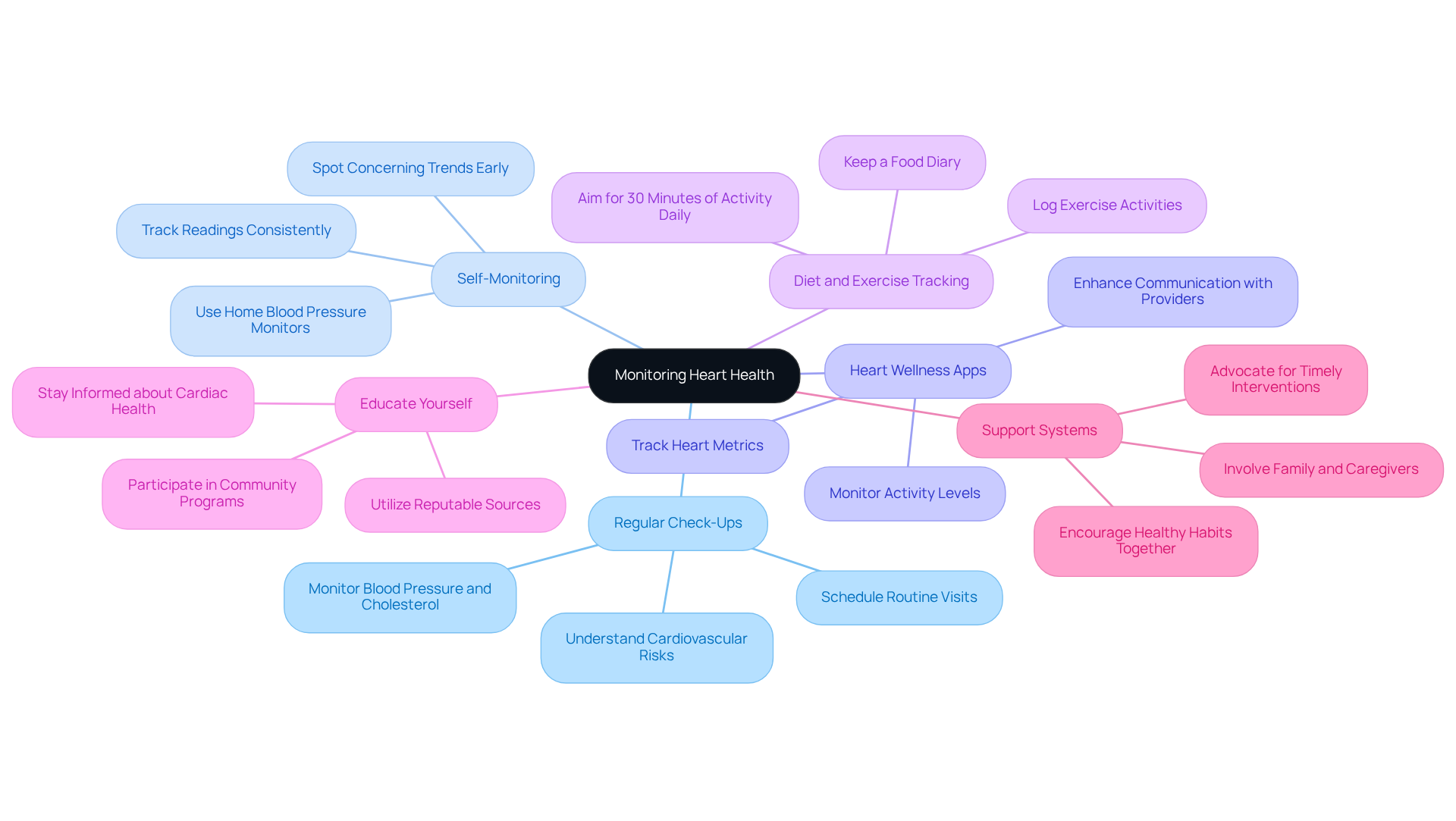
To effectively monitor heart health, elderly women can adopt the following caring strategies:
- Regular Check-Ups: It’s important to schedule routine visits with your healthcare provider to keep an eye on blood pressure, cholesterol levels, and overall heart health. Regular screenings are crucial, especially since cardiovascular disease is the leading cause of death among individuals aged 65 and older. Remember, you’re not alone in this journey.
- Self-Monitoring: Consider using home blood pressure monitors to track your readings consistently. This practice can help you spot concerning trends early on, as high blood pressure is the single biggest modifiable risk factor for cardiovascular disease. Taking charge of your health can be empowering.
- Heart Wellness Apps: Think about using mobile applications designed to track heart metrics, including heart rate and activity levels. These tools can help you take control of your well-being and make it easier to communicate with your healthcare providers. It’s all about staying connected and informed.
- Diet and Exercise Tracking: Keeping a food diary and exercise log can be beneficial in maintaining a heart-healthy lifestyle. Aim for at least 30 minutes of moderate exercise on most days of the week; it can greatly enhance your cardiovascular well-being. Small steps can lead to big changes.
- Educate Yourself: Staying informed about cardiac health through reputable sources and community programs is vital. Knowledge is a powerful asset in managing your well-being, especially as women face unique cardiovascular risks. You deserve to understand your health.
- Support Systems: Involve family members or caregivers in your wellness journey. They can provide essential support and encouragement in maintaining healthy habits. Remember, caregivers play a critical role in managing medication regimens and advocating for timely interventions.
By implementing these strategies, you can take proactive steps towards maintaining your heart health and recognizing heart symptoms for women, ultimately enhancing your quality of life. You are valued, and your health matters.
Recognize When to Seek Medical Attention
Elderly women must be aware of certain heart symptoms for women that may require immediate medical attention. Here are some key indicators to watch for:
- Severe Chest Pain: If you experience sudden, intense chest pain lasting more than a few minutes, treat it as a medical emergency. Research shows that nearly 80% of women report feeling unusual pain weeks before a cardiac event. Recognizing heart symptoms for women is crucial.
- Shortness of Breath: Difficulty breathing, especially if it comes on suddenly or occurs at rest, needs prompt evaluation. Many women describe breathlessness as a significant sign during cardiac incidents. At Amavita Heart and Vascular Health®, our comprehensive cardiac assessments can help uncover any underlying issues contributing to this condition.
- Unexplained Fatigue: If fatigue is accompanied by dizziness or nausea, it may signal a serious problem. Many women experience extreme exhaustion as a warning sign of a cardiac event, which can easily be overlooked. Our preventive strategies focus on assessing risk factors and creating personalized interventions to manage these concerns effectively.
- Pain in Other Areas: Discomfort in the arms, back, neck, or jaw-especially when paired with chest pain-should not be ignored. Women may notice these atypical heart symptoms for women, which differ from traditional indicators of cardiac events. Understanding heart symptoms for women is vital for timely intervention.
- Cold Sweats or Nausea: These symptoms can indicate a cardiac event and require urgent medical care. Women are more likely than men to experience nausea during such events, underscoring the importance of awareness and prompt action.
- Lightheadedness or Fainting: Dizziness or fainting spells can signal a serious cardiovascular issue. About 90% of both women and men report significant feelings of anxiety or panic during a cardiovascular event, which can complicate recognizing these signs.
By being aware of heart symptoms for women, older women can ensure they receive timely assistance, which is crucial for improving outcomes in cardiovascular health. At Amavita, we believe that understanding these symptoms empowers women to seek immediate medical help, potentially saving lives. Regular health check-ups are also vital for monitoring cardiovascular health and preventing heart attacks, allowing for a proactive approach to heart health.

Conclusion
Understanding the unique heart symptoms experienced by women is crucial for effective elderly care. Recognizing these symptoms can significantly impact health outcomes, especially since heart disease remains a leading cause of death among women. By being aware of the distinctive signs and risk factors associated with heart health in women, caregivers and healthcare professionals can ensure timely interventions and appropriate care.
Have you noticed unusual fatigue, shortness of breath, or gastrointestinal discomfort? These atypical presentations of heart symptoms in women are important to recognize. Additionally, various risk factors, such as age, high blood pressure, and mental well-being, play a vital role in women's cardiovascular health. Implementing proactive strategies, like regular check-ups and self-monitoring, empowers women to take charge of their heart health and know when to seek medical attention.
Ultimately, enhancing awareness of heart symptoms specific to women not only fosters better health management but also encourages a proactive approach to cardiovascular wellness. By prioritizing education and support, caregivers can help women navigate their health journeys, ensuring they receive the timely care needed to thrive. Remember, you are not alone in this journey; support is always available.
Frequently Asked Questions
What are some unique heart disease symptoms that women experience?
Women may experience chest pain or discomfort described as tightness or pressure, shortness of breath, unusual fatigue, nausea or indigestion, pain in other areas such as the neck or back, and cold sweats and dizziness.
How does chest pain differ in women compared to men?
While chest pain is common for both genders, women might describe it as tightness or pressure rather than sharp pain, which can lead to misunderstandings about the severity of their condition.
What should women know about shortness of breath as a symptom?
Shortness of breath can occur even at rest or with minimal exertion and is often accompanied by unusual fatigue, which may be mistaken for other health issues.
Why is unusual fatigue significant for women regarding heart disease?
Persistent tiredness that doesn’t improve with rest can be an early warning sign of heart disease, yet it is often overlooked. Many women in the U.S. have high blood pressure, highlighting the need to recognize this symptom.
How can gastrointestinal issues relate to heart disease symptoms in women?
Women may experience gastrointestinal issues like heartburn or indigestion that can mimic heart symptoms, potentially leading to misdiagnosis.
What other areas might women feel pain related to heart disease?
Discomfort may radiate to areas such as the neck, jaw, back, or stomach, which can be dismissed as unrelated to heart issues.
Why are cold sweats and dizziness important symptoms for women?
Cold sweats and dizziness can occur alongside other symptoms and should not be ignored, as they may indicate a serious cardiac event.
What is the significance of recognizing these heart symptoms in women?
Recognizing these unusual symptoms is crucial for timely intervention and care, especially in older women who may face additional medical complications.
What is the leading cause of death for women in the U.S.?
Heart disease is the leading cause of death for women in the U.S., claiming one in three each year, making awareness and prompt action essential.
How does Amavita Heart and Vascular Health® approach heart disease in women?
Amavita emphasizes thorough cardiac assessments using advanced imaging and testing, and they provide personalized cardiac care tailored to individual needs.
List of Sources
- Clarify Unique Heart Disease Symptoms in Women
- Women suffer heart attacks too. Understanding risks, symptoms and how to save yourself (https://apnews.com/article/women-heart-attack-warning-signs-d1e6644f01048de85425cb6738d435b4)
- About Women and Heart Disease (https://cdc.gov/heart-disease/about/women-and-heart-disease.html)
- Women’s heart attack risk rises even if arteries aren’t as clogged as men’s (https://statnews.com/2026/02/23/heart-disease-in-women-plaque-scan-risk)
- Why Women Experience Heart Attack Symptoms Differently Than Men (https://healthcare.utah.edu/the-scope/health-library/all/2024/10/why-women-experience-heart-attack-symptoms-differently-men)
- Heart disease in women: Key symptoms, risk factors and prevention tips | Cultivating Health (https://health.ucdavis.edu/blog/cultivating-health/heart-disease-in-women-key-symptoms-risk-factors-and-prevention-tips/2026/02)
- Identify Key Risk Factors for Women’s Heart Health
- 6 in 10 women will develop heart disease or stroke by 2050, heart association projects (https://statnews.com/2026/02/25/heart-disease-risk-forecasts-women-2050-projections)
- American Heart Association warns 60% of US women will have cardiovascular disease by 2050 (https://sciencedaily.com/releases/2026/02/260227061818.htm)
- Forecasting the Burden of Cardiovascular Disease and Stroke in Women in the United States Through 2050: A Scientific Statement From the American Heart Association | Circulation (https://ahajournals.org/doi/10.1161/CIR.0000000000001406)
- Nearly 6 In 10 Women Expected To Develop Heart Disease (https://powershealth.org/about-us/newsroom/health-library/2026/02/25/nearly-6-in-10-women-expected-to-develop-heart-disease)
- Implement Strategies for Monitoring Heart Health
- Heart Health for seniors: Small steps to take in 2026 | Abbington Assisted Living (https://abbingtononline.com/heart-health-for-seniors-small-steps-to-take-in-2026)
- A troubling forecast on women’s heart health – and what women and girls can do now to protect theirs (https://heart.org/en/news/2026/02/25/a-troubling-forecast-on-womens-heart-health-and-what-women-and-girls-can-do-now-to-protect-theirs)
- Innovations in Cardiology Care for Seniors: What Caregivers Need in 2026 (https://allseniors.org/articles/innovations-in-cardiology-care-for-seniors-what-caregivers-need-in-2026-2)
- Women of all ages face rising risks of heart disease and stroke—but cardiologists see a path forward (https://cardiovascularbusiness.com/topics/clinical/acute-coronary-syndromes/women-all-ages-face-rising-risks-heart-disease-and-stroke-cardiologists-see-path-forward)
- Recognize When to Seek Medical Attention
- Women and Black adults waited longer in ER for chest pain evaluation (https://newsroom.heart.org/news/women-and-black-adults-waited-longer-in-er-for-chest-pain-evaluation)
- 10 Heart Attack Signs for Women: What Elderly Patients Must Know (https://amavita.health/blog/10-heart-attack-signs-for-women-what-elderly-patients-must-know)
- 61-Year-Old Woman Misses Signs of Heart Attack and Almost Dies (https://orlandohealth.com/content-hub/61-year-old-woman-misses-signs-of-heart-attack-and-almost-dies)
- Women suffer heart attacks too. Understanding risks, symptoms and how to save yourself (https://apnews.com/article/women-heart-attack-warning-signs-d1e6644f01048de85425cb6738d435b4)
- Heart Attack Symptoms in Women (https://heart.org/en/health-topics/heart-attack/warning-signs-of-a-heart-attack/heart-attack-symptoms-in-women)


