


Blood tests for heart disease are more than just medical procedures; they represent a vital line of defense in our ongoing battle against cardiovascular conditions. These tests reveal important insights that can significantly change patient outcomes. By examining key indicators like cholesterol levels and cardiac enzymes, healthcare professionals can identify risks and tailor treatment strategies that truly meet individual needs.
But with so many tests available and the rapid advancements in diagnostic technology, it’s natural to feel overwhelmed. How can you determine which tests are essential for managing your heart health comprehensively?
In addition to this, it’s important to remember that you’re not alone in this journey. Many patients share similar concerns, and understanding your options can empower you to take charge of your health. Seeking guidance from your healthcare provider can help clarify which tests are right for you, ensuring that you receive the best possible care tailored to your unique situation.
Ultimately, prioritizing your heart health is a courageous step, and it’s one that can lead to a healthier, more fulfilling life. Don’t hesitate to reach out for support; your well-being is worth it.
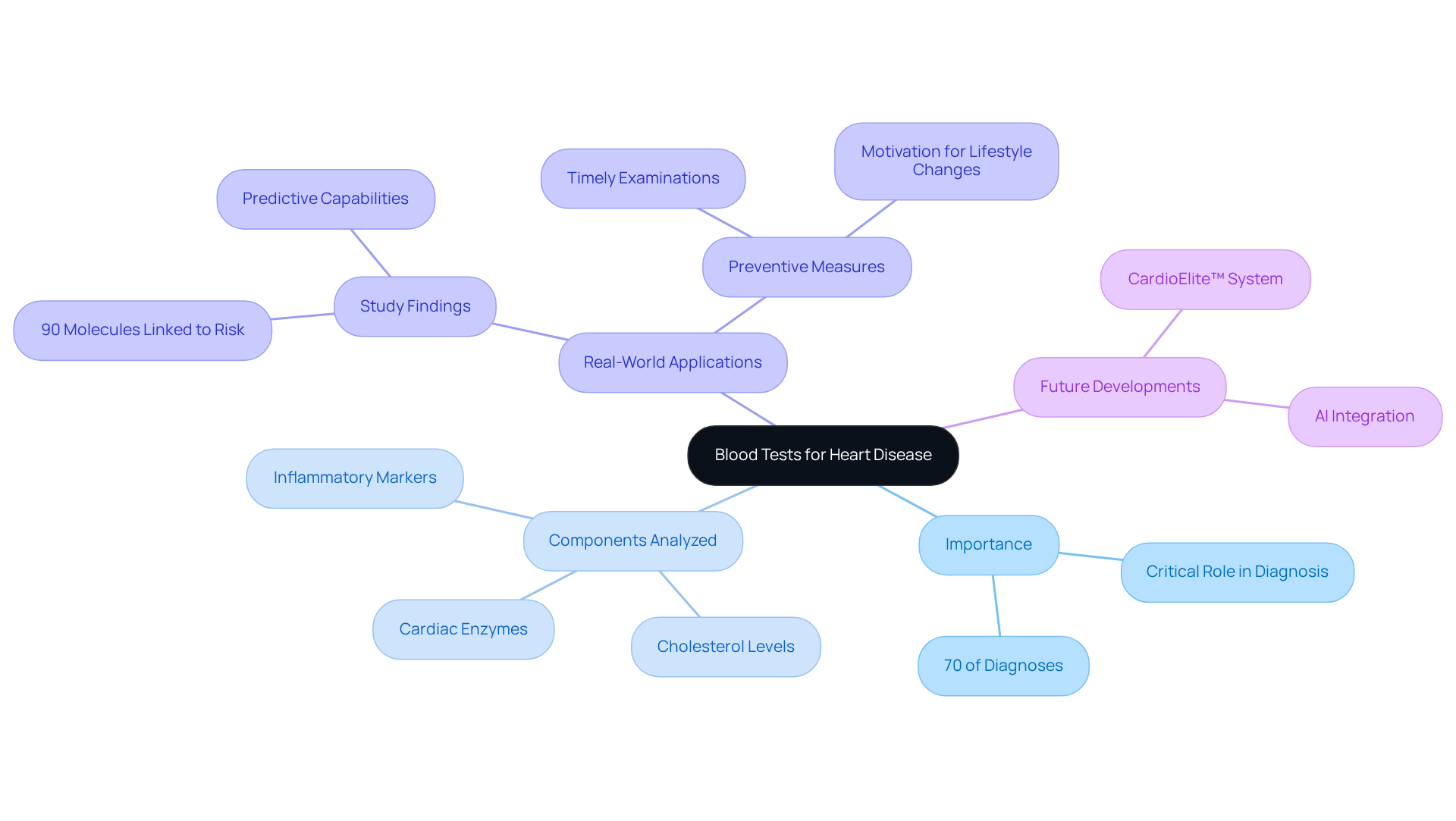
Blood tests for heart disease are vital in identifying cardiovascular disease, as they analyze various blood components that signal circulatory conditions. These blood tests for heart disease evaluate essential compounds such as cholesterol levels, cardiac enzymes, and inflammatory markers. This allows healthcare professionals to assess a patient's risk of cardiovascular disease, monitor existing conditions, and guide treatment options. For instance, high-sensitivity troponin assessments have become the preferred method for detecting cardiac muscle injury, significantly improving diagnostic accuracy. In fact, about 70% of cardiovascular disease diagnoses are made through blood tests for heart disease, underscoring their critical role in managing heart health.
Real-world applications of these diagnostic tests showcase their effectiveness. A recent study involving over 169,000 individuals identified around 90 molecules linked to the risk of a first cardiac event. This research highlights how current sample collections can , encouraging individuals to pursue preventive measures. Cardiologists emphasize that timely examinations can lead to early interventions, ultimately improving patient outcomes. As one specialist noted, "We can’t treat what we don’t measure," which reinforces the importance of these diagnostic tools in modern heart care.
Looking ahead to 2025, the importance of analyses in cardiovascular diagnostics continues to grow, with ongoing research aimed at enhancing their predictive capabilities. By combining blood tests with other diagnostic methods, such as ECGs, and leveraging the advanced features of Amavita's CardioElite™ system, healthcare providers can gain a more comprehensive understanding of a patient's cardiovascular health. The CardioElite™ system, powered by AISAP's FDA-approved AI ultrasound diagnostic platform, offers real-time analysis and immediate insights into cardiac structure and function. Moreover, Amavita provides advanced staff training and certification pathways, ensuring facilities can elevate their cardiac care standards without needing additional hires or capital investment. This integration leads to more effective treatment strategies and improved quality of life for patients, addressing the circulatory challenges faced in skilled nursing facilities, where 25% of patients with cardiac failure depend on post-acute care.
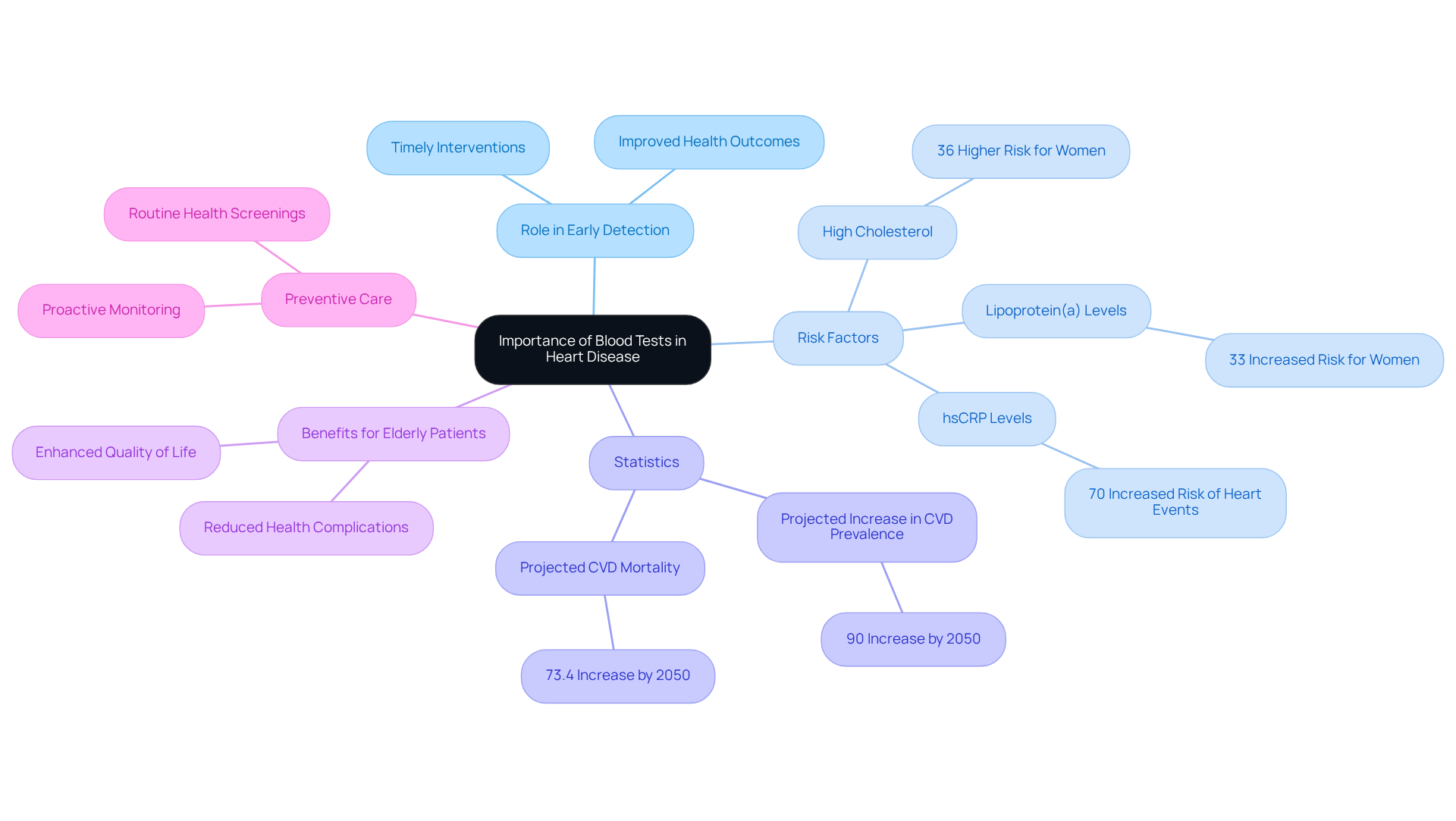
Blood tests for heart disease play a vital role in identifying and treating cardiac disease early, especially given the increasing prevalence of cardiovascular issues worldwide. At Amavita Heart and Vascular Health®, blood tests for heart disease assist healthcare providers in uncovering risk factors like high cholesterol and inflammation. If left unchecked, these can lead to serious complications such as heart attacks or strokes.
For our elderly patients, regular testing is particularly important. It allows for timely interventions that can greatly enhance quality of life and reduce health complications. Did you know that women with elevated LDL cholesterol levels face a 36% higher risk of heart events? Additionally, high levels of hsCRP are associated with a staggering 70% increased risk of significant heart events. This highlights the importance of proactive monitoring.
Blood tests for heart disease are often included in routine health screenings, making them accessible tools for preventive care. By measuring biomarkers like C-reactive protein (CRP) and lipoprotein(a) (Lp(a)), healthcare providers can better understand an individual's heart health risk. This understanding enables , which is crucial. Studies show that early detection can lead to improved health outcomes, especially for high-risk groups like the elderly.
At Amavita, our specialists are dedicated to thorough risk evaluations, ensuring that all relevant factors are considered in managing circulatory health. This approach not only helps decrease hospital readmissions but also enhances patient outcomes. Remember, you’re not alone in this journey; we’re here to support you every step of the way.
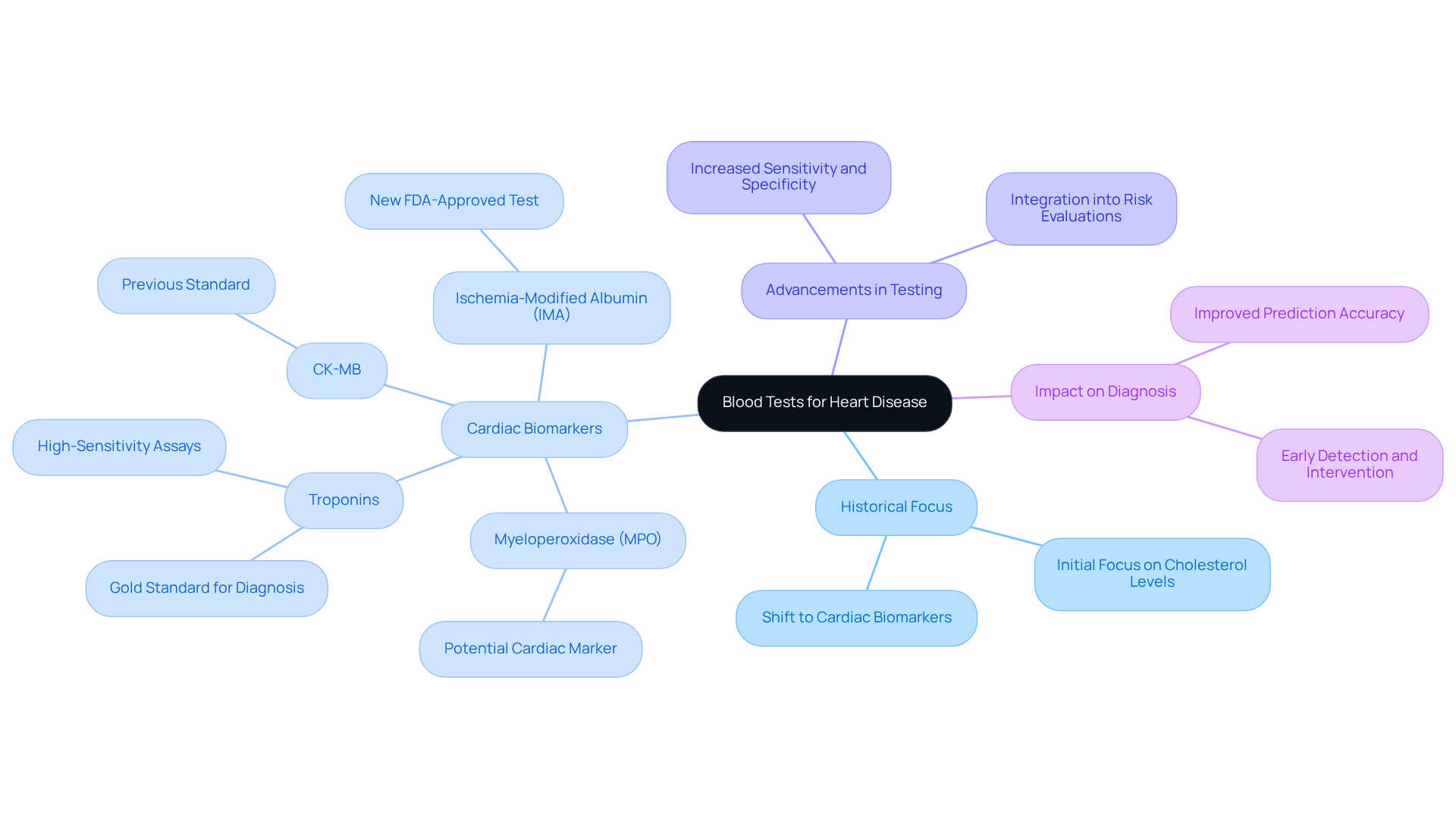
The journey of blood tests for heart disease in diagnosing cardiovascular conditions has significantly advanced, especially in the last few decades. Initially, cholesterol levels were the main focus, seen as the primary indicators of heart health. But as research progressed, we discovered cardiac biomarkers, particularly cardiac troponins, which have truly changed the game. These biomarkers are crucial for assessing heart muscle damage and are now considered the gold standard for diagnosing acute coronary syndromes.
Have you ever wondered how early detection can make a difference? The rise of high-sensitivity assays has greatly enhanced our ability to detect heart disease, making blood tests for heart disease crucial for earlier diagnosis and intervention. Studies show that incorporating troponin tests and blood tests for heart disease into risk evaluations can boost prediction accuracy by up to four times compared to traditional methods that rely solely on cholesterol levels. This is vital, especially since cardiovascular disease is the , claiming around 17.9 million lives each year.
Looking back, case studies reveal the evolution of cardiac biomarkers over the years. For instance, the shift from CK-MB to cardiac troponins as the preferred biomarker illustrates the increased specificity and sensitivity for myocardial injury. Additionally, the development of Ischemia-Modified Albumin (IMA) and Myeloperoxidase (MPO) as potential cardiac markers highlights ongoing research aimed at enhancing our diagnostic capabilities.
As Dr. Barry A. Franklin wisely pointed out, focusing on preventive cardiology and integrating advanced biomarkers into clinical practice is essential for improving patient outcomes. The continuous advancement of cardiac biomarkers not only aids in prompt diagnosis but also empowers healthcare professionals to tailor treatment approaches effectively. This ultimately leads to better management of cardiovascular conditions, ensuring that you receive the care you deserve.
If you have concerns about your heart health, don’t hesitate to reach out for support. Remember, you’re not alone in this journey, and there are resources available to help you navigate your health with confidence.
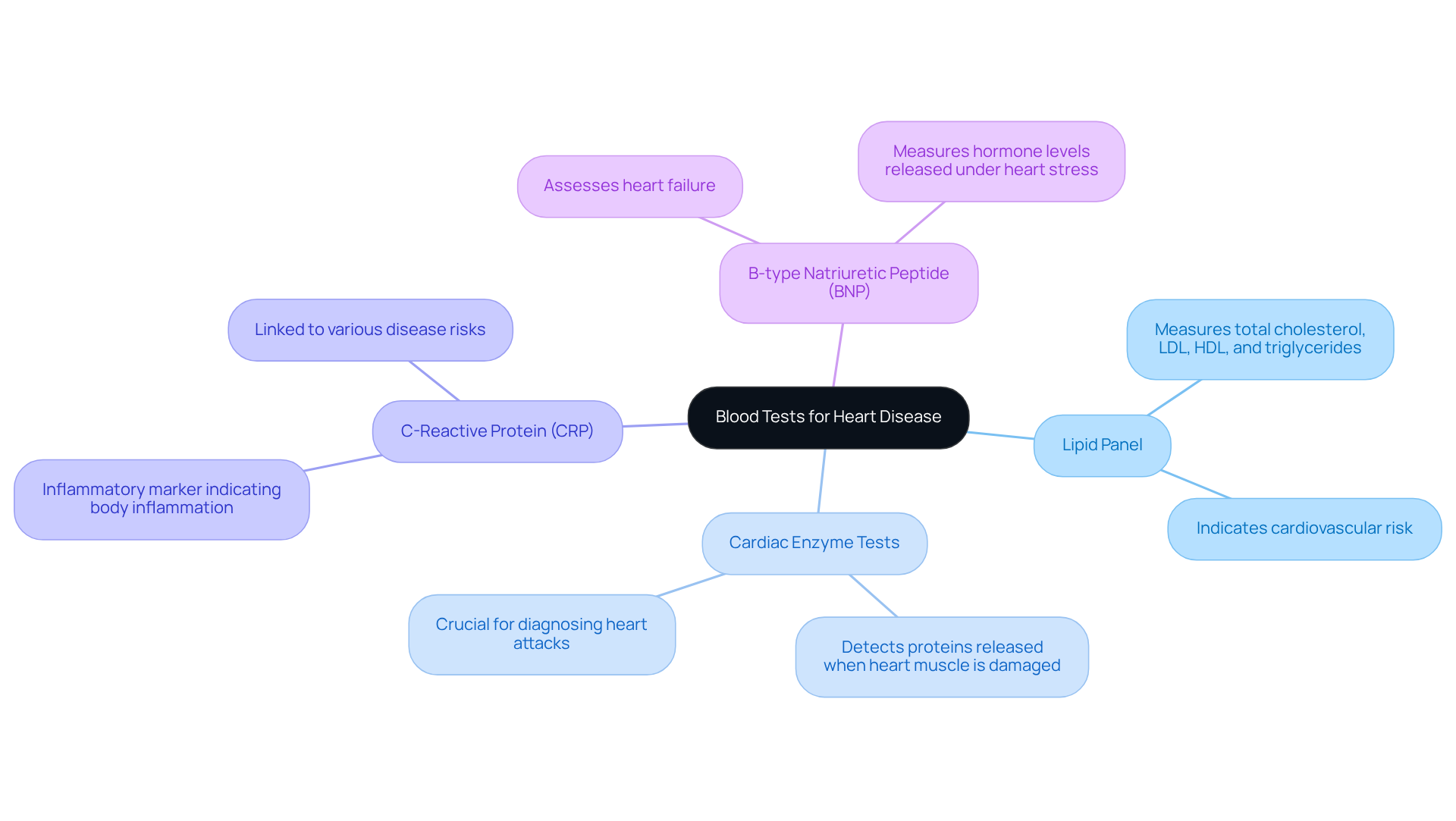
When it comes to your , understanding the right tests can make all the difference. Numerous important blood tests for heart disease are frequently utilized to evaluate cardiovascular wellness, each fulfilling a unique role. These include:
These blood tests for heart disease, among others, are integral to a comprehensive cardiovascular assessment. They guide treatment decisions and help monitor your progress.
In addition to these traditional methods, Amavita's CardioElite™ program enhances your care by integrating AI-powered ultrasound technology. This allows for real-time cardiac assessments right at your bedside. Imagine the peace of mind that comes with early detection of potential complications! This innovative approach empowers healthcare providers to make informed decisions swiftly, ultimately improving your outcomes.
Remember, you’re not alone in this journey. If you have any concerns about your heart health, don’t hesitate to reach out for support. Your well-being is our priority.
Blood tests for heart disease are vital tools for early detection and management of cardiovascular conditions. By examining key blood components, these tests help healthcare professionals assess risks, monitor existing issues, and create personalized treatment plans. As heart disease diagnostics evolve, the integration of advanced technologies and biomarkers improves the accuracy and timeliness of diagnoses, ultimately leading to better patient outcomes.
These tests play a crucial role in identifying risk factors like high cholesterol and inflammation. Various tests, such as:
Each serve a specific purpose in evaluating cardiovascular health. Furthermore, advancements in diagnostic technologies, like Amavita's CardioElite™ system, highlight the importance of combining traditional blood tests with innovative approaches to provide comprehensive cardiac care.
Given the rising prevalence of heart disease, proactive monitoring through blood tests is essential, especially for those at higher risk. Regular screenings and early interventions can significantly enhance health outcomes and improve quality of life. By prioritizing heart health and utilizing available resources, individuals can take informed steps toward effective disease management and prevention.
So, why not take that first step today? Reach out to your healthcare provider to discuss your heart health and the importance of regular blood tests. Remember, you’re not alone on this journey; support is available, and taking action now can lead to a healthier future.
What is the purpose of blood tests for heart disease?
Blood tests for heart disease are vital for identifying cardiovascular disease by analyzing various blood components that signal circulatory conditions, such as cholesterol levels, cardiac enzymes, and inflammatory markers.
How do blood tests help healthcare professionals?
These tests allow healthcare professionals to assess a patient's risk of cardiovascular disease, monitor existing conditions, and guide treatment options.
What specific blood test is preferred for detecting cardiac muscle injury?
High-sensitivity troponin assessments have become the preferred method for detecting cardiac muscle injury, significantly improving diagnostic accuracy.
What percentage of cardiovascular disease diagnoses are made through blood tests?
About 70% of cardiovascular disease diagnoses are made through blood tests for heart disease.
What recent research findings highlight the effectiveness of blood tests for predicting heart attack risk?
A study involving over 169,000 individuals identified around 90 molecules linked to the risk of a first cardiac event, showcasing how current sample collections can predict heart attack risk.
Why are timely examinations important in heart health?
Timely examinations can lead to early interventions, ultimately improving patient outcomes, as emphasized by cardiologists.
What advancements are expected in cardiovascular diagnostics by 2025?
Ongoing research aims to enhance the predictive capabilities of blood tests, combining them with other diagnostic methods like ECGs for a more comprehensive understanding of cardiovascular health.
What is the CardioElite™ system, and how does it contribute to cardiac care?
The CardioElite™ system, powered by AISAP's FDA-approved AI ultrasound diagnostic platform, offers real-time analysis and immediate insights into cardiac structure and function, improving treatment strategies.
How does Amavita support the implementation of advanced cardiac care?
Amavita provides advanced staff training and certification pathways, allowing facilities to elevate their cardiac care standards without needing additional hires or capital investment.
What challenges do skilled nursing facilities face regarding cardiac care?
In skilled nursing facilities, 25% of patients with cardiac failure depend on post-acute care, highlighting the need for effective cardiac care strategies.