


Calcification in heart conditions poses a significant threat to cardiovascular health, often leading to serious complications such as coronary artery disease and heart valve disorders. It's important to recognize that these issues can be concerning, especially for older adults who may feel anxious about their health. This article delves into the causes, treatment options, and preventive measures associated with calcified heart conditions, offering you valuable insights into managing your heart health.
As the prevalence of these conditions rises, understanding how mineral deposits affect the heart becomes increasingly critical. In addition to this, it’s essential to explore what strategies you can adopt to mitigate these risks and enhance your cardiovascular well-being. Remember, you are not alone in this journey; support and resources are available to help you navigate these challenges.
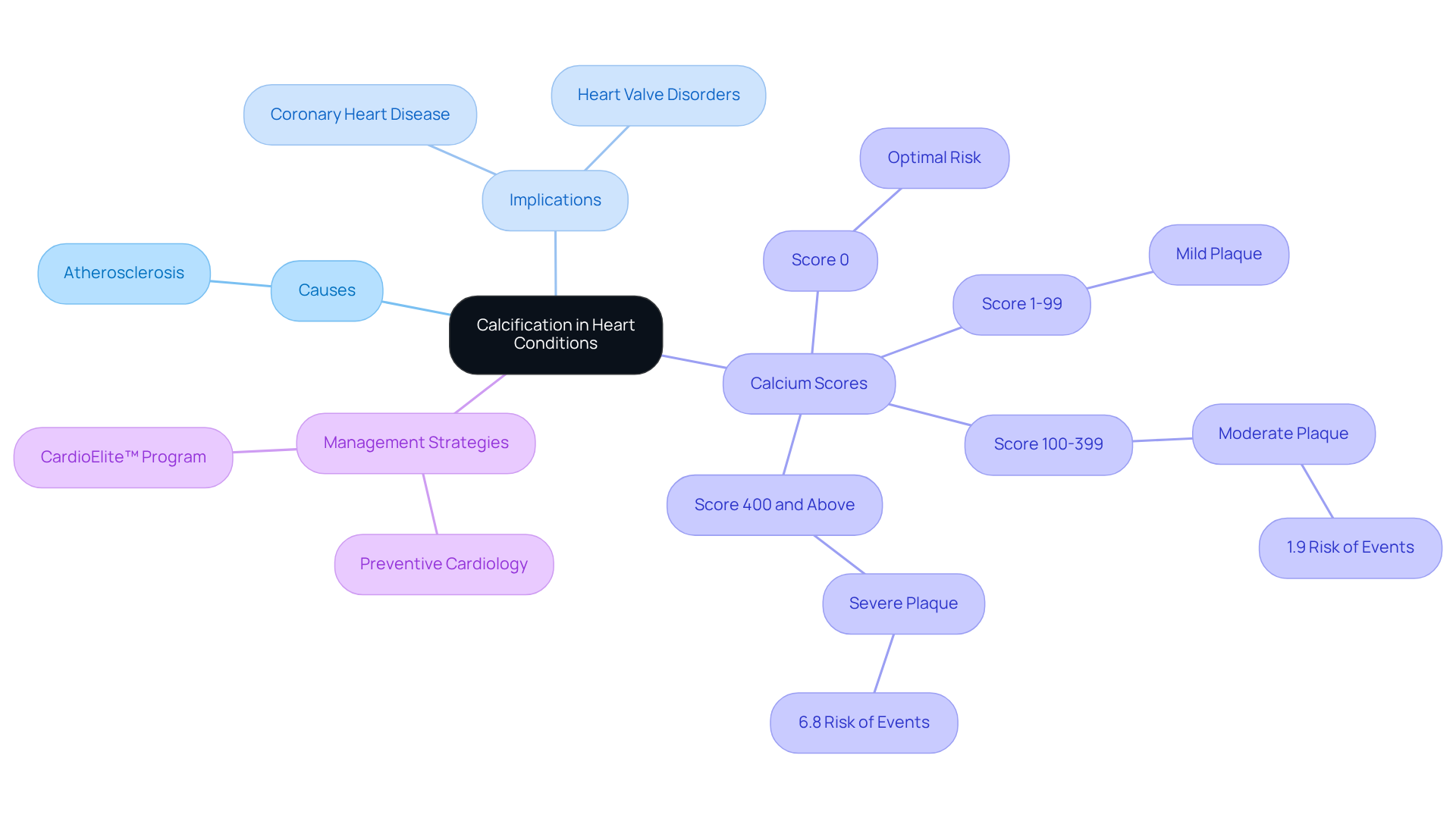
Calcification in cardiac conditions refers to the accumulation of calcium deposits within the tissues of the calcified heart, particularly affecting the coronary vessels and cardiac valves. This buildup can lead to the stiffening and narrowing of blood vessels, significantly obstructing circulation and increasing the risk of serious cardiovascular issues, such as (CAD) and heart valve disorders. Often resulting from atherosclerosis, calcification occurs when fatty deposits in the arteries undergo changes over time. This process is especially concerning for older adults, who may be more vulnerable to these changes due to age-related factors.
At Amavita Heart and ®, we emphasize the importance of , which include advanced imaging and testing, to effectively assess and address these challenges. Our preventive cardiology strategy combines advanced evaluation tools with personalized interventions, such as lifestyle changes and tailored to your specific condition. Recent studies indicate that (CAC) is a strong predictor of cardiovascular events. For instance, a is linked to a 6.8% chance of significant adverse cardiovascular events, while scores between 1 and 399 suggest a notably lower likelihood of 1.9%. A calcium score of zero is considered optimal, indicating no mineral deposits and a very low risk of cardiovascular incidents. These findings highlight the importance of , particularly in the elderly population, where conditions related to a calcified heart are common.
Real-world examples illustrate the impact of mineral deposits on health. Individuals with significant hardening often experience symptoms such as chest pain and shortness of breath, which can lead to more serious complications if not addressed. Understanding the implications of mineral deposits is crucial for , especially as the population ages and the prevalence of cardiovascular diseases rises. Our enhances cardiac care by providing advanced, real-time diagnostic data and 24/7 cardiology consultation, ensuring proactive management of cardiac patients and reducing the likelihood of readmissions.
In summary, recognizing the role of mineral deposit formation in coronary vessels and heart valves is vital for assessing cardio. With ongoing research shedding light on the processes and risks associated with mineral buildup, healthcare providers at Amavita can better tailor interventions to improve outcomes for at-risk patients. As noted by Federico Biavati, "," underscoring the critical need for monitoring and timely intervention.
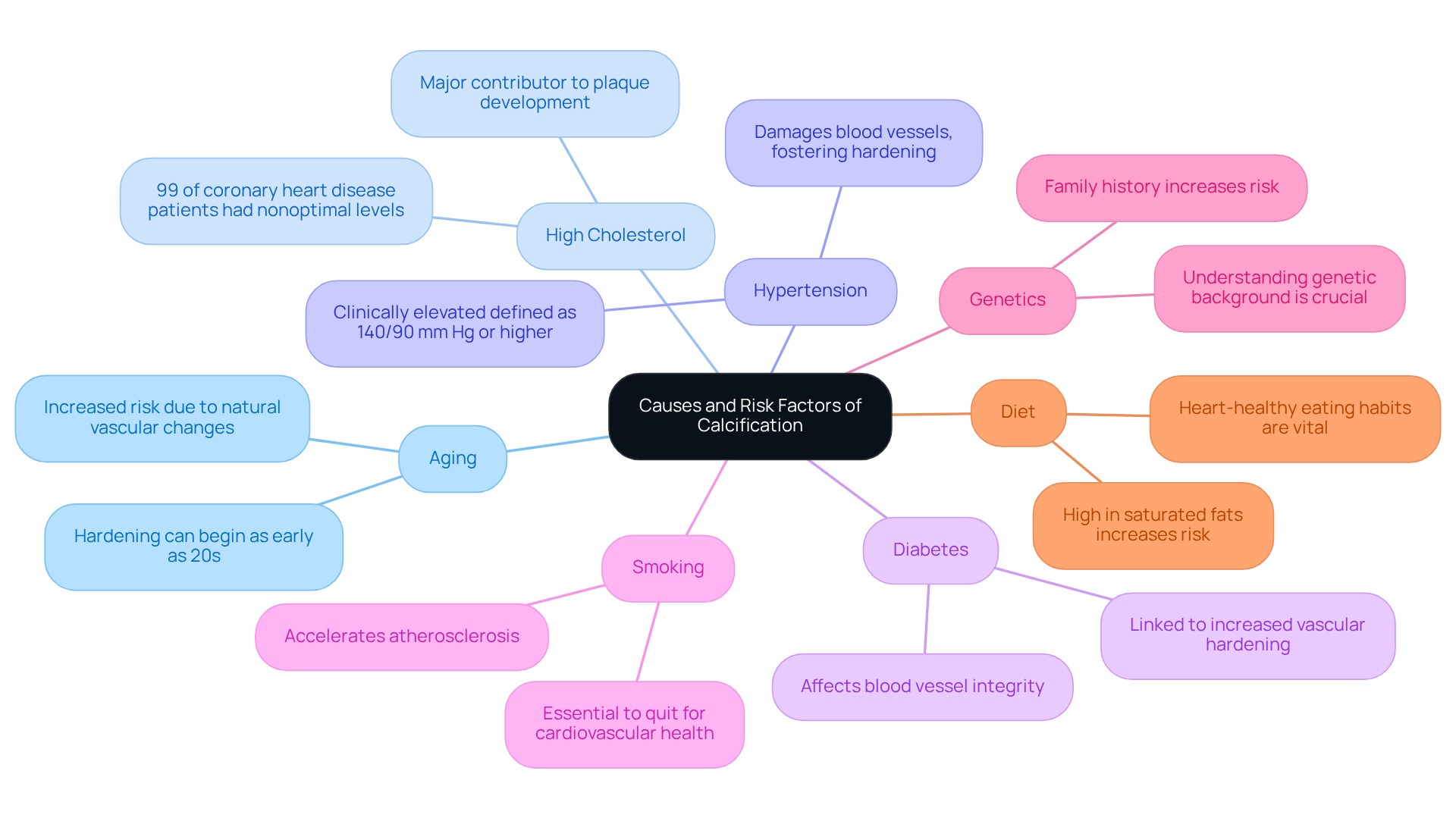
can lead to a , which may arise from various causes and s, and understanding these can empower you to take charge of your . Here are some important factors to consider:
Recognizing these factors is crucial, especially for seniors, as it allows for proactive management of . Remember, you are not alone in this journey—support is available, and taking steps now can lead to a healthier future.
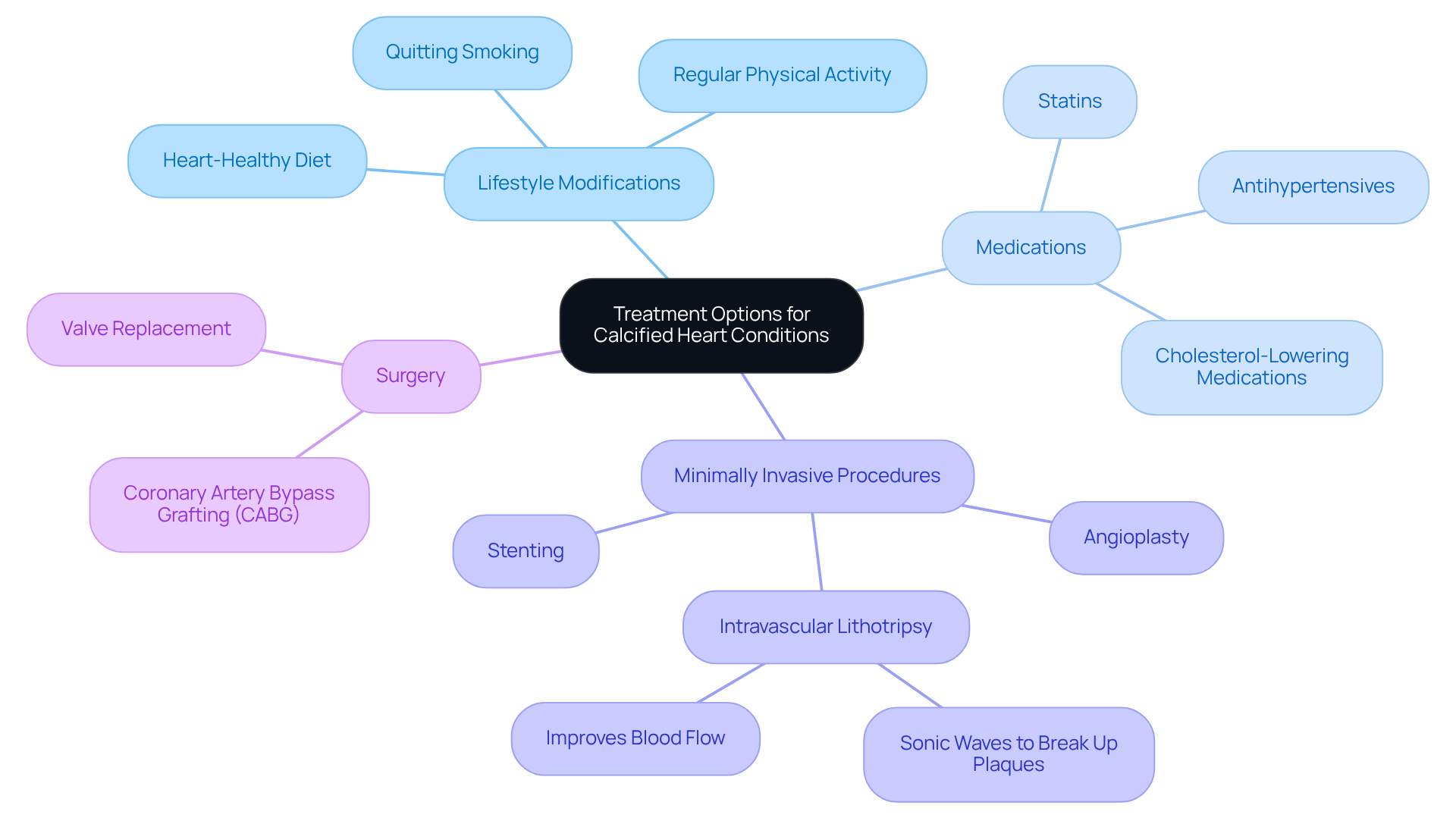
are tailored to meet individual needs based on the severity of mineralization and the specific cardiovascular issues at play. Understanding these options is essential for patients and caregivers, as it empowers them to make informed choices about their cardiovascular health.
We understand that navigating these treatment alternatives can be overwhelming. However, know that you are not alone on this journey. Our team is here to support you every step of the way, ensuring you feel informed and cared for as you take charge of your cardiovascular wellness.
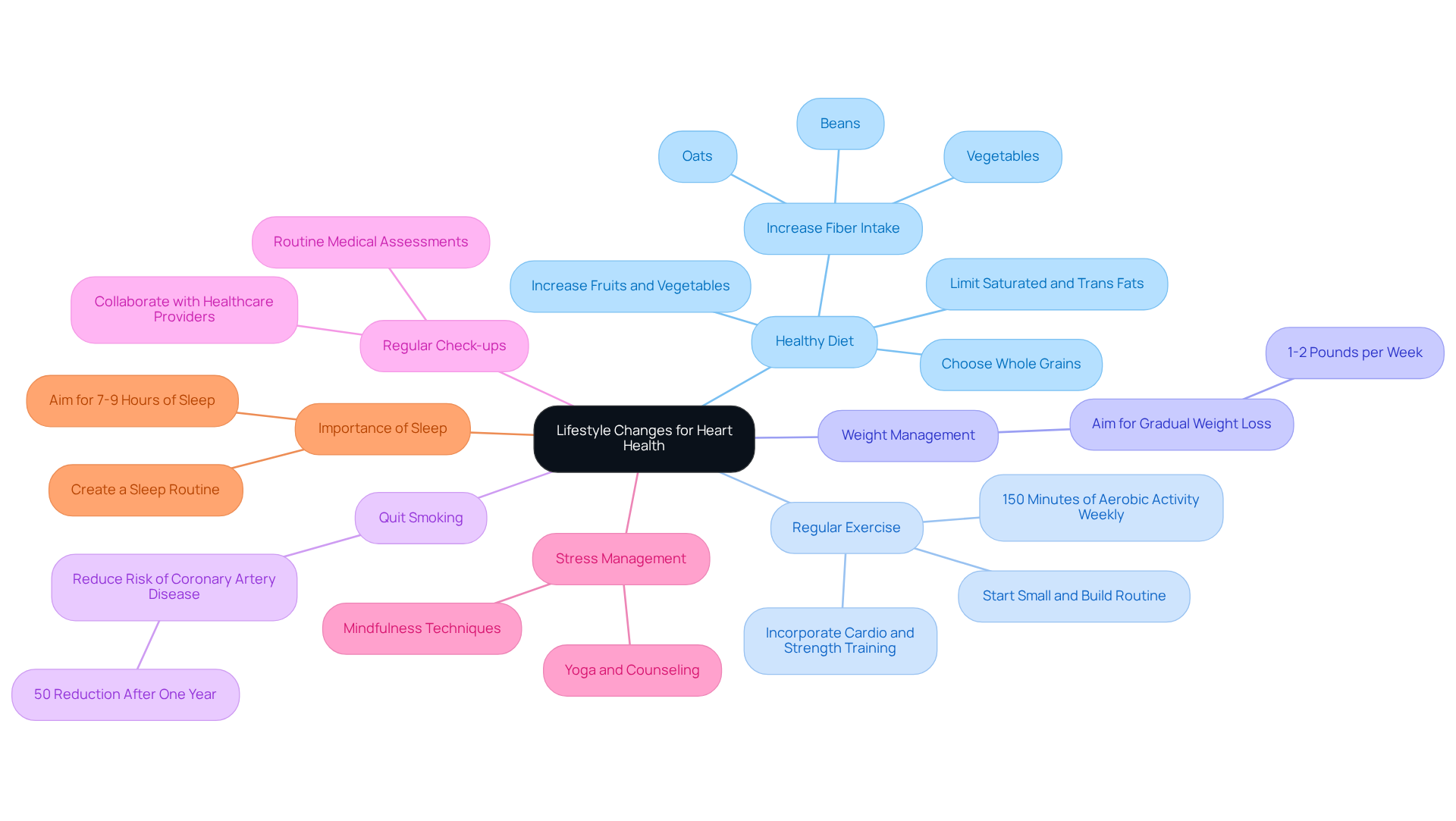
To effectively prevent and manage calcified heart conditions, individuals can adopt several impactful :
By integrating these changes into daily life, seniors can make substantial strides in improving their heart health and overall quality of life, supported by Amavita's commitment to personalized cardiac care.
Calcified heart conditions can pose significant challenges to cardiovascular health, primarily due to calcium deposits that accumulate in the heart's tissues. Understanding the implications of these deposits is crucial for effective management and treatment. It is essential to recognize calcification as a serious health concern, particularly for older adults, and to appreciate the need for comprehensive evaluations and personalized interventions to mitigate risks.
What causes calcification? Various factors contribute to this condition, including:
Fortunately, there are treatment options available, ranging from lifestyle modifications and medications to minimally invasive procedures and surgical interventions. Each of these approaches plays a vital role in managing and potentially reversing the effects of calcified heart conditions.
Ultimately, adopting preventive measures and making informed lifestyle changes can significantly enhance heart health and overall well-being. We encourage individuals to take proactive steps—such as maintaining a heart-healthy diet, engaging in regular exercise, and managing stress—to reduce the risk of calcification. By prioritizing cardiovascular health and staying informed about the latest research and treatment options, individuals can empower themselves to lead healthier lives and reduce the prevalence of calcified heart conditions. Remember, you are not alone in this journey, and support is available to help you every step of the way.
What is calcification in heart conditions?
Calcification in heart conditions refers to the accumulation of calcium deposits within the tissues of the heart, particularly affecting the coronary vessels and cardiac valves. This buildup can lead to stiffening and narrowing of blood vessels, obstructing circulation and increasing the risk of cardiovascular issues.
What causes calcification in the heart?
Calcification often results from atherosclerosis, where fatty deposits in the arteries undergo changes over time. Older adults are particularly vulnerable to these changes due to age-related factors.
Why is monitoring calcium levels in arteries important?
Monitoring calcium levels in arteries is crucial because a high calcium score can indicate a significant risk of cardiovascular events. For example, a calcium score of 400 or above is linked to a 6.8% chance of serious adverse cardiovascular events, while a score of zero indicates no mineral deposits and a very low risk.
What symptoms might indicate significant calcification in the heart?
Individuals with significant calcification often experience symptoms such as chest pain and shortness of breath, which can lead to more serious complications if not addressed.
How does Amavita Heart and Vascular Health® approach the assessment of calcification?
Amavita Heart and Vascular Health® emphasizes comprehensive cardiac evaluations that include advanced imaging and testing to assess and address calcification challenges. They combine evaluation tools with personalized interventions, such as lifestyle changes and minimally invasive therapies.
What is the CardioElite™ program?
The CardioElite™ program enhances cardiac care by providing advanced, real-time diagnostic data and 24/7 cardiology consultation, ensuring proactive management of cardiac patients and reducing the likelihood of readmissions.
What is the significance of ongoing research on mineral deposit formation in the heart?
Ongoing research is vital for understanding the processes and risks associated with mineral buildup, which helps healthcare providers better tailor interventions to improve outcomes for at-risk patients.