

Understanding cardiomyopathy is crucial for anyone facing the challenges of heart health. This condition affects the heart muscle's ability to pump blood effectively, which can lead to serious complications like heart failure. In this article, we will explore the various types of cardiomyopathy, the diagnostic procedures available, and the treatment options that can enhance patient care.
But with so many advancements in medical technology and treatment strategies, how can patients and caregivers feel confident in making informed decisions when faced with such a daunting diagnosis? It's natural to feel overwhelmed, but remember, you're not alone in this journey. There are resources and support systems available to help you navigate these complexities.
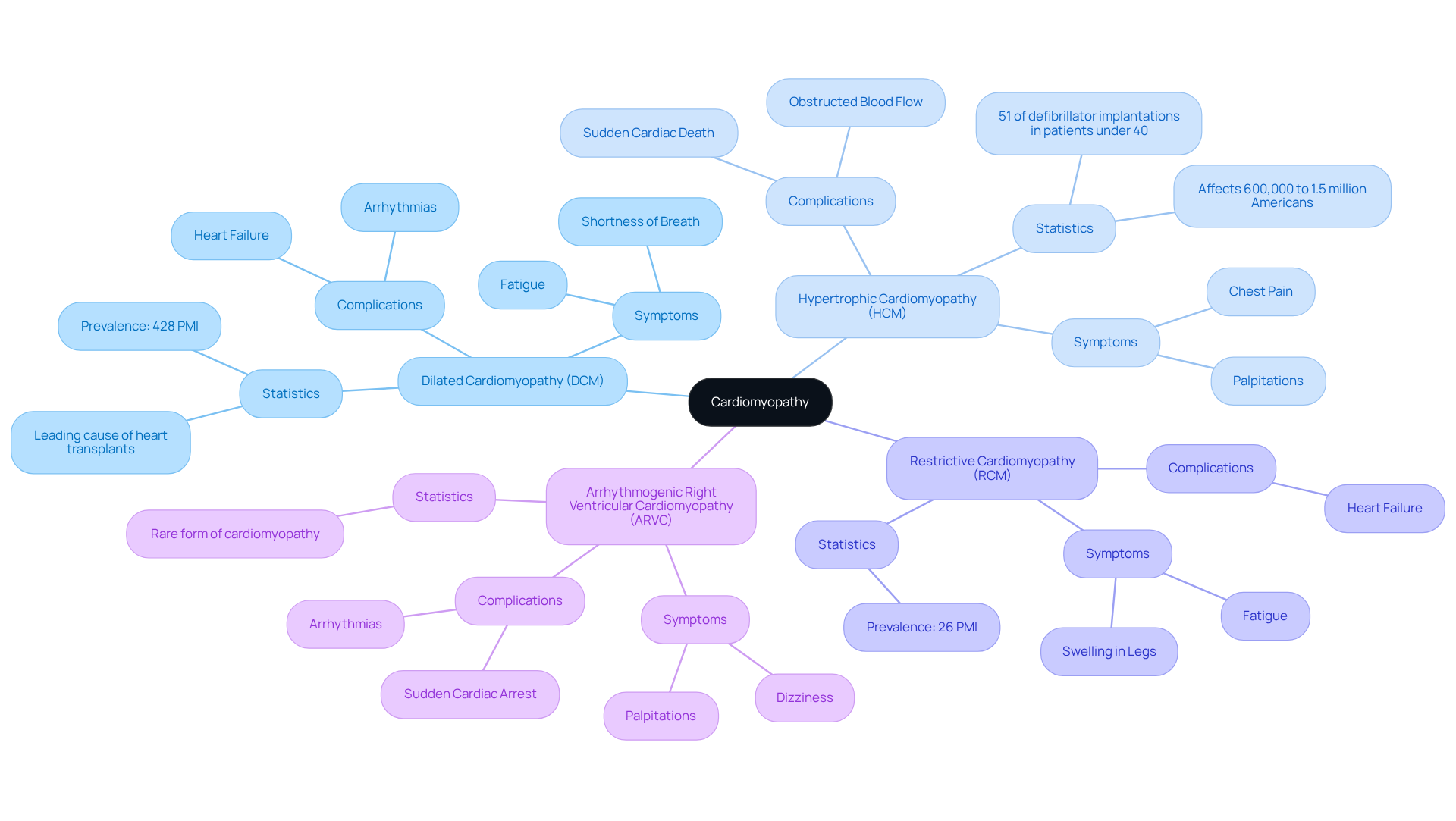
Cardiomyopathy is a condition that affects the heart muscle, making it harder for the heart to pump blood effectively. This can lead to serious issues, including heart failure. Understanding the is crucial for recognizing symptoms and determining the best options.
is essential for identifying symptoms and deciding on the appropriate . Recent studies show that contribute significantly to hospital admissions related to heart failure, with a notable number of cases involving individuals under 40. Cardiologists stress the importance of to improve outcomes for patients.
As treatments for continue to evolve, ongoing research is exploring innovative therapies, including gene therapy, which holds promise for conditions like HCM. Staying informed about these advancements can empower patients and caregivers to navigate the complexities of managing . Remember, you’re not alone in this journey; seeking support and understanding can make a significant difference.
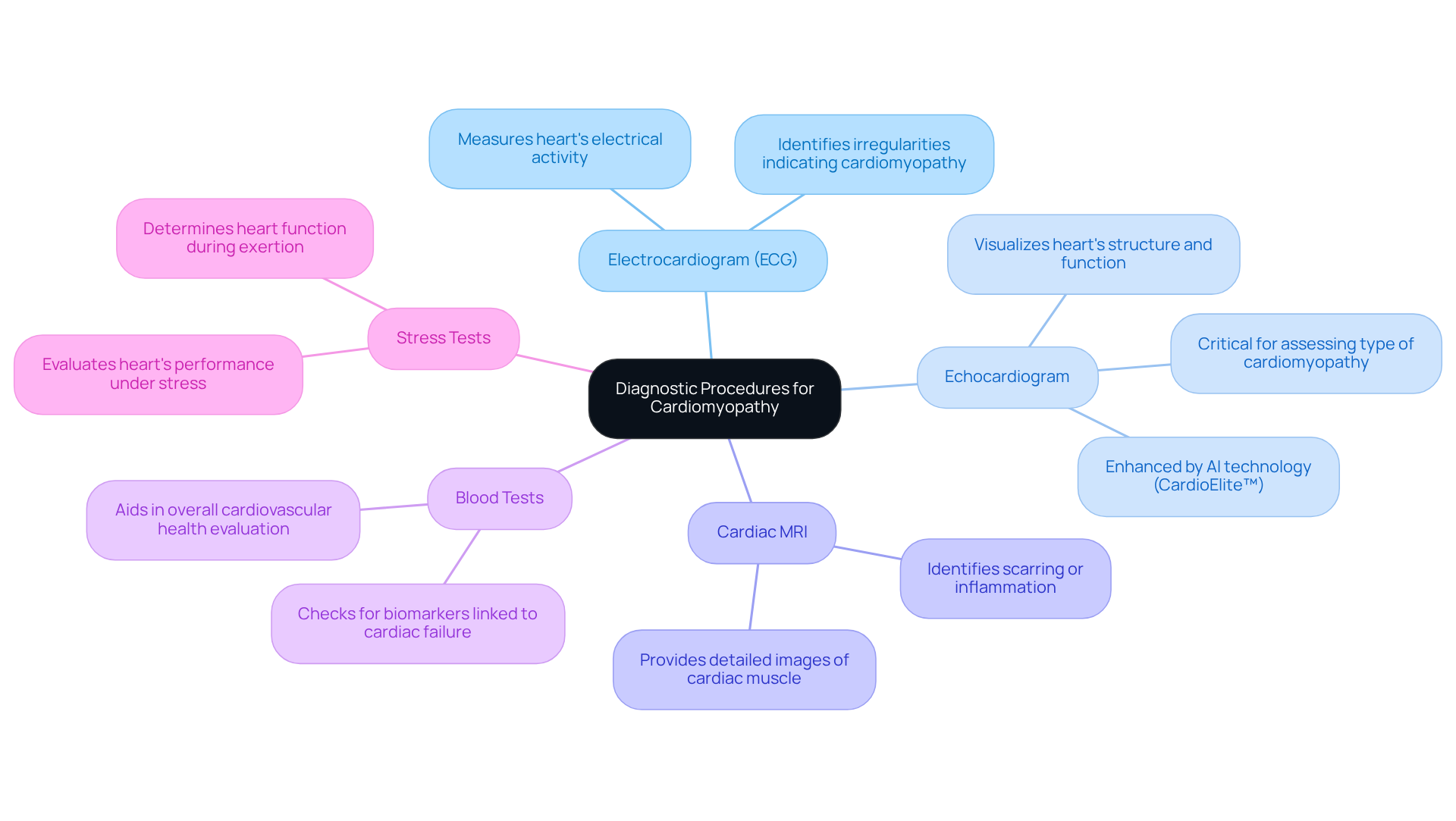
can feel overwhelming, but taking a comprehensive approach can make all the difference. It involves evaluating medical history, conducting physical examinations, and utilizing a range of diagnostic tests. Here are some key tools that can help:
Incorporating these diagnostic tools is essential for precisely determining the type of heart muscle disease and for developing an effective . Recent advancements in technology, such as AI-enhanced imaging through the , are improving diagnostic precision for the , ensuring that patients receive timely and appropriate care. This program not only enhances early detection but also supports comprehensive cardiovascular management, significantly reducing readmissions in skilled nursing facilities.
It's important to note that the CDC estimates 1 in 500 individuals may have a type of heart muscle disease, highlighting the need for early diagnosis. The significant decline in DCM-related mortality rates from 2005 to 2014 further emphasizes the effectiveness of early diagnosis and intervention. However, we must also address disparities in healthcare access. Studies show that rural populations face higher mortality rates due to a lack of timely diagnosis and treatment.
In 2023, the age-adjusted mortality rate (AAMR) for males was reported at 3.4, compared to 1.38 for females. This underscores the need for tailored to different demographics. If you or a loved one are experiencing symptoms or have concerns about , please reach out for support. You're not alone in this journey, and there are ready to help.
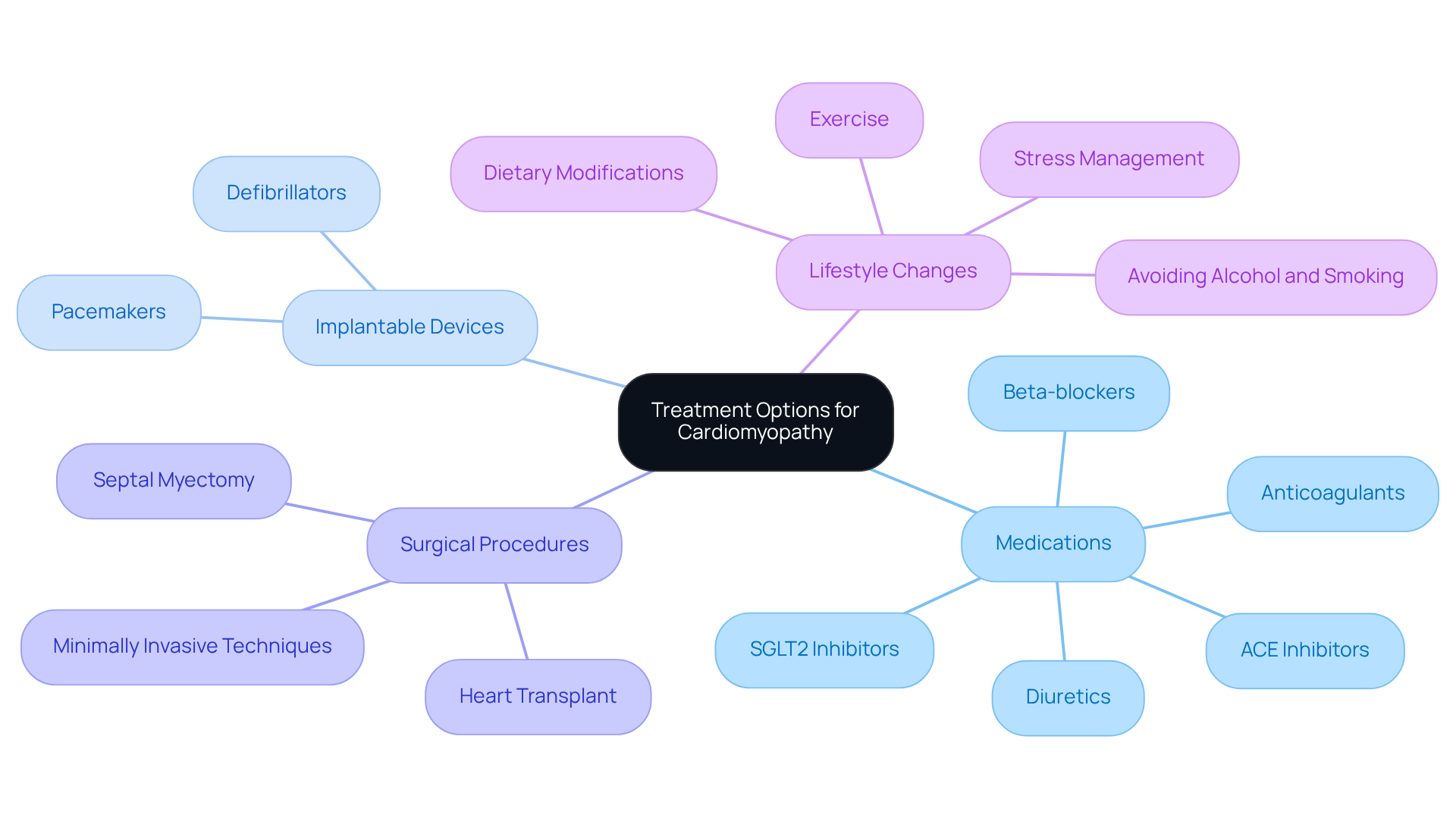
The can vary significantly depending on the type and severity of the condition. At Amavita Heart and Vascular Health, we understand that each individual has unique needs, especially those in skilled nursing facilities facing cardiovascular challenges. We offer a range of tailored to provide the best care possible.
At Amavita, we believe that each care strategy should be tailored to fit your specific condition and lifestyle. We emphasize outstanding support, which not only leads to favorable health outcomes but can also result in considerable cost savings. Remember, you’re not alone in this journey; we’re here to help you every step of the way.
Post-procedure care is essential for a smooth recovery from the at Amavita. It’s understandable to have concerns during this time, and we’re here to support you every step of the way. Here are some key aspects to consider:
Effective post-procedure care after a can greatly enhance your recovery outcomes and improve your quality of life. Remember, you’re not alone in this journey; we’re committed to providing the targeted you need.
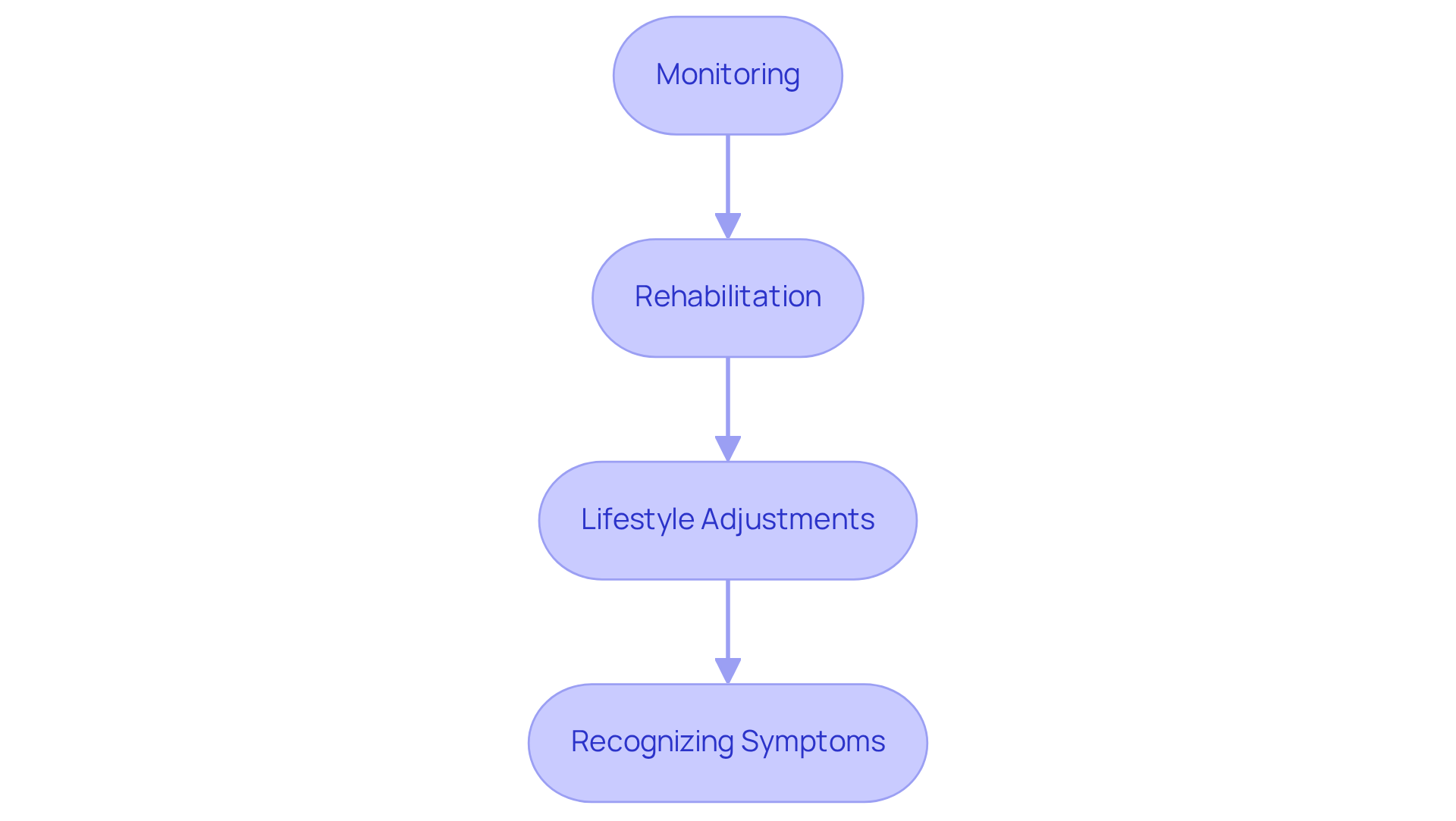
Understanding cardiomyopathy is crucial for recognizing its impact on heart health and the various medical procedures available for effective management. This condition, marked by changes in the heart muscle, requires awareness of its different types and the tailored approaches necessary for diagnosis, treatment, and recovery.
Have you ever wondered how early diagnosis can change the course of treatment? Advanced diagnostic tools like ECGs, echocardiograms, and cardiac MRIs play a vital role in accurately identifying the specific type of cardiomyopathy. In addition to this, the article highlights the diverse treatment options available, including medications, implantable devices, and lifestyle changes, all tailored to meet individual patient needs. Furthermore, the significance of post-procedure care and ongoing support for recovery underscores the comprehensive approach required to manage this condition effectively.
The journey through cardiomyopathy management can feel overwhelming, but remember, knowledge and support can empower both patients and caregivers. Staying informed about the latest advancements in cardiomyopathy treatment and engaging with healthcare professionals can lead to improved outcomes and a better quality of life. It's crucial to advocate for your health, seek timely intervention, and embrace a proactive approach to heart health. After all, no one should have to navigate this path alone.
What is cardiomyopathy?
Cardiomyopathy is a condition that affects the heart muscle, making it harder for the heart to pump blood effectively, which can lead to serious issues such as heart failure.
What are the different types of cardiomyopathy?
The main types of cardiomyopathy include: - Dilated Cardiomyopathy (DCM): The most common type, where the heart's chambers enlarge, weakening the heart muscle. - Hypertrophic Cardiomyopathy (HCM): Characterized by thickening of the heart muscle, which can obstruct blood flow and lead to severe complications. - Restrictive Cardiomyopathy (RCM): Causes the heart muscle to become rigid, limiting its ability to expand and fill with blood. - Arrhythmogenic Right Ventricular Cardiomyopathy (ARVC): A rare form where the heart muscle is replaced by fatty or fibrous tissue, increasing the risk of arrhythmias and sudden cardiac arrest.
Why is it important to recognize the different types of cardiomyopathy?
Recognizing the different types of cardiomyopathy is crucial for identifying symptoms and determining the best medical procedure options for treatment.
How common is hypertrophic cardiomyopathy (HCM)?
HCM affects between 600,000 to 1.5 million Americans and often remains undiagnosed until later stages.
What are the potential complications of hypertrophic cardiomyopathy?
HCM can lead to severe complications, including sudden cardiac death, particularly in young athletes.
What is the significance of early diagnosis in cardiomyopathy?
Early diagnosis and tailored care strategies are essential for improving outcomes for patients with heart muscle diseases.
What advancements are being researched for treating cardiomyopathy?
Ongoing research is exploring innovative therapies, including gene therapy, which holds promise for conditions like HCM.
How can patients and caregivers navigate the complexities of managing heart muscle diseases?
Staying informed about advancements in treatment and seeking support and understanding can make a significant difference in managing heart muscle diseases.