


Chronic heart failure (CHF) can be particularly challenging for older adults, who often face atypical symptoms that make diagnosis and treatment more complicated. It’s essential to understand the nuances of CHF, as recognizing symptoms like fatigue, shortness of breath, and fluid retention in a timely manner can significantly enhance one’s quality of life. But with the rising prevalence of this condition, how can caregivers and patients feel equipped to navigate its complexities?
This article explores the key symptoms, diagnostic processes, and treatment options for CHF, offering valuable insights that can lead to better care and improved health outcomes. Remember, you’re not alone in this journey; support is available, and understanding your health is the first step towards managing it effectively.
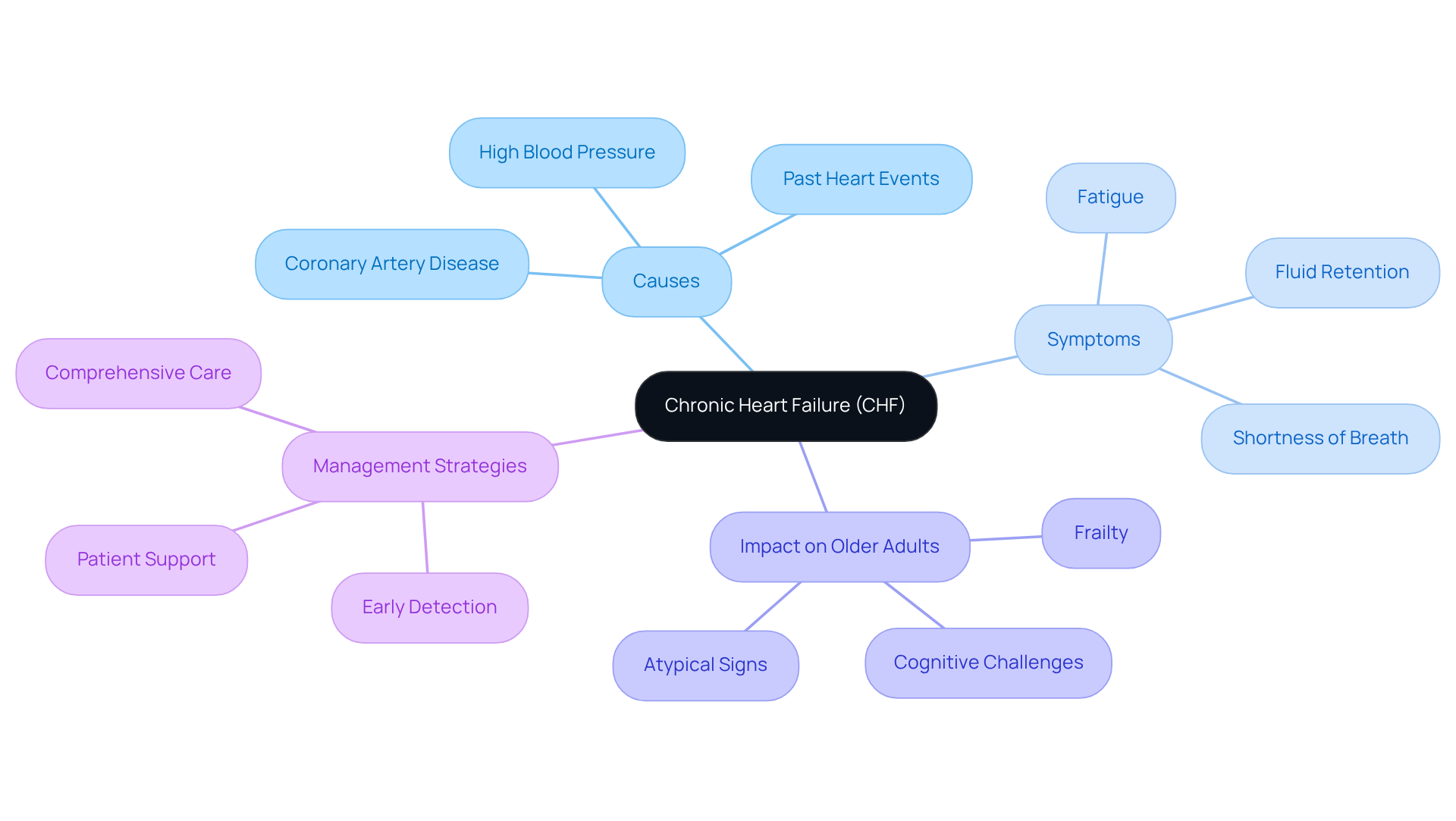
Chronic heart failure (CHF) can be a daunting diagnosis, as it means the heart struggles to pump blood effectively, which can leave the body wanting more. This condition often stems from issues like coronary artery disease, high blood pressure, or past heart events. Many patients experience chronic heart failure symptoms such as fatigue, shortness of breath, and fluid retention, which can deeply impact their daily lives. For older adults, the signs of CHF can sometimes be atypical, and they may also face other health challenges, making diagnosis and treatment more complex.
Did you know that CHF is particularly common among older adults? Studies show that up to 80% of elderly patients are affected. This age group often deals with heart dysfunction that preserves ejection fraction (HFpEF), linked to natural changes in the heart and blood vessels as we age. Additionally, conditions like hypertension and diabetes can complicate the management of CHF, making it even more crucial to approach care thoughtfully.
Understanding CHF is vital for improving health outcomes. Early detection and intervention can significantly enhance the quality of life for older adults. It’s important to consider the unique aspects of CHF in elderly patients, such as their potential for frailty and cognitive challenges, which can make sticking to treatment plans difficult. By adopting a comprehensive approach to CHF, healthcare providers can offer the support elderly patients need to navigate this challenging condition with confidence.
If you or a loved one is facing CHF, remember that you’re not alone. Seeking help and discussing your concerns with a healthcare professional can lead to better management and improved well-being. Together, we can work towards a healthier future.
Recognizing the chronic heart failure symptoms is vital for timely intervention, as they can be concerning. Here are some key signs to watch for:
Recognizing chronic heart failure symptoms is crucial for timely intervention and effective management. Early detection can significantly improve outcomes for older adults living with CHF. Amavita's groundbreaking AI-driven diagnostic technology, featuring a portable, FDA-approved AI ultrasound, enhances this process by offering real-time assistance for precise imaging and producing reports on cardiovascular structure and function within minutes. This capability supports healthcare providers in making informed decisions quickly, ultimately reducing hospital readmissions and enhancing cardiac care efficiency.
Furthermore, Amavita's technology is backed by AHA certification, ensuring adherence to high evidence-based care standards, which enhances credibility and increases referrals from hospitals. Studies indicate that chronic heart failure symptoms, including shortness of breath and fatigue, are prevalent among this demographic, underscoring the need for regular monitoring and proactive healthcare measures. CHF affects millions of people worldwide, often caused by conditions like coronary artery disease and high blood pressure. Lifestyle changes, including a heart-healthy diet and regular exercise, are essential in managing CHF and improving quality of life.
If you or a loved one are experiencing any of these symptoms, please don’t hesitate to reach out for support. You’re not alone in this journey, and there are resources available to help you manage your health.
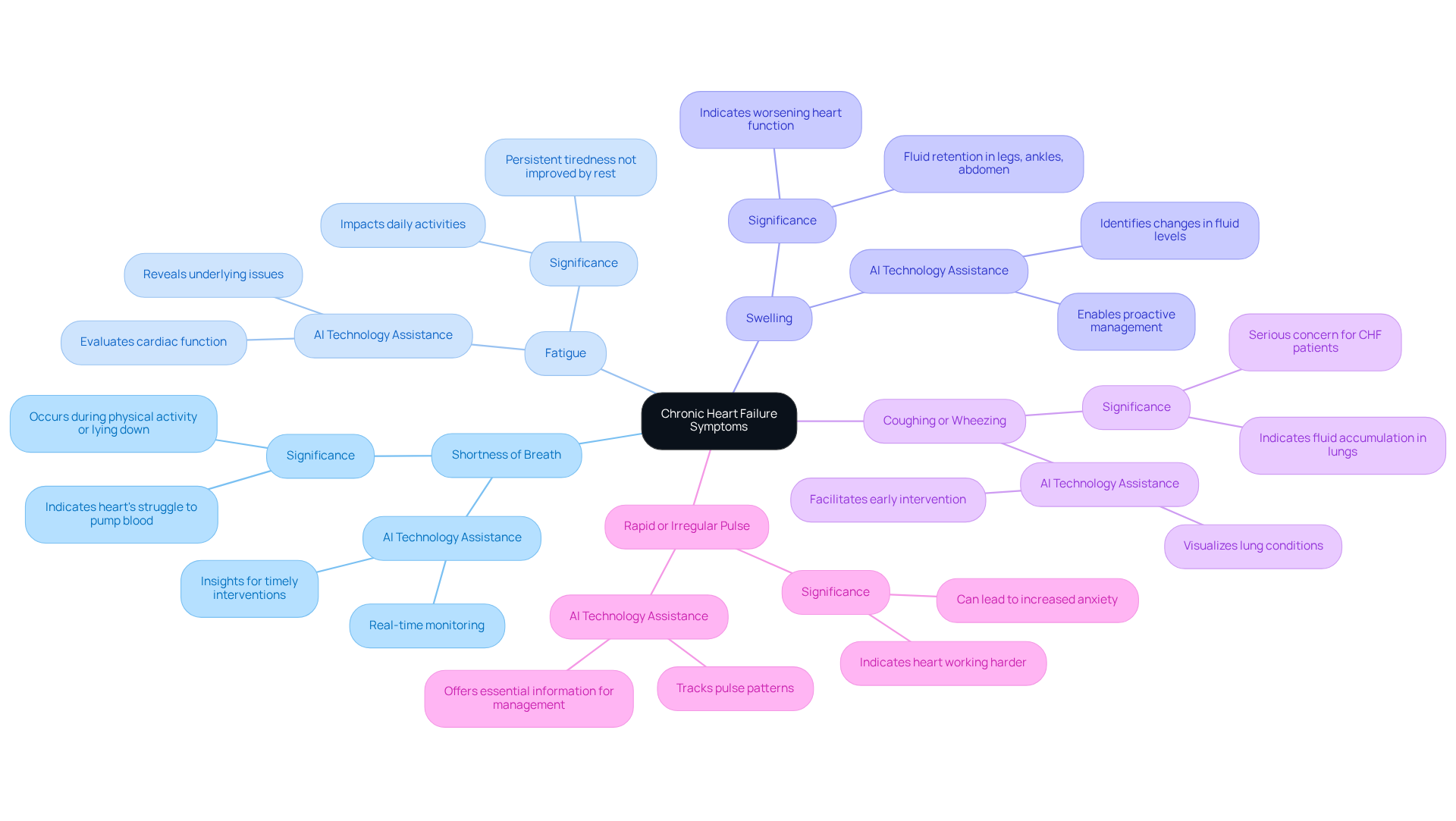
Recognizing early warning signs of persistent cardiac issues is crucial for timely intervention. Here are some key symptoms to keep an eye on:
Being aware of these signs allows you and your loved ones to seek medical advice promptly. Recent studies highlight that recognizing these symptoms early can greatly improve outcomes for older patients, as timely intervention can help prevent further complications. Healthcare professionals stress the importance of monitoring these indicators closely, especially in seniors, where the risk of chronic heart failure is heightened.
Amavita's CardioElite™ program supports this proactive approach by offering advanced, real-time diagnostic data and 24/7 cardiology consultations, helping you manage these symptoms more effectively. By understanding and recognizing these early signs, you can take meaningful steps toward better cardiovascular health. If you have a family history of heart disease, it’s especially important to be vigilant, as having a sibling with cardiovascular issues increases the risk of a heart attack by 45%. Regular check-ups and monitoring these signs are essential for maintaining your heart health.

When it comes to chronic heart failure symptoms, understanding the diagnostic process can feel overwhelming. Let’s break it down together, step by step, so you can feel more at ease.
Medical History Review: We start with a thorough assessment of your symptoms, medical history, and family background. This step is crucial for identifying risk factors like high blood pressure or diabetes, which can influence chronic heart failure symptoms and your heart health.
During the physical examination, we will look for signs of chronic heart failure symptoms. This includes looking for swelling, unusual sounds, or fluid in your lungs as part of identifying chronic heart failure symptoms. It’s all about ensuring we have a complete picture of your heart’s health.
Diagnostic Tests:
Functional Assessment: Finally, we assess your ability to carry out daily tasks. This helps us understand the severity of any issues related to chronic heart failure symptoms you may be facing.
At Amavita Heart and Vascular Health®, we’re dedicated to providing you with comprehensive cardiac evaluations that lead to precise diagnoses without delay. Our advanced imaging and testing are all available in one location, tailored specifically to your unique condition, lifestyle, and goals. This thorough approach not only ensures accurate diagnosis but also allows us to create customized treatment strategies. Our aim is to significantly reduce your risk of cardiac events through personalized interventions.
Remember, you’re not alone in this journey. We’re here to support you every step of the way.

At Amavita Heart and Vascular Health, we understand that living with chronic heart failure symptoms can be challenging. That’s why we offer a range of treatment options designed to support you every step of the way.
Medications play a crucial role in managing your condition. Commonly prescribed drugs include:
Lifestyle Changes are also vital in managing your health. Important modifications include:
In more severe cases, Advanced Therapies may be considered, such as implantable devices or organ transplantation. Our specialists use advanced diagnostic imaging to identify specific heart conditions, ensuring that your treatment plan is personalized and effective.
Understanding these options empowers you to work closely with your healthcare team at Amavita. Together, we can manage your condition effectively, providing you with the convenience of same-day care and innovative solutions. Remember, you’re not alone on this journey; we’re here to support you every step of the way.

Chronic heart failure (CHF) is a significant health challenge, especially for older adults. It affects the heart's ability to pump blood effectively, which can be concerning. Understanding this condition is essential for both patients and caregivers. By recognizing the symptoms and seeking timely intervention, you can greatly improve your quality of life.
Key symptoms of CHF, such as shortness of breath, fatigue, and fluid retention, are critical indicators for timely diagnosis and intervention. In addition to this, advanced diagnostic technologies, like Amavita's AI-powered tools, play a vital role in enhancing the monitoring and management of these symptoms. By staying vigilant and proactive, you can significantly influence your health outcomes and navigate the complexities of chronic heart failure with greater confidence.
Ultimately, awareness and education about chronic heart failure symptoms and management strategies are vital steps toward better health outcomes. Engaging with healthcare professionals, utilizing innovative diagnostic tools, and making lifestyle adjustments can lead to improved care and well-being. If you're facing the challenges of CHF, remember that support is available. Taking action can pave the way for a healthier future.
What is chronic heart failure (CHF)?
Chronic heart failure (CHF) is a condition where the heart struggles to pump blood effectively, which can lead to symptoms such as fatigue, shortness of breath, and fluid retention. It often arises from conditions like coronary artery disease and high blood pressure.
Who is most commonly affected by chronic heart failure?
CHF is particularly common among older adults, with studies indicating that up to 80% of elderly patients are affected. This age group often faces heart dysfunction that preserves ejection fraction (HFpEF) due to natural changes in the heart and blood vessels as they age.
What are the key symptoms of chronic heart failure?
Key symptoms of CHF include:
How can technology assist in managing chronic heart failure symptoms?
Amavita's AI-powered diagnostic technology can monitor symptoms like shortness of breath and fatigue, evaluate cardiac function, identify fluid retention, visualize lung conditions, and track pulse patterns. This real-time assistance helps healthcare providers make informed decisions quickly.
Why is early detection of chronic heart failure important?
Early detection and intervention can significantly improve health outcomes and quality of life for older adults with CHF. Recognizing symptoms promptly allows for timely management, reducing the risk of complications and hospital readmissions.
What lifestyle changes can help manage chronic heart failure?
Managing CHF typically involves lifestyle changes such as adopting a heart-healthy diet and engaging in regular exercise, which can improve overall quality of life for those affected by the condition.
What should someone do if they experience symptoms of chronic heart failure?
If you or a loved one are experiencing symptoms of CHF, it is important to reach out to a healthcare professional for support and management options. There are resources available to help navigate this condition.