


Chronic microvascular ischemic changes in the brain are a critical yet often overlooked aspect of neurological health. These changes are particularly concerning as they correlate with cognitive decline and an increased risk of dementia among the elderly. Understanding these alterations is essential because they can significantly impact brain function and overall quality of life.
With nearly 100% of individuals over 90 showing signs of this condition, it’s natural to feel anxious. You might wonder: how can we detect these changes early and manage them proactively? Addressing these concerns is vital, as early intervention can help mitigate the potential consequences of these silent yet significant alterations.
In addition to this, seeking support and guidance can make a world of difference. By reaching out to healthcare professionals, you can explore options that may enhance your cognitive health and well-being. Remember, you are not alone in this journey; there are resources and people ready to help you navigate these challenges.
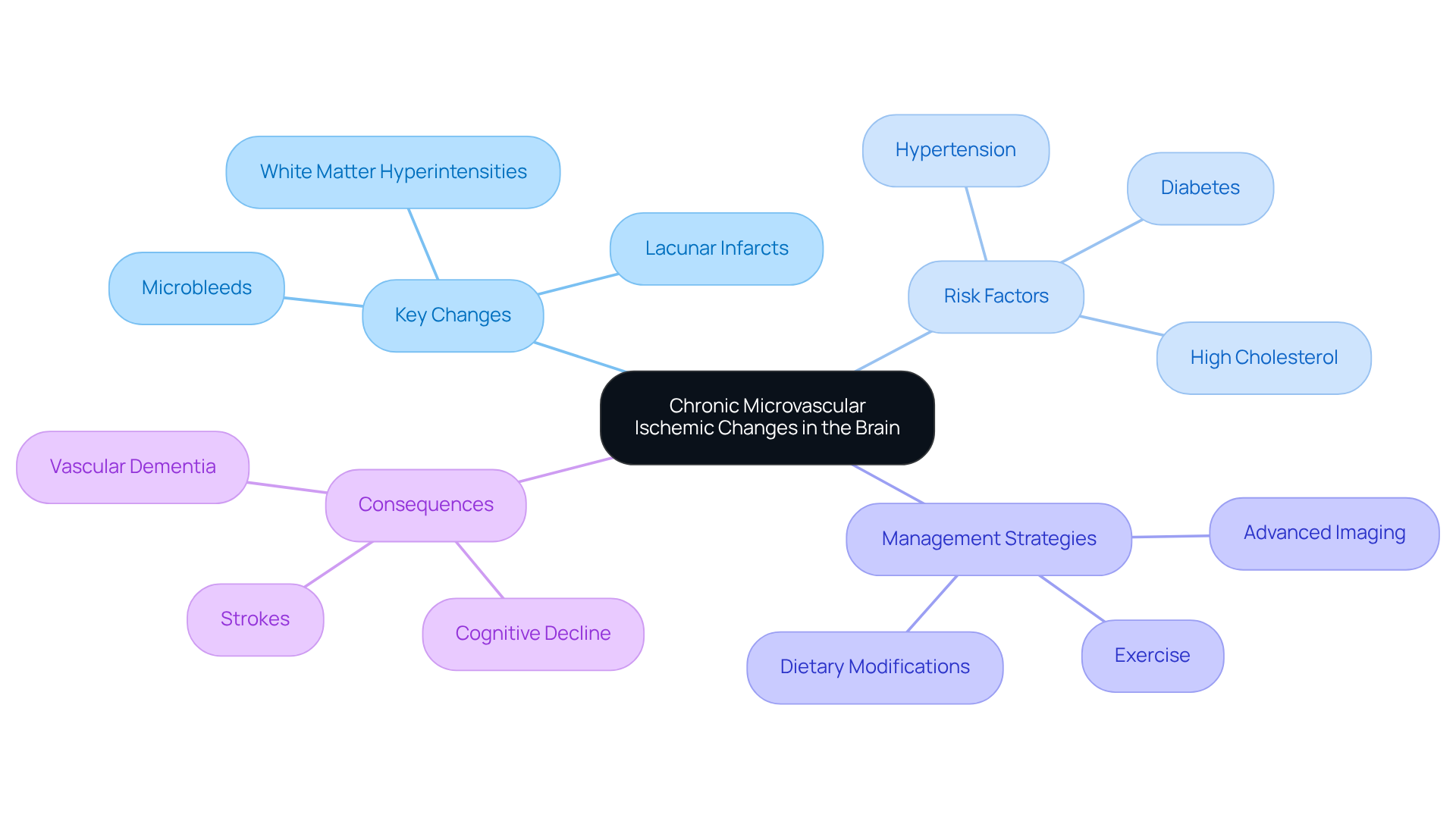
in the brain can be concerning, especially as they involve alterations in the small vessels that supply blood to this vital organ. These changes can lead to reduced blood flow and oxygen deficiency in brain tissues, which is particularly prevalent among older adults. Did you know that nearly 100% of individuals over 90 show signs of small blood vessel disease? This statistic highlights the importance of being aware of our brain health as we age.
Key changes associated with this condition include:
Over time, these alterations can significantly contribute to and other neurological issues. For instance, in the brain have been linked to an increased risk of . This connection underscores the need for early detection and proactive management.
Current research points to as major . At Amavita, we utilize like MRIs and CT scans to identify these changes. This allows us to provide focused tailored for high-risk patients.
In addition to medical interventions, consistent exercise and dietary modifications are essential for improving circulation and addressing these . Understanding in the brain is crucial for recognizing their and function. If left untreated, they can lead to , but we’re here to support you every step of the way. Remember, taking action now can make a significant difference in your health.
are increasingly recognized as a significant factor in , particularly among our elderly loved ones. can lead to , which is the second most common type of dementia after Alzheimer's disease. With an aging population and like obesity, diabetes, and hypertension, the prevalence of is increasing.
It is crucial to understand for the development of . After all, they can profoundly affect the and independence of older adults. Have you or someone you care about noticed changes in memory or thinking? It’s important to talk about these concerns, as support is available.
By addressing these issues early, we can work together to create a plan that promotes better health and well-being. Remember, you’re not alone in this journey. There are ready to help you navigate these challenges and improve your .

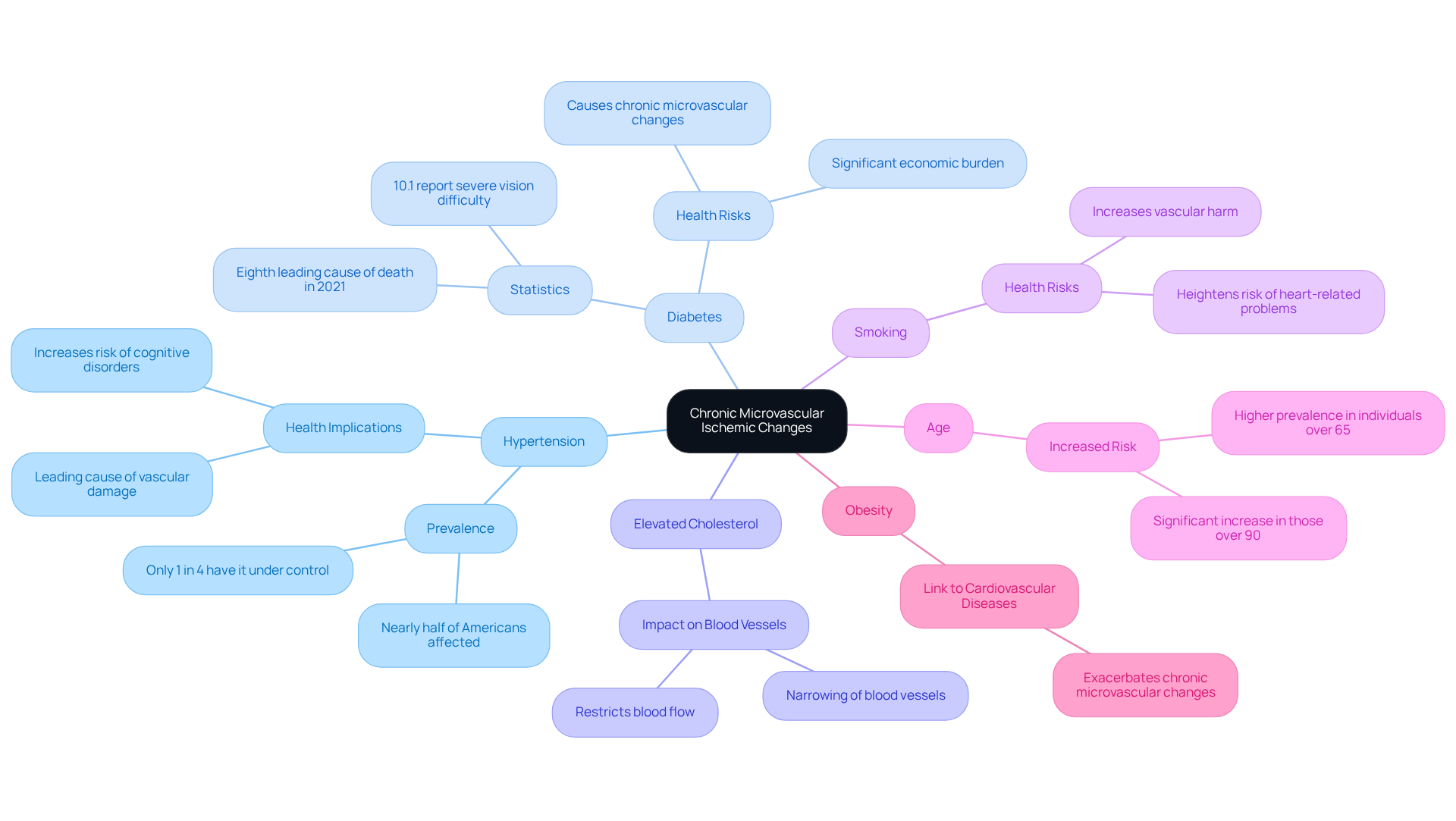
Persistent small vessel alterations in the brain can stem from various interconnected risk factors that significantly contribute to . Understanding these factors is essential for you and your loved ones. Here are some key contributors:
Recognizing these risk factors is crucial for implementing for chronic microvascular ischemic changes in the brain. By addressing these concerns, we can ultimately improve patient outcomes and quality of life. At Amavita, we are committed to providing comprehensive cardiovascular care that goes beyond standard practices. We ensure that high-risk patients receive the attention and they deserve. If you have any concerns about your health, please don’t hesitate to reach out for support. You are not alone in this journey.
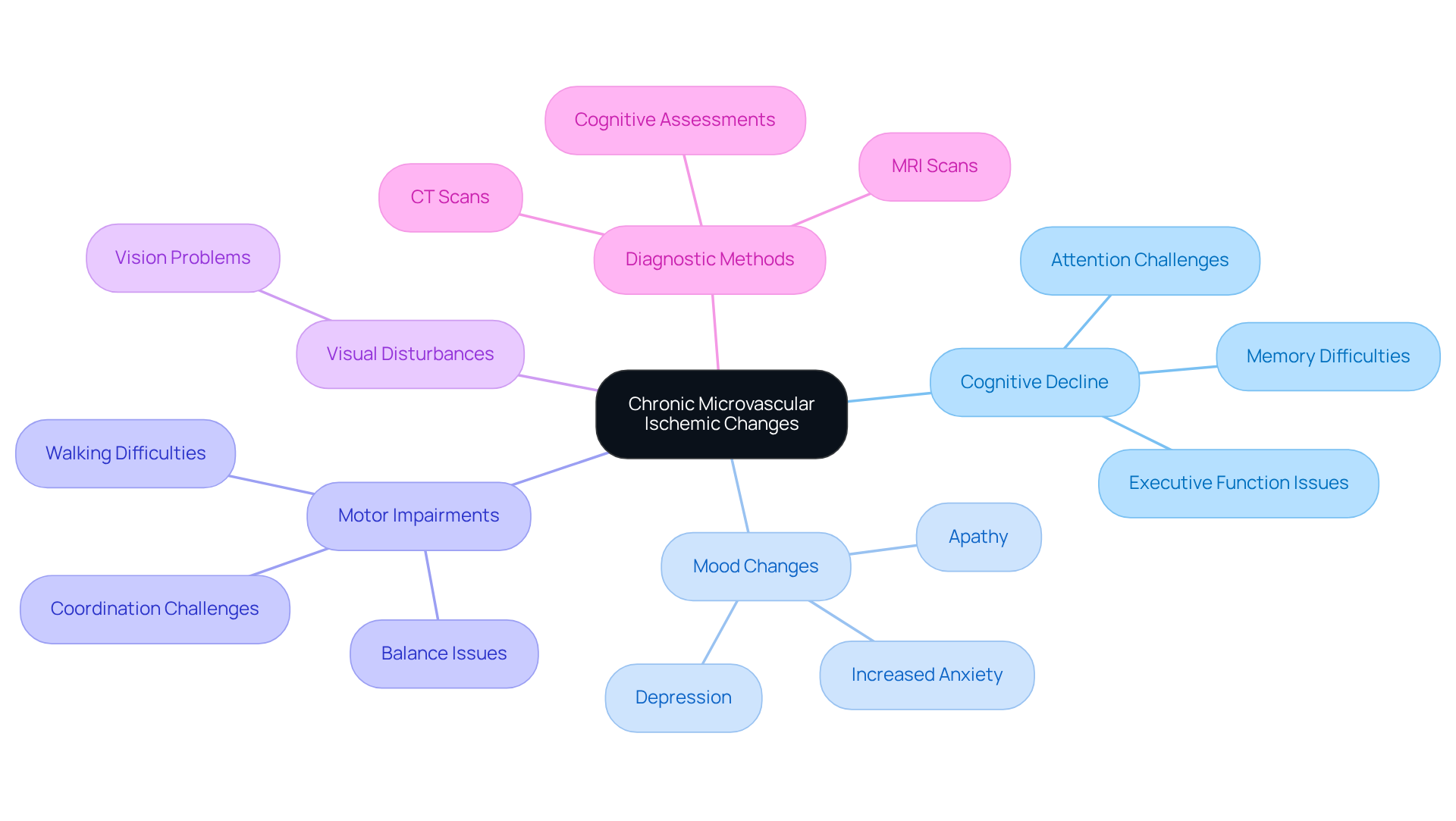
can show up in various ways, and it's important to recognize these symptoms early on.
To diagnose , healthcare providers typically use . These tests can help identify white matter lesions and . Comprehensive clinical evaluations, including , are essential for an accurate diagnosis.
Recognizing these symptoms early, along with appropriate diagnostic measures, can lead to better management strategies and improved outcomes. Remember, you’re not alone in this journey. Seeking help and support can make a significant difference in your quality of life.
Chronic microvascular ischemic changes in the brain are a significant concern for our brain health. These changes impact the small blood vessels that deliver essential nutrients and oxygen to this vital organ. Understanding these changes is crucial, especially since they are closely linked to cognitive decline and an increased risk of conditions like vascular dementia and stroke. By being aware and detecting these changes early, we can significantly improve outcomes, making it essential to prioritize brain health as we age.
In this article, we’ve explored key points, including:
We’ve highlighted the importance of advanced diagnostic techniques like MRIs and CT scans, along with the need for lifestyle modifications and medical interventions to manage these risks effectively. By recognizing these aspects, you can take proactive steps toward protecting your cognitive function and overall well-being.
Given the rising prevalence of chronic microvascular ischemic changes, it’s vital to adopt a proactive approach to brain health. Regular health check-ups, a balanced diet, and staying physically active are essential strategies that can help reduce risks. Have you considered discussing cognitive health openly with your loved ones? Seeking support when needed can empower you and your family to face these challenges together. Taking action today can lead to a healthier tomorrow, ensuring that brain health remains a priority for everyone.
What are chronic microvascular ischemic changes in the brain?
Chronic microvascular ischemic changes in the brain refer to alterations in the small blood vessels that supply blood to the brain, leading to reduced blood flow and oxygen deficiency in brain tissues.
Who is most affected by chronic microvascular ischemic changes?
These changes are particularly prevalent among older adults, with nearly 100% of individuals over 90 showing signs of small blood vessel disease.
What are the key changes associated with chronic microvascular ischemic changes?
Key changes include white matter hyperintensities, lacunar infarcts, and microbleeds.
How do chronic microvascular ischemic changes affect cognitive health?
Over time, these changes can significantly contribute to cognitive decline and increase the risk of vascular dementia and strokes.
What are the major risk factors for chronic microvascular ischemic changes?
Major risk factors include hypertension, diabetes, and high cholesterol.
How can chronic microvascular ischemic changes be detected?
Advanced imaging methods like MRIs and CT scans are used to identify these changes.
What interventions can help manage chronic microvascular ischemic changes?
Medical interventions, consistent exercise, and dietary modifications are essential for improving circulation and addressing risk factors.
Why is it important to understand chronic microvascular ischemic changes?
Understanding these changes is crucial for recognizing their impact on brain health and function, as untreated changes can lead to serious complications.