Introduction
Understanding congenital heart disease (CHD) in children is essential, as it stands as the most common type of birth defect, impacting about 1 in 100 newborns each year. This complex condition includes various structural heart defects that can lead to significant physical, emotional, and developmental challenges for affected children. Caregivers play a vital role in navigating these hurdles, yet many find themselves wondering how to best support their child's unique needs.
What strategies can caregivers employ to ensure their children not only survive but thrive amidst the complexities of CHD? By exploring effective approaches and seeking support, caregivers can foster an environment where their children can flourish.
Define Congenital Heart Disease and Its Impact on Children
Congenital heart disease in children includes a range of structural heart defects present at birth, which can significantly affect blood flow through the heart and the body. These defects vary widely, from mild conditions that may not need treatment to severe issues that require surgical intervention. Did you know that the Centers for Disease Control and Prevention (CDC) reports CHDs as the most common type of birth defect? They affect about 1 in 100 newborns in the United States each year.
The impact of CHD on children can be profound and multifaceted:
- Physical Health Issues: Many children with CHD face challenges like feeding difficulties, poor growth, and a greater risk of infections. There’s a strong link between developmental delays and congenital heart disease in children. Children with congenital heart disease often experience learning disabilities that can hinder their educational journey. In fact, nearly 60% of kids with congenital heart disease have special healthcare needs, compared to just 20% of those without.
- Emotional and Psychological Challenges: The stress of managing congenital heart disease can lead to feelings of anxiety, depression, and social withdrawal, complicating their overall well-being.
Understanding these effects is essential for caregivers. It helps them find the right resources and support systems for their children, ultimately leading to better health outcomes and an improved quality of life. Amavita's CardioElite™ program can be a crucial part of this journey, offering comprehensive cardiac management. This ensures that young patients with congenital heart disease receive the proactive care they need to thrive. Remember, you’re not alone in this - support is available, and together we can navigate these challenges.

Identify Learning and Educational Needs for Children with CHD
Children with congenital heart disease in children often face unique learning and educational challenges that can impact their academic performance and social interactions. It’s important to recognize these challenges and provide the necessary support.
Special Educational Needs: Did you know that children with heart defects are more likely to require special education services compared to their peers? Many young individuals who have congenital heart disease in children may struggle with learning disabilities or developmental delays. Early intervention is crucial to effectively address these needs and help them thrive.
Individualized Education Plans (IEPs): Collaborating with educators to create IEPs can make a significant difference. These plans should outline specific accommodations tailored to the student’s needs, such as extra time for tests or modified assignments. This personalized approach ensures that each child receives the support they deserve.
Monitoring Development: Regular evaluations of cognitive and emotional growth are essential. They can help identify areas where additional assistance is needed, whether it’s speech therapy, occupational therapy, or counseling services. Keeping a close eye on their development allows for timely interventions.
Collaboration with Educators: Open communication between caregivers and teachers is vital. Sharing information about the student’s condition and any specific challenges they may face in the classroom fosters a supportive environment. As researchers have noted, "These students face significant challenges in school performance," highlighting the importance of teamwork among parents, educators, and healthcare providers. Together, we can create a nurturing atmosphere that promotes learning and growth.

Collaborate with Healthcare Providers and Educators for Effective Care
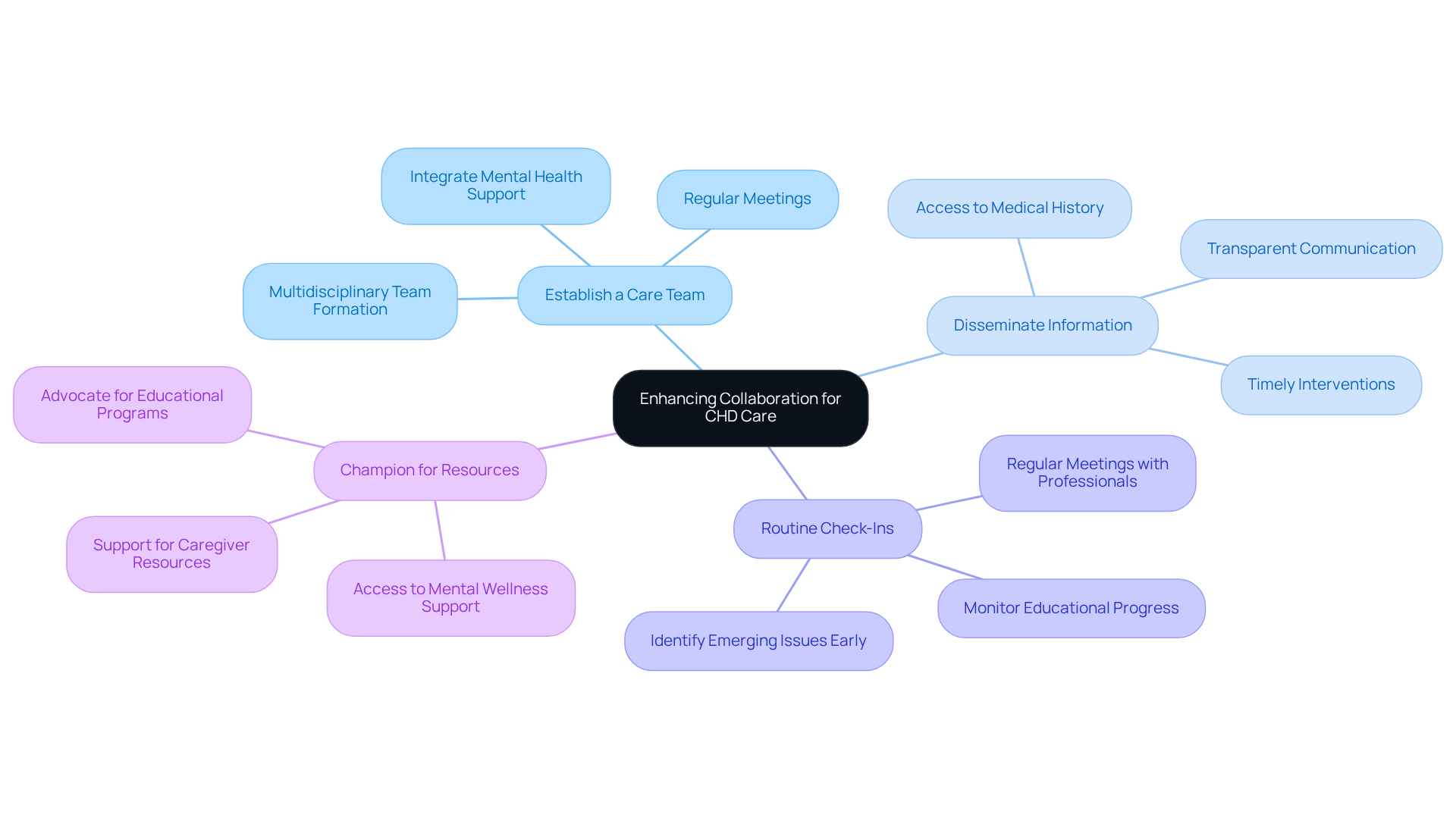
Collaboration among healthcare providers, educators, and caregivers is vital for effectively managing congenital heart disease in children. How can we enhance this collaboration to ensure our children receive the best care possible? Here are some compassionate strategies to consider:
- Establish a Care Team: Form a multidisciplinary team that includes pediatric cardiologists, primary care physicians, educators, and mental health professionals. This group should meet regularly to discuss the child's progress and adjust support plans as needed. As Dr. Nadine Kasparian emphasizes, integrating mental health support into CHD treatment is essential for addressing the emotional challenges faced by these children and their families.
- Disseminate Information: Caregivers must ensure that all members of the support team have access to the child's medical history, treatment plans, and educational evaluations. This transparency fosters informed decision-making. Research shows that effective communication among team members can significantly improve outcomes for children with CHD, allowing for timely interventions and adjustments to care plans.
- Routine Check-Ins: Schedule regular meetings with medical professionals and teachers to discuss the child's well-being and educational progress. This proactive approach helps identify any emerging issues early on. Studies indicate that children with CHD often experience developmental delays, making these check-ins crucial for monitoring their growth and addressing any concerns promptly.
- Champion for Resources: Caregivers should advocate for essential resources, such as specialized educational programs or mental wellness support, to ensure that the child receives comprehensive assistance. The American Heart Association highlights the importance of providing families access to mental health resources, as many parents report significant stress related to their child's health.
By implementing these strategies, caregivers can create a nurturing environment that enhances the overall well-being of children with CHD, ensuring they receive the best possible care throughout their development. Remember, you are not alone in this journey; support is available, and together we can make a difference.
Address Emotional and Psychological Needs of Children with CHD
Children with congenital heart disease in children often face emotional and psychological challenges that can significantly affect their overall well-being. It's essential to address these needs to support their development and enhance their quality of life. Here are some key strategies for caregivers:
- Recognizing Signs of Distress: It's important for caregivers to be attentive to signs of anxiety, depression, or behavioral issues in their children. Look for indicators like withdrawal from social activities, changes in appetite, or difficulty concentrating. Did you know that about 25% of youth with congenital heart disease in children experience intense fear, worry, or sadness, especially with certain types of defects? As Dr. Sood points out, "Many patients and caregivers have symptoms of anxiety, depression or PTSD at some point in their cardiac journey." This highlights the need to recognize these emotional challenges early on.
- Providing Emotional Support: Open communication about the child's condition and feelings is vital. Encouraging them to express their emotions and validating those feelings can help them process their experiences. Family dynamics play a significant role in a child's emotional well-being, and supportive conversations can create a healthier emotional environment. Dr. Sood emphasizes that "the pressure of cardiac treatment in the hospital and at home can influence the mental well-being of both patients and their family members."
- Seeking Professional Assistance: If emotional difficulties persist, caregivers should consider involving mental wellness experts who specialize in pediatric support. Therapy options, like cognitive-behavioral therapy and mindfulness-based interventions, can equip children with coping strategies and provide a safe space to discuss their feelings. Access to mental wellness services in a cardiac environment can be limited, so advocating for these resources is crucial. Dr. Sood advocates for proactive mental health care, stating, "By offering mental health care in a cardiac setting, we can prepare families for the mental health impact of congenital heart disease in children."
- Fostering Resilience: Encouraging children to engage in enjoyable activities and promoting a sense of normalcy can help build resilience. Support from peers and family is essential in helping youngsters navigate their emotional landscape. Special camps for children with congenital heart disease in children can provide both enjoyment and necessary medical assistance, improving their social interactions and emotional well-being.
By implementing these strategies, caregivers can significantly enhance the emotional and psychological well-being of children with congenital heart disease in children, helping them lead fulfilling lives despite their medical challenges. Remember, you’re not alone in this journey, and seeking support can make a world of difference.

Conclusion
Understanding congenital heart disease (CHD) in children is essential for caregivers navigating this complex condition. By recognizing the multifaceted nature of CHD - ranging from its physical health implications to its emotional and educational challenges - caregivers can provide better support for their children. This journey involves not just medical management but also addressing the emotional and psychological needs of these young patients, ensuring a holistic approach to their care.
Key insights highlight the importance of:
- Early intervention
- Individualized education plans
- Collaboration among healthcare providers, educators, and families
Caregivers are encouraged to advocate for resources that support both the physical and emotional well-being of children with CHD. By fostering open communication and establishing a strong support network, caregivers can significantly enhance their child's quality of life and educational experience.
Ultimately, the impact of congenital heart disease goes beyond medical treatment; it encompasses the emotional resilience and developmental growth of children. By prioritizing comprehensive care and actively seeking support, caregivers can empower their children to thrive despite the challenges posed by CHD. This journey may feel daunting, but with the right resources and a collaborative spirit, families can navigate these waters together, ensuring a brighter future for their children.
Frequently Asked Questions
What is congenital heart disease (CHD) in children?
Congenital heart disease in children refers to a range of structural heart defects present at birth that can significantly affect blood flow through the heart and the body.
How common is congenital heart disease among newborns?
According to the Centers for Disease Control and Prevention (CDC), congenital heart diseases are the most common type of birth defect, affecting about 1 in 100 newborns in the United States each year.
What are some physical health issues associated with CHD in children?
Children with congenital heart disease may face challenges such as feeding difficulties, poor growth, and a greater risk of infections. They are also at a higher risk for developmental delays and learning disabilities.
What percentage of children with congenital heart disease have special healthcare needs?
Nearly 60% of children with congenital heart disease have special healthcare needs, compared to just 20% of those without the condition.
What emotional and psychological challenges do children with CHD face?
Managing congenital heart disease can lead to feelings of anxiety, depression, and social withdrawal, which can complicate their overall well-being.
Why is it important for caregivers to understand the effects of CHD?
Understanding the effects of congenital heart disease is essential for caregivers as it helps them find the right resources and support systems for their children, leading to better health outcomes and improved quality of life.
What support is available for children with congenital heart disease?
Amavita's CardioElite™ program offers comprehensive cardiac management, ensuring that young patients with congenital heart disease receive proactive care to thrive. Support is available to help families navigate the challenges associated with CHD.
List of Sources
- Define Congenital Heart Disease and Its Impact on Children
- Latest research redefines neurodevelopmental risks, outcomes for congenital heart disease (https://newsroom.heart.org/news/latest-research-redefines-neurodevelopmental-risks-outcomes-for-congenital-heart-disease)
- New $8.5 million renewal grant fuels research on children's heart health (https://news-medical.net/news/20260107/New-2485-million-renewal-grant-fuels-research-on-childrens-heart-health.aspx)
- New Study Explores Placental Malperfusion's Impact on Fetal Health and Development in Congenital Heart Disease (https://prnewswire.com/news-releases/new-study-explores-placental-malperfusions-impact-on-fetal-health-and-development-in-congenital-heart-disease-302602797.html)
- Data and Statistics (https://cdc.gov/heart-defects/data)
- The Heart of the Matter: Congenital Heart Disease is a Public Health Priority | Newswise (https://newswise.com/articles/the-heart-of-the-matter-congenital-heart-disease-is-a-public-health-priority)
- Identify Learning and Educational Needs for Children with CHD
- Update on Education for Families and Patients with Pediatric Heart Disease: A Focus on Technological Advancements, Procedures, and Transitions of Care (https://professional.heart.org/en/science-news/update-on-education-for-families-and-patients-with-pediatric-heart-disease)
- Children with congenital heart defects struggle with reading, math (https://cardiovascularbusiness.com/topics/clinical/structural-heart-disease/children-congenital-heart-defects-struggle-reading-math)
- Pediatric Heart Network (https://pediatricheartnetwork.org/forparents/communicating-with-schools-and-teachers)
- Children's Health and Educational Needs (https://cdc.gov/heart-defects/living-with/learning-and-educational-needs-for-children.html)
- Collaborate with Healthcare Providers and Educators for Effective Care
- Mental Health Care Vital to Congenital Heart Disease Care - Research Horizons (https://scienceblog.cincinnatichildrens.org/mental-health-care-vital-to-congenital-heart-disease-care)
- Coordinated care important for children with Down syndrome and congenital heart disease (https://newsroom.heart.org/news/coordinated-care-important-for-children-with-down-syndrome-and-congenital-heart-disease)
- Case Study: Congenital Heart Defect in Infant (CHD) (https://studocu.com/en-us/document/independence-university/pediatric-nursing/case-study-chd/10908099)
- Collaboration Examples | Clinician Resources (https://clinicianresources.bcm.edu/about/ccit/ccit-case-studies)
- Developmentally Supportive Care in Congenital Heart Disease: A Concept Analysis - PMC (https://pmc.ncbi.nlm.nih.gov/articles/PMC6567997)
- Address Emotional and Psychological Needs of Children with CHD
- Emotional and Family Issues in Children With Heart Disease (https://gradyhealth.staywellsolutionsonline.com/ReturningtoCare/90,P01784)
- Psychological Aspects of Living with Congenital Heart Disease (https://conqueringchd.org/psychological-aspects-of-living-with-congenital-heart-disease)
- Supporting Mental Health in Children with Congenital Heart Disease (CHD): The Importance of Comprehensive Care | Cardiology (https://blog.nemours.org/2025/02/supporting-mental-health-in-children-with-congenital-heart-disease-chd-the-importance-of-comprehensive-care)
- Mental, behavioural, and developmental disorders among U.S. Children with and without heart conditions, 2016–2021 - PMC (https://pmc.ncbi.nlm.nih.gov/articles/PMC12462410)
- Longitudinal behaviour of children with complex congenital heart disease from preschool to adolescence - Pediatric Research (https://nature.com/articles/s41390-026-04839-2)


