


COVID-19 has emerged as a formidable adversary, affecting not only the respiratory system but also cardiovascular health, especially among our elderly loved ones. As research reveals the intricate connections between the virus and heart issues, it becomes increasingly clear that seniors face heightened risks that deserve our urgent attention.
What are the long-term implications of COVID-19 on heart health for older adults?
How can they navigate this complex landscape to safeguard their well-being?
Understanding these critical aspects is essential for proactive management, and it is our hope that this knowledge leads to a healthier future for all. We are here to support you every step of the way.
COVID-19 has significantly impacted cardiovascular well-being, particularly among older adults, raising awareness about heart health. The virus associated with COVID-19 can directly infect heart cells, leading to inflammation and potential damage. This infection may worsen existing cardiovascular conditions, increasing risks for seniors who often have underlying health issues, particularly concerning heart disease.
Have you noticed any changes in your health? Research shows that individuals infected with the virus may experience symptoms, potentially leading to complications related to heart function, such as heart failure. In fact, studies suggest that the prevalence of myocarditis among older patients with the virus varies widely, with estimates indicating that myocardial injury occurs in 7% to 40% of cases.
Furthermore, the stress associated with COVID-19 can lead to elevated pulse rates and other cardiovascular symptoms, emphasizing the significance of monitoring heart health during and after recovery. At our facility, we prioritize a patient-centered approach, offering treatments and preventive strategies to reduce the risk of complications. Our technologies, including the CardioElite™ system, allow for real-time analysis and early detection of complications, ensuring that seniors receive timely and effective care.
Additionally, it's important to note that 25% of all heart failure patients rely on post-acute care facilities, underscoring the need for comprehensive care services such as rehabilitation and coronary revascularization. Understanding these effects is crucial for seniors, as they are particularly vulnerable to the risks of heart disease, especially regarding long-term health.
Have you been in touch with your healthcare provider about any new or worsening symptoms? Consistent communication is vital for managing these concerns effectively. Remember, elderly individuals should not delay medical visits, as prompt care is essential for maintaining heart health.
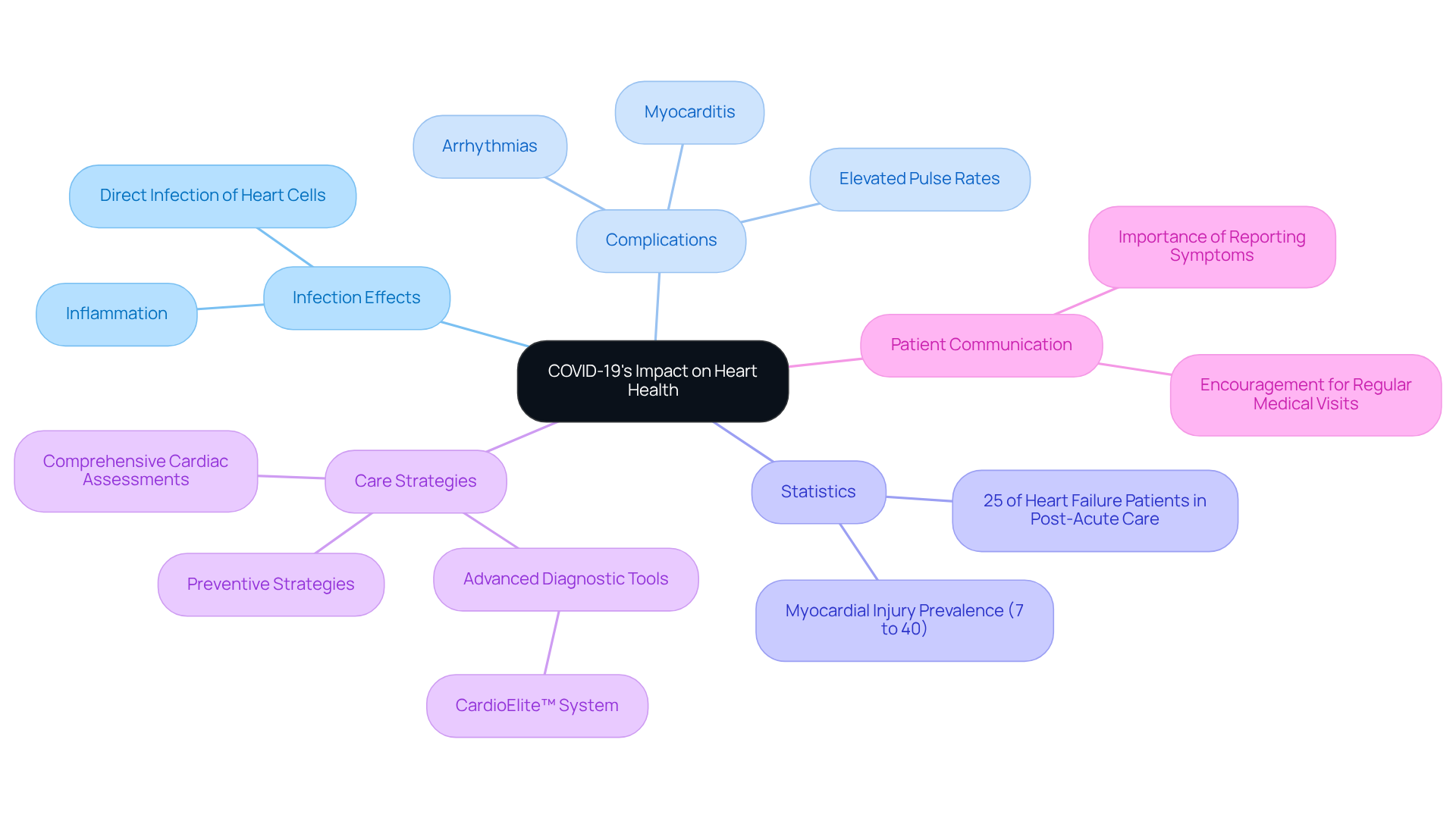
The pandemic has raised significant concerns regarding heart health, particularly in relation to acute myocardial injury, arrhythmias, and an increased risk of complications. Many patients admitted with the virus show elevated troponin levels, indicating muscle damage. This elevation is particularly concerning for seniors who may already be managing pre-existing cardiovascular conditions. Moreover, those recovering from severe coronavirus illness face a heightened risk of cardiovascular events, especially individuals with A, B, or AB blood types, who are more vulnerable compared to those with O blood type. The relationship between the virus and heart issues is intricate, with various factors playing roles in these adverse outcomes. For elderly patients, these issues necessitate proactive management and open communication with healthcare providers to effectively address any potential complications.
At Amavita Heart and Vascular Health®, we are dedicated to providing comprehensive care and preventive strategies tailored to each patient's unique needs. Our advanced diagnostic tools and treatment options enable precise diagnosis and treatment, ensuring that patients receive the best possible care. It's essential for patients to share their recovery experiences and any lingering symptoms with their healthcare providers, as this can facilitate timely interventions. Furthermore, doctors may consider preventive medications like aspirin, statins, or ACE inhibitors for patients with a history of severe illness to mitigate the risk of cardiac events.
Seeking medical care during the pandemic is crucial; ignoring symptoms can lead to severe complications. Our commitment guarantees that care is designed around your life, not just your condition, enhancing your overall quality of life. Remember, you are not alone in this journey, and we are here to support you every step of the way.

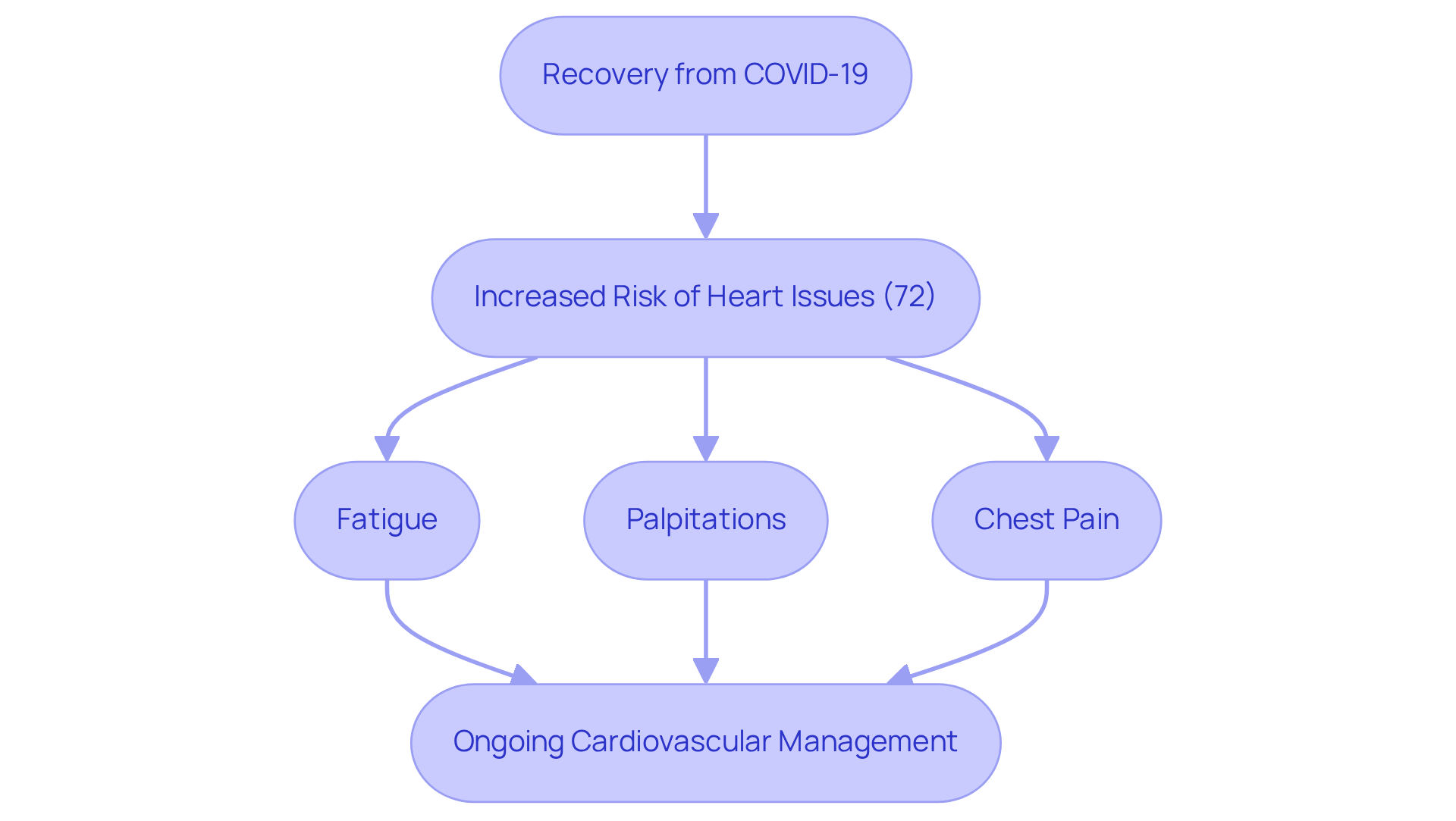
Research suggests that many individuals recovering from the virus may encounter long-term issues, such as covid and [heart issues](https://my.clevelandclinic.org/health/articles/heart-problems-after-covid), commonly referred to as complications. This can be concerning, as fatigue, palpitations, and chest pain may indicate underlying problems.
It's particularly significant to note that older adults are especially at risk; individuals who tested positive for the virus are 72% more likely to experience heart issues within a year compared to those who did not catch the illness. Furthermore, the combined impacts of the pandemic can speed up existing conditions, elevating the likelihood of ischemic conditions and other circulatory incidents.
Therefore, continuous [monitoring is crucial for seniors](https://amavita.health/blog/10-essential-steps-to-lower-your-cardio-cholesterol-naturally) who have recovered from covid and heart issues. By staying vigilant, we can manage symptoms and ensure optimal health. Remember, you are not alone in this journey; support networks and taking proactive steps can lead to a healthier future.
COVID-19 has emerged as a significant threat to heart health, particularly among seniors, highlighting the urgent need to understand its implications on cardiovascular well-being. The virus can directly affect heart cells, leading to inflammation and exacerbating pre-existing conditions. This vulnerability underscores the importance of awareness and proactive management of heart health in the elderly population.
Throughout this discussion, we have explored key points, including:
The data indicating heightened risks for seniors, especially those with certain blood types, emphasizes the necessity for consistent communication with healthcare providers and the importance of regular cardiac assessments.
In light of these findings, it is crucial for seniors and their caregivers to remain vigilant about heart health during and after recovery from COVID-19. Engaging in proactive health management, seeking timely medical attention, and utilizing available resources can significantly mitigate risks and enhance overall quality of life. By prioritizing heart health, individuals can navigate the challenges posed by the pandemic and work towards a healthier future. Remember, you are not alone in this journey—support is available, and taking these steps can lead to a brighter, healthier tomorrow.
How does COVID-19 affect heart health?
COVID-19 can directly infect heart cells, leading to inflammation and potential damage, which may worsen existing cardiovascular conditions, particularly in older adults with underlying health issues.
What cardiovascular complications are associated with COVID-19?
Individuals infected with COVID-19 may experience complications such as myocarditis and arrhythmias, with studies suggesting that myocardial injury occurs in 7% to 40% of older patients with the virus.
What are the symptoms of cardiovascular issues related to COVID-19?
Symptoms may include elevated pulse rates and other cardiovascular symptoms, which highlight the importance of monitoring heart health during and after recovery from COVID-19.
How can seniors manage their heart health during the pandemic?
Seniors should maintain consistent communication with their healthcare providers about any new or worsening symptoms and should not delay medical visits, as prompt care is essential for maintaining heart health.
What services does Amavita Cardiac and Vascular Health® offer for managing COVID-19's impact on heart health?
Amavita provides comprehensive cardiac assessments and preventive strategies, utilizing advanced diagnostic tools like the CardioElite™ system for real-time analysis and early detection of complications.
Why is post-acute care important for heart failure patients?
Approximately 25% of heart failure patients rely on post-acute care facilities, emphasizing the need for comprehensive care services, including cardiac catheterization and coronary revascularization, to support their recovery.
What should older adults be aware of regarding COVID-19 and heart issues?
Older adults are particularly vulnerable to the long-term consequences of COVID-19 on heart health, making it crucial to understand these effects and seek appropriate medical care.