


Experiencing discomfort in the right shoulder is something many people face, and it’s completely understandable to feel concerned about it. Studies show that up to 70% of individuals may encounter this type of pain at some point in their lives. This article aims to shed light on the various causes, from rotator cuff injuries to referred pain from other medical conditions. We want to provide you with valuable insights into effective treatment options and preventive strategies that can truly make a difference.
As we explore the complexity of shoulder pain, it’s natural to have questions about its origins and the best ways to find relief. Understanding these factors is essential for anyone seeking to improve their quality of life. Remember, you’re not alone in this journey, and there are compassionate solutions available to help you feel better.
Feeling discomfort in your right upper arm can be concerning. This unease or soreness, often stemming from various sources like musculoskeletal issues or nerve injuries, can manifest in different ways. You might experience:
It’s important to know that research indicates up to 70% of people may experience discomfort in this area at some point in their lives. Older adults, particularly those engaged in physical or strenuous work, may face even higher levels of distress.
Understanding these basics is crucial. If you notice unexplained arm discomfort, especially if it’s accompanied by symptoms like:
It’s essential to seek medical attention. These could be signs of a serious condition, such as a heart attack. By being aware of the signs and symptoms of right arm discomfort, you can take proactive steps towards a prompt diagnosis and treatment, which can significantly improve your health outcomes.
Remember, you’re not alone in this. Many people share similar concerns, and reaching out for help is a strong and positive step. If you’re feeling uneasy about your symptoms, don’t hesitate to talk to a healthcare professional. They’re there to support you and help you navigate your health journey.

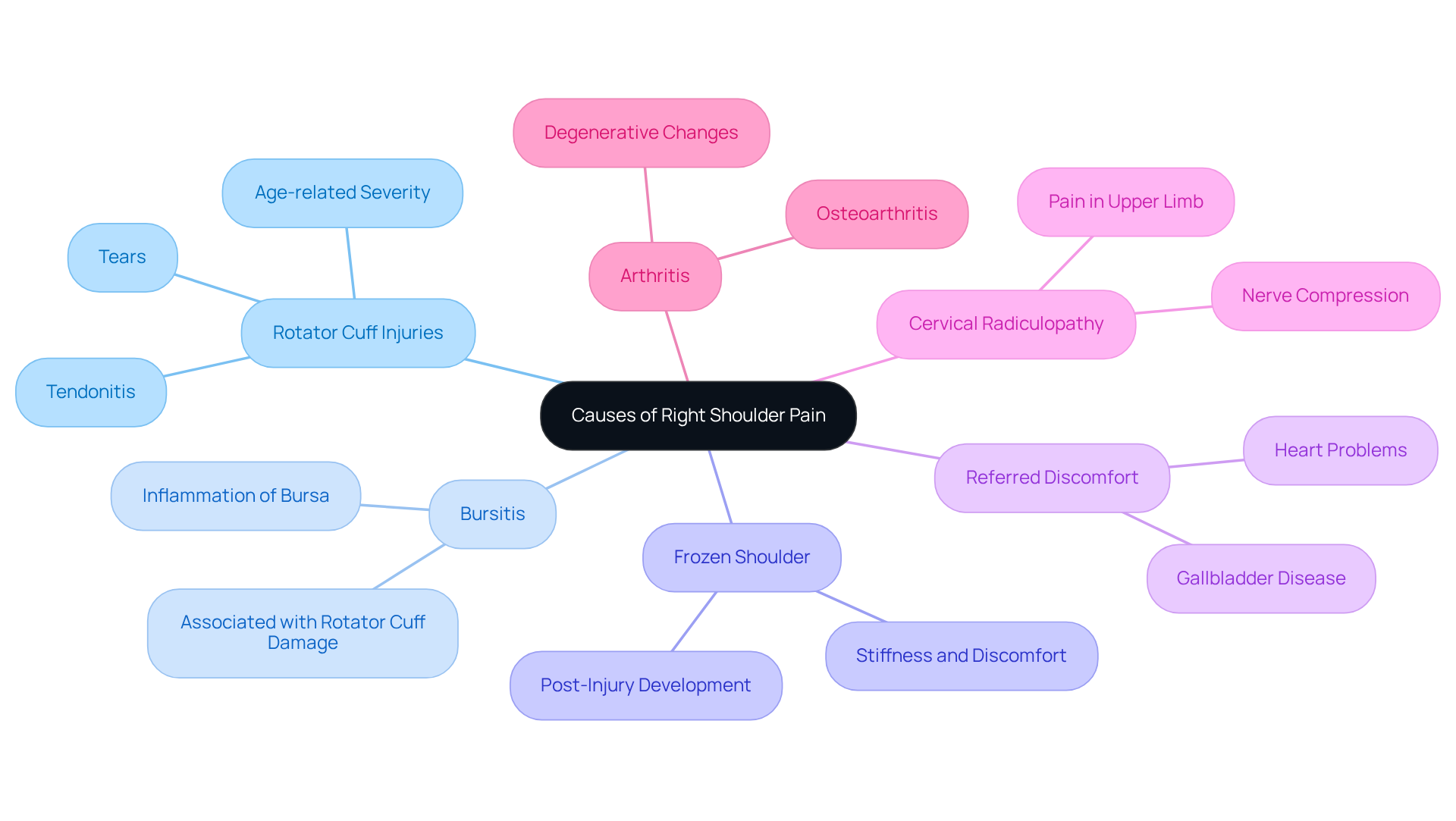
Experiencing discomfort in your right shoulder can be concerning, and it’s important to understand that various conditions can lead to this issue. Let’s explore some common causes together:
Rotator Cuff Injuries: Tendonitis or tears in the rotator cuff can cause significant pain and limit your mobility. Research shows that these injuries are quite common among older adults, with age often influencing their severity. As Dr. Angela M. Bell notes, "Issues with the rotator cuff are a frequent source of this type of discomfort."
Bursitis: When the bursa, a small fluid-filled sac that helps reduce friction in your shoulder joint, becomes inflamed, it can lead to considerable discomfort. Many case studies reveal that bursitis often occurs alongside rotator cuff damage, which can worsen your pain and restrict your movement.
Frozen Shoulder: This condition, marked by stiffness and discomfort, often develops after an injury or a period of immobility. It can significantly affect your daily activities, making early intervention essential for relief.
Referred Discomfort: Sometimes, issues like gallbladder disease or heart problems can manifest as discomfort in your upper arm, complicating diagnosis. Understanding the potential for referred discomfort is vital for accurate evaluation and treatment.
Cervical Radiculopathy: This occurs when a nerve in your neck is compressed, potentially causing discomfort in your upper limb. It highlights the complexity of shoulder discomfort and its various sources.
Arthritis: Degenerative changes in the arm joint, especially osteoarthritis, can lead to ongoing discomfort and reduced function. This condition is common among older adults and can greatly impact your quality of life.
Recognizing these causes is crucial for determining the best course of action, whether that involves therapy, medical intervention, or lifestyle changes. By adopting healthy lifestyle modifications and engaging in rehabilitation, you can help prevent overuse of your joint and improve its function, ultimately reducing discomfort. Remember, you’re not alone in this journey, and seeking support can make a significant difference.
When it comes to right shoulder pain, there are several treatment options available, each tailored to meet your unique needs:
Physical Therapy: Customized exercises can help improve strength and flexibility, addressing the root causes of your pain. In fact, research shows that 73% of patients who engage in physical therapy experience long-term relief from their injuries. As Willie Jolley wisely said, "A setback is a setup for a comeback," reminding us of the resilience we can find in our recovery journey.
Medications: Nonsteroidal anti-inflammatory drugs (NSAIDs) are often used to ease discomfort and reduce inflammation. It's important to note that while 61% of individuals rely on NSAIDs for relief from dolor en el hombro derecho causas, 65% of those using these medications find that their symptoms return once the effects wear off. This highlights the need for a comprehensive approach to address dolor en el hombro derecho causas in pain management.
Corticosteroid Injections: For those experiencing acute pain episodes, corticosteroid injections can offer temporary relief from inflammation, providing a viable option to consider.
Surgery: In more severe cases, surgical options like arthroscopy may be necessary to repair damaged tissues and restore function.
Lifestyle Modifications: Making adjustments to your daily activities and adopting ergonomic practices can help prevent further injury and support your healing process.
It's essential to discuss each treatment option with your healthcare provider to find the best strategy for your individual circumstances and health goals. Remember, incorporating the latest physical therapy techniques can further enhance your recovery outcomes. You're not alone in this journey; support is available, and together we can work towards a healthier, pain-free life.

To effectively reduce the risk of right shoulder pain, it’s important to adopt some caring strategies that can make a real difference in your daily life:
Maintain Good Posture: Keeping your body aligned is essential. It helps relieve stress on your shoulder joints, promoting overall shoulder health. Did you know that maintaining proper posture can significantly reduce discomfort in your upper limbs? Research shows that about 14.5% of people worldwide experience this issue, with higher rates in wealthier nations. By focusing on your posture, you can take a proactive step toward feeling better.
Strengthen Upper Arm Muscles: Engaging in regular exercises that target your upper arm muscles can enhance stability and help prevent injuries. Many fitness trainers share success stories about how consistent strength training leads to improved upper limb function and less discomfort. One trainer mentioned, "Clients who incorporate resistance exercises often report a marked decrease in discomfort and an increase in mobility." Imagine how empowering it would feel to move freely without pain!
Warm-Up Before Activities: Taking the time to warm up your muscles and joints before physical activity is crucial. It reduces the likelihood of strain, especially for those involved in sports or heavy lifting. A few minutes of warm-up can go a long way in protecting your body.
Ergonomic Adjustments: Setting up your workspace to minimize stress on your upper body is vital. Ergonomic chairs and desks can help you maintain proper posture, lowering the risk of discomfort. Recent studies emphasize the importance of standardized research methods to effectively compare ergonomic results, ensuring you get the best setup for your needs.
Stay Active: Regular exercise is key to improving joint health and flexibility. Participating in a variety of workouts not only strengthens your upper arms but also boosts your overall physical health. The financial burden related to upper limb discomfort is significant, with estimates in Sweden reaching €4139 per patient. This highlights the importance of taking preventive measures to safeguard your well-being.
By integrating these strategies into your daily routine, you can significantly lower your risk of developing dolor en el hombro derecho causas. Remember, taking these steps leads to a healthier and more active lifestyle, and you’re not alone on this journey. We’re here to support you every step of the way.

Understanding the complexities of right shoulder pain is essential for anyone experiencing discomfort in this area. Have you ever felt that nagging ache? This article has explored various causes, treatment options, and prevention strategies that can empower you to take control of your health and well-being. By recognizing potential sources of pain - like rotator cuff injuries or discomfort referred from internal conditions - you can better navigate your symptoms and seek the appropriate care.
Key insights discussed include:
Remember, timely medical intervention and a proactive approach to your health can lead to improved outcomes. Engaging in exercises that strengthen your upper arm muscles and maintaining good posture can significantly reduce the risk of developing further issues.
Ultimately, addressing right shoulder pain is not just about managing symptoms; it's about enhancing your overall quality of life. Taking steps to understand and mitigate the causes of pain can lead to a more active and fulfilling lifestyle. Empowerment through knowledge and action is crucial in this journey. We encourage you to consult healthcare professionals to tailor a plan that best suits your unique needs. You're not alone in this - support is available, and taking that first step can make all the difference.