


Genicular Artery Embolization (GAE) is emerging as a beacon of hope for those facing the relentless pain of osteoarthritis, especially in the knee. This minimally invasive procedure not only alleviates discomfort but also significantly enhances the quality of life for many who have tried traditional treatment options without success. What truly sets GAE apart, however, is the powerful impact of patient stories—narratives that illuminate the transformative journey from pain to relief.
How do these personal accounts shape our understanding of GAE's effectiveness? They inspire others to seek similar paths to recovery, offering a glimpse of hope in what can often feel like a daunting journey. In addition to this, these stories foster a sense of community and support, reminding us that no one has to face their struggles alone. If you or a loved one are grappling with osteoarthritis, consider exploring GAE as a potential solution. Your journey towards relief could begin with just one step.
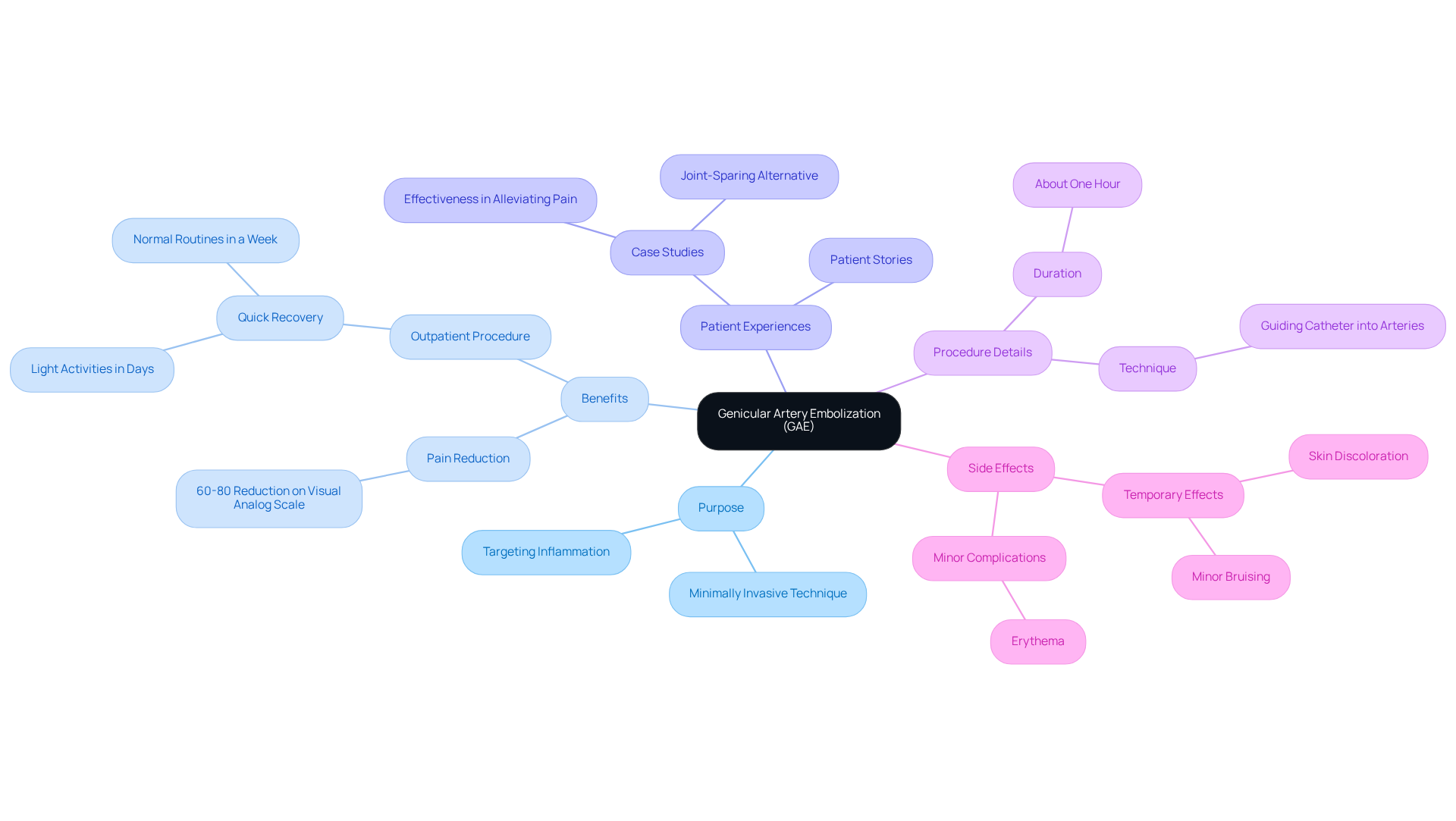
is an innovative, that aims to ease the discomfort associated with osteoarthritis, especially in the knee joint. This procedure selectively blocks the genicular arteries, which supply blood to the knee, effectively reducing inflammation and pain. By concentrating on the vascular supply to the affected area, GAE provides significant relief and enhances function without the need for more invasive surgical options.
Have you been struggling with knee pain? Recent studies indicate that GAE can lead to a remarkable 60-80% reduction in pain on the visual analog scale at six and 24 months after the procedure. This makes it an appealing choice for older adults who often face multiple health challenges and increased surgical risks. The procedure is performed on an outpatient basis, typically lasting about an hour, allowing most individuals to return home within a few hours. Recovery is quick, with many able to engage in light activities within days and resume normal routines in about a week.
While GAE is generally well-tolerated, some patients might experience like skin discoloration or minor bruising at the access site. Case studies highlight the , demonstrating its effectiveness in alleviating knee discomfort for those who haven’t found relief through traditional treatments. For instance, one study demonstrated that GAE significantly reduced pain while preserving healthy tissue, making it a joint-sparing alternative to knee replacement surgery. As Katie Robbins notes, the '[[GAE patient story for osteoarthritis](https://amavita.health/blog/10-good-foods-for-heart-health-every-elderly-patient-should-try)](https://amavita.health/blog/10-good-foods-for-heart-health-every-elderly-patient-should-try)' is ideal for adults with mild to moderate knee osteoarthritis who haven’t found relief from traditional methods and want to avoid surgery.
This aligns beautifully with the goal of enhancing patient comfort and quality of life, particularly for older adults seeking effective pain management solutions without the complications that often accompany traditional surgeries. GAE truly stands out as a promising option in the evolving landscape of osteoarthritis care. If you or a loved one are considering options for , reaching out for support could be the first step towards a more comfortable life.
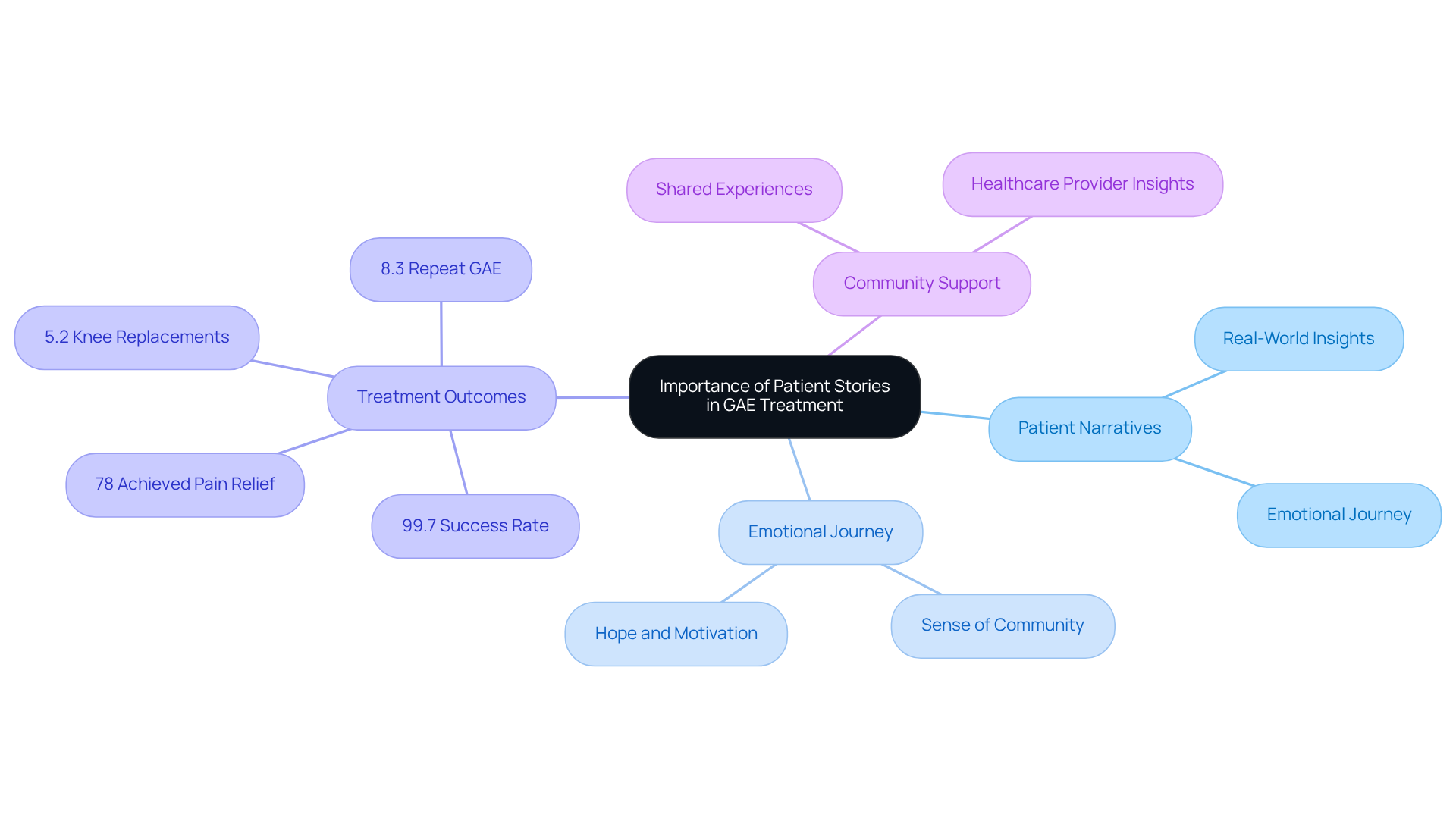
The highlights the incredible importance of through . They provide real-world insights into how effective the procedure can be and the emotional journey that individuals experience as depicted in a [[GAE patient story for osteoarthritis](https://amavita.health/blog/10-heart-aneurysm-symptoms-every-elderly-patient-should-recognize)](https://amavita.health/blog/10-local-cardiac-therapy-options-near-you-for-better-heart-health). Have you ever wondered how others have felt before and after GAE? These stories, such as the GAE patient story for osteoarthritis, highlight , offering a glimpse into the positive changes that can occur.
By sharing their experiences, individuals contribute to a GAE patient story for osteoarthritis, which helps healthcare providers understand the nuances of treatment outcomes and creates a sense of community. This shared understanding can be illustrated through a GAE patient story for osteoarthritis, serving as a for those facing similar challenges. As Francis Peabody wisely noted, true healing involves genuinely caring for the individual’s well-being, a sentiment that resonates deeply in these narratives.
Integrating a GAE patient story for osteoarthritis into clinical practice enriches the person-centered approach and supports the ongoing enhancement of care protocols. It’s reassuring to know that research indicates 78% of individuals achieved the minimal clinically important difference (MCID) for pain relief at 12 months after the procedure. Furthermore, GAE boasts a remarkable technical success rate of 99.7%.
The are further illustrated by the low rates of total knee replacements (5.2%) and repeat GAE (8.3%) over two years. If you or a loved one are considering a GAE patient story for osteoarthritis, keep in mind that you’re not alone. There’s a community of individuals who have walked this path and are ready to share their journeys with you.
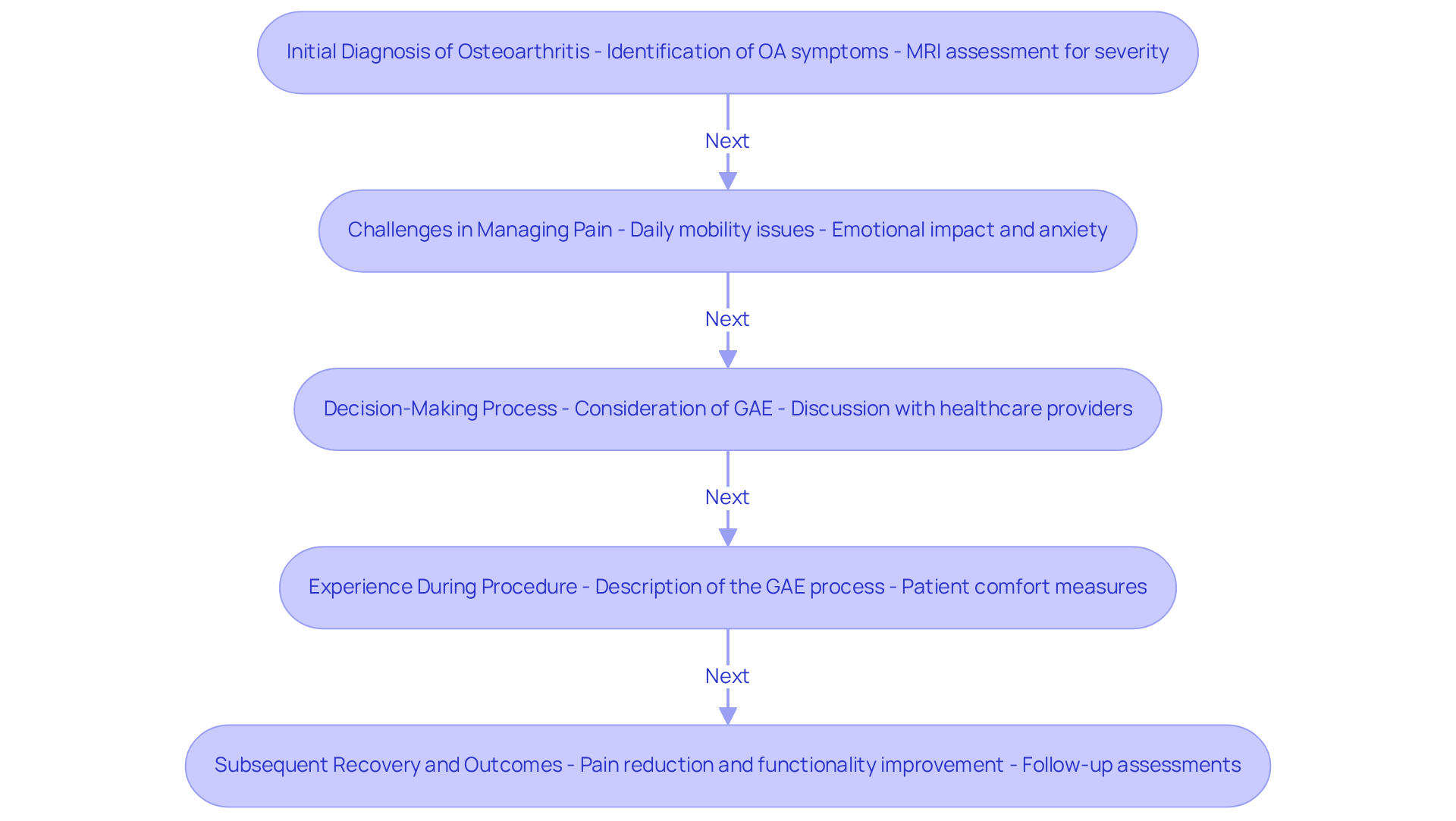
A compelling typically includes several key elements:
Each of these components contributes to a comprehensive understanding of the individual's journey.
Have you ever faced challenges with mobility or daily tasks? Outlining these struggles before GAE can truly emphasize the importance of the intervention. Statistics show that many individuals report in pain and functionality after GAE, with a estimated at over 60%.
Furthermore, sharing emotional aspects—like the anxiety felt before the procedure and the relief experienced afterward—can foster a deeper connection with others facing similar challenges. As one insightful quote reminds us, "." This highlights the in managing osteoarthritis.
It's also important to recognize that individuals who feel respected and heard are more likely to follow treatment plans. By capturing these elements, healthcare providers can gain valuable insights into the , enabling them to tailor their approaches to meet individual needs effectively. Remember, you are not alone in this journey, and support is always available.
Genicular Artery Embolization (GAE) is a remarkable advancement in treating osteoarthritis, especially for those grappling with knee pain. This minimally invasive procedure not only eases discomfort but also significantly enhances patients' quality of life, presenting a compassionate alternative to more invasive surgical options. By targeting the vascular supply to the knee, GAE effectively reduces inflammation and pain, empowering patients to regain mobility and engage in daily activities with newfound ease.
The article shines a light on the powerful impact of patient stories in the context of GAE treatment. These narratives offer invaluable insights into the emotional and physical journeys of individuals who have undergone the procedure, highlighting the substantial improvements in pain levels and functionality. With a high success rate and a low incidence of complications, GAE stands out as a viable option for those who have faced challenges with traditional treatments. The shared experiences not only foster a sense of community but also serve as a beacon of hope for those seeking effective pain management solutions.
In conclusion, we cannot underestimate the importance of patient narratives. They provide a deeper understanding of the GAE experience and illustrate the profound impact this treatment can have on individuals' lives. For those facing the challenges of osteoarthritis, exploring GAE as a treatment option and connecting with others who have walked a similar path can offer encouragement and support. Embracing these stories can lead to informed decisions and ultimately pave the way for a more comfortable and fulfilling life. Have you considered reaching out to learn more about GAE? Your journey towards relief and improved well-being could start with just a conversation.
What is Genicular Artery Embolization (GAE)?
Genicular Artery Embolization (GAE) is a minimally invasive procedure designed to alleviate discomfort associated with osteoarthritis, particularly in the knee joint. It works by selectively blocking the genicular arteries that supply blood to the knee, thus reducing inflammation and pain.
How effective is GAE in reducing knee pain?
Recent studies have shown that GAE can lead to a significant reduction in knee pain, with a 60-80% decrease on the visual analog scale at six and 24 months after the procedure.
Who is an ideal candidate for GAE?
The ideal candidates for GAE are adults with mild to moderate knee osteoarthritis who have not found relief through traditional treatments and wish to avoid surgery.
What is the procedure like, and how long does it take?
GAE is performed on an outpatient basis, typically lasting about an hour. Most individuals can return home within a few hours after the procedure.
What is the recovery time after GAE?
Recovery from GAE is generally quick, with many patients able to engage in light activities within days and resume their normal routines in about a week.
Are there any side effects associated with GAE?
While GAE is generally well-tolerated, some patients may experience temporary side effects such as skin discoloration or minor bruising at the access site.
How does GAE compare to traditional treatments for osteoarthritis?
GAE is considered a joint-sparing alternative to knee replacement surgery, effectively reducing pain while preserving healthy tissue, making it a promising option for those who have not found relief through traditional methods.
Why is GAE particularly beneficial for older adults?
GAE is beneficial for older adults because it provides effective pain management solutions without the complications often associated with traditional surgeries, enhancing their comfort and quality of life.