


Genicular Artery Embolization (GAE) is emerging as a promising solution for those struggling with chronic knee pain, especially from osteoarthritis. This minimally invasive procedure not only offers relief but also brings hope to individuals who have not found success with traditional treatments. As more patients look for alternatives to surgery, you might wonder:
Understanding the details of GAE recovery time and the strategies involved can be crucial for regaining mobility and enhancing your quality of life. In addition to this, knowing that you’re not alone in this journey can be comforting. Many have faced similar challenges and have found renewed hope through GAE. If you’re feeling hesitant or anxious about your health, remember that support is available. You deserve to explore options that can help you feel better and live more fully.
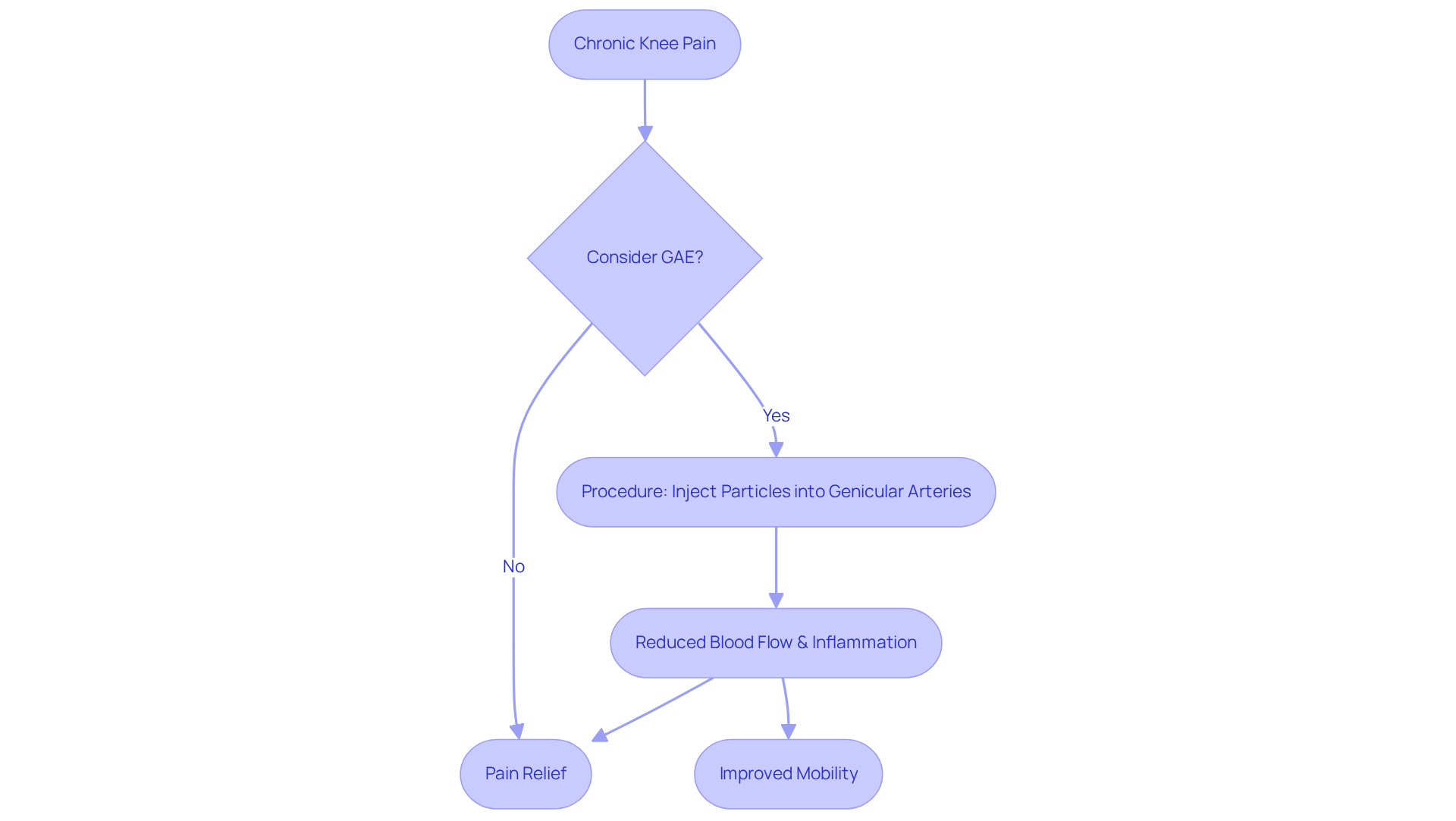
is a promising, minimally invasive procedure that offers pain relief for individuals experiencing , especially those with osteoarthritis. If you’re struggling with knee pain, this technique might be worth considering. It involves injecting tiny particles into the genicular arteries, which supply blood to the knee joint. By blocking these arteries, GAE reduces blood flow to inflamed tissues, leading to less inflammation and discomfort. This innovative approach offers a who haven’t found [GAE recovery time pain relief](https://amavita.health/blog/understanding-gae-recovery-time-for-effective-pain-relief) through traditional treatments, making it particularly beneficial for older adults who may face higher risks with more invasive options.
Recent studies, including a pilot initiative at UChicago Medicine, have shown that GAE recovery time pain relief can significantly alleviate discomfort. In fact, over 60% of participants reported noticeable improvements in knee pain and mobility, which highlights the effectiveness of GAE recovery time pain relief one year after the procedure. This is especially important considering that around 5 million people in the U.S. suffer from knee osteoarthritis, a condition that can greatly affect one’s quality of life. Additionally, the study revealed an average 12% decrease in blood levels of vascular endothelial growth factor (VEGF) one year post-procedure, indicating a tangible impact on inflammation.
Experts like Dr. Ryan M. Hickey, an interventional radiologist, highlight that GAE recovery time pain relief is particularly suitable for individuals who aren’t ready for knee replacement surgery or those for whom surgery poses extra risks due to age or health conditions. The procedure is performed under mild sedation and typically takes less than two hours. It has shown minimal side effects, such as risks of bleeding, infection, and temporary skin discoloration. This makes it a seeking GAE recovery time pain relief from their debilitating knee pain.
If you or a loved one are facing challenges with knee discomfort, it’s important to know that there are options available. and comfort. Don’t hesitate to reach out for more information or to discuss your situation with a healthcare professional who can guide you through the possibilities.
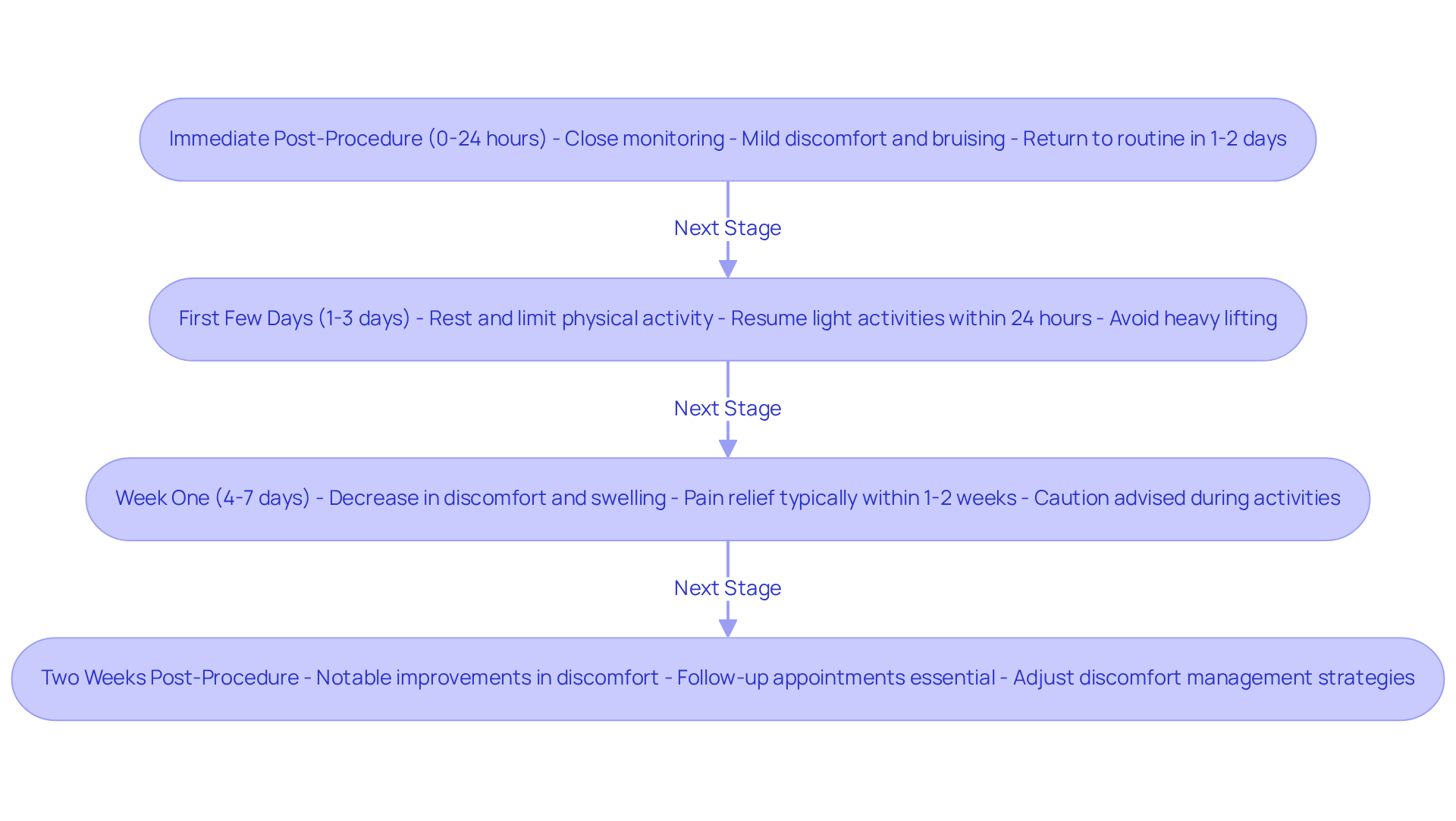
Recovery from Genicular Artery Embolization (GAE) typically follows a structured timeline that helps you understand what to expect during your healing process:
highlight the positive outcomes of GAE. Many individuals report a shortly after the procedure. For instance, Patrick Schruben shared, "Without any discomfort in my elbow, I can perform 40 push-ups daily, and I’m truly proud of that." Another individual noted a decrease in discomfort from 8/10 to 2/10 within a month, allowing them to engage in daily activities without unease. Overall, this healing timeline illustrates a gradual return to normalcy, with most patients experiencing significant [[[GAE recovery time](https://amavita.health/blog/essential-steps-for-your-gae-preparation-procedure)](https://amavita.health/blog/determine-your-testosterone-pellets-dosage-a-step-by-step-guide) pain relief](https://thevascularcaregroup.com/about-us/news/what-to-expect-before-during-and-after-genicular-artery-embolization) within weeks following the procedure.
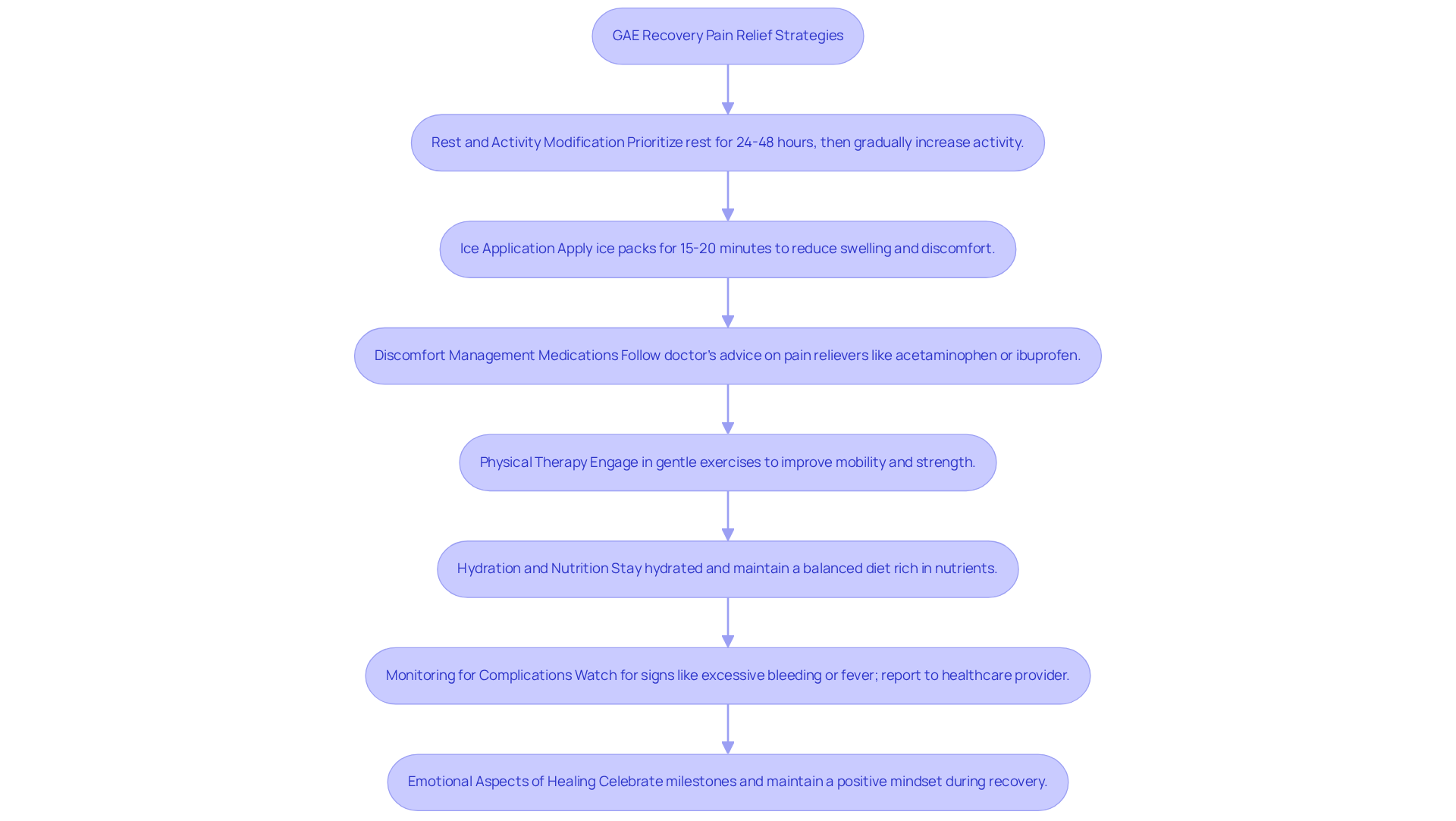
To optimize your recovery after , let’s explore some effective that can truly make a difference:
By following these strategies, you’re taking important steps towards a smoother recovery. If you have any questions or need support, please reach out. You’re not alone on this journey.
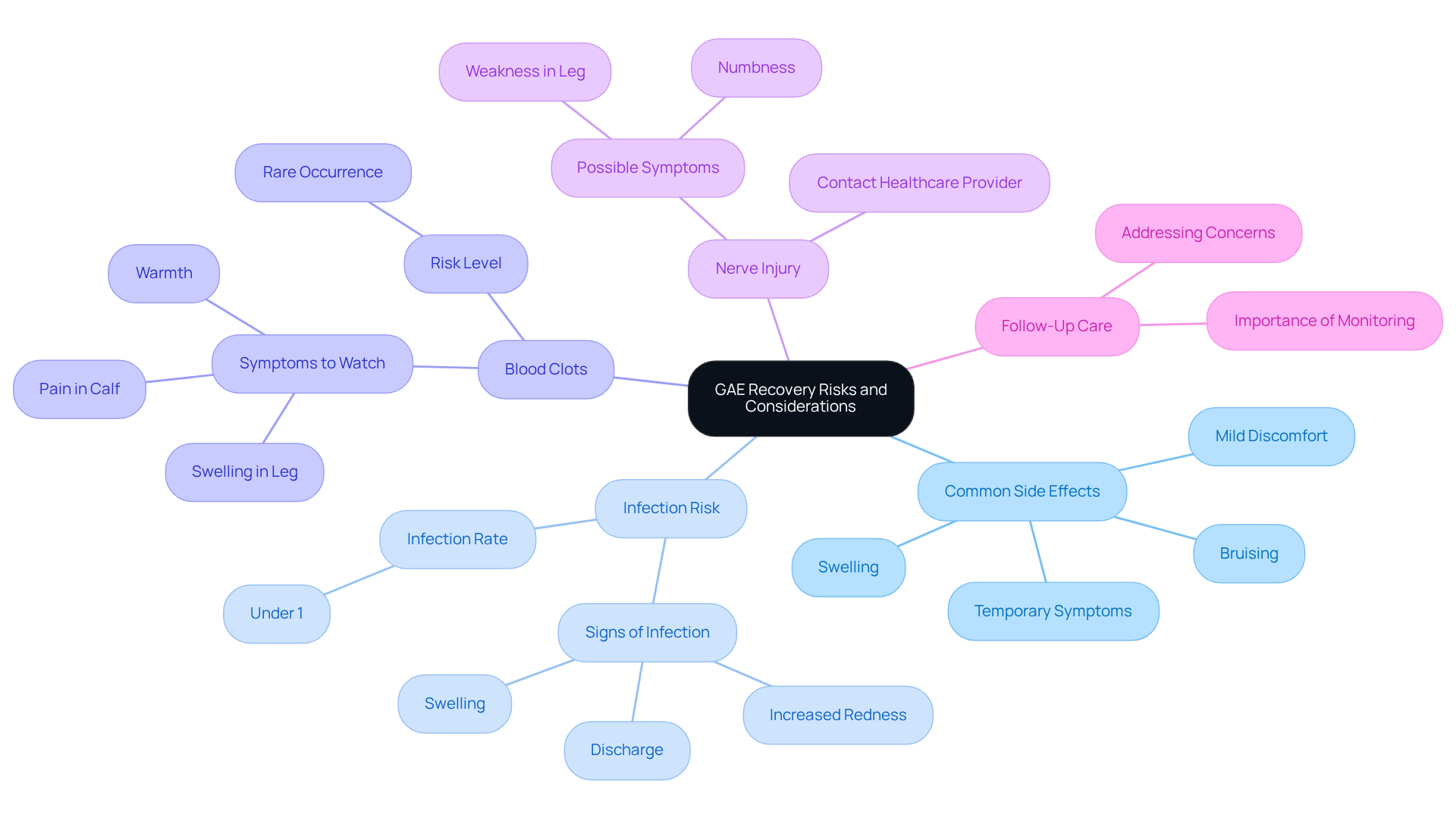
While is generally safe, it’s important for patients to consider the and the significance of .
Common Side Effects: You might experience mild discomfort, bruising, or swelling at the injection site. These symptoms are typical and usually resolve within a few days. Most individuals tolerate GAE well, as the side effects are mild and temporary, contributing to pain relief. Remember, it’s completely normal to have these reactions, and they often pass quickly.
Infection Risk: As with any procedure involving injections, there’s a small risk of infection at the catheter site, with rates reported at under 1%. It’s wise to keep an eye out for signs of infection, such as increased redness, swelling, or discharge. If you notice anything unusual, don’t hesitate to reach out to your healthcare provider.
: Although rare, there’s a risk of [blood clots](https://amavita.health/blog/10-effective-treatments-for-chf-to-improve-your-heart-health) forming in the leg. Be vigilant for symptoms like swelling, warmth, or pain in your calf. If you experience any of these, it’s important to seek medical attention right away.
Nerve Injury: In rare cases, nerve injury may occur, leading to numbness or weakness in the leg. If you notice these symptoms, please contact your healthcare provider immediately for evaluation. Your health and comfort are our top priorities.
: Regular follow-up appointments are essential to monitor your healing progress and address any concerns promptly. This proactive approach helps ensure a smooth recovery and optimal results.
Overall, understanding these considerations can empower you to manage your recovery effectively, particularly in terms of . Remember, you’re not alone in this journey; we’re here to support you every step of the way.
Genicular Artery Embolization (GAE) is a remarkable step forward in managing chronic knee pain, especially for those facing the challenges of osteoarthritis. This minimally invasive procedure not only addresses the root of the pain by reducing blood flow to inflamed tissues but also serves as a viable alternative for individuals who might not be ideal candidates for traditional surgeries. The potential for pain relief and quicker recovery with GAE is becoming increasingly recognized, with many patients experiencing positive outcomes that significantly enhance their quality of life.
As we explore the GAE recovery timeline, it’s important to understand the structured phases of healing. From the immediate post-procedure care to long-term pain relief strategies, patients can look forward to a gradual return to their normal activities. Many report feeling a significant reduction in discomfort within just a few weeks. Additionally, the importance of follow-up care, monitoring for any potential complications, and implementing effective pain management techniques cannot be overstated. These elements are crucial for ensuring a smooth and optimal recovery.
Ultimately, grasping the details of Genicular Artery Embolization and its recovery process empowers you to make informed decisions about your treatment options. By engaging with your healthcare providers and considering this innovative procedure, you can take proactive steps toward reclaiming your mobility and alleviating chronic knee pain. Embracing these possibilities can lead to a renewed sense of comfort and an improved quality of life. Remember, you’re not alone on this journey; support is available, and together, we can work towards a brighter, more comfortable future.
What is Genicular Artery Embolization (GAE)?
Genicular Artery Embolization (GAE) is a minimally invasive procedure designed to relieve chronic knee pain, particularly in individuals with osteoarthritis, by injecting tiny particles into the genicular arteries that supply blood to the knee joint.
How does GAE help in pain relief?
GAE reduces blood flow to inflamed tissues in the knee by blocking the genicular arteries, which leads to decreased inflammation and discomfort.
Who can benefit from GAE?
GAE is beneficial for patients who have not found relief through traditional treatments, particularly older adults who may face higher risks with more invasive procedures or those not ready for knee replacement surgery.
What do recent studies say about the effectiveness of GAE?
Recent studies, including a pilot initiative at UChicago Medicine, found that over 60% of participants experienced noticeable improvements in knee pain and mobility one year after the procedure.
What changes in inflammation markers have been observed after GAE?
The studies revealed an average 12% decrease in blood levels of vascular endothelial growth factor (VEGF) one year post-procedure, indicating a significant impact on inflammation.
What is the procedure like?
GAE is performed under mild sedation, typically takes less than two hours, and has shown minimal side effects, including risks of bleeding, infection, and temporary skin discoloration.
What should individuals consider if they are experiencing knee discomfort?
Individuals facing knee pain should know that options like GAE are available and should consult a healthcare professional to discuss their situation and explore potential treatments.