


Understanding heart ablation can be a pivotal step for individuals grappling with irregular heartbeats. This innovative procedure offers a path to restoring normal rhythm and improving quality of life. However, it’s natural to feel uncertain about what comes next. Recovery time can vary significantly based on many factors, leaving many patients wondering what to expect.
How can you navigate the complexities of heart ablation recovery? It’s important to know that you’re not alone in this journey. This article delves into essential insights, recovery timelines, and care guidelines that empower you to take control of your healing process. By understanding what lies ahead, you can approach your recovery with confidence and clarity.
is a designed to help those experiencing irregular heartbeats, known as arrhythmias. By using heat or cold energy, this procedure creates small scars in the heart tissue that interrupt the faulty electrical signals causing these irregularities. This can restore a normal rhythm, offering hope to individuals who haven’t found relief through medication or who wish to avoid long-term drug therapy. It’s particularly effective for conditions like and supraventricular tachycardia, leading to significant improvements in quality of life by alleviating symptoms such as palpitations and fatigue.
At Amavita, we understand how crucial is, which is why we offer our . This program combines advanced AI technology with thorough staff training, providing healthcare providers with real-time diagnostic data and 24/7 cardiology consultation. This not only enhances proactive individual management but also helps reduce emergency workloads. Recent research shows that single procedures can alleviate atrial fibrillation symptoms in 70 to 80 percent of cases, highlighting its effectiveness. The CABANA trial, the largest clinical study comparing catheter treatment to drug therapy, revealed that individuals who underwent the procedure enjoyed and fewer hospitalizations. While the trial didn’t find a statistically significant decrease in serious adverse outcomes, those who had the procedure experienced and complications based on the actual treatment received.
Emerging techniques like are paving the way for quicker procedures and enhanced safety compared to traditional methods. This progress reflects the ongoing advancements in the field, with cardiologists at Amavita emphasizing the importance of tailored to each individual’s unique circumstances, especially for those at higher risk. As the prevalence of atrial fibrillation continues to rise, with projections suggesting that cases in the U.S. may reach 12.1 million by 2030, heart procedures become an essential option for improving outcomes and promoting overall heart wellness.
If you or a loved one are facing , know that support is available. We’re here to help you navigate your options and find the best path forward.

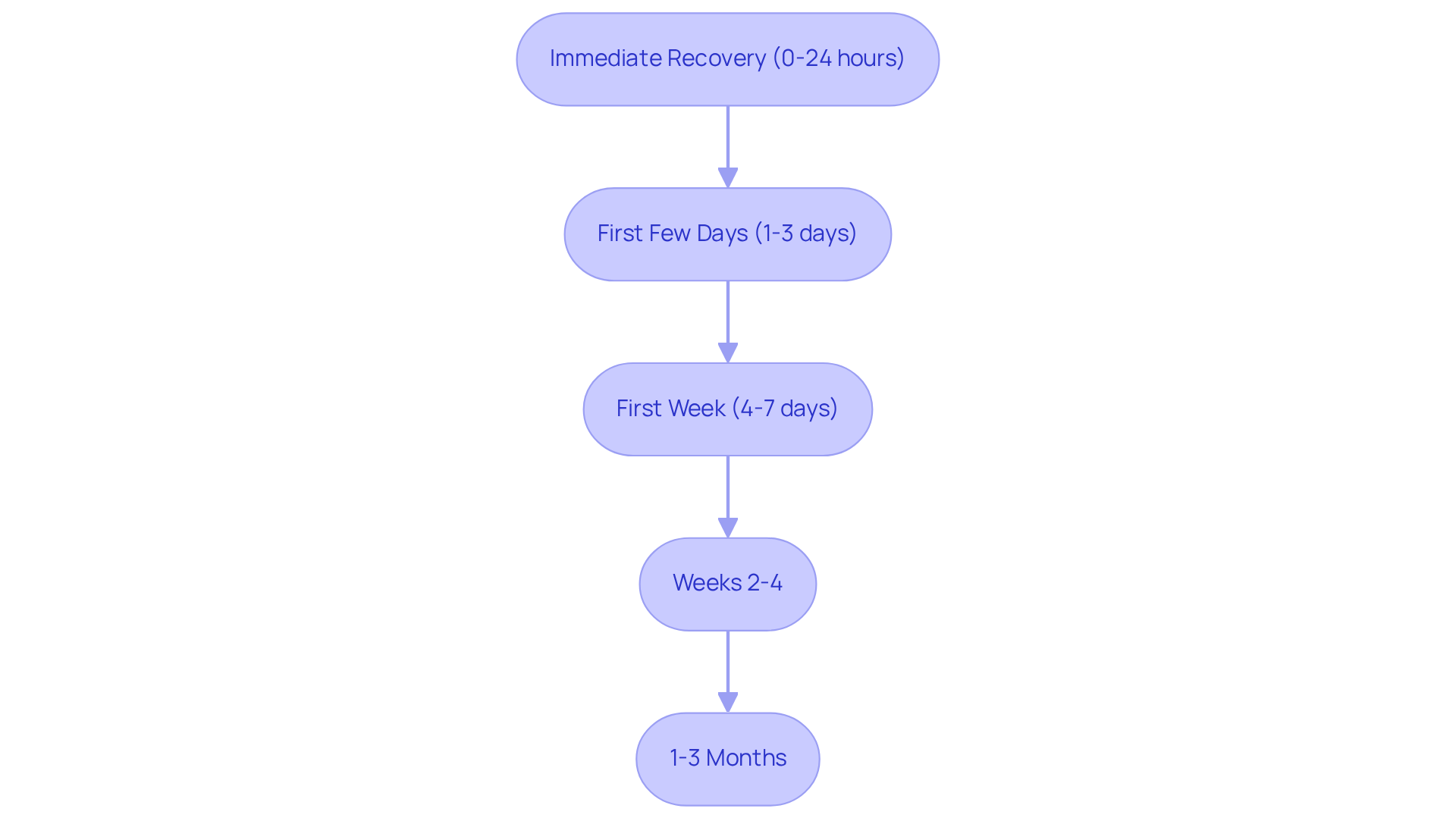
The recovery timeline after heart ablation typically unfolds as follows:
We encourage you to to ensure a smooth healing process. Remember, you’re not alone in this journey; we’re here to support you every step of the way.
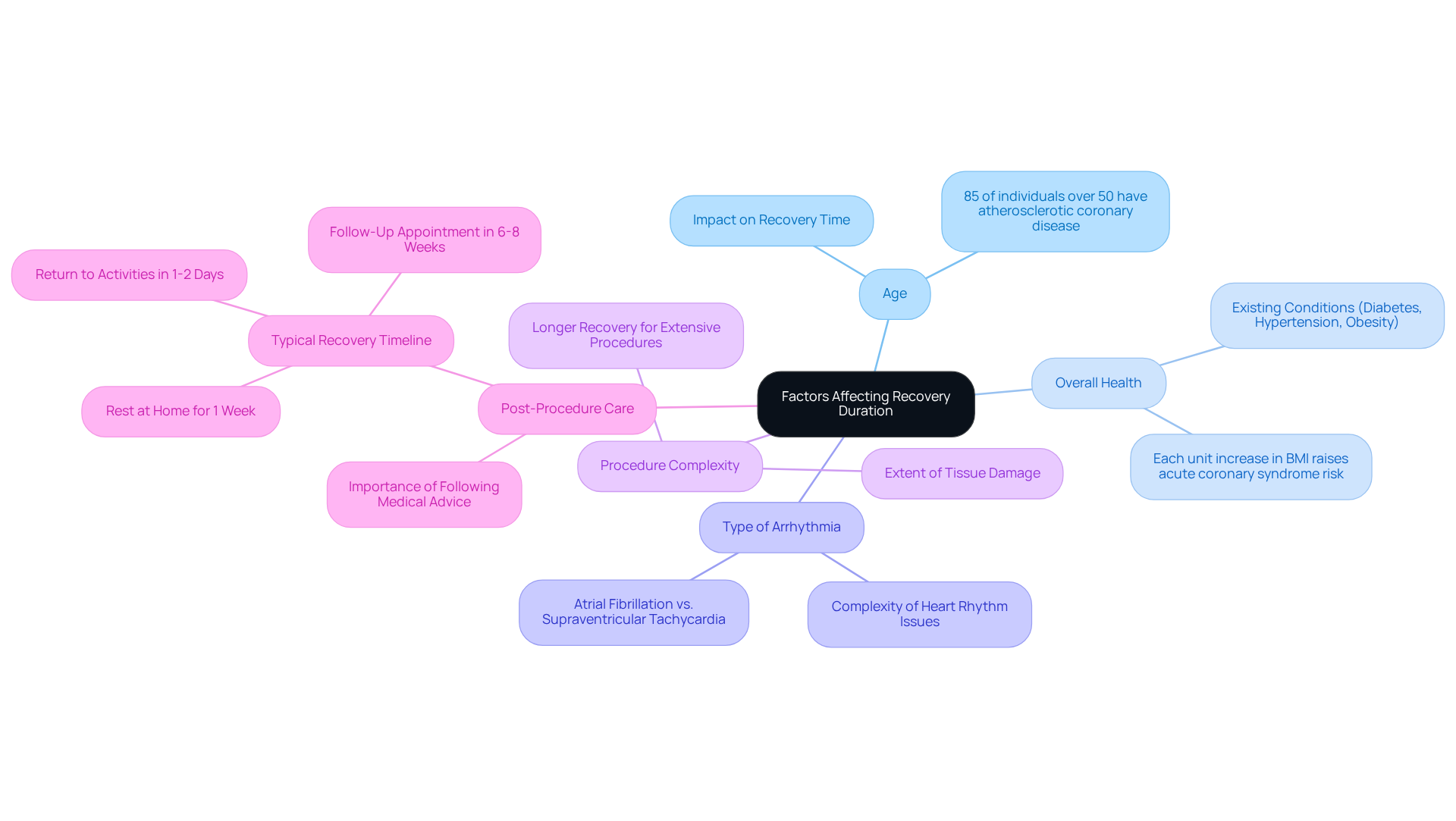
Several factors can significantly influence :
Understanding these factors, along with the support provided by Amavita's , can help you set realistic expectations for your heart ablation recovery time during your healing journey.
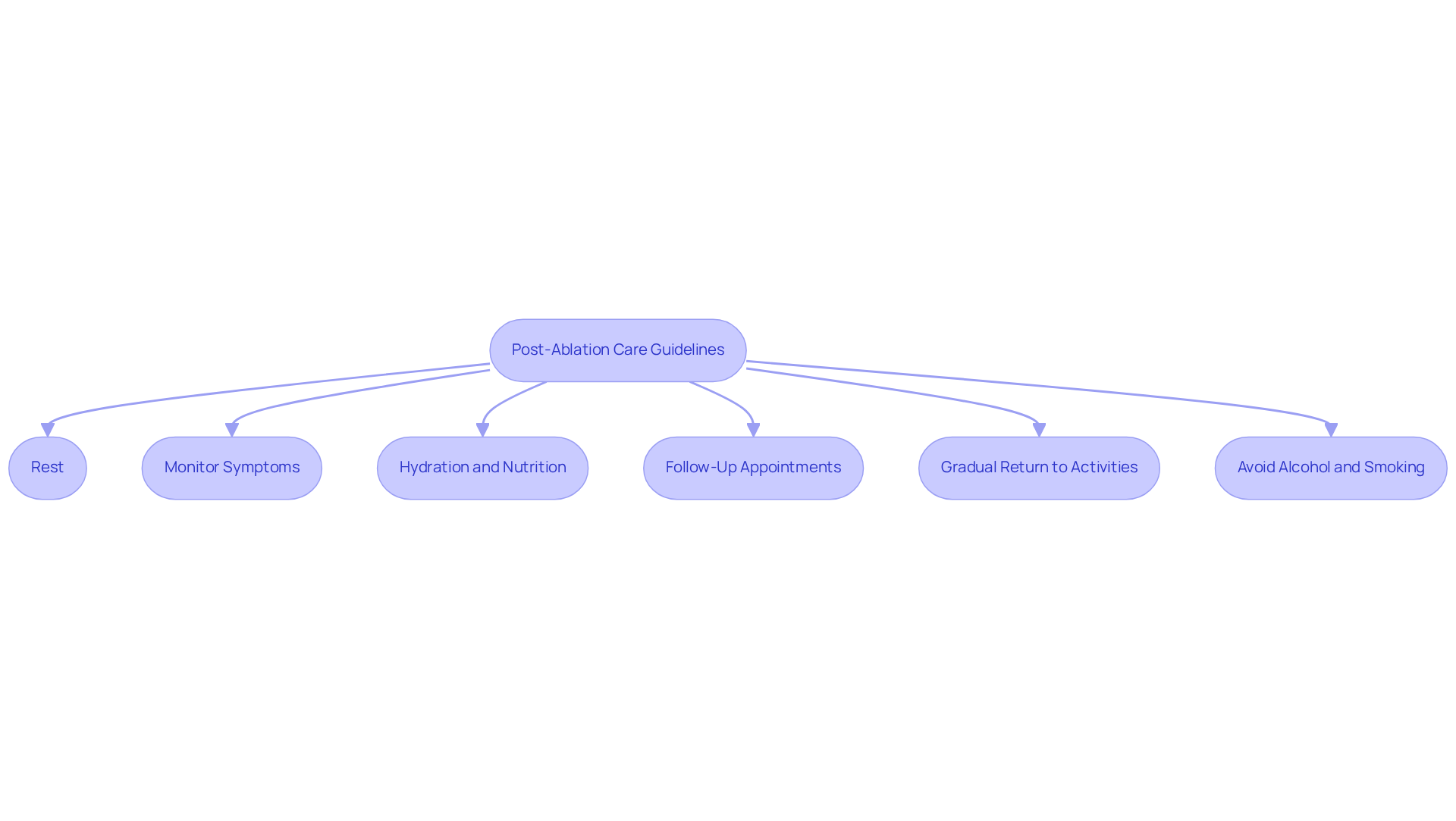
is crucial for ensuring a smooth . You might be wondering how to best support your heart ablation recovery time. Here are some key guidelines to consider:
Many patients share how following these guidelines made a significant difference in their recovery. They often mention that those who adhered to their healthcare provider’s recommendations experienced smoother healing and better long-term outcomes. Healthcare providers also stress the importance of regular follow-up care, as it allows for timely adjustments to treatment plans and ensures any complications are addressed promptly.
You might find it comforting to know that are common in the weeks following the procedure. These feelings usually resolve within 4 to 6 weeks. By prioritizing these aspects of your recovery, you can greatly enhance your chances of a successful outcome during the heart ablation recovery time. Remember, you’re not alone in this journey; support is always available.
Heart ablation is a crucial intervention for those facing arrhythmias, offering a chance to restore normal heart rhythms and enhance overall quality of life. It’s important for patients to understand the recovery timeline and the factors that can influence it. With the right knowledge and support, you can navigate your recovery journey with greater confidence and clarity.
Throughout this article, we’ve highlighted key insights into the recovery process. This includes:
Factors like age, overall health, and the complexity of the procedure significantly impact recovery duration, which is why personalized care plans are essential. Additionally, sticking to post-ablation guidelines-such as getting plenty of rest, staying hydrated, and attending follow-up appointments-can greatly enhance your healing outcomes.
Ultimately, the journey after heart ablation emphasizes the importance of informed decision-making and proactive health management. As heart conditions become more common, understanding the recovery process is increasingly vital. By prioritizing your health, following medical advice, and seeking support, you can significantly improve your recovery experience and pave the way for a healthier future. Remember, you’re not alone in this journey; support is always available.
What is heart ablation?
Heart ablation is a minimally invasive technique used to treat irregular heartbeats, known as arrhythmias, by creating small scars in the heart tissue to interrupt faulty electrical signals.
What is the purpose of heart ablation?
The purpose of heart ablation is to restore a normal heart rhythm for individuals who experience arrhythmias and have not found relief through medication or wish to avoid long-term drug therapy.
What conditions can heart ablation effectively treat?
Heart ablation is particularly effective for conditions such as atrial fibrillation and supraventricular tachycardia.
What are the potential benefits of heart ablation?
Benefits include significant improvements in quality of life, alleviation of symptoms such as palpitations and fatigue, and a reduction in the need for ongoing medication.
What is the CardioElite™ program offered by Amavita?
The CardioElite™ program combines advanced AI technology with comprehensive staff training to provide real-time diagnostic data and 24/7 cardiology consultation, enhancing proactive individual management and reducing emergency workloads.
What do recent studies indicate about the effectiveness of heart ablation?
Recent studies show that single procedures can alleviate atrial fibrillation symptoms in 70 to 80 percent of cases, indicating high effectiveness.
What findings were reported from the CABANA trial?
The CABANA trial found that individuals who underwent heart ablation experienced improved quality of life and fewer hospitalizations compared to those receiving drug therapy, although it did not find a statistically significant decrease in serious adverse outcomes.
What are emerging techniques in heart ablation?
Emerging techniques like pulsed field disruption (PFA) are being developed to provide quicker procedures and enhanced safety compared to traditional methods.
Why is personalized treatment important in heart ablation?
Personalized treatment plans are crucial as they cater to each individual's unique circumstances, especially for those at higher risk for heart conditions.
What is the projected prevalence of atrial fibrillation in the U.S. by 2030?
The prevalence of atrial fibrillation in the U.S. is projected to reach 12.1 million by 2030, highlighting the importance of heart procedures for improving outcomes and promoting heart wellness.